
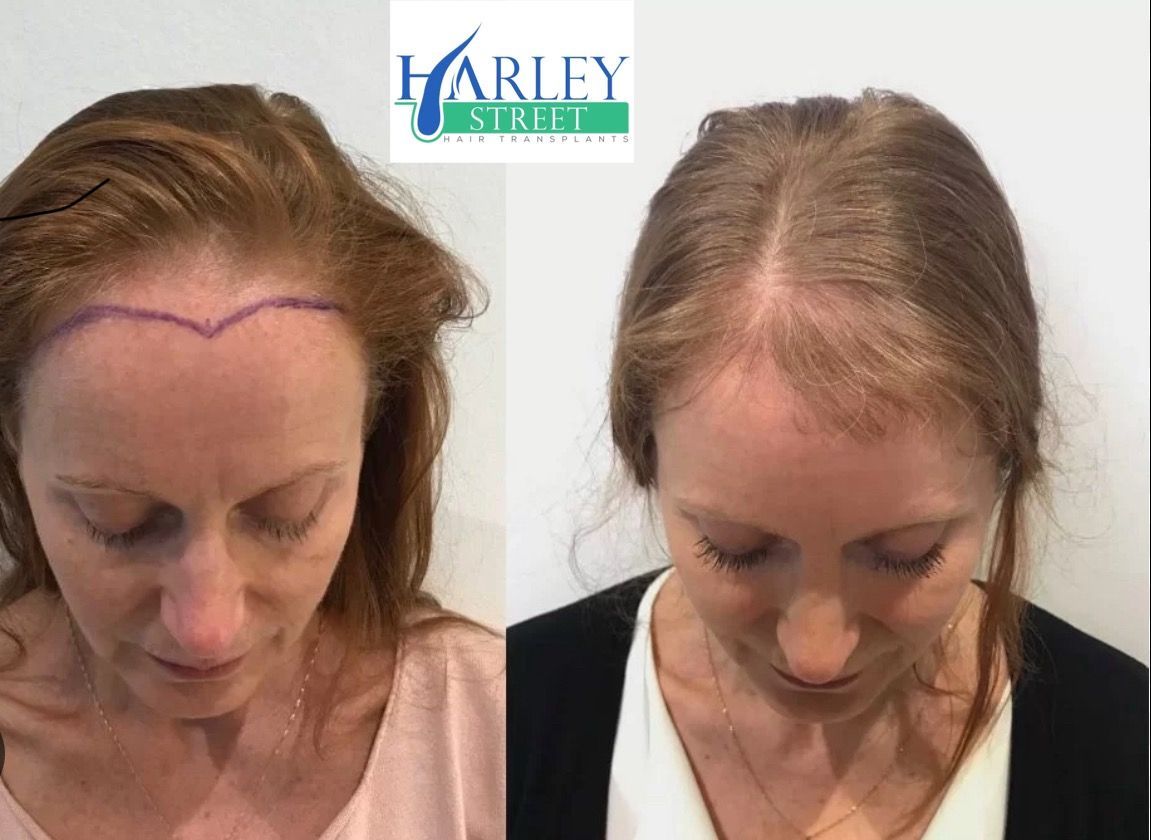
The Recipient Area Explained
Dr Harpreet Kalra ·
Dr Harpreet Kalra ·

Dr Harpreet Kalra ·

Dr Harpreet Kalra ·
Updated: 11 October 2026

Dr Harpreet Kalra ·
Updated: 11 October 2026



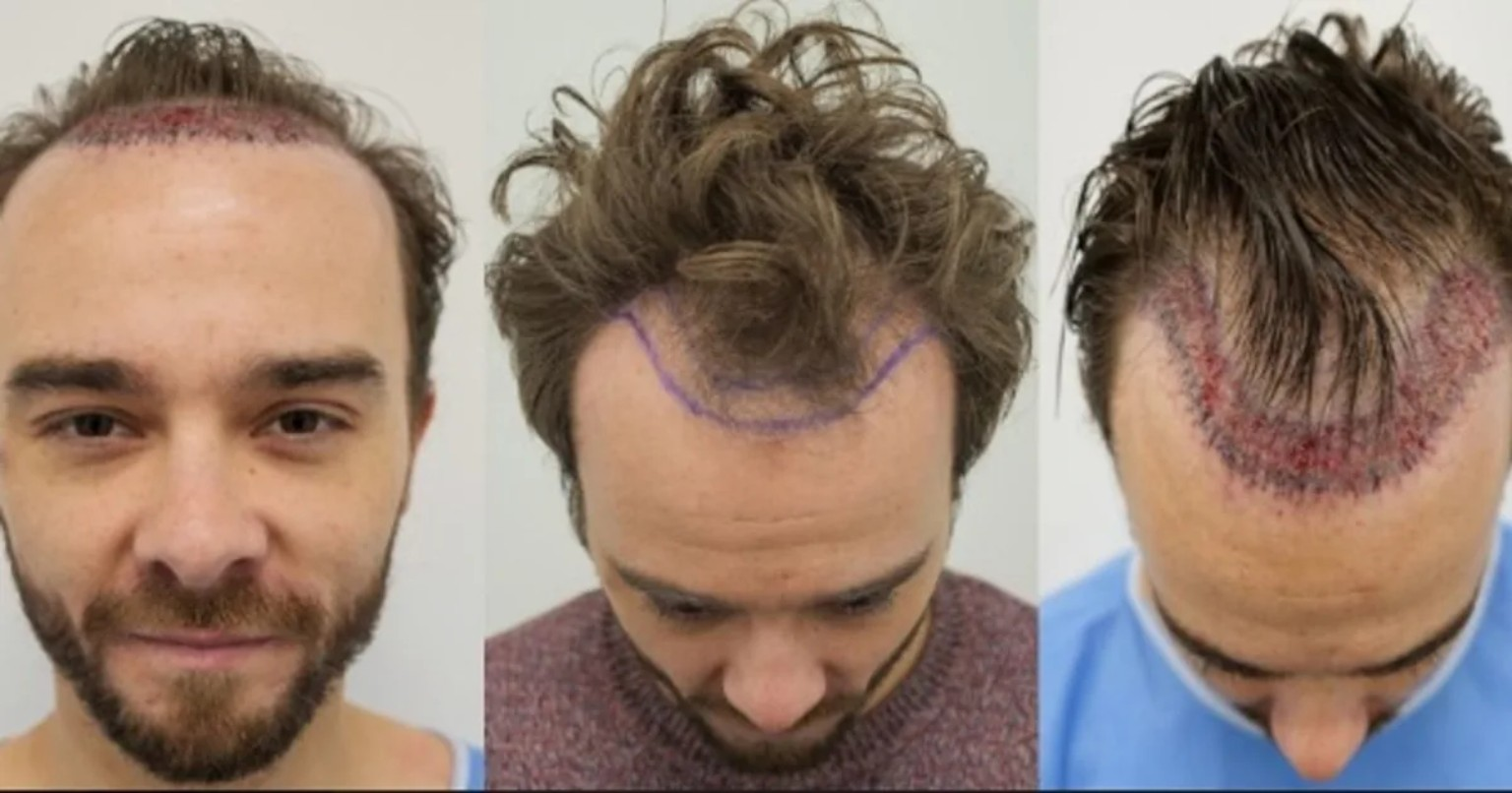
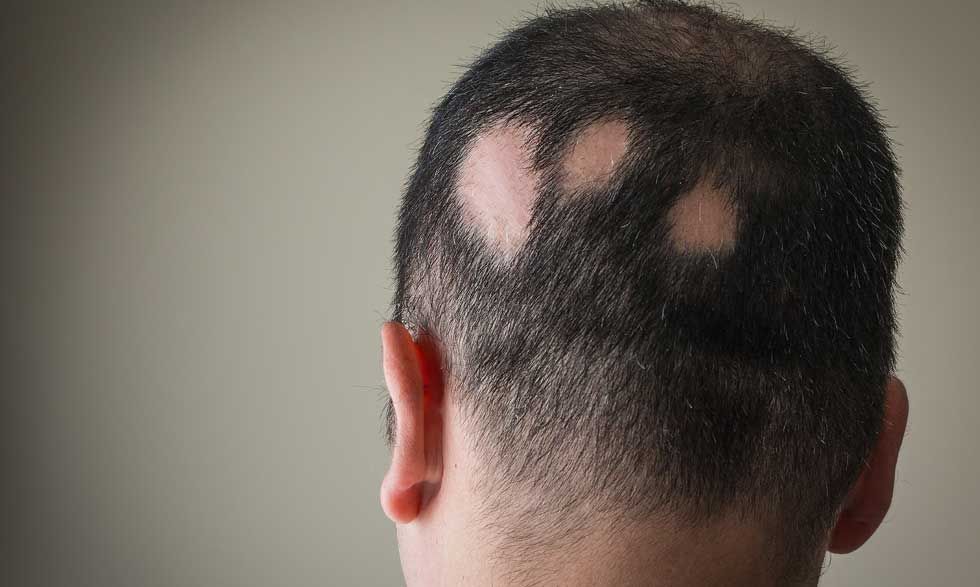
Alopecia means hair loss. Different forms affect follicles in different ways and need different treatment.
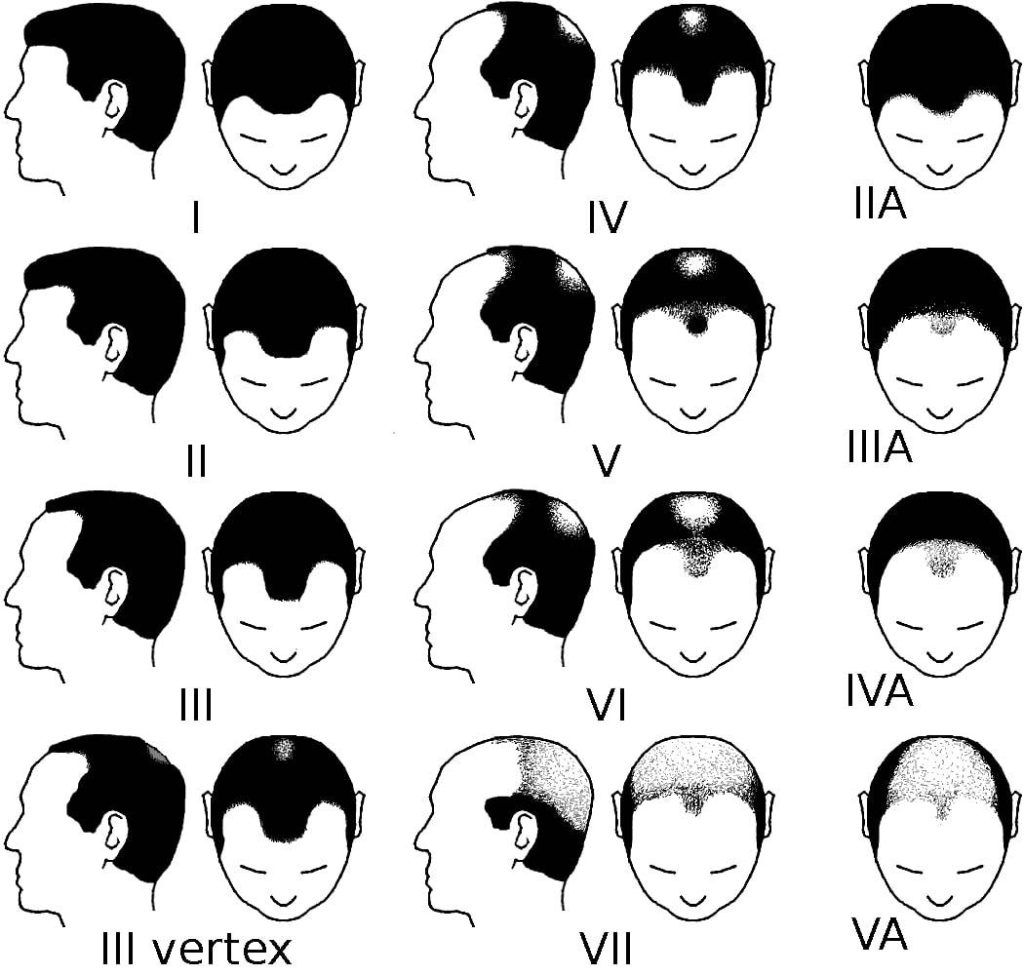
The scale describes common patterns of male hair loss. It cannot predict your exact future or graft requirement.
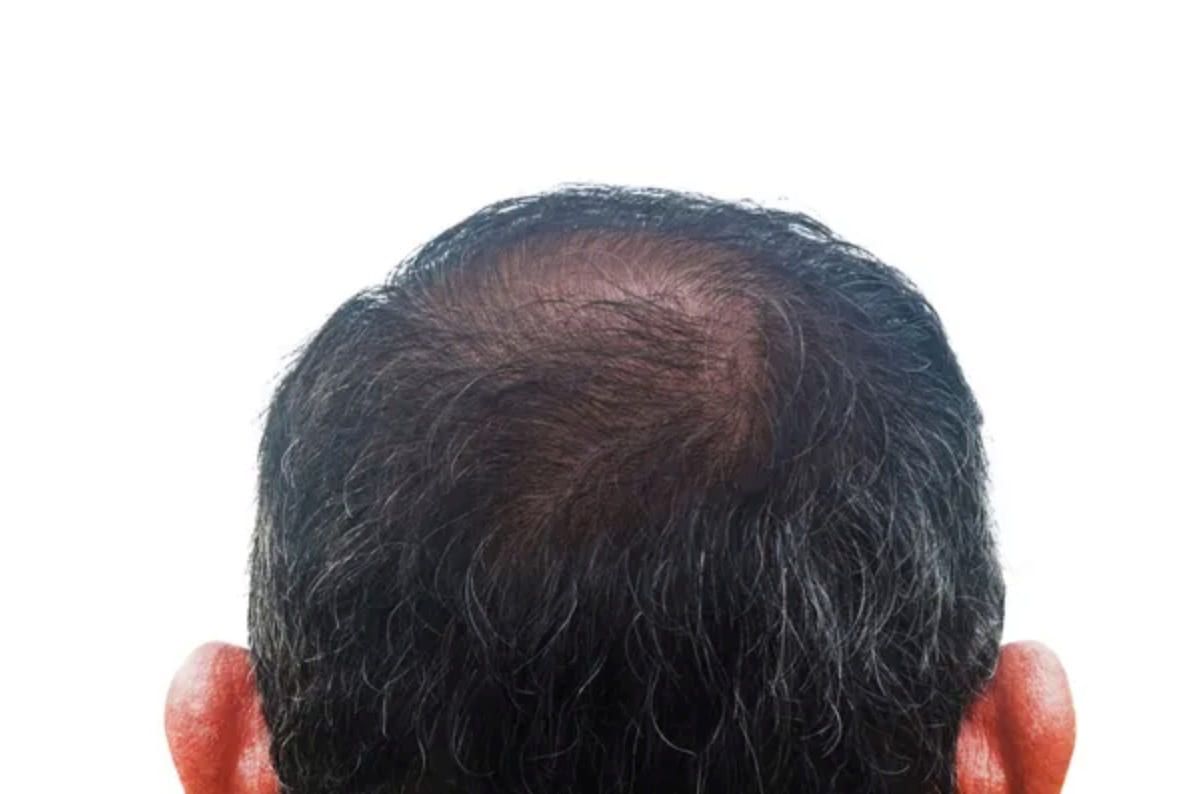
Understanding the delay helps you describe the change and know when to seek an assessment.
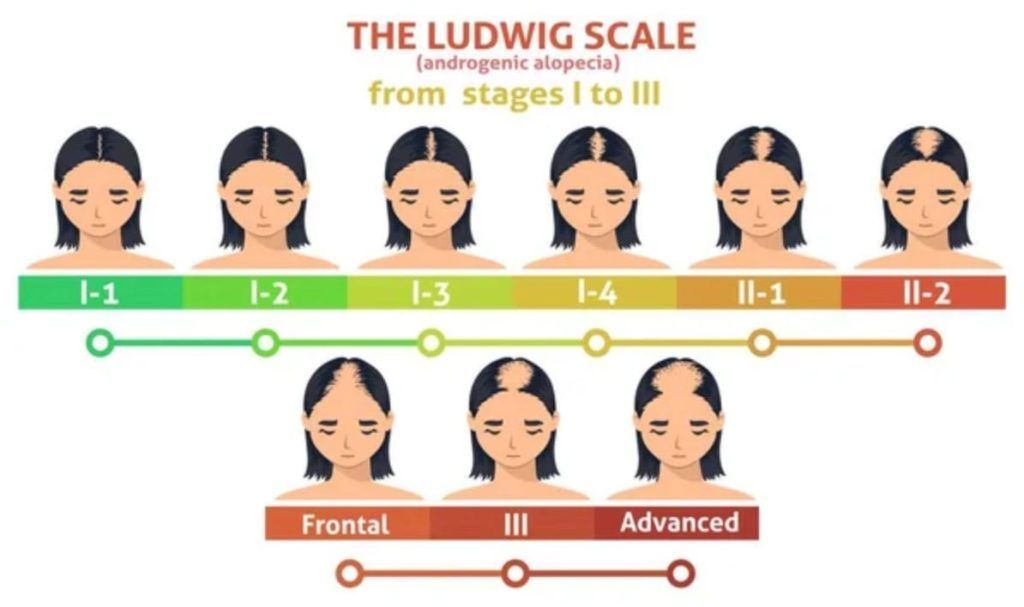
The three grades describe visible thinning over the top of the scalp. They do not establish the cause on their own.
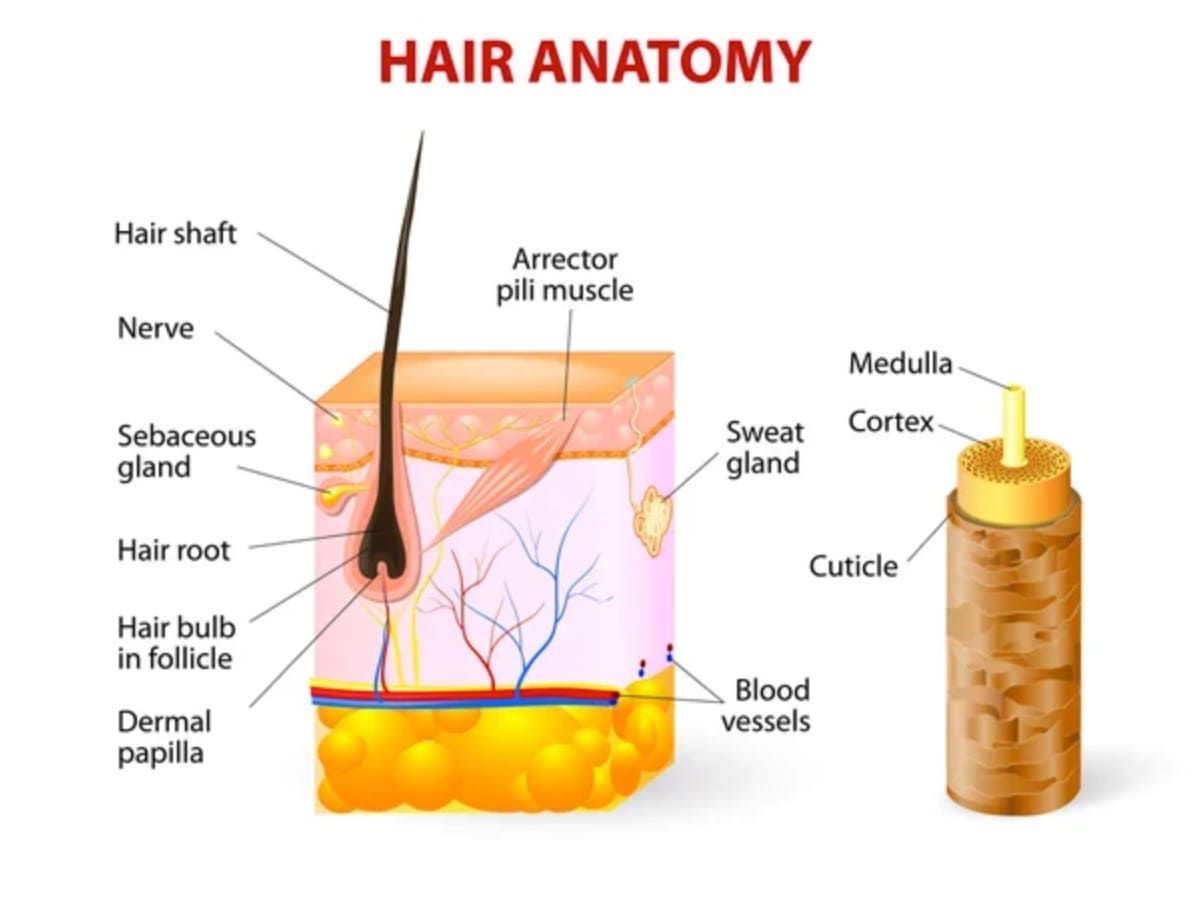
Conditioning a hair shaft and treating a hair-loss condition act on different parts of the problem.

Follicles move through growth, transition and rest. They do not all follow the same timetable.

Small studies have reported benefits, but oral supplements and topical oils are not interchangeable treatments.
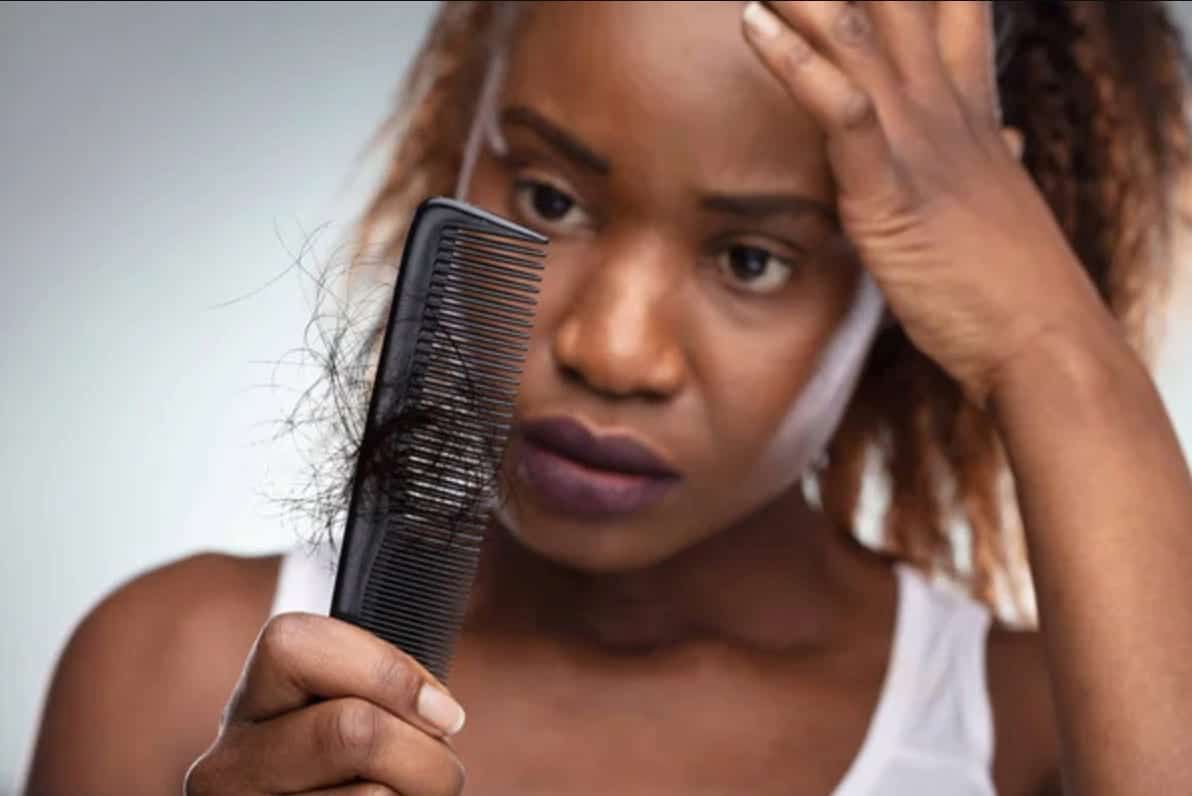
Breakage, traction and scalp disease need different care. Persistent crown thinning or scalp symptoms should be assessed.
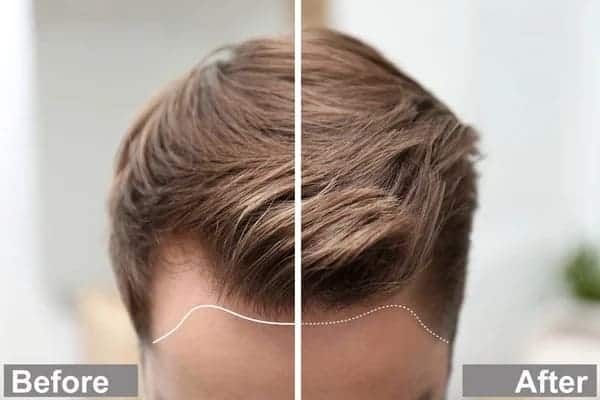
The shape in one photograph is less useful than the pattern, density and progression over time.

The likelihood of loss, scalp-cooling options and regrowth depend on the cancer treatment and your circumstances.

Hair loss is a reported adverse effect, but a change during treatment does not establish the cause. Do not stop suddenly.
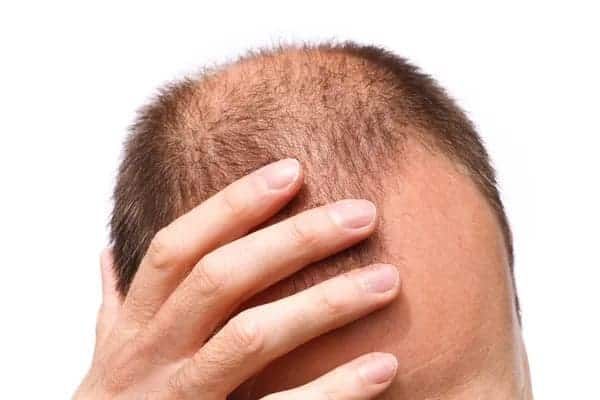
Pattern loss affects both men and women. The different patterns do not make women’s hair loss trivial or automatically reversible.
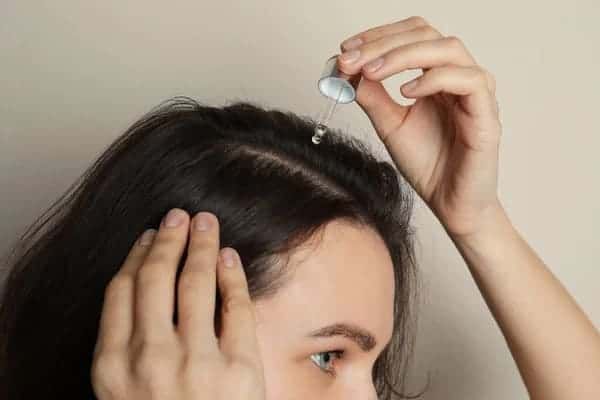
Laboratory findings and small clinical studies do not establish a standard scalp-treatment regimen.
A trial in 2025 measured hair outcomes directly and found no significant difference. Its duration and the people studied still need to be considered.

A change in your hair can affect how you feel about your appearance, but treatment is a personal choice.
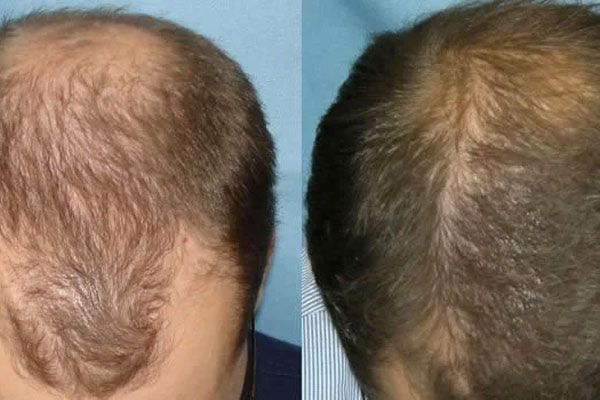
Increased shedding after childbirth is often temporary, but persistent loss or scalp symptoms should be checked.
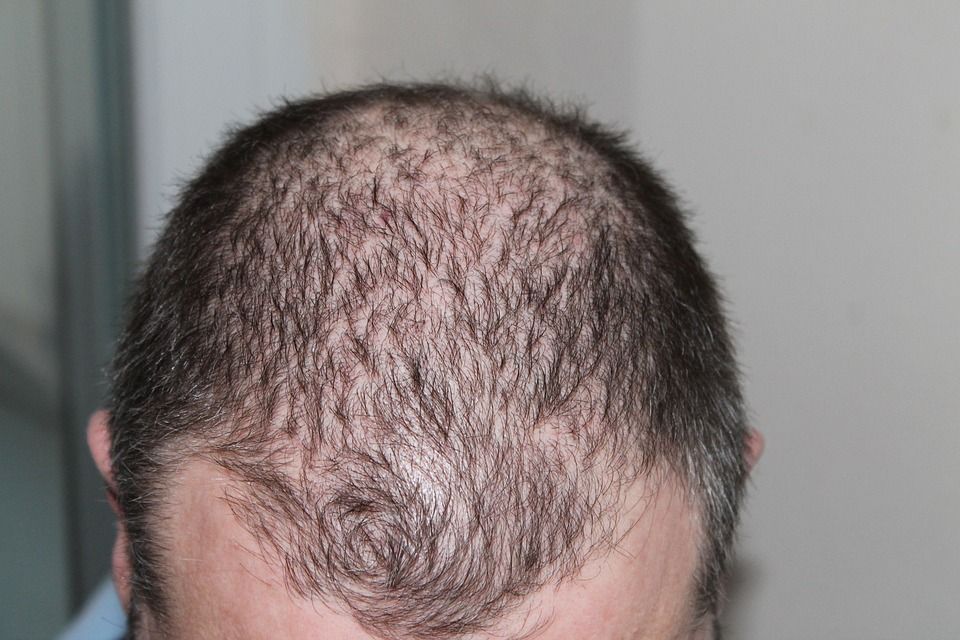
Receding temples are one pattern of hair loss. Sudden shedding and scalp symptoms need a different assessment.
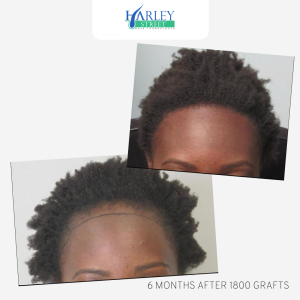
You can seek advice about the hair changes and their effect on daily life without committing to treatment.

A professional association can be one part of your research. It does not replace checking the doctor and clinic.

Cosmetic hair transplantation is privately funded. NHS assessment may still help identify a medical cause of hair loss.
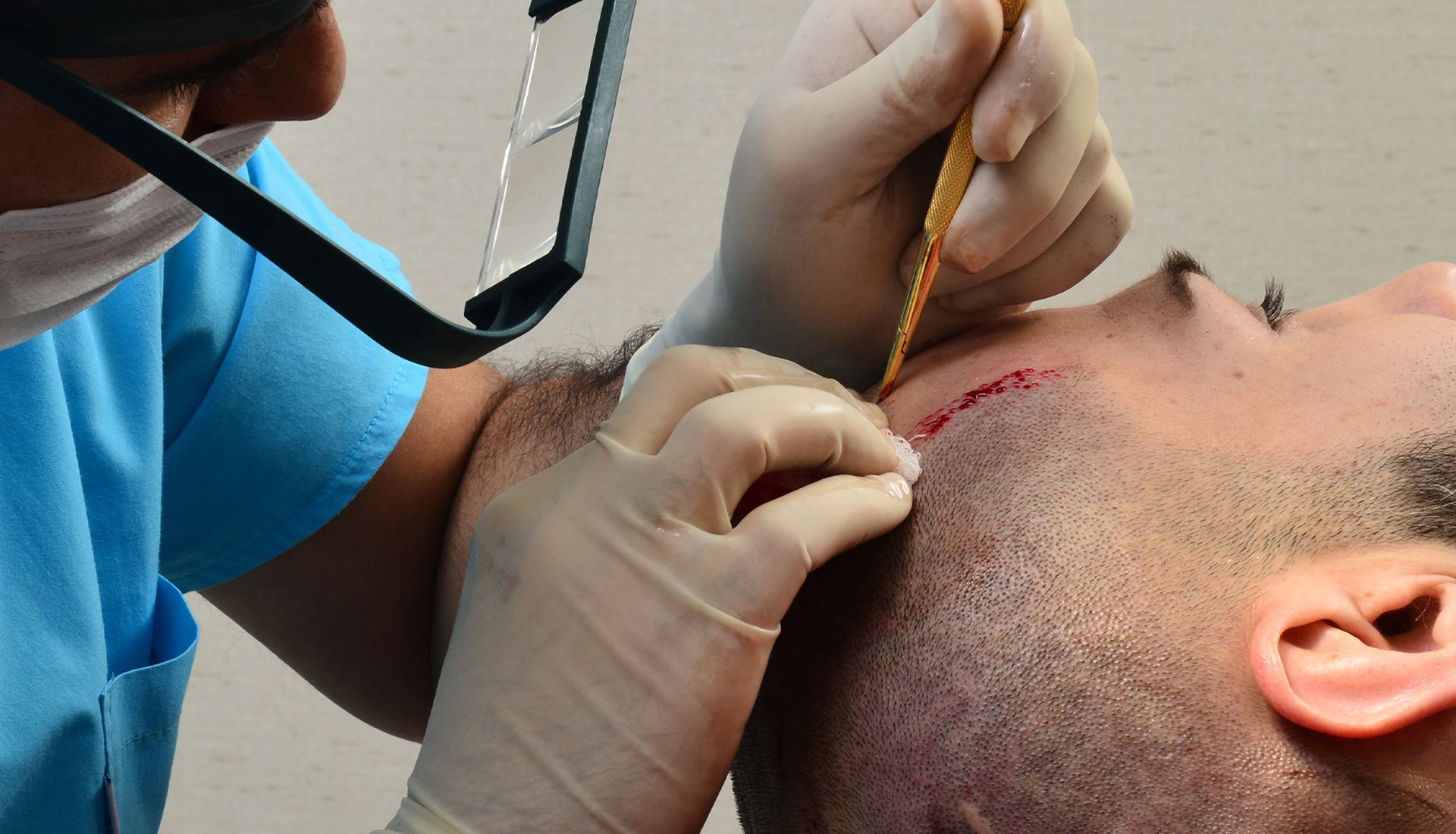
The procedure name is only one part of a plan that must account for donor hair, future loss and recovery.

Look at the named surgeon, treatment location, written plan and aftercare before comparing package prices.

Checks that help you understand who will treat you, what is proposed and how follow-up will work.
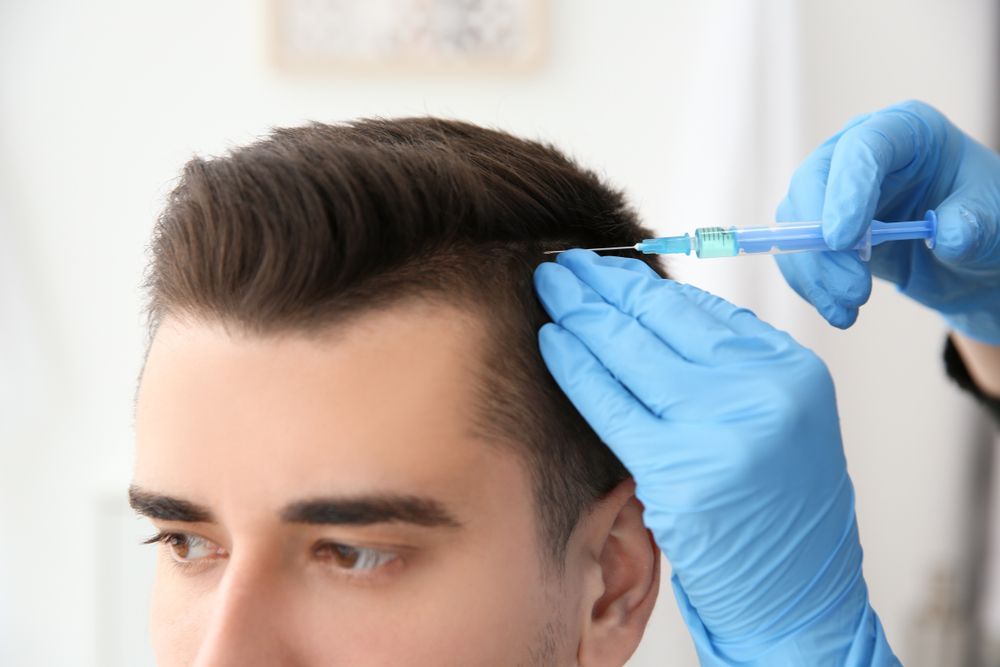
Find out what is causing the thinning before spending money on oils, devices or a supplement subscription.
Before reshaping or filling a new gap, consider whether the loss needs an assessment.
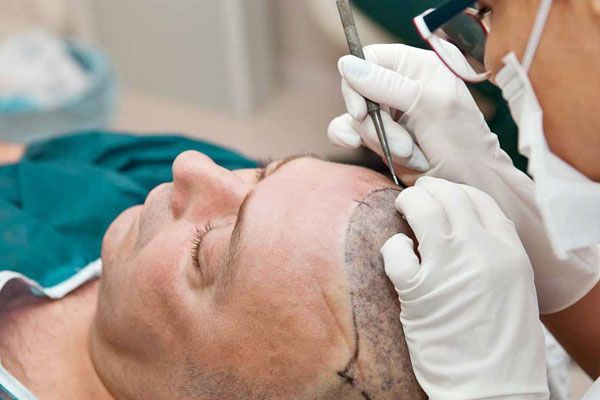
What surgery moves, how the methods differ and what to understand before consenting.
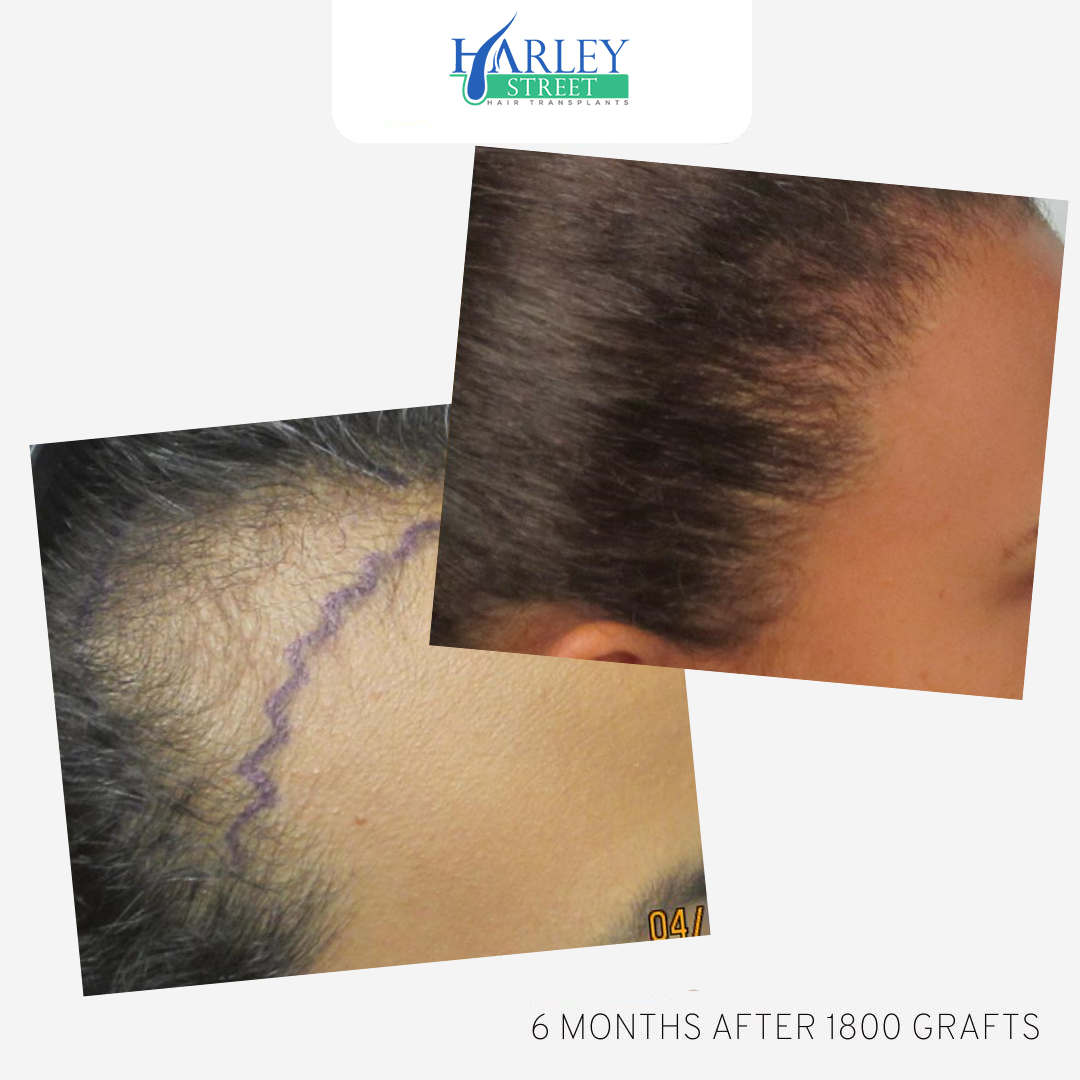
Medication, surgery and camouflage do different jobs. A diagnosis makes the comparison useful.
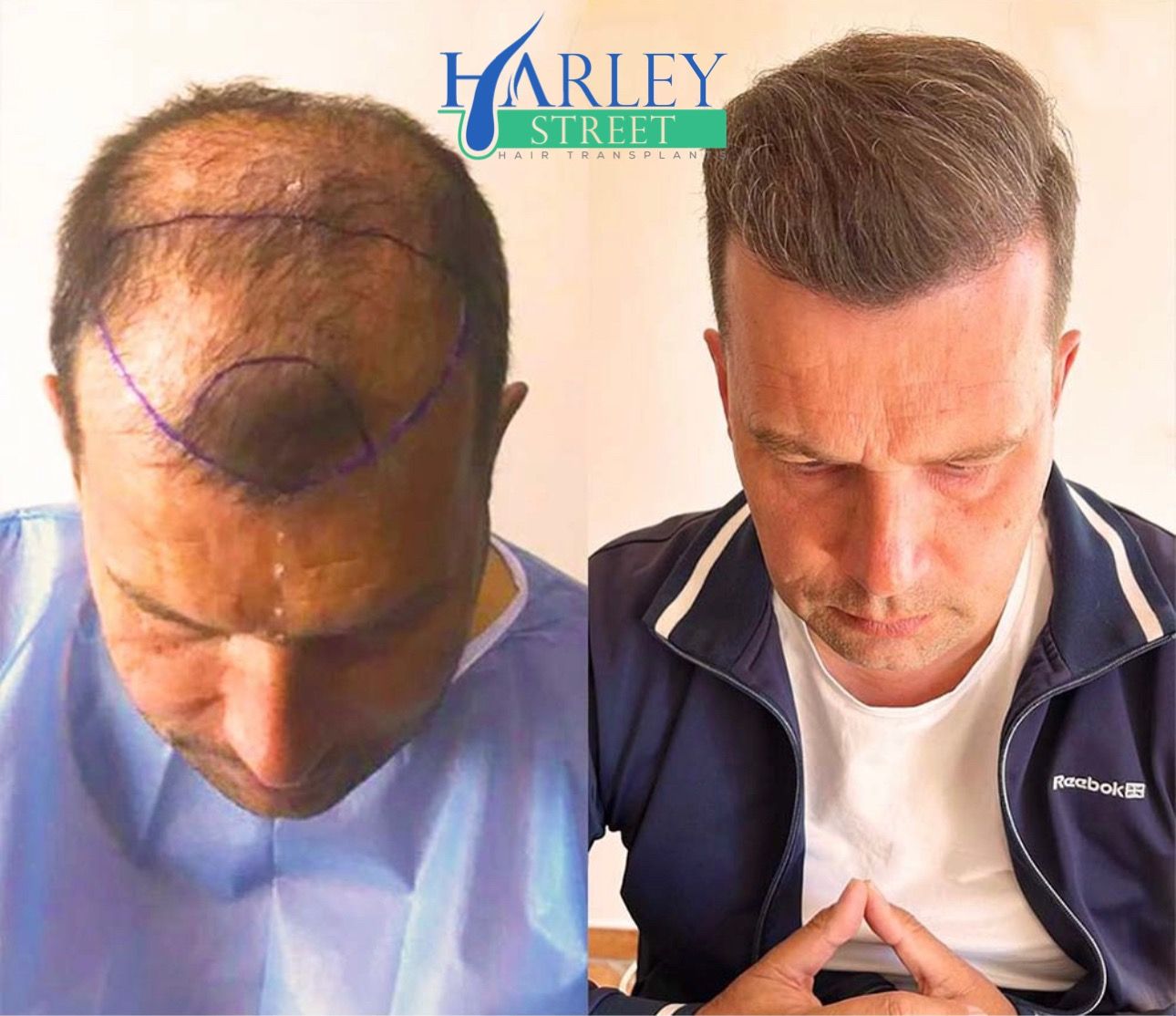
What to discuss with the clinic, how to prepare and which recovery questions need personal advice.
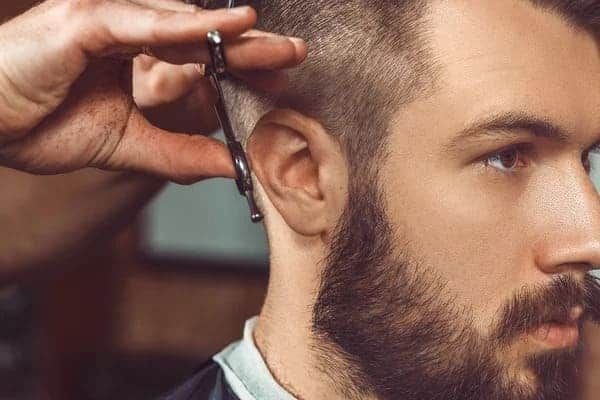
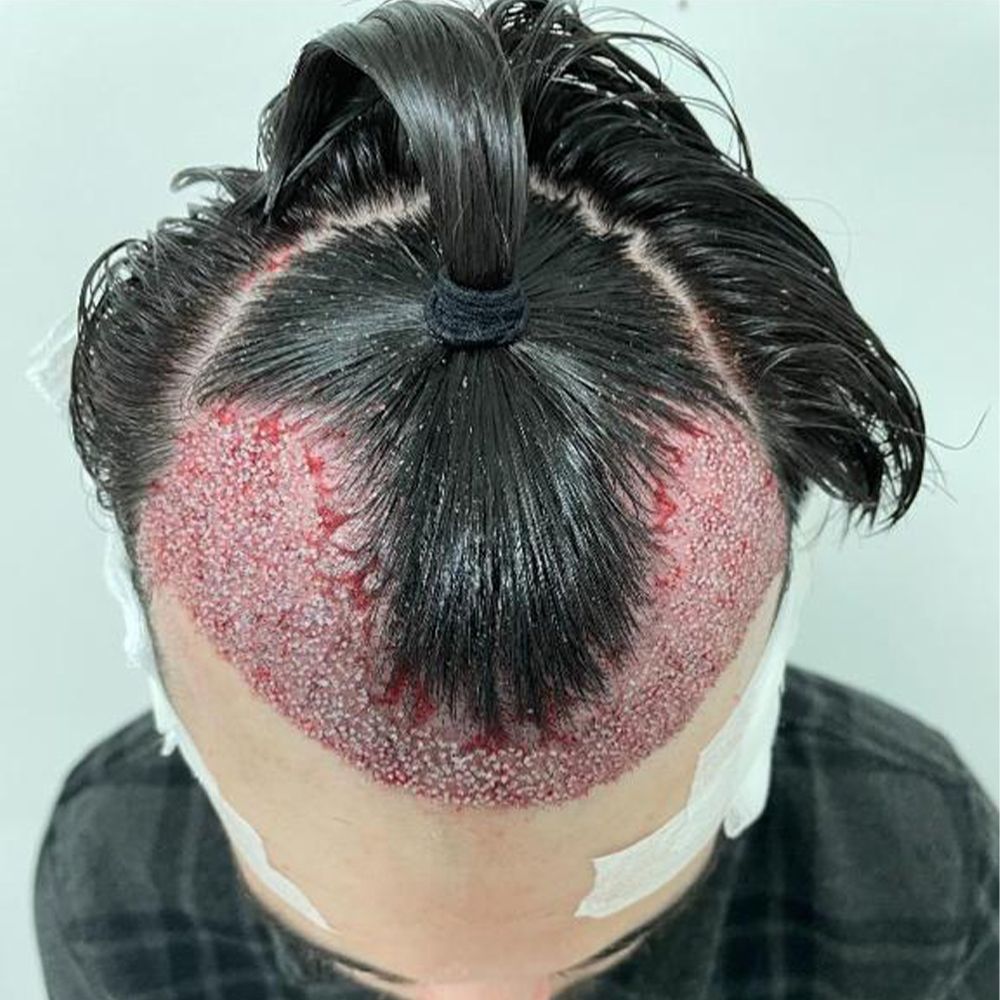
Ask separately about scissors, clippers, the donor area and the recipient area. One fixed date does not suit every recovery.

If close-up images of clustered openings distress you, discuss that before surgery and agree how information will be shown.

A gentler routine can help the hair shaft. Persistent thinning or an inflamed scalp needs a separate assessment.
A consultation and a graft estimate are not confirmation that surgery has taken place.

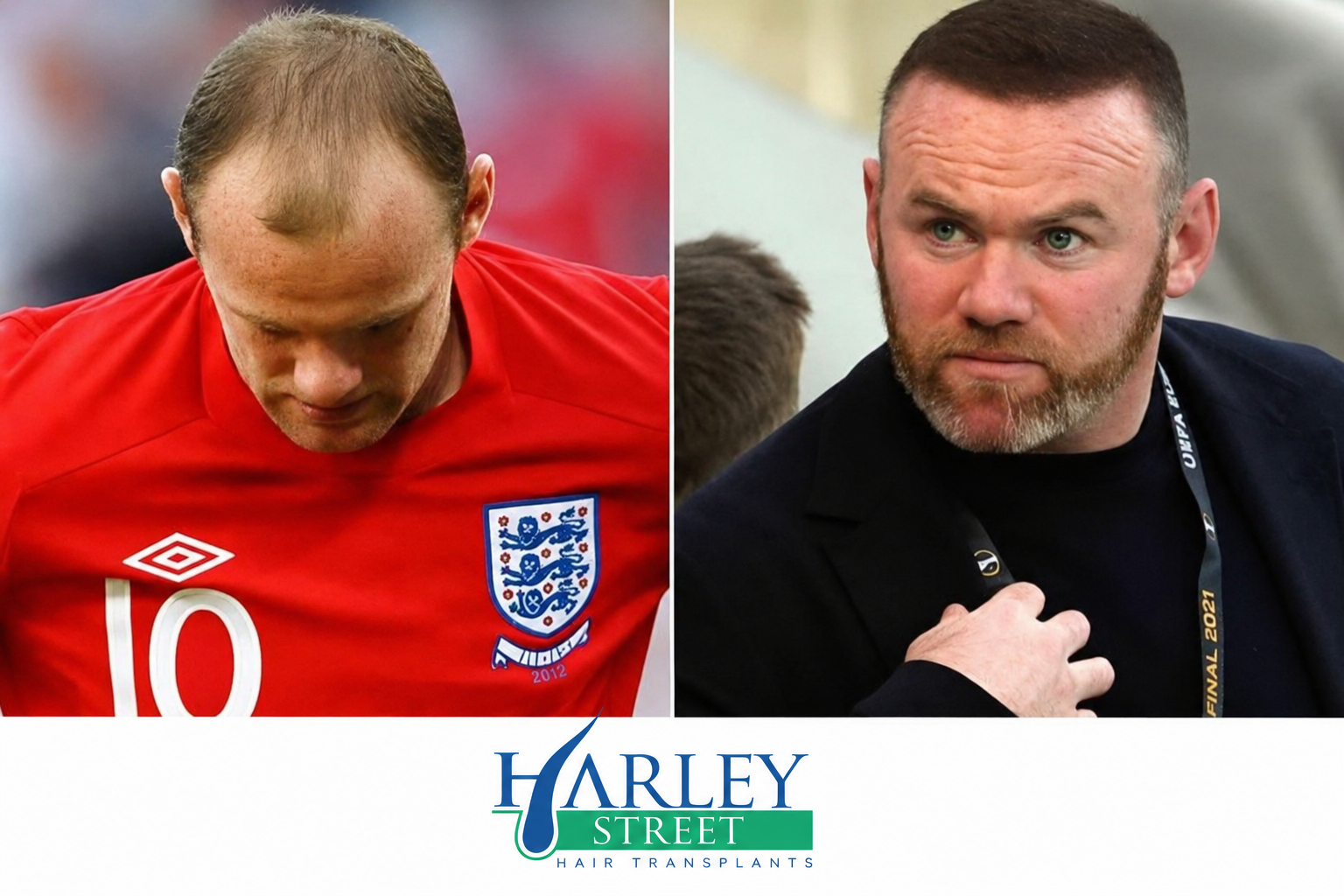
A change in hairstyle can prompt speculation, but it cannot establish a private medical history.

A visible change does not establish a procedure, a surgeon, a price or a medical history.
Arrange a consultation to talk through your hair loss, donor area and possible treatments. You can also ask what recovery involves and how much treatment is likely to cost.