
Hair Transplant Leeds Clinic
Techniques: FUE, FUT, DHI
Approach: GMC & ISHRS Surgeon-Performed
Cost: £3,000 – £6,000
Finance Available
Our Certifications:


Harley Street Consultations in Leeds
Patients in Leeds and across West Yorkshire can discuss thinning, recession, crown loss and other hair-restoration concerns before deciding whether surgery is appropriate.
Your assessment should consider the cause and pattern of hair loss, likely future progression, scalp health, medical history, hair characteristics and the strength of your donor area.
Donor hair is finite. A responsible treatment plan should therefore consider the area being restored now as well as the possibility that surrounding native hair may continue to thin in future.
Where surgery is suitable, FUE, DHI or FUT may be discussed alongside restoration of the hairline, crown, beard, eyebrows and selected specialist cases.
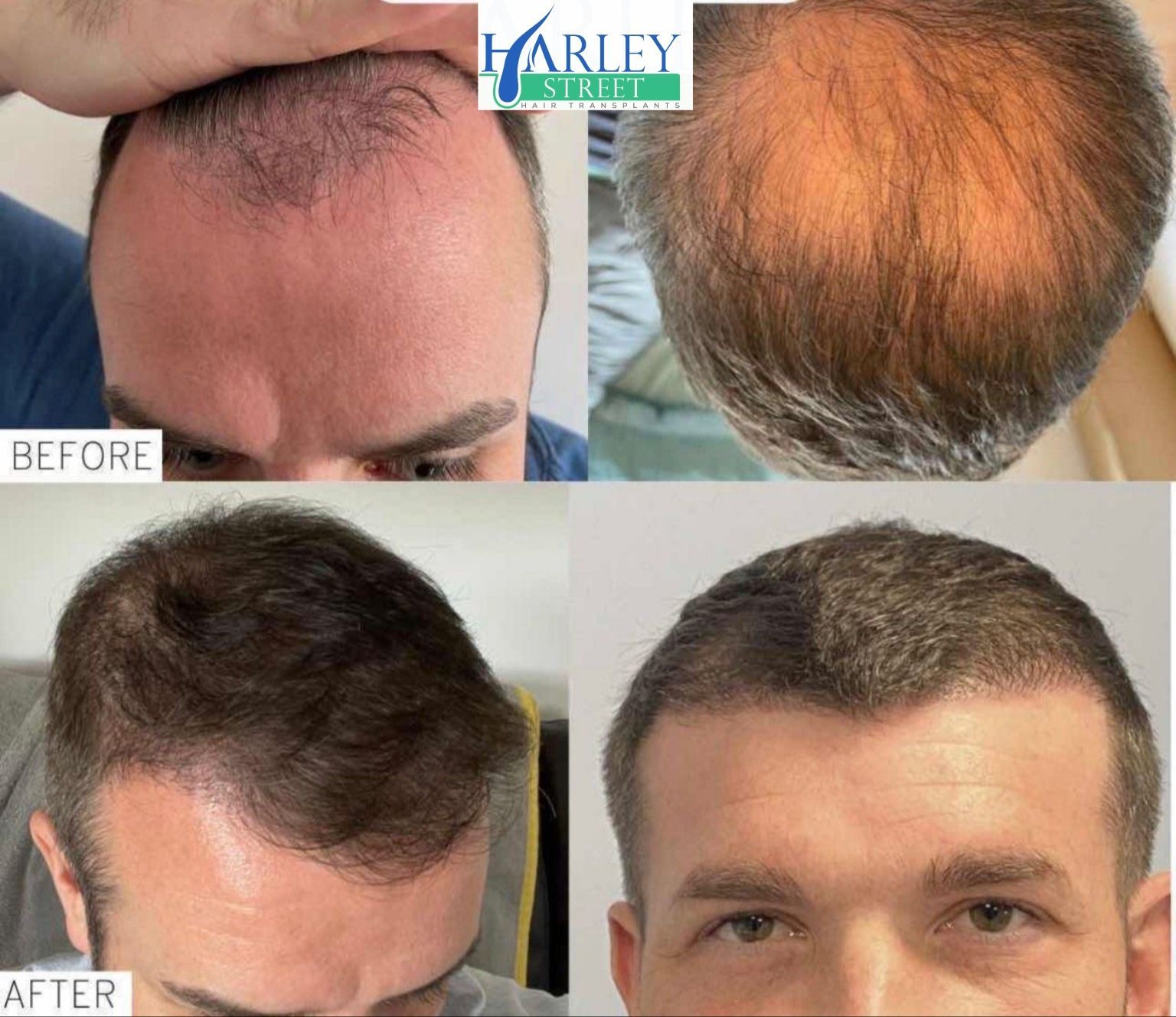
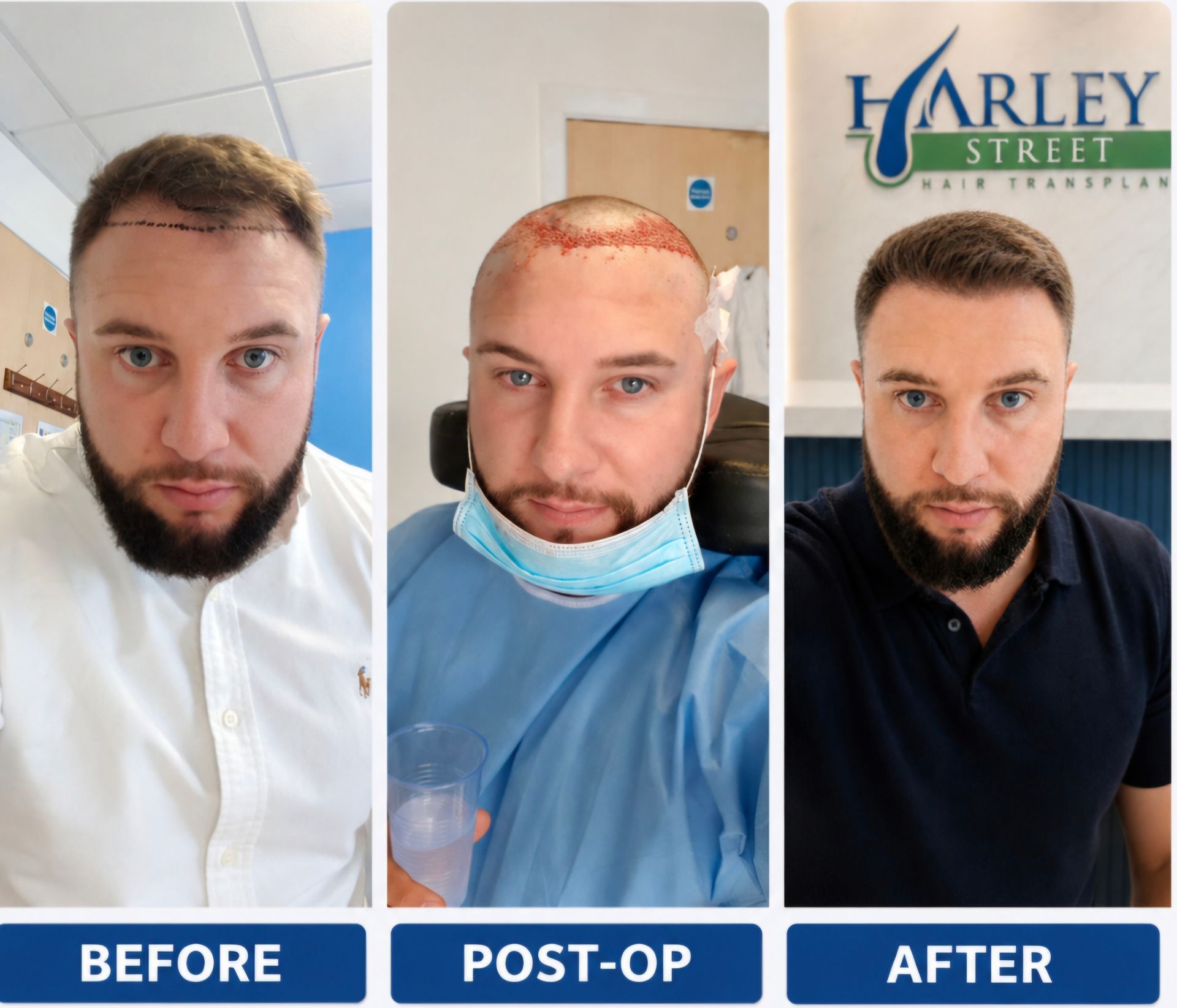
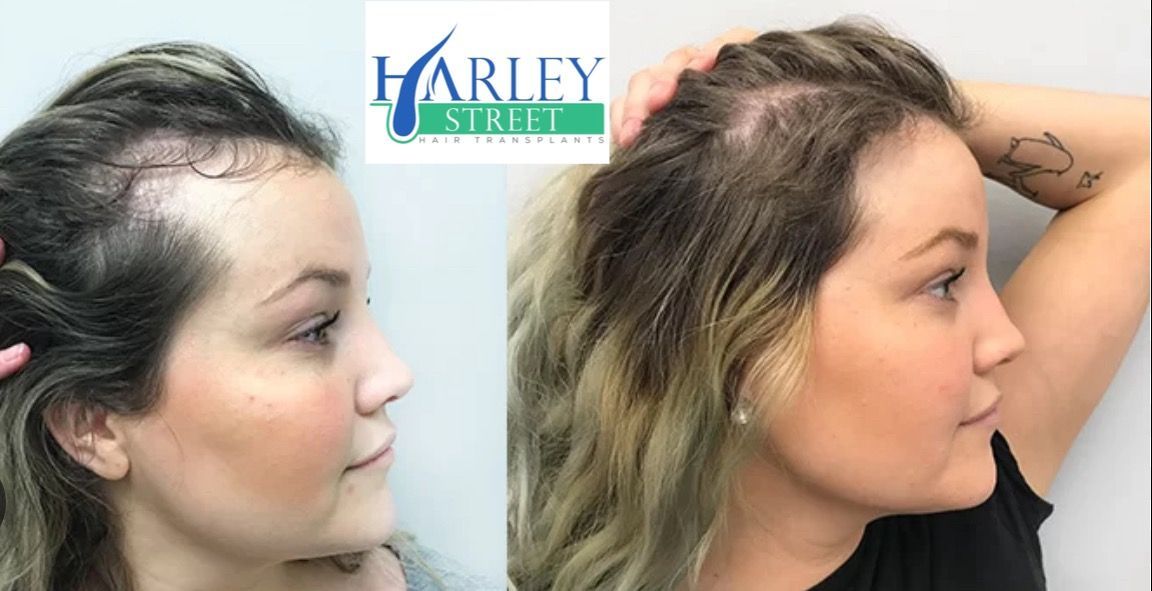
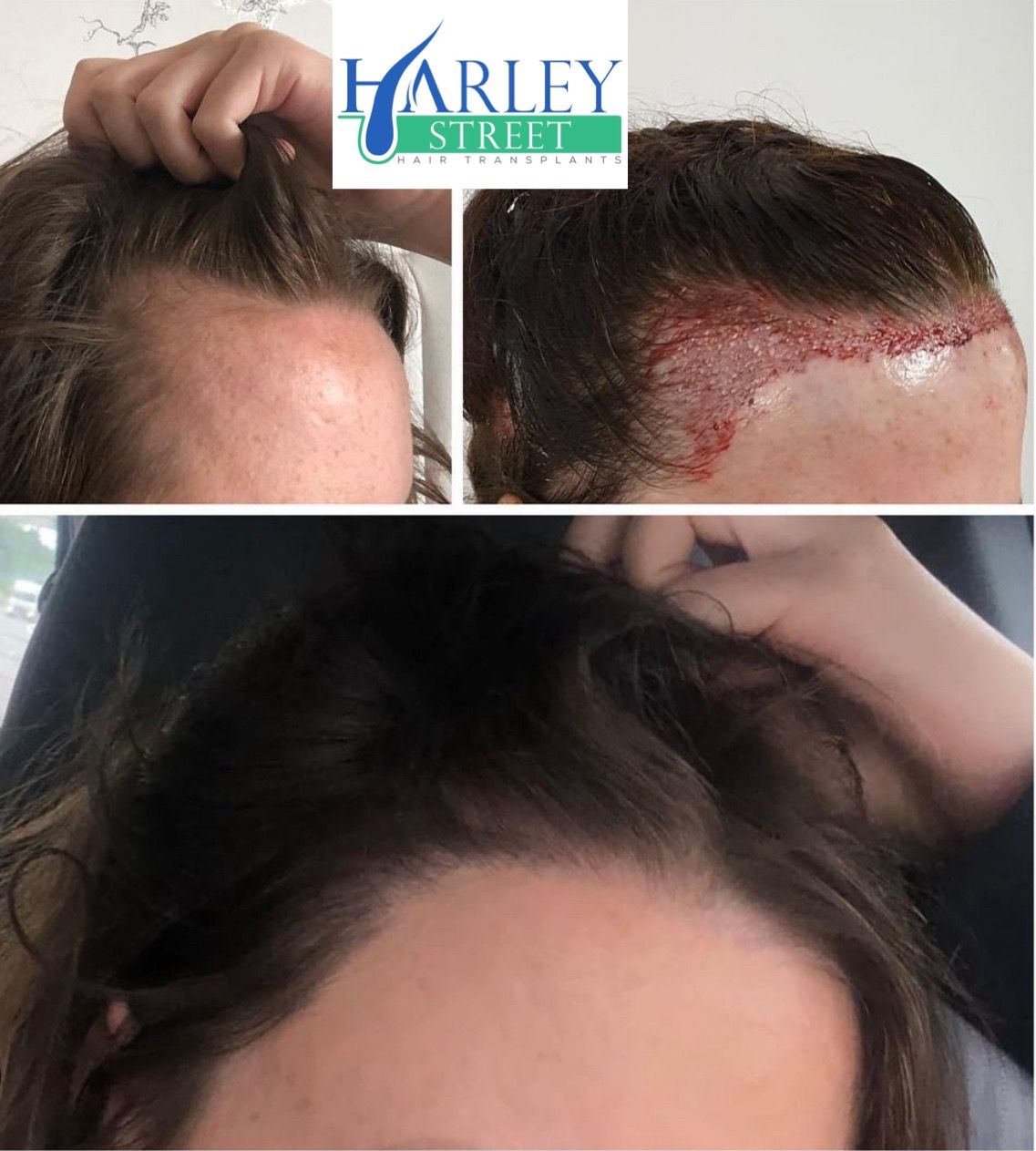
Hair Transplant Before & After Results
A selection of Harley Street Hair Transplants patient results at different stages of postoperative growth.
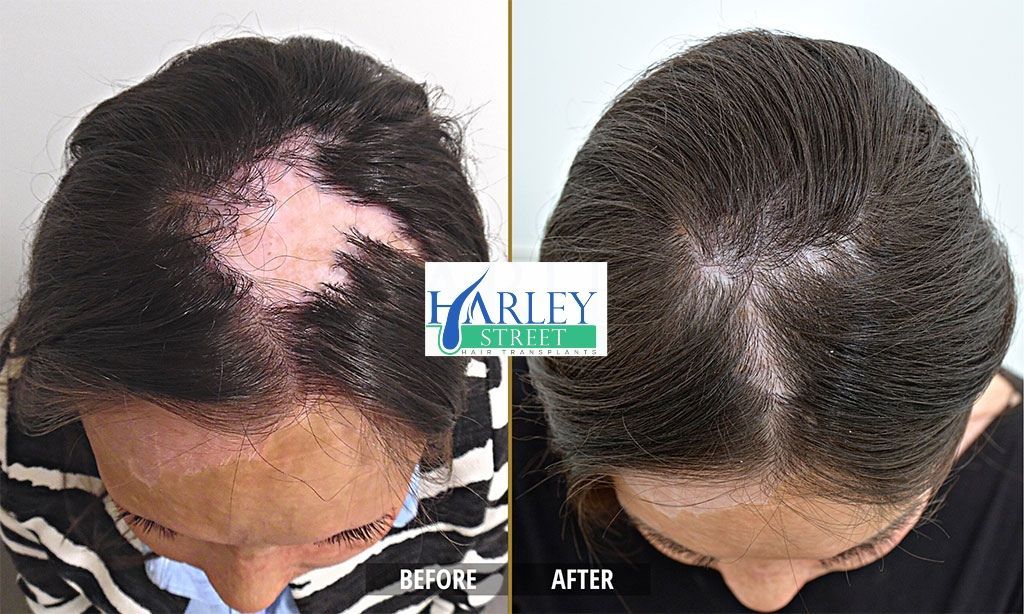
Helen
Danny
Dean
Kelly
Sally
Leeds Hair Transplant Location
Our Leeds location is at Wellington Place in Leeds city centre, providing a convenient consultation location for patients from Leeds, West Yorkshire and surrounding areas.
Harley Street Hair Transplants – Leeds
2 Wellington Place
Leeds
LS1 4AP
Serving Leeds & West Yorkshire
Patients travel from areas including Headingley, Chapel Allerton, Roundhay, Horsforth, Morley, Garforth, Pudsey and Alwoodley, as well as Bradford, Harrogate, York, Huddersfield and Wakefield.
Hair Transplant Treatments in Leeds
Treatment should be selected according to donor quality, hair-loss pattern, treatment area, graft requirements, hair characteristics and long-term planning.
FUE Hair Transplant
Follicular units are removed individually from the donor area through small circular extraction sites before transplantation. FUE avoids a linear strip scar, although small extraction scars remain.
DHI Hair Transplant
DHI primarily describes an implantation approach using an implanter device. Whether it is appropriate depends on recipient-area design, graft requirements and the overall treatment plan.
FUT Hair Transplant
FUT removes a strip of donor scalp which is divided into individual follicular-unit grafts. It can be considered in selected cases and leaves a linear donor scar.
Hairline Restoration
Hairline design should take account of facial proportions, age, existing hair, natural growth direction, donor supply and possible future recession.
Crown Restoration
Crown treatment requires careful recreation of the natural whorl while balancing coverage against the amount of donor hair available for possible future treatment.
Beard Transplant
Beard restoration requires precise control of graft direction and angle when increasing coverage through the beard, cheeks or moustache.
Eyebrow Transplant
Eyebrow restoration requires carefully selected donor hairs positioned at shallow angles to reproduce natural eyebrow growth direction.
Female Hair Restoration
Selected women may be suitable for restoration of the frontal hairline, temples or defined areas of thinning after the cause and pattern of hair loss have been assessed.
Afro Hair Transplant
Afro-textured hair requires careful assessment of curl pattern, donor characteristics and follicle direction during extraction and implantation planning.
Gender-Affirming Hair Restoration
Treatment may involve hairline reshaping, temple restoration or other personalised changes according to the patient's goals, hair-loss pattern and donor supply.
PRP Hair Treatment
PRP may be discussed as a non-surgical option for selected thinning concerns where active follicles remain.
What Should Be Assessed?
- Cause and pattern of hair loss
- Likely future progression
- Donor density and safe graft supply
- Hair calibre, texture and characteristics
- Medical history and scalp health
- Realistic coverage and density expectations
When Surgery May Not Be the First Step
- The cause of hair loss remains unclear
- Hair loss is rapidly progressing
- The donor area is weak or diffusely thinning
- An active scalp condition requires assessment
- The requested coverage exceeds safe donor supply
- A non-surgical approach may be more appropriate first
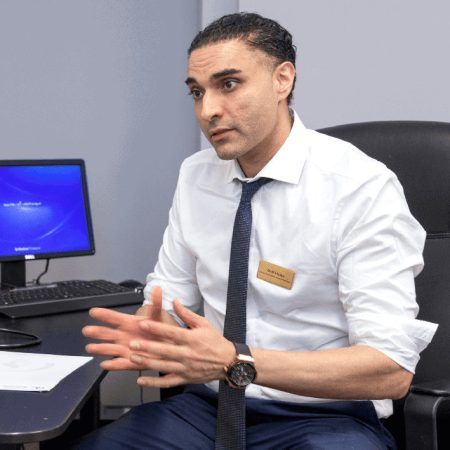
Surgeon-Led Hair Transplant Planning
Hair restoration should begin with assessment of suitability, donor supply and realistic long-term goals rather than simply choosing the largest possible procedure.
Planning should consider donor density, hair calibre and texture, scalp health, medical history, recipient-area design, future hair-loss progression and the amount of coverage that can responsibly be achieved.
Dr Harpreet Kalra · GMC 7126076
Hair Transplant Cost
Hair transplant treatment is generally priced between £3,000 and £6,000. Your quotation depends on the recipient area, estimated graft requirement, donor characteristics, technique and treatment complexity.
More information is available on our hair transplant cost page.
Finance Available
Finance options may be available for eligible patients. The proposed treatment, total cost and any applicable payment terms should be clear before treatment is booked.
From Consultation to Recovery
Initial enquiry
Discuss your hair-loss concerns, previous treatment and the area you would like restored.
Suitability assessment
Your donor area, scalp health, medical history, hair-loss pattern and expectations should be reviewed.
Treatment planning
If surgery is suitable, the proposed technique, recipient area, estimated graft requirement, expected limitations and recovery can be discussed.
Aftercare & growth
Recovery involves protecting the grafts, washing correctly, donor-area healing and understanding postoperative shedding. The aftercare guide and growth timeline explain the recovery process in more detail.
What Our Patients Say
“Excellent overall service.”
Paul Bassoo · Google Review
“Very satisfied with my results.”
Enzo · Google Review
“Great experience.”
Subhan Buzdar · Google Review
“I felt listened to.”
Muhammad Mohsin Saddique · Google Review
“A very professional service.”
Ummad Rehman · Google Review
“Staff were friendly.”
Muhammad Saleem Popalzai · Google Review
Hair Transplant Leeds FAQs
Where is the Leeds location?
The Leeds consultation location is at 2 Wellington Place, Leeds LS1 4AP.
What is the Leeds telephone number?
The Leeds telephone number is 0113 436 0023.
How much does a hair transplant cost in Leeds?
Hair transplant treatment is generally priced between £3,000 and £6,000. Individual cost depends on treatment area, graft requirements, donor characteristics, technique and case complexity.
Is finance available?
Finance may be available for eligible patients. The total treatment cost and any applicable payment terms should be clear before treatment is booked.
Which treatments can be discussed?
Depending on suitability, options may include FUE, DHI, FUT, PRP, hairline restoration, crown restoration, beard transplantation, eyebrow transplantation and selected specialist restoration.
How many grafts will I need?
Graft requirements depend on recipient-area size, existing native hair, donor density, hair calibre and texture, treatment goals and the amount of donor hair that can be used responsibly.
Is FUE or DHI better?
Neither is automatically better for every patient. The overall treatment plan depends on donor supply, recipient-area design, graft requirements and long-term hair-loss considerations.
Does FUE leave scars?
FUE avoids the linear donor scar associated with FUT, but each extraction site heals with a small scar. Visibility varies between patients and depends on factors including extraction pattern, healing and hair length.
Can transplanted hair shed after surgery?
Yes. Some transplanted hair shafts can shed during the weeks following surgery while the transplanted follicular units remain beneath the skin and later return to active growth.
When does transplanted hair start growing?
Early visible growth generally develops gradually over the first several months, followed by continuing changes in length, calibre and density as the transplant matures.
Does a hair transplant stop future hair loss?
No. A transplant relocates selected donor follicles, but surrounding native hair may continue to thin. Long-term planning should therefore consider possible future progression.
Can women have a hair transplant consultation in Leeds?
Yes. Selected women may be suitable for transplantation, although the cause and pattern of hair loss and the donor area should be assessed before surgery is recommended.
Which areas around Leeds do you serve?
Patients travel from across Leeds and West Yorkshire, including Headingley, Chapel Allerton, Roundhay, Horsforth, Morley, Garforth, Pudsey, Alwoodley, Bradford, Harrogate, Huddersfield and Wakefield.
Who is Dr Harpreet Kalra?
Dr Harpreet Kalra is featured by Harley Street Hair Transplants for surgeon-led hair-restoration planning. His GMC reference is 7126076.