Thinning eyebrows: care, camouflage and treatment choices
Before reshaping or filling a new gap, consider whether the loss needs an assessment.

On this page
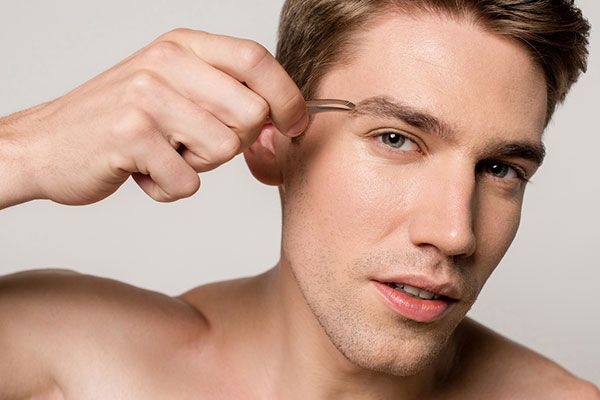
For sparse eyebrows, gentle grooming and cosmetic filling can help with appearance. A new gap, persistent thinning or skin changes should first be assessed, especially if you are also losing scalp hair. Repeatedly plucking around a thinning area can make the cause harder to recognise.
Keep grooming simple
If you are unsure of the shape, pause before removing more hairs. Use a clean spoolie to see the natural direction and identify the hairs you actually want to tidy. Avoid repeatedly trying to make both brows identical by taking a little more from each side.
A pencil or powder can fill an area temporarily without removing hair. Choose products intended for the eyebrow area and stop if they cause irritation. Do not apply scalp-growth products close to the eyes without specific clinical advice.
When eyebrow loss needs a medical explanation
Over-plucking is one possibility, but it is not the only one. Alopecia areata can affect eyebrows, and some inflammatory or scarring conditions affect the eyebrows and scalp hairline. Skin symptoms and the wider pattern help guide the assessment.
The British Association of Dermatologists' frontal fibrosing alopecia leaflet describes a scarring condition that can involve eyebrow loss. Its alopecia areata information explains a different cause. Neither can be diagnosed simply from the fact that the outer brow looks thinner.
Tell the clinician when the change started, whether it is progressing and which treatments or cosmetics you use. Photographs before the change can help. Mention itching, soreness, scaling or loss elsewhere.
What an eyebrow transplant can involve
An eyebrow transplant places selected donor hairs into a planned brow shape. Angle and direction are particularly noticeable because the hairs lie close to the skin. Donor hair needs to be chosen with texture and future grooming in mind.
The ISHRS explanation of eyebrow restoration describes donor selection and placement. Scalp hairs used in a brow can need ongoing trimming. A consultation should make that maintenance clear before surgery is considered.
Surgery does not treat every underlying cause. Active disease, inadequate donor hair or expectations that cannot be met may make it unsuitable. Risks include scarring, poor growth, asymmetry and hairs growing in an unwanted direction.
Think about the shape over time
Fashion changes more quickly than transplanted hair. Discuss a shape that you would be comfortable maintaining without relying on a temporary trend. Ask the surgeon to explain density, where individual hairs will be placed and what a realistic result looks like before styling.
Cosmetic tattooing and transplantation are different procedures. Pigment creates the appearance of a brow; transplantation moves hairs. Both need a discussion of the relevant risks, practitioner qualifications and long-term maintenance.
Questions and answers
Will eyebrows always regrow after over-plucking?
No. Regrowth depends on the extent of damage and whether another cause is present. Persistent gaps should be assessed.
Can I use my scalp minoxidil on my eyebrows?
Do not transfer a scalp product to the eyebrow area without clinical advice. The eyes and surrounding skin need particular care, and product instructions matter.
Will transplanted eyebrows need trimming?
They may, particularly when scalp donor hair is used. Discuss the expected grooming routine and limitations before deciding on surgery.