Hair transplant holes and trypophobia: planning for anxiety
If close-up images of clustered openings distress you, discuss that before surgery and agree how information will be shown.

On this page
If photographs of extraction sites make you feel anxious or disgusted, tell the clinic before deciding about a transplant. You do not need to force yourself through graphic images to ask useful questions. The consultation can begin with a verbal explanation and your preferences about what you see.
What people mean by trypophobia
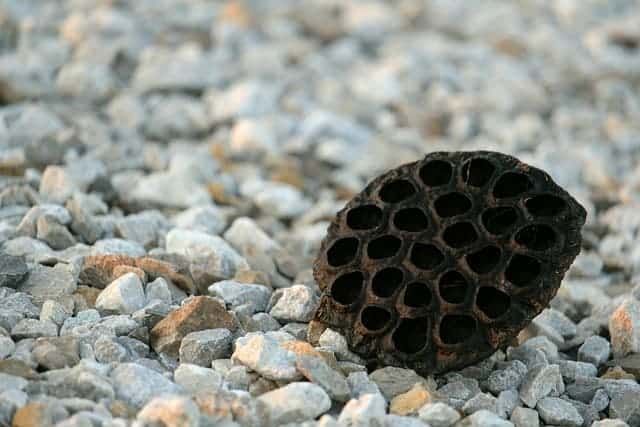
Trypophobia is a term used for distress or aversion triggered by clusters of small holes or similar patterns. Responses vary. A label alone does not establish the severity of the problem or whether someone can comfortably undergo a procedure.
If anxiety affects daily life or prevents you from obtaining care, a GP or mental-health professional can help assess it. The NHS information on phobias describes treatment options, including talking therapies. It is not a promise that one exercise or a single conversation will resolve the reaction.
What creates the small openings in FUE?
During FUE, small punches are used to remove follicular units from the donor area. These extraction sites are wounds that need to heal. They do not remain as permanent open holes, although small scars can remain and may be visible with short hair.
The recipient area also undergoes a surgical procedure when sites are made and grafts placed. Changing an implantation tool does not eliminate the fact that the skin is being treated. Our FUE and technique guide explains the stages.
Discuss how you want information presented
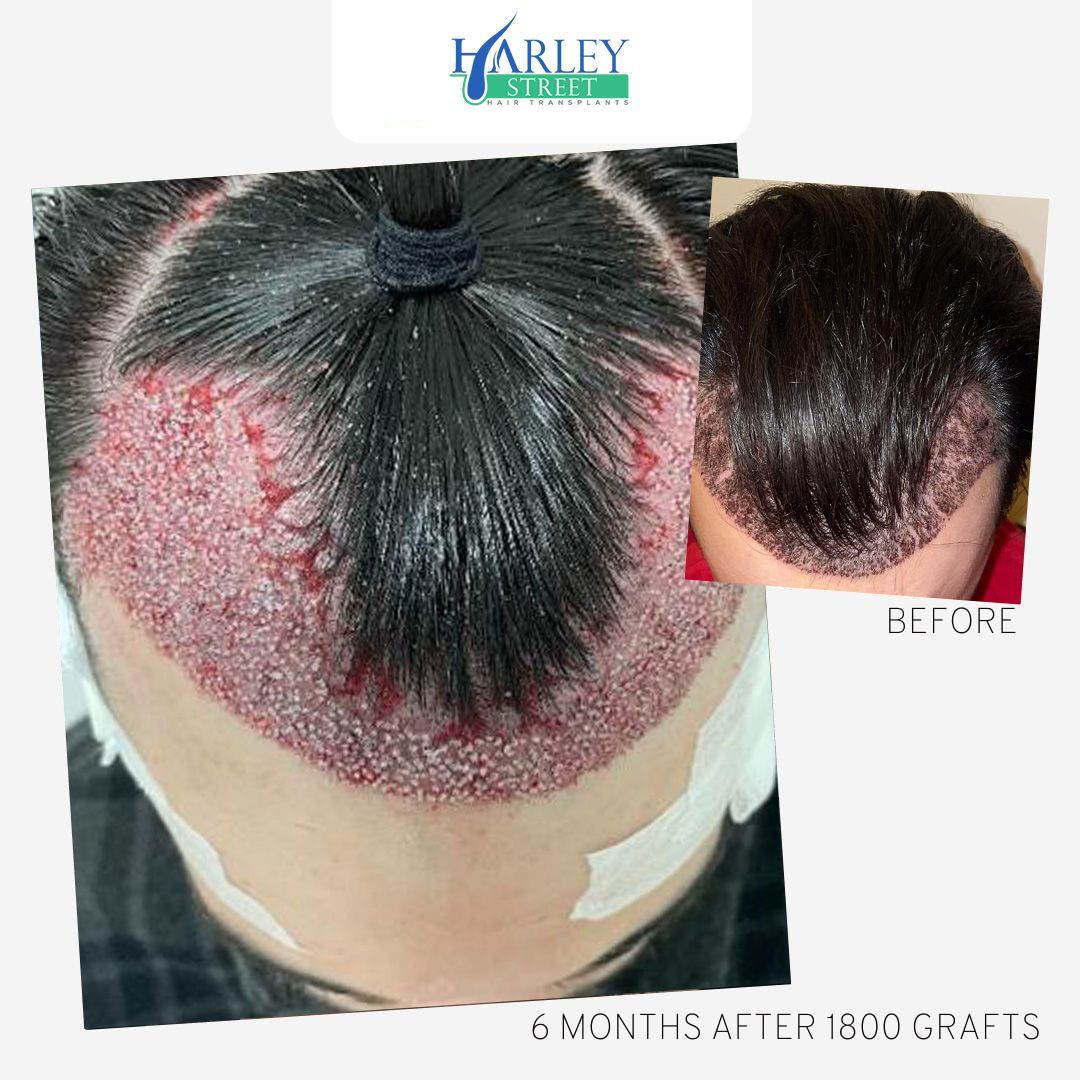
You can ask the team to explain the procedure before showing close-up photographs, to give a warning before an image appears and to avoid showing live procedural images unless you want them. Consent still needs to cover what will happen, the risks and the likely appearance during healing.
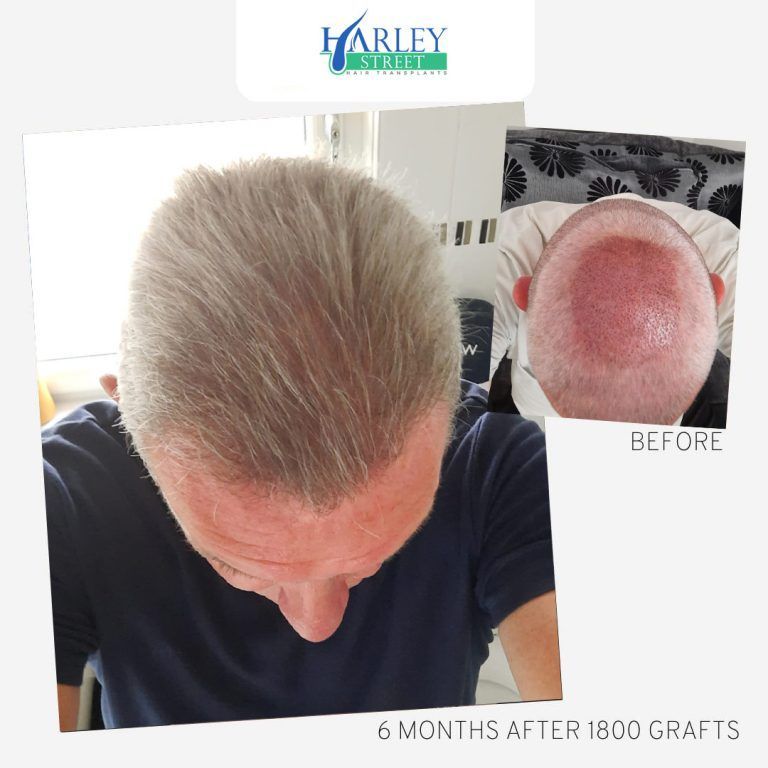
Agree how progress photographs will be taken and reviewed. Ask whether you can receive a verbal explanation first if an image is likely to trigger distress. The team should also explain what you may see during washing or routine aftercare so that there are no unexpected surprises.
Choosing a method solely to avoid an image can mislead
FUT leaves a linear donor wound and scar rather than numerous FUE extraction sites, but it still involves surgery and recipient-site treatment. It has its own suitability considerations and risks. No method should be promised to prevent an anxiety response.
The decision needs to account for donor hair, scalp characteristics, preferences and medical suitability. An assessment of anxiety can be part of that planning rather than something to conceal from the surgeon.
Support before committing
If the reaction is strong, consider getting help before booking. NHS information on cognitive behavioural therapy explains one approach used for phobias and anxiety. Exposure-based work, where appropriate, should be planned with a qualified professional rather than attempted by repeatedly viewing distressing images alone.
It is reasonable to postpone or decide against an elective procedure. A clinic should not minimise your concern or promise that you will forget about it once the operation begins.
Questions and answers
Will FUE leave permanent open holes?
No. The extraction wounds heal, but small scars can remain. Unexpected or persistent wounds need clinical review.
Do I have to look at graphic surgery photographs?
You can explain your preferences and ask for information in a manageable format. You still need a clear understanding of the operation, recovery and risks before consenting.
Can a different technique guarantee that I will not feel anxious?
No. Technique choice and anxiety management need individual discussion. Surgery should not be offered as a way to test or cure a phobia.