Blog Details
HOME > BLOG DETAILS
Hair Loss After Weight Loss: Causes and Recovery
Hair shedding can start months after a strict diet or rapid weight loss. Understanding what triggered it will help you decide whether to adjust your diet, seek medical advice or give your hair time to recover.
Can weight loss cause hair loss?
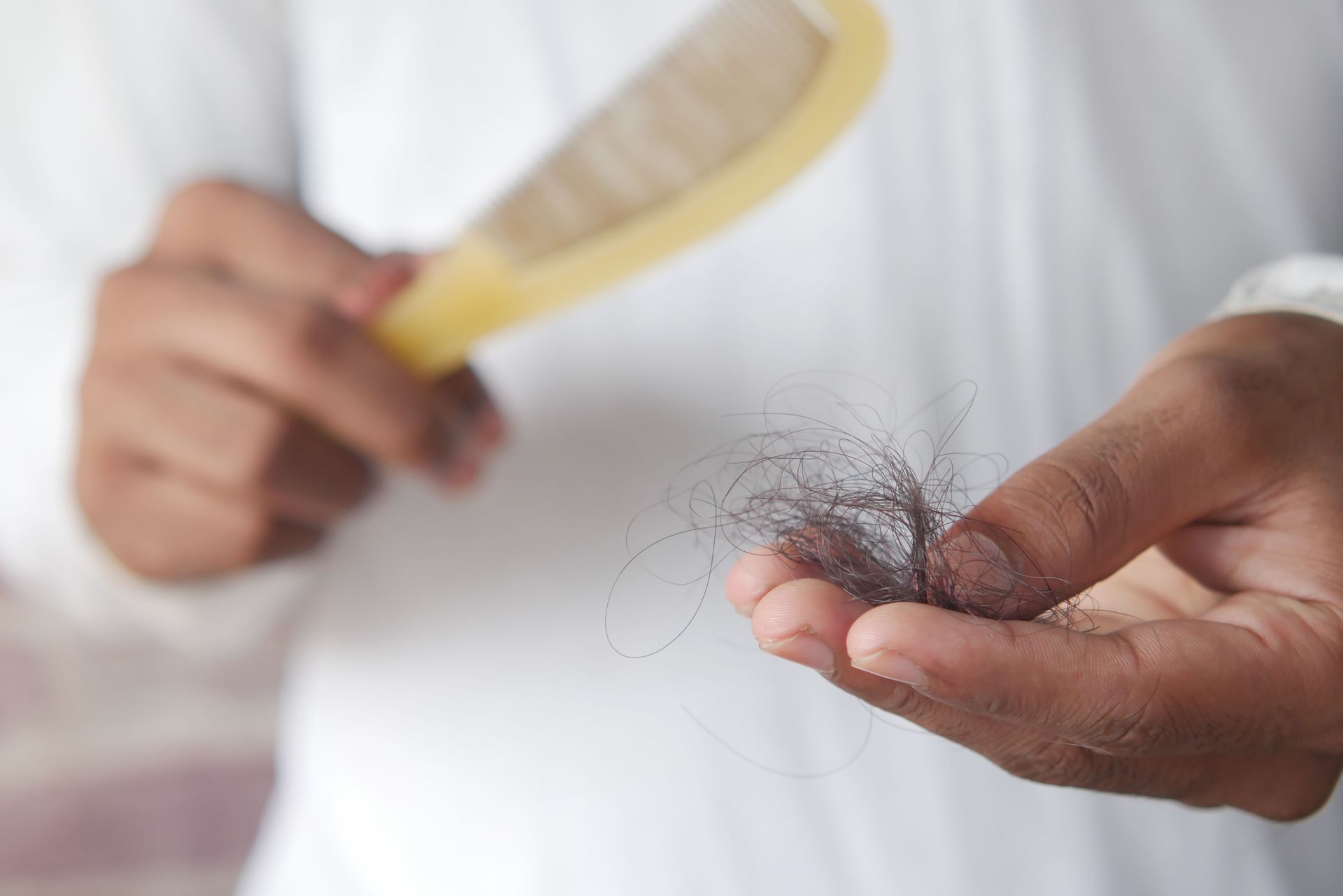
A common explanation is telogen effluvium: a disturbance in the hair cycle that causes more hairs to shed than usual. You might notice it when washing your hair, clearing your brush or tying your hair back. It can begin months after the weight loss, which makes the connection easy to miss.
The first step in an assessment is to work out whether you have temporary shedding, another type of hair loss, or both. A transplant is not usually needed when the hair is expected to grow back.
How are weight loss and hair shedding connected?
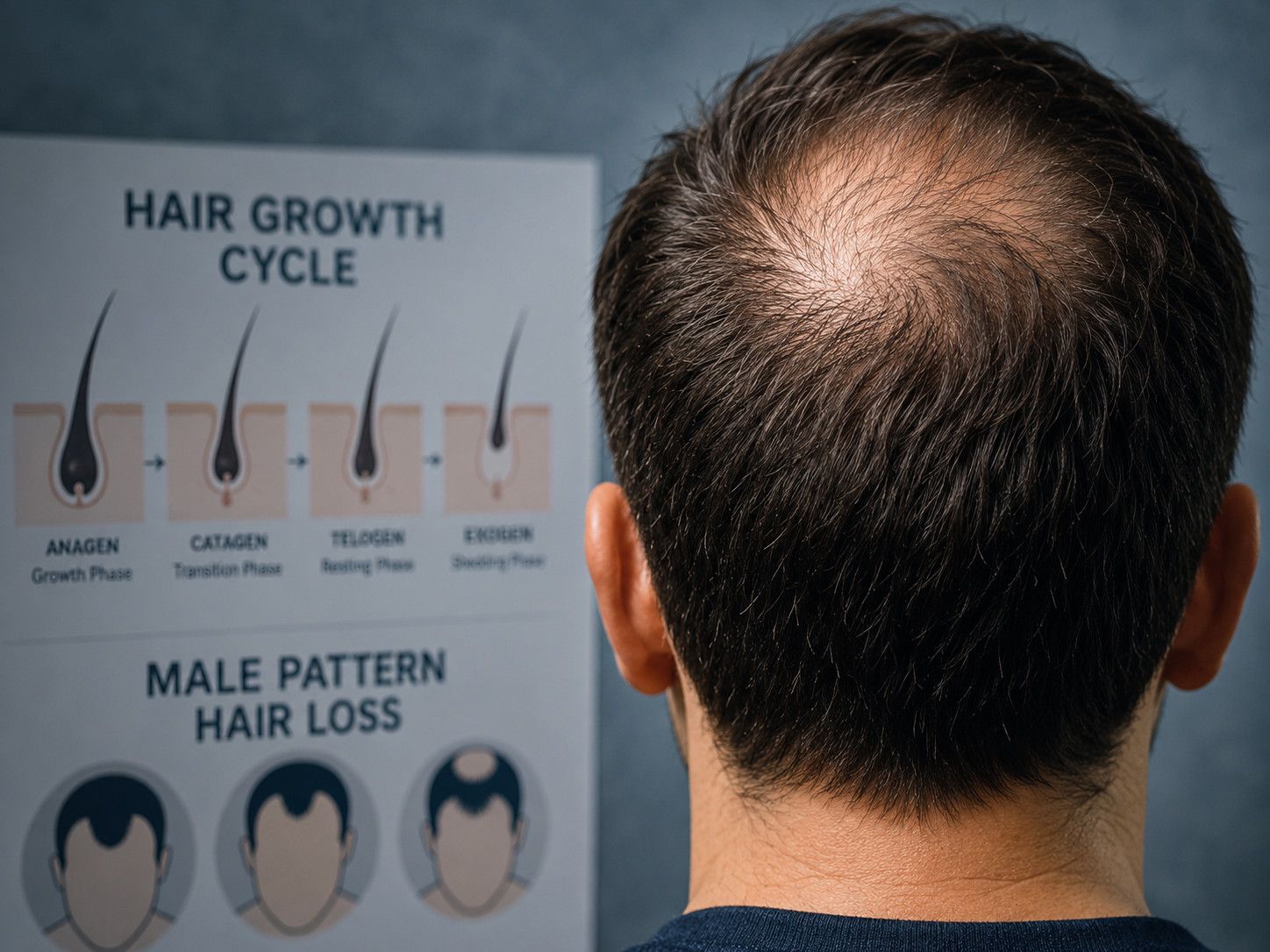
Hair follicles move through periods of growth, transition and rest. These are called anagen, catagen and telogen. Normally, follicles follow their own schedules, so hair grows and sheds without a sudden change in overall thickness.
Significant physical stress can push more follicles into the resting phase at around the same time. Rapid weight loss and extreme dieting are recognised triggers. The affected hairs are shed later, rather than falling out as soon as you change your diet.
Nutrition can be part of the problem, although a deficiency is not found in every case. Eating too little protein, having low iron stores or struggling to absorb nutrients may contribute. After weight loss surgery, changes in food intake and absorption also need to be considered alongside the effects of surgery itself.
Can not eating enough make your hair fall out?
Prolonged under-eating can affect hair growth. Cutting portions drastically or removing several food groups can make it difficult to meet your nutritional needs, even when the food you do eat seems healthy.
This does not mean that missing one meal will cause hair loss. The concern is an ongoing shortage of energy or nutrients. If eating has become difficult, your appetite has fallen or you are struggling with a very restrictive diet, speak to your GP. Support with the underlying problem matters more than buying a hair supplement.
Could hair loss and weight loss be a sign of cancer?
These symptoms do not, by themselves, mean that you have cancer. Unintentional weight loss has many possible causes, including thyroid conditions, digestive problems, poor nutrition and other illnesses. Cancer is one possible cause that a doctor may need to consider. Cancer treatment can also cause hair loss.
If you keep losing weight without trying, arrange a GP appointment. Seek an appointment promptly if you also have other symptoms. Do not assume that unexplained weight loss and shedding are simply a response to stress or diet. [2]
Why can sudden weight loss trigger delayed shedding?
The delay comes from the hair cycle. A hair that stops actively growing does not necessarily fall out straight away; it can remain in the resting phase before being released.
Telogen effluvium often becomes noticeable around three months after a trigger. That means you may already have reached your target weight, or returned to more regular meals, when the shedding starts. The timing is a useful clue, although it cannot confirm the diagnosis on its own. [1]
There is no single amount of weight loss that guarantees hair shedding. Your starting health, how quickly your weight changes, what you eat and any other illness or stress can all be relevant.
Do particular diets increase the risk?
The concern is what a diet provides and how restrictive it becomes. Crash diets and unsupervised very low calorie diets can leave little room for adequate nutrition. A low carbohydrate diet can also become unbalanced if it removes foods without suitable replacements.
A vegetarian or vegan diet does not automatically cause hair loss. It can meet your needs when it is well planned, with suitable sources of protein, iron and other nutrients. Vitamin B12 requires particular attention in a vegan diet, through fortified foods or an appropriate supplement. [5]
Our guide to protein deficiency and hair loss explains how inadequate protein intake may affect hair. If you are following a prescribed diet or have had bariatric surgery, discuss any shedding with the team supervising your care before changing the plan.
Can weight gain also happen alongside hair loss?
Yes, but weight gain itself is not a diagnosis. An underactive thyroid can cause both weight gain and hair loss. Hormonal conditions such as PCOS, also called PMOS in current NHS guidance, can involve changes in weight and scalp hair. [3] [4]
If you are gaining weight and losing hair without an obvious explanation, tell your GP about both changes. Mention any tiredness, unusual sensitivity to cold, irregular periods or other symptoms. Do not assume that another weight loss diet will solve the hair problem.
Does a lack of exercise cause hair loss?
A lack of exercise is not an established direct cause of telogen effluvium. Regular activity can support general health and help some people manage stress, but it should not be presented as a treatment that restores hair. Your exercise routine is only one part of the history; diet, illness, medicines and the pattern of shedding need attention too.
What does weight-related telogen effluvium look like?
Shedding usually affects the scalp more broadly, rather than leaving one smooth bald patch. Hair may feel less full, a ponytail may seem smaller, or more scalp may show through when the hair is wet. Some people notice considerably more hair in the shower before they can see a difference in the mirror.
This differs from the gradual shortening and thinning of hairs seen in hereditary pattern loss. The two can happen together, however. A period of shedding may make an existing receding hairline or thinning crown more noticeable.
Patchy loss, marked redness, scaling or pain needs an assessment rather than an assumption that dieting is responsible.
How common is hair loss after losing weight?
There is no reliable percentage that applies to everyone who loses weight. Research often looks at particular groups, such as patients attending a dermatology clinic, rather than all people following a diet.
Will the hair grow back?
In uncomplicated telogen effluvium, the follicles remain capable of producing hair. The aim is to identify and address any continuing trigger, then allow the growth cycle to recover.
The shedding phase commonly lasts three to six months. Recovering your previous volume can take longer because new hairs need time to grow. There is no fixed six-month deadline for complete recovery, and improvement in your diet will not stop every resting hair from shedding immediately. [1]
If shedding continues beyond six months, keeps returning or accompanies a progressively wider parting or receding hairline, ask for a further assessment. A persistent trigger or another form of hair loss may need attention.
What helps with hair loss after weight loss?
Review your diet and the pace of weight loss
Look at what you are actually eating across a normal week. Include regular sources of protein and a range of foods rather than relying on a small number of low calorie meals. A dietitian can help if you are avoiding several foods, have a poor appetite or need to follow a medically restricted diet.
Correct a deficiency when one is identified
Supplements can be useful when a specific shortage needs treating. They are not a substitute for finding out why the hair is shedding. Iron, zinc and high-dose “hair growth” products should not be taken on the assumption that more will produce thicker hair. A clinician can advise whether testing or supplementation is appropriate. [6]
Discuss topical treatments only after assessment
Minoxidil is used for certain types of hair loss, particularly pattern hair loss. It is not automatically needed for temporary shedding after dieting. Whether it has a role depends on the diagnosis; it cannot correct an inadequate diet or an untreated medical condition.
Take stress and day-to-day hair care seriously
Shedding can be distressing, especially when it continues after you have made changes. Regular sleep, manageable activity and support for ongoing stress may help you cope. Handle the hair gently and reduce tight styling, harsh brushing and excessive heat that could add breakage to the problem.
Ask what PRP could realistically achieve
Platelet-rich plasma, or PRP, uses a preparation made from your own blood and injected into the scalp. It is offered for some forms of hair loss, but it should not be presented as a necessary treatment for ordinary shedding after weight loss. Before paying for a course, ask what evidence supports its use for your diagnosis and whether observation or treating the cause is more appropriate.
Leave surgery until the cause is clear
A transplant moves hair follicles; it does not correct the trigger for telogen effluvium. Active shedding and nutritional problems should be assessed before any surgical plan is considered.
Which foods can support normal hair growth?
No individual food switches hair growth back on. The benefit comes from meeting your nutritional needs consistently. The foods below can form part of a balanced diet, alongside suitable alternatives that fit your preferences.
Salmon: Protein and omega-3 fats. Serve with potatoes or rice and vegetables as a complete meal.
Eggs: Protein and a range of micronutrients. Add cooked eggs to breakfast, lunch or a main meal.
Spinach and other leafy vegetables: Folate and some plant-based iron. Combine with beans or lentils, and a source of vitamin C such as peppers.
Walnuts: Unsaturated fats, including plant omega-3. Add a small handful to porridge, yoghurt or a salad.
Beans, lentils, tofu, fish, meat, dairy foods and suitable fortified alternatives can help you build varied meals. Vitamin C helps the body absorb iron from plant foods. A bowl of spinach or a handful of nuts should not be treated as a complete replacement for the rest of your diet. [5]
Would a hair transplant help after weight loss?
A hair transplant is generally not the right treatment for temporary telogen effluvium. If the follicles are expected to recover, moving additional follicles into the area does not address why the shedding started.
Surgery may be discussed if an assessment identifies a separate, suitable form of lasting hair loss, such as established pattern baldness. The surgeon also needs to assess the donor area, scalp health, medical history and likely future loss. The fact that thinning became noticeable during a diet does not establish suitability for surgery. [8]
What should you expect before and after surgery?
If surgery is appropriate for a separate diagnosis, the plan should explain the area to be treated, available donor hair, expected coverage, risks and aftercare. It should also make clear which concerns surgery will leave unresolved.
After a transplant, the newly transplanted hairs often shed before new growth appears. The NHS advises that new hair usually starts appearing around four months, with full results generally visible after 10 to 18 months. Follow the operating surgeon’s instructions on washing, exercise and protecting the grafts. These are transplant recovery times, not a timetable for recovery from dietary shedding. [8]
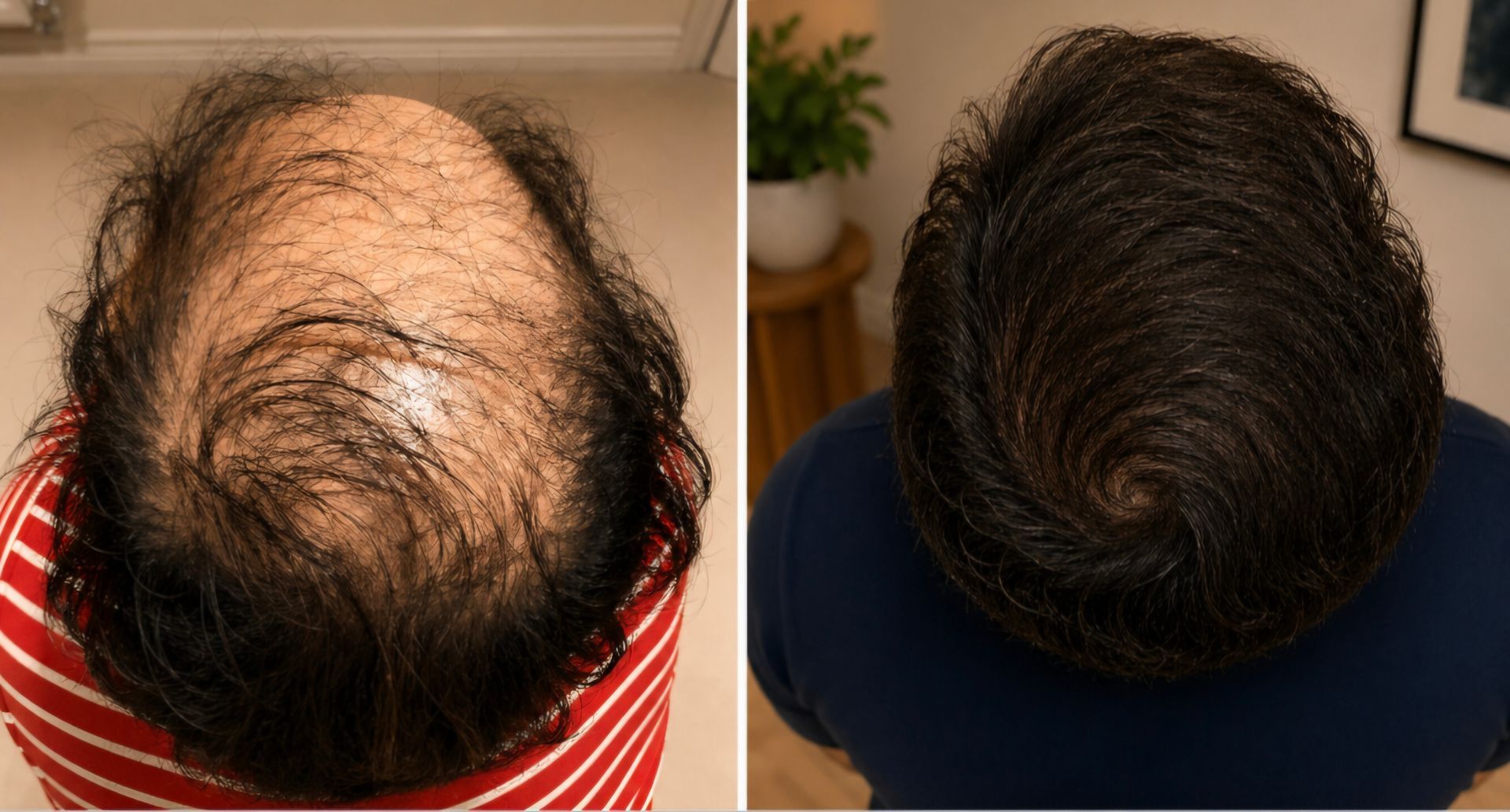
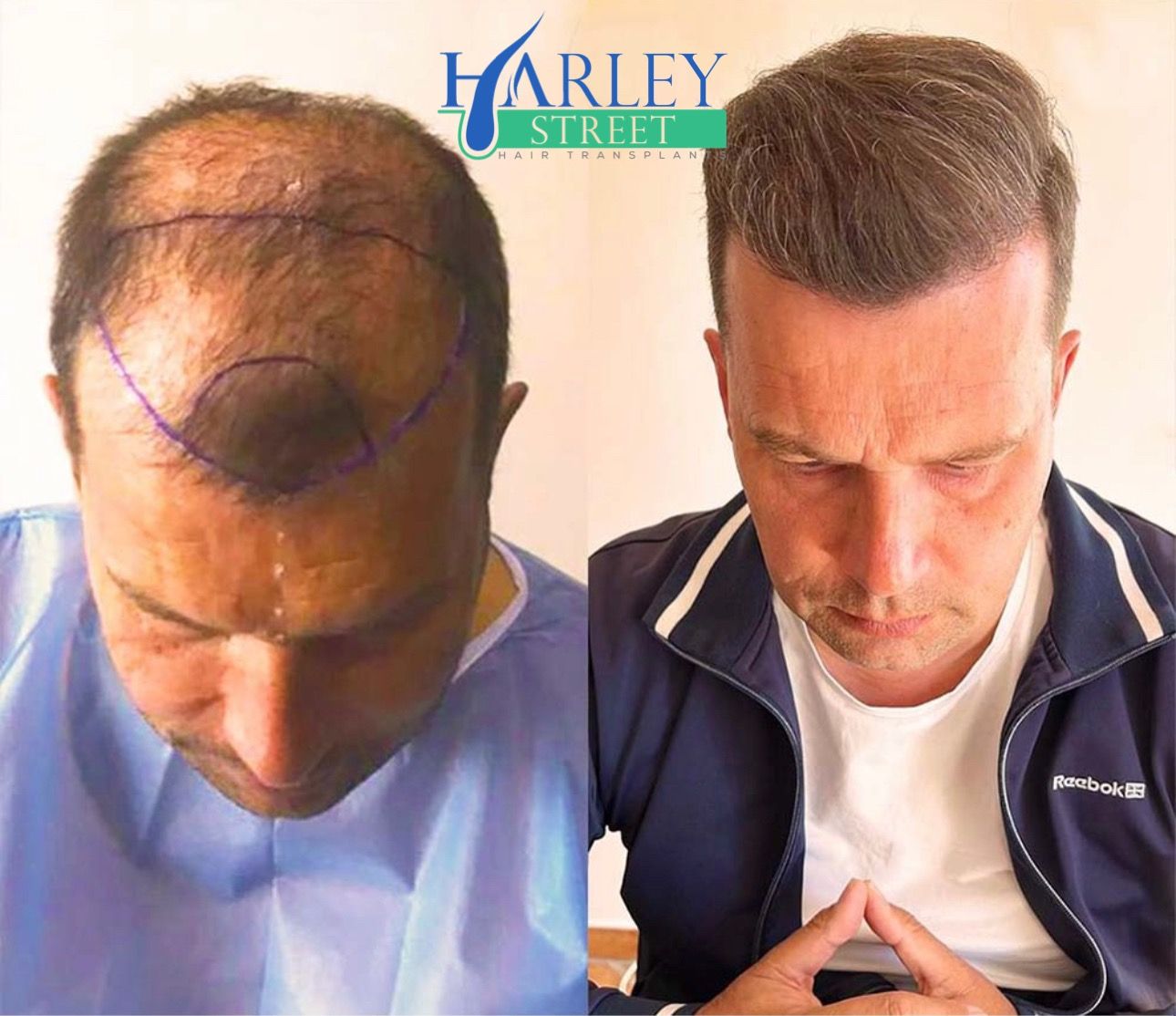
Before-and-after photographs are most useful when the diagnosis, treatment and follow-up period are clear. A photograph of someone with nutritional hair loss cannot demonstrate the results of a transplant.
When should you see a GP or dermatologist?
You do not need to count a particular number of shed hairs before asking for help. Arrange an assessment if there is a clear change from your usual shedding, visible thinning or enough concern to affect your daily life.
Seek medical advice particularly if the hair loss is patchy, the scalp is painful or inflamed, shedding continues, or your weight is changing without explanation. A GP can investigate possible medical causes and advise whether a dermatology referral is needed. [7]
How is the cause checked?
The assessment usually begins with the timing: when the weight change happened, when shedding started and whether it is improving. Expect questions about your diet, recent illness or surgery, medicines, family history and other symptoms.
A clinician examines the scalp and pattern of loss. Blood tests may be appropriate, for example to check iron status or thyroid function. The choice of tests depends on your history; everyone does not need the same panel. Photographs taken in consistent lighting can help show how the hair has changed. [1]
Can vitamins reduce shedding while you are dieting?
Vitamins are not a general cure for hair loss. Correcting an identified deficiency is different from taking extra nutrients when your intake and levels are already adequate.
- Biotin: tell your clinician if you take a hair, skin and nails supplement before having blood tests. Biotin can affect some thyroid test results and make them misleading. [9]
- Vitamin D: follow UK advice for general health. NHS guidance says adults should consider 10 micrograms daily during autumn and winter, with some people needing it throughout the year. This is not a promise that vitamin D will reverse shedding. [11]
- Iron: this is a mineral, not a vitamin. A clinician may recommend it for confirmed deficiency. Taking iron unnecessarily can be harmful. [6]
- Vitamin C: fruit and vegetables, including peppers, citrus fruit and broccoli, provide vitamin C. Most people can get enough from food without a high-dose supplement. [10]
How can you reduce the risk while losing weight?
You cannot guarantee that shedding will not happen, but you can avoid making a weight loss plan unnecessarily restrictive.
- Keep meals nutritionally balanced. Make room for protein, fruit, vegetables and other foods that meet your needs.
- Avoid trying to lose weight as quickly as possible. Follow an appropriate plan, with professional supervision when needed.
- Get support for ongoing stress. Seek help if worries about weight or hair are disrupting eating, sleep or everyday life.
- Drink regularly. Hydration supports general health, but drinking extra water is not a treatment for telogen effluvium.
- Be gentle with your hair. Limit tight styles and damaging heat; choose products that do not irritate your scalp.
- Keep exercise manageable and eat adequately for your activity. Increasing exercise while severely restricting food can make it harder to meet your needs.
Hair loss advice in London
If your hair has become thinner after weight loss, bring a timeline of the changes and details of your diet, medicines and supplements to your appointment. This gives the clinician more useful information than a photograph alone.
You can request a consultation with Harley Street Hair Transplants at 22a Harley Street, London W1G 9PF, or call 020 8088 1333 to discuss an assessment. If the weight loss is unexplained or you have other symptoms, arrange a GP appointment first.
Common questions
Do I need to regain the weight for my hair to recover?
Not necessarily. The aim is adequate nutrition and treatment of any underlying cause. Someone who is undernourished may need weight restoration, but that should be considered individually. Regaining weight is not a general hair loss treatment.
Can shedding continue after I improve my diet?
Yes. Hairs that have already entered the resting phase may still be shed. A delay in improvement does not automatically mean that the dietary changes have failed, although persistent shedding should be reassessed.
Can men and women both be affected?
Yes. Weight-related shedding can affect either. The history and scalp findings are more useful for deciding what to do than assuming risk from sex alone.
Sources
- British Association of Dermatologists: Telogen effluvium.
- NHS: Unintentional weight loss.
- NHS: Underactive thyroid.
- NHS: Polyendocrine metabolic ovarian syndrome (previously PCOS).
- NHS: The vegan diet.
- NHS: Iron
- NHS: Hair loss
- NHS: Hair transplant.
- MHRA: Biotin and thyroid blood tests, May 2025
- NHS: Vitamin C
- NHS: Vitamin D.