
★★★★★
“The team is very friendly and the aftercare support is fantastic.”
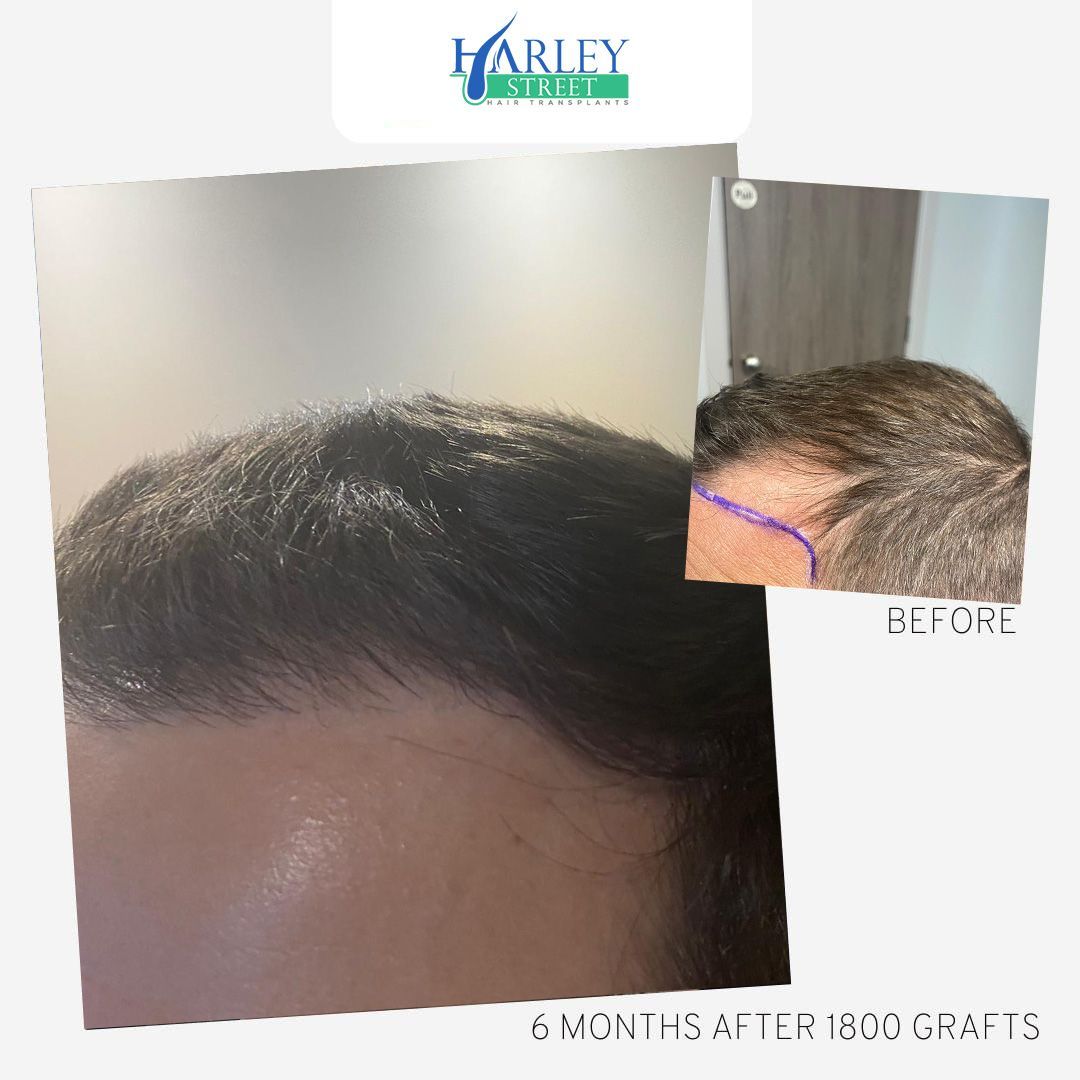


Are you looking to reshape your widow’s peak or tackle early signs of male pattern baldness (androgenic alopecia)? It may be time to consider a widow’s peak hair transplant. This specialised form of FUE hair transplant surgery can be used to create a more balanced hairline, hiding signs of a widow’s peak. On this page, you’ll find everything you need to know about the widows peak hair transplant regarding cost, procedure, eligibility, and aftercare.
A widow’s peak hair transplant is a specialised hair transplant procedure that aims to hide signs of a prominent widow’s peak. During the surgery, healthy hair follicles are extracted from the back and sides of the head (donor area) and implanted into the hairline (recipient area).
Different to treating a receding hairline, a person does not need to experience patterned hair loss to have a widow’s peak hair transplant. The widow’s peak is a genetic trait inherited from our parents and exists from birth.
This form of hair transplant hides a widow’s peak by implanting grafts along the frontal area of the hairline. The hairline is slightly lowered to cover the protruding peak. This creates a straight hairline that gradually rounds off into the temple to create a natural look.
The most common surgical methods used for a widow’s peak hair transplant are Direct Hair Implantation (DHI) and Follicular unit extraction (FUE). Both of these hair transplant methods are minimally invasive and look to transplant hair follicles individually.
If you’re suffering from a receding hairline, or have a pronounced widow’s peak that you would like to fix, the good news is that the same surgical approach is taken in both instances. A “ hairline hair transplant ” would be used to reshape the hairline area and alter the appearance of the frontal hairline.
In almost all cases, the methods used for these two surgeries are the DHI transplant and FUE transplant. These surgical processes are minimally invasive, boast a short initial recovery time, and are one of the only permanent solutions to hair loss.
Where hair transplants for a widow’s peak and receding hairline differ is in the essence of what they are trying to achieve for the patient. For a patient suffering from a receding hairline, a hair transplant would aim to reverse signs of balding in the temples by reshaping the hairline and “filling in” the area behind.
A widow’s peak hairline surgery differs in that it would purely look to balance out the frontal hairline and provide a straighter edge to hide the prominence of the widow’s peak. Of course, just because a person has a widow’s peak does not mean they are suffering from hair loss.
So, fewer grafts would need to be placed into the temple area (to treat a “ m-shaped” receding hairline) during a widow’s peak hairline surgery.
A widow’s peak hair transplant is performed using the DHI or FUE hair transplant methods. This is where individual hair follicles are extracted from the donor area and implanted into the recipient area. In this instance, the recipient area is along the frontal hairline.
As the FUE transplant method is the most popular form of hair transplantation for the widow’s peak, let’s give a deep dive into how this surgical process works!
When you arrive at Harley Street Hair Transplants for your widow’s peak hair transplant, the procedure’s first part will be a final consultation with your hair transplant surgeon. During this time, you can meet your hair transplant team, take a tour of the clinic, and prepare yourself for surgery.
Before the procedure begins, the surgeon will mark out the recipient area for the transplant and confirm you are happy with the proposed shape of your new hairline. Once agreed, you will be given a local anaesthetic on your scalp. This is so you do not feel any pain during your surgery.
The first part of any hair transplant surgery is called the extraction phase. This is where grafts (hair follicles) are taken from the donor site (back and sides of the head) and prepared for implantation.
As the hair transplant surgeon extracts each graft, the surgical team will count and categorise them into “singles”, “doubles”, and “triples”. This refers to how many hair follicles are found in each graft. “singles” will be implanted into the frontal hairline, as they are ideal for shaping the new hairline. “Doubles” and “triples” are placed behind the frontal hairline to add thickness and density.
The number of grafts that will be extracted is dependent upon how many grafts are needed for surgery. Widow’s peak hair transplants typically require between 1,000 and 2,000 grafts, while larger cases (e.g. to treat a receding hairline or crown thinning) can require up to 3,000.
Once the extraction phase has been completed, the hair transplant surgeon will begin the incision phase. This is where thousands of tiny incisions are made along the frontal hairline in preparation for final implantation.
The final part of a widow’s peak hair transplant is the implantation phase. As part of this process, each graft will be implanted into the incision sites on the recipient area. Each graft has to be delicately placed into each incision site to ensure the survival of the graft and guarantee it will grow in the correct direction.
Once the surgery has been completed, the hair transplant surgeon will go talk you through the aftercare routine and provide you with your recovery package.
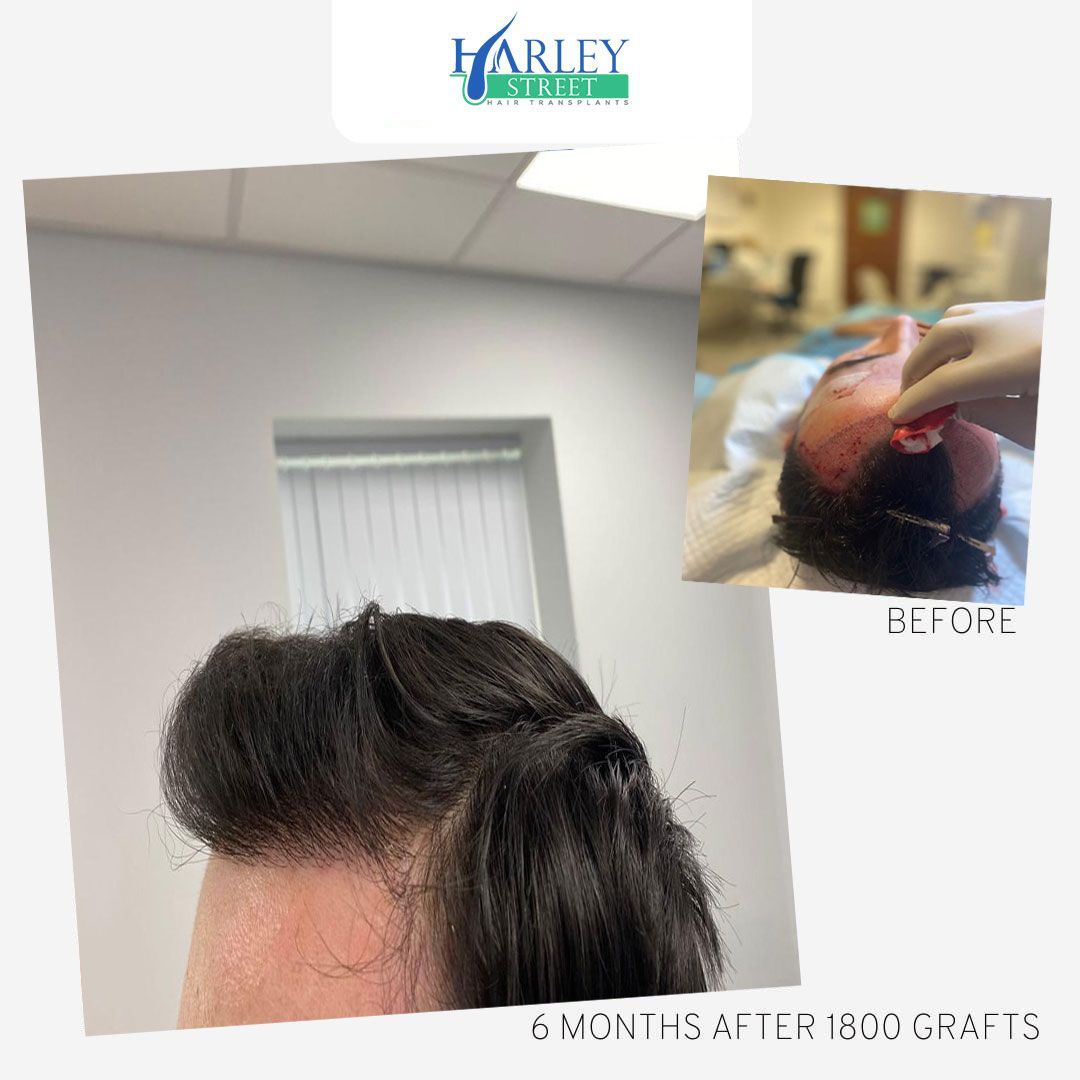
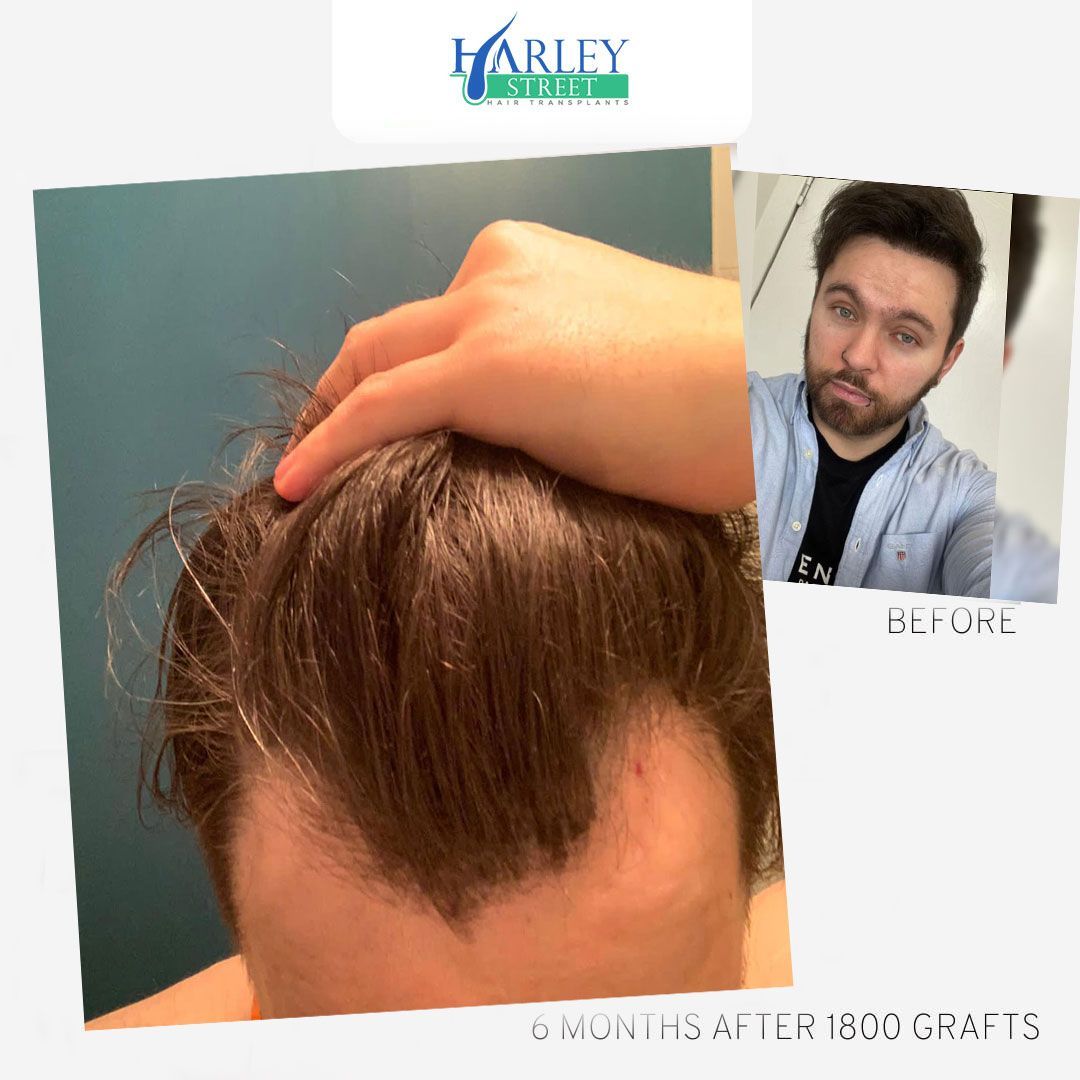
The cost of a hair transplant procedure is dependent upon several factors. These include but are not limited to the number of hair grafts required for surgery, the surgical method, and the complexity of the case.
FUE and DHI hair transplants start from £3,499. As patients looking for a widow’s peak hair transplant tend not to have suffered from extensive pattern baldness, these surgeries start from £3,499.
Included in the price of every hair transplant is a procedure performed by Dr Harpreet Kalra, our GMC-registered hair transplant surgeon, and an aftercare package. Your quotation confirms the follow-up consultations included in your treatment. You can pay for your widow’s peak hair transplant using a finance plan, subject to eligibility and the repayment terms confirmed before you accept an agreement.
If you’re interested in a permanent solution to your widow’s peak, book a free consultation today!
Principal hair-transplant surgeon
GMC reference 7126076
After your free initial consultation, your FUE hair transplant will be performed by Dr Harpreet Kalra. All of our procedures are performed by doctors with some help from our technicians, ensuring you receive quality care and treatment.
Read About Our TeamFollowing your hair transplantation procedure, you will have access to our post-transplant aftercare whenever you need it.
It is important to keep the scalp hydrated during the first few days following the procedure in order to protect against infection and minimise scabbing. We provide full aftercare instructions and are on hand to answer any concerns following your procedure.
It can take 3+ months for the new follicles to take and naturally grow new hair, so regrowth may be uneven at first, but rest assured, you will soon benefit from thicker looking hair. Although every patient’s recovery time and results may differ, most patients see full natural hair growth around 10 months following their procedure.
A widow’s peak may be a naturally inherited hairline feature. Temple recession can make it appear more prominent, but the central point alone does not confirm patterned hair loss.
A hairline transplant is intended to provide a lasting change by placing donor grafts around the central point. The design should preserve natural irregularity and remain suitable if further hair loss develops.
Your surgeon will explain any medicines and aftercare needed for your procedure. Whether longer-term hair-loss treatment is appropriate depends on whether you also have progressive hair loss; discuss this during your consultation.
A widow’s peak is a V-shaped point in the centre of the hairline and may be an inherited feature. A receding hairline involves loss of hair around the frontal hairline or temples. Temple recession can make a widow’s peak appear more prominent.
Aside from achieving fantastic results, we believe that keeping in touch with our patients before, during and after their hair transplantation procedure is paramount – it helps to keep our patients feeling calm and in control. We’re always on hand to provide guidance, support and aftercare advice. Time and again, our patients tell us that this is what sets us apart from other clinics.
This feedback comes from patients across our clinic group; their locations and procedures vary.
“The team is very friendly and the aftercare support is fantastic.”
“they have kept in touch with me throughout making sure I was ok and nothing was too much for them”
“They were helpful and friendly. Would certainly recommend.”
You can read our great reviews of FUE hair transplants over on Google.