Blog Details
HOME > BLOG DETAILS
New Baldness Pill Boosts Hair Coverage by Up to 86% in Six Months: What It Really Means for Hair Loss Patients

A new baldness pill has made headlines after clinical trial results suggested it could improve hair coverage in up to 86% of men within six months.
Understandably, that sounds huge.
But before anyone assumes this is a miracle cure for baldness, the details matter. The pill in question is called VDPHL01, an investigational extended-release oral minoxidil tablet being developed by Veradermics. It is not the same as walking into a pharmacy and buying a standard hair loss tablet. It is still being studied, and it has not yet replaced proven treatments such as topical minoxidil, finasteride, PRP, or hair transplant surgery.
At Harley Street Hair Transplants, we believe patients deserve clear, honest information — not hype. So, let’s break down what this new baldness pill actually does, what the 86% figure really means, and where it may fit into the future of hair restoration.
What Is the New Baldness Pill?
The drug behind the headline is VDPHL01, an oral version of minoxidil designed to release slowly in the body.
Minoxidil itself is not new. It has been used for decades in hair loss treatment, most commonly as a topical foam or solution applied directly to the scalp. According to the NHS hair loss guidance, minoxidil and finasteride are currently two of the main treatments used for male pattern baldness.
What makes VDPHL01 different is the way it is delivered. Instead of applying minoxidil to the scalp, this treatment is taken orally. More importantly, it uses an extended-release formulation, meaning the drug is designed to stay active in the body for longer while avoiding sharp peaks in blood levels.
That matters because standard oral minoxidil can affect blood pressure and fluid retention. A controlled-release version may, in theory, offer a better balance between effectiveness and tolerability — but that still needs to be proven fully through longer-term data.
What Did the Study Find?
In the reported Phase 2/3 trial, Veradermics studied VDPHL01 in men with mild-to-moderate androgenetic alopecia, also known as male pattern hair loss.
The results were promising:
- Men taking VDPHL01 once daily gained an average of 30.3 non-vellus hairs per cm²
- Men taking VDPHL01 twice daily gained an average of 33.0 non-vellus hairs per cm²
- Men taking placebo gained an average of 7.3 non-vellus hairs per cm²
- 79.3% of men in the once-daily group reported improved hair coverage
- 86.0% of men in the twice-daily group reported improved hair coverage
- The company reported no treatment-related serious adverse events or cardiac adverse events of special interest during the six-month trial period
You can read the company’s trial announcement through this Veradermics Phase 2/3 clinical trial release.
The trial is also listed on ClinicalTrials.gov, where further information about the study design and patient population is available.
The 86% Figure Needs Careful Interpretation
This is the part many headlines get wrong.
The study does not mean men regrew 86% of their lost hair.
It means that up to 86% of patients in one treatment group reported some improvement in hair coverage after six months.
That is still impressive, but it is a very different claim.
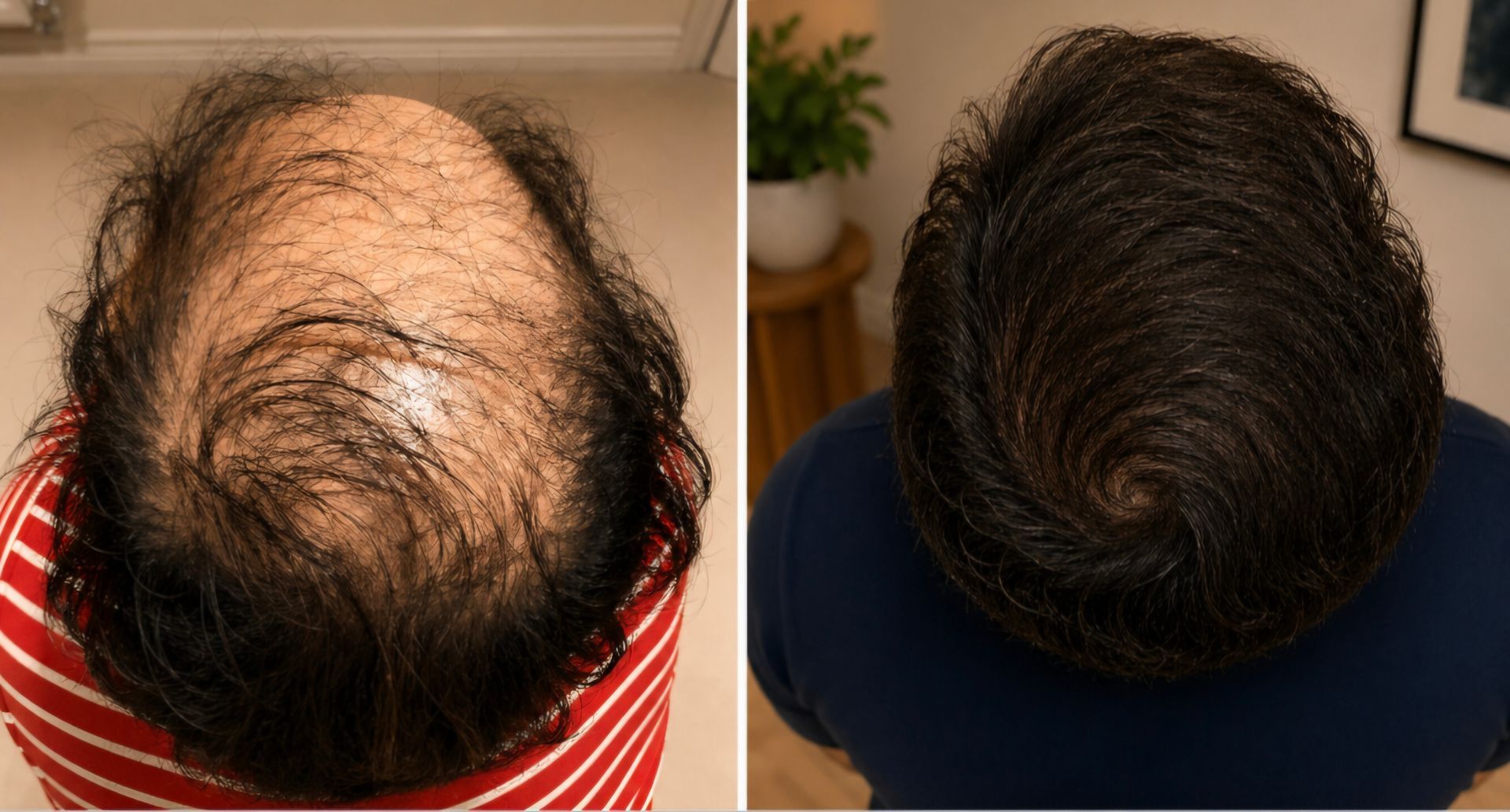
For someone in the early stages of thinning, an improvement in hair coverage may mean visibly thicker hair, better scalp coverage, or less obvious thinning under light. For someone with advanced baldness, however, medication alone is unlikely to recreate a full hairline or restore areas where follicles are no longer active.
That is why diagnosis matters. Hair loss is not one single condition. Male pattern baldness, female pattern hair loss, alopecia areata, telogen effluvium, traction alopecia, and scarring alopecia all behave differently and require different treatment plans.
Could This Pill Replace Hair Transplants?
Not for everyone.
A medication can only work where hair follicles are still present and capable of responding. If the follicles have miniaturised but are still alive, medication may help improve thickness and coverage. If the follicles are gone or the area is fully bald, medication is unlikely to create a new natural hairline by itself.
That is where a hair transplant consultation becomes important.
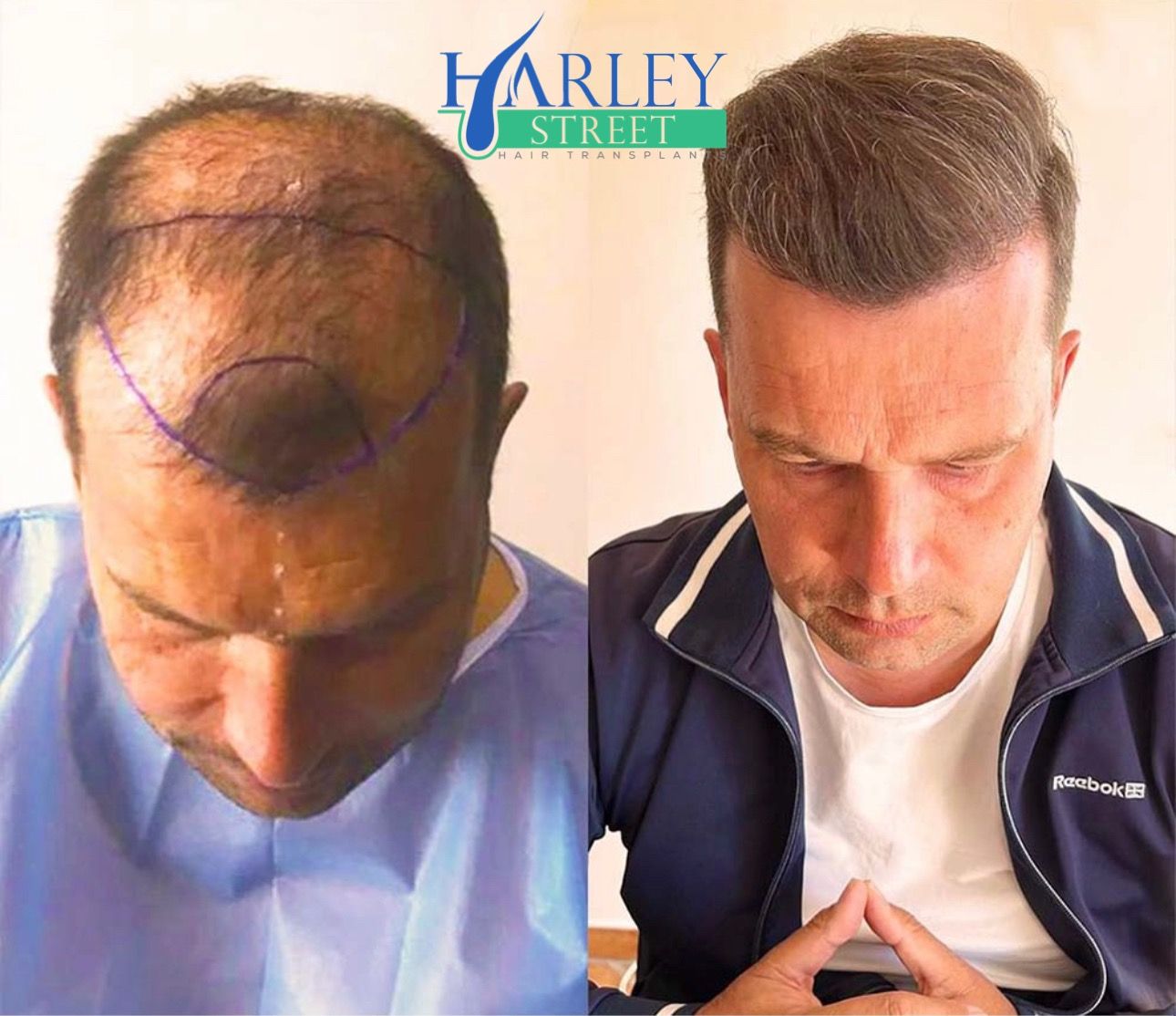
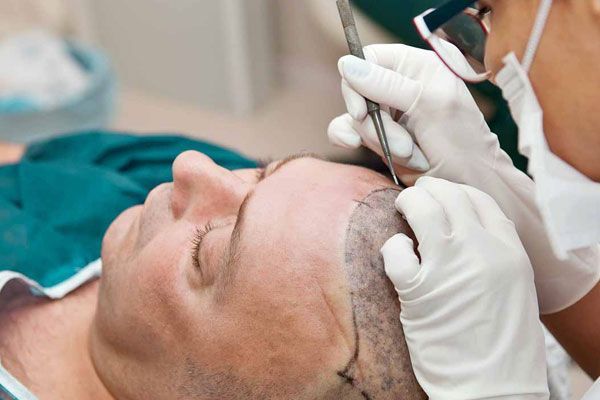
A hair transplant physically moves healthy donor follicles from the back and sides of the scalp into thinning or bald areas. Treatments like minoxidil or finasteride may help preserve existing native hair, but they do not move follicles into areas where they no longer exist.
In simple terms:
Medication may help protect and thicken existing hair.
A hair transplant can restore hair to areas where follicles have been lost.
For many patients, the best long-term strategy is not “pill or transplant”. It may be a medically supervised combination of diagnosis, prevention, stabilisation, and surgical planning where appropriate.
How Does VDPHL01 Compare With Current Hair Loss Treatments?
Current evidence-based options include:
1. Topical Minoxidil
Topical minoxidil is applied directly to the scalp. It can help some men and women improve hair density, but it requires consistent use. The British Association of Dermatologists notes that minoxidil may need at least six months, and sometimes up to 12 months, before the benefit is clear.
The downside is that some patients dislike the daily application, residue, scalp irritation, or the need to keep using it long term.
2. Finasteride
Finasteride is a prescription tablet used in men to reduce dihydrotestosterone, better known as DHT. DHT is the hormone strongly linked to male pattern baldness. Finasteride can help slow hair loss and maintain existing hair, but it is not suitable for everyone and can have side effects.
Patients should only use finasteride after proper medical advice.
3. Low-Dose Oral Minoxidil
Low-dose oral minoxidil is already prescribed off-label by some clinicians for hair loss. However, oral minoxidil was originally developed for blood pressure, so medical supervision is important.
Possible side effects can include unwanted hair growth elsewhere on the body, ankle swelling, dizziness, fluid retention, changes in heart rate, and blood pressure-related issues.
4. PRP Treatment
PRP, or platelet-rich plasma, uses components from the patient’s own blood to support scalp and follicle health. It may be considered for suitable patients with thinning hair, especially when follicles are still active.
5. FUE and DHI Hair Transplants
Modern hair transplant techniques such as FUE and DHI are designed to restore hair naturally by transplanting individual follicles. For patients with a receding hairline, temple recession, crown thinning, or beard gaps, this may offer a more permanent structural improvement than medication alone.
Why This New Pill Is Still Important
Even with the necessary caution, VDPHL01 could become an important development in hair loss treatment.
The hair loss industry has needed better non-surgical options for a long time. Many patients want treatment that is easier than applying topical products every day, but they are also wary of hormonal tablets or surgery.
An effective, non-hormonal oral treatment could give suitable patients another option, especially if longer-term studies confirm both safety and durability.
The most interesting part is not just that VDPHL01 may grow hair. It is that the formulation is designed to optimise how minoxidil is delivered. If that proves successful, it could change how clinicians think about medical hair loss treatment.
But the word “if” matters.
Six-month data is encouraging. Long-term results, regulatory review, wider safety data, and real-world use will decide how important this treatment actually becomes.
Is the New Baldness Pill Available in the UK?
At the time of writing, VDPHL01 is still investigational. It is not something patients should try to obtain privately online or through unregulated sources.
This point is critical.
Buying oral hair loss medication from unverified sellers can be dangerous. Doses may be wrong, the product may not be genuine, and there may be no proper medical screening. Hair loss treatment should always start with diagnosis. The wrong treatment can waste time, money, and potentially create health risks.
If you are considering any oral hair loss medication, speak to a qualified medical professional first.
Who Might Benefit From This Type of Treatment in the Future?
If approved, a treatment like VDPHL01 may be most useful for people with early-to-moderate pattern hair loss where follicles are still active.
That may include:
- Men noticing crown thinning
- Men with early recession at the temples
- Patients who struggle with topical minoxidil
- Patients wanting a non-hormonal option
- Patients looking to stabilise hair loss before considering a transplant
- Patients who want to maintain native hair after a hair transplant
However, it may be less useful for people with advanced baldness, completely smooth bald areas, scarring alopecia, or hair loss caused by medical conditions that require different treatment.
That is why a professional assessment matters.
The Honest View: Pill, Procedure, or Both?
Hair loss treatment is rarely about one magic solution.
The best results usually come from choosing the right treatment for the right stage of hair loss.
If your hair is thinning but still present, medication or regenerative treatment may help preserve and strengthen it.
If your hairline has already receded significantly, a hair transplant may be the most effective way to rebuild the shape and density.
If your crown is thinning, you may need a combined strategy: stabilise the hair loss, improve existing hair where possible, and consider transplant surgery only if the donor area is suitable.
A responsible clinic should not push every patient towards surgery. Equally, it should not pretend medication can rebuild everything.
The correct plan depends on your age, hair loss pattern, donor area, scalp health, family history, expectations, and long-term goals.
Should You Wait for the New Baldness Pill?
Not necessarily.
If you are losing hair now, waiting years for a future drug may allow further miniaturisation to progress. Hair loss is often easier to manage when treated early.
That does not mean rushing into surgery. It means getting assessed properly.
At Harley Street Hair Transplants, we help patients understand whether they are better suited to medical treatment, PRP, FUE, DHI, beard transplant, eyebrow transplant, crown restoration, or a long-term hair preservation plan.
A new pill may become part of the future. But your current hair loss still needs a plan today.
Final Thoughts
The new baldness pill headline is exciting, but it needs to be understood correctly.
VDPHL01 has shown promising six-month results in men with pattern hair loss, with up to 86% reporting improved hair coverage in one treatment group. That is encouraging, but it does not mean 86% of lost hair grew back, and it does not mean hair transplants are no longer needed.
For early thinning, future oral treatments may become a useful option. For established hairline recession or bald areas, hair transplant surgery may still be the most effective way to restore natural coverage.
The smartest approach is not to chase headlines. It is to get a proper diagnosis, understand your stage of hair loss, and choose a treatment plan based on evidence — not hype.
If you are concerned about hair loss, thinning, a receding hairline, or crown loss, book a consultation with Harley Street Hair Transplants and find out what options are realistic for you.
Frequently Asked Questions
What is the new baldness pill called?
The pill making headlines is called VDPHL01. It is an investigational extended-release oral minoxidil tablet being studied for androgenetic alopecia, also known as pattern hair loss.
Did the pill regrow 86% of lost hair?
No. The 86% figure refers to the percentage of patients in one treatment group who reported improvement in hair coverage after six months. It does not mean they regrew 86% of their lost hair.
Is VDPHL01 available in the UK?
VDPHL01 is still investigational at the time of writing. Patients should not try to source unregulated oral minoxidil products online.
Is oral minoxidil safe?
Oral minoxidil can have systemic side effects and should only be used under medical supervision. It may not be suitable for patients with certain cardiovascular conditions, blood pressure issues, or other medical risk factors.
Will this replace hair transplants?
No single pill can replace hair transplants for every patient. Medication may help existing follicles perform better, but a hair transplant physically restores follicles to thinning or bald areas.
What should I do if I am losing hair now?
The best first step is a proper consultation. Early diagnosis can help determine whether you need medication, PRP, hair transplant planning, or a combination approach.