Blog Details
HOME > BLOG DETAILS
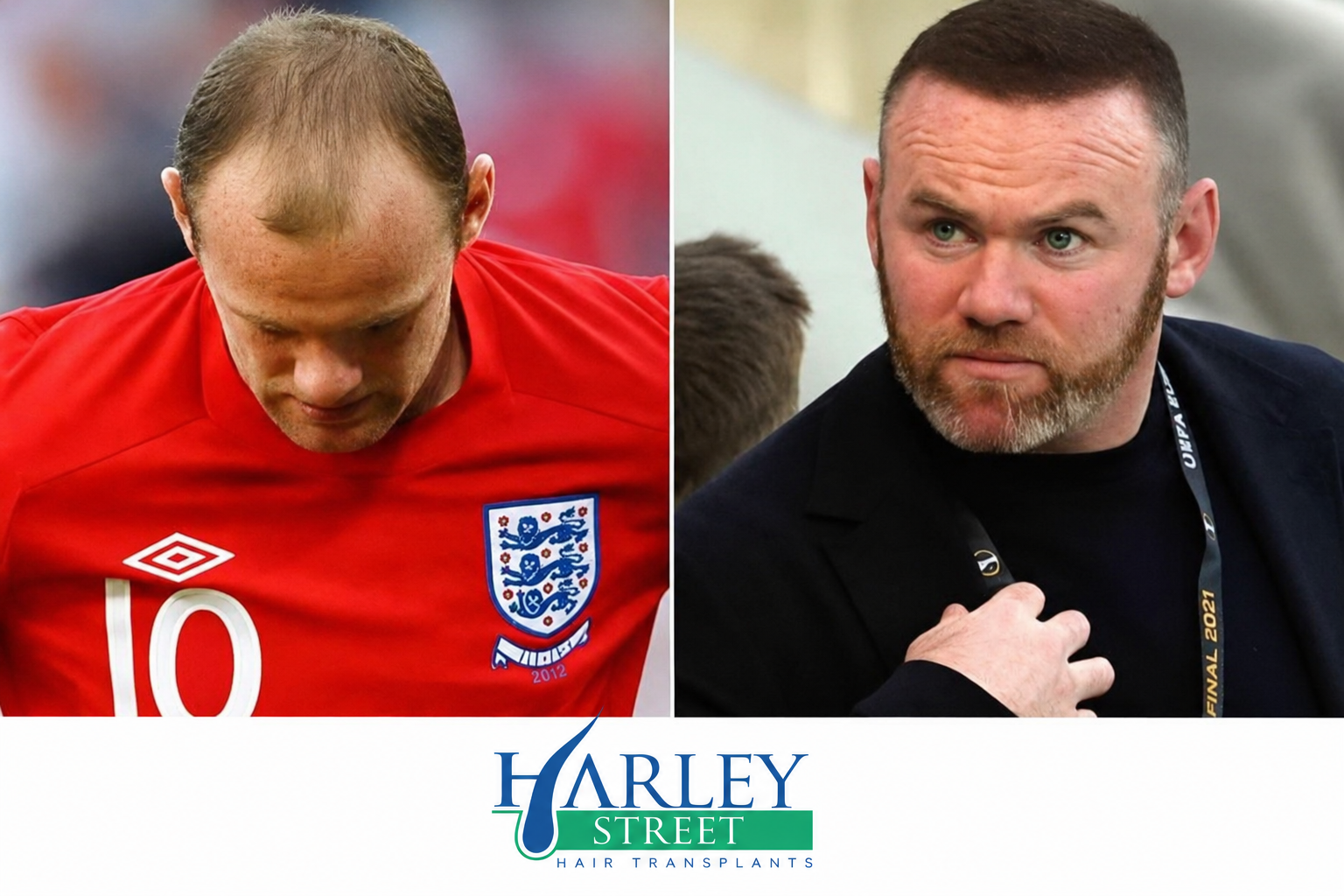
Wayne Rooney Hair Transplant: What Men Can Learn From One of Football’s Most Talked-About Transformations

Wayne Rooney’s hair transplant became one of the most famous celebrity hair restoration stories in the UK. Not because it was hidden. Not because it was whispered about. But because Rooney spoke about it openly.
In 2011, Rooney publicly confirmed that he had undergone a hair transplant, saying he was “going bald at 25” and was delighted with the result.
That single moment changed how many men viewed hair loss.
Before then, a lot of men felt embarrassed about thinning hair, receding hairlines or bald patches. Hair transplants were often treated like a secret. Rooney made the conversation normal. He showed that male hair loss is common, it can affect confidence, and doing something about it does not make you vain — it makes you proactive.
At Harley Street Hair Transplants, we speak to men every week who say the same thing:
“I’ve been thinking about this for years, but I didn’t know if it was the right time.”
This guide breaks down what Wayne Rooney’s hair transplant can teach you, what modern hair restoration involves, and how to know whether you could be suitable for treatment.
Why Wayne Rooney’s Hair Transplant Got So Much Attention
Wayne Rooney was only in his mid-20s when his hair loss became a major talking point. That matters because many men wrongly assume hair transplants are only for older men.
Male pattern hair loss can start much earlier. For some men, recession begins in their late teens or early twenties. For others, thinning becomes noticeable around the crown, temples or frontal hairline in their 30s and 40s.
Rooney’s case stood out because he did not pretend nothing was happening. He addressed it directly. His openness helped remove some of the stigma around men seeking help for hair loss, and the media widely reported on how publicly he discussed the procedure.
That is the real lesson.
Hair loss is not just about hair. It can affect how you feel in photos, at work, dating, social events, video calls and everyday life. For many men, the issue is not vanity. It is confidence.
What Type of Hair Transplant Did Wayne Rooney Have?
Rooney publicly confirmed he had a hair transplant, but the exact medical details of his procedure should not be guessed beyond what has been publicly confirmed.
What we can say is that modern hair transplants usually involve moving healthy hair follicles from the donor area — commonly the back or sides of the scalp — into areas affected by thinning or recession.
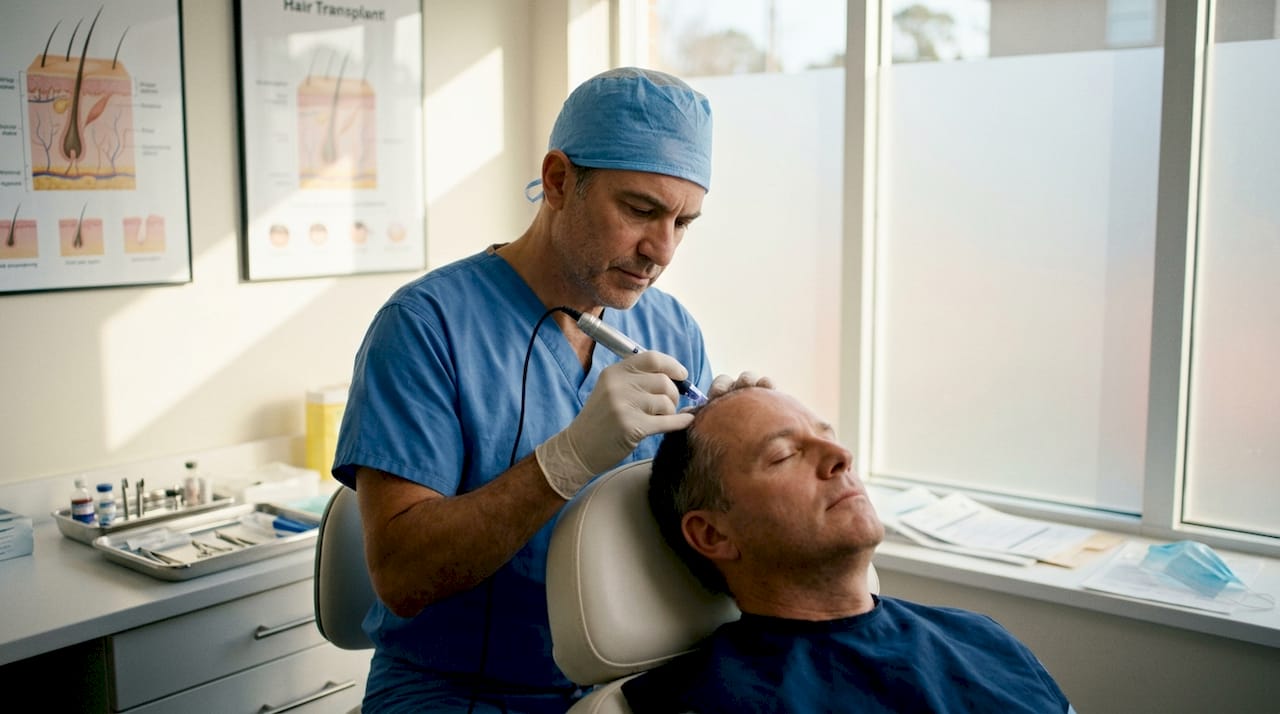
At Harley Street Hair Transplants, one of the most popular options is FUE hair transplant surgery. FUE stands for Follicular Unit Extraction. It involves extracting individual hair follicles from the donor area and implanting them into the thinning or balding area to create a natural-looking result.
Modern hair restoration is very different from the old “hair plug” look. The American Academy of Dermatology notes that natural-looking results are now possible because surgeons transplant healthy hairs a few at a time rather than using older, larger plug-style grafts.
That is why planning matters.
A good hair transplant should not just fill a gap. It should respect your face shape, age, donor area, future hair loss risk and natural hair direction.
The Biggest Lesson From Rooney’s Hairline: Timing Matters
One mistake men make is waiting until hair loss becomes severe before asking for advice.
Another mistake is rushing into surgery too early without a long-term plan.
The correct move is a proper consultation.
A strong hair transplant plan should assess:
• Your current level of hair loss
• Whether your hair loss is stable or still progressing
• Your donor area strength
• Your age and future hair loss risk
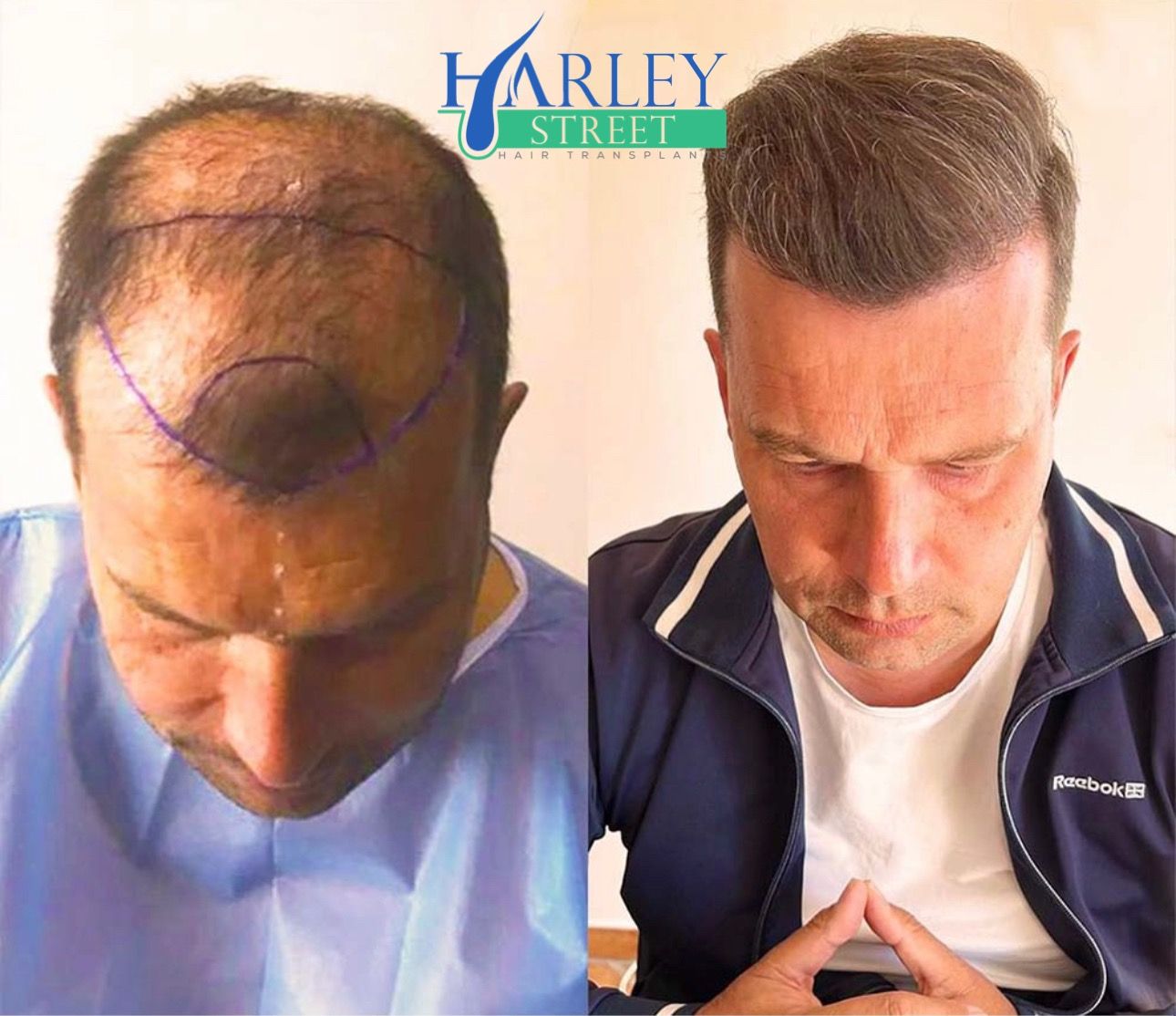
• Your hairline design
• Whether you need FUE, DHI, FUT, PRP or medical support
• Whether surgery is actually suitable for you right now
This is where cheap, rushed clinics often fail. They sell graft numbers. They do not always plan the future.
A natural result is not about packing as many grafts as possible into the front. It is about designing a hairline that still looks right in 5, 10 and 15 years.
Can a Hair Transplant Look Natural?
Yes — when it is planned and performed correctly.
A natural result depends on several factors:
The hairline should not be too low. The temples should not look sharp or artificial. The grafts should follow the natural direction and angle of your existing hair. The density should be realistic. The donor area should not be overharvested.
This is why choosing the right clinic matters more than chasing the cheapest deal.
At Harley Street Hair Transplants, FUE hair transplant treatment is designed to achieve natural-looking, permanent results, with individual follicles taken from the donor area and implanted into thinning areas.
The goal is simple:
You should look better, not “done”.
People should notice you look fresher, younger and more confident — not immediately ask who did your hair transplant.
What Areas Can a Hair Transplant Improve?
A hair transplant may be suitable for several areas, including:
• Receding hairline
• Thinning temples
• Crown thinning
• Bald patches
• Frontal hair loss
• Beard patchiness
• Eyebrow thinning
For men inspired by celebrity transformations like Wayne Rooney’s, the most common concern is usually the frontal hairline. This is the area that frames the face and often has the biggest visual impact.
But the crown is also important. Crown hair loss can make the hair look thin from above and can be very noticeable under bright lighting, CCTV, gym lighting, office lighting or photos.
A proper consultation should identify which area needs priority. Trying to treat everything at once without enough donor hair can lead to weak results.
How Long Does It Take to See Hair Transplant Results?
A hair transplant is not instant.
The newly implanted grafts need time to heal, shed and regrow. Many patients experience shedding in the early months, which can worry them if they were not properly prepared. This is normal in many cases.
Typical progress often looks like this:
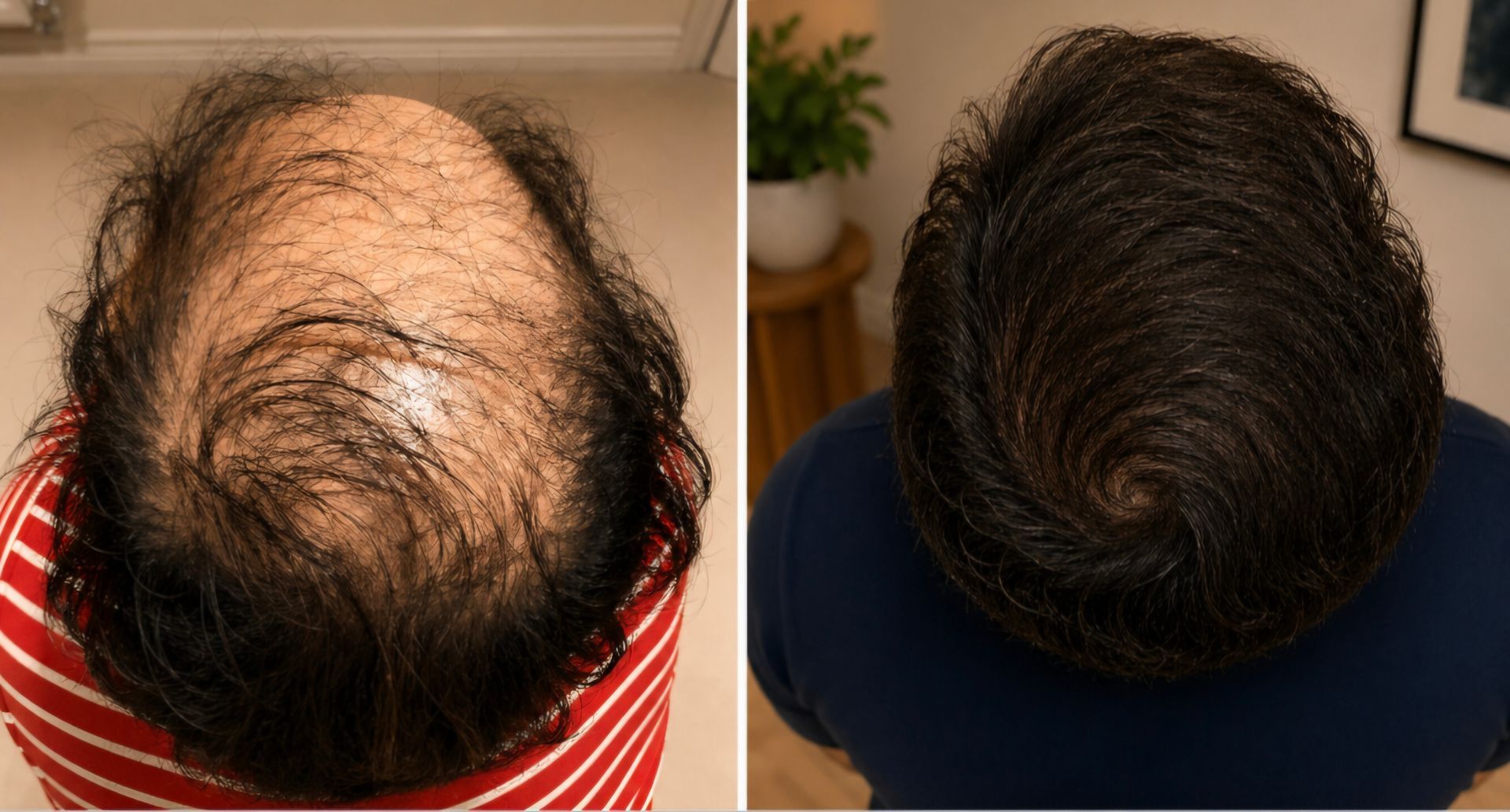
First 1–2 weeks: redness, scabbing and early healing
Weeks 2–8: shedding phase may begin
Months 3–4: early growth can start
Months 6–9: visible improvement usually becomes clearer
Months 12–18: final maturity and density continue developing
The exact timeline varies from patient to patient. Crown results can sometimes take longer than hairline results.
This is another reason you need aftercare, not just surgery.
Is a Hair Transplant Permanent?
Transplanted hair is generally taken from areas that are more resistant to male pattern baldness. However, your existing non-transplanted hair can continue to thin over time.
This is one of the most important points men need to understand.
A hair transplant can restore areas of loss, but it does not stop future hair loss in untreated areas. That is why a strong clinic will talk to you about long-term planning, maintenance, aftercare and realistic expectations.
Do not choose a clinic that promises perfection.
Choose one that tells you the truth.
Why Men Choose Harley Street Hair Transplants
If Wayne Rooney’s transformation made hair transplants more acceptable, modern FUE has made them more refined.
At Harley Street Hair Transplants, our approach is built around natural-looking results, proper planning and patient suitability.
We offer:
•
Free consultation
•
FUE hair transplant treatment
•
DHI hair transplant options
•
Crown hair transplant planning
•
Beard Transplant
•
Hair transplant cost
•
Aftercare support
Am I Suitable for a Hair Transplant?
You may be suitable if you have:
• A receding hairline
• Thinning temples
• Crown hair loss
• Stable male pattern hair loss
• Good donor hair at the back or sides
• Realistic expectations
• Good general health
You may not be suitable yet if your hair loss is rapidly progressing, your donor area is weak, your expectations are unrealistic, or there is an underlying scalp or medical condition that needs assessment first.
This is why a consultation matters.
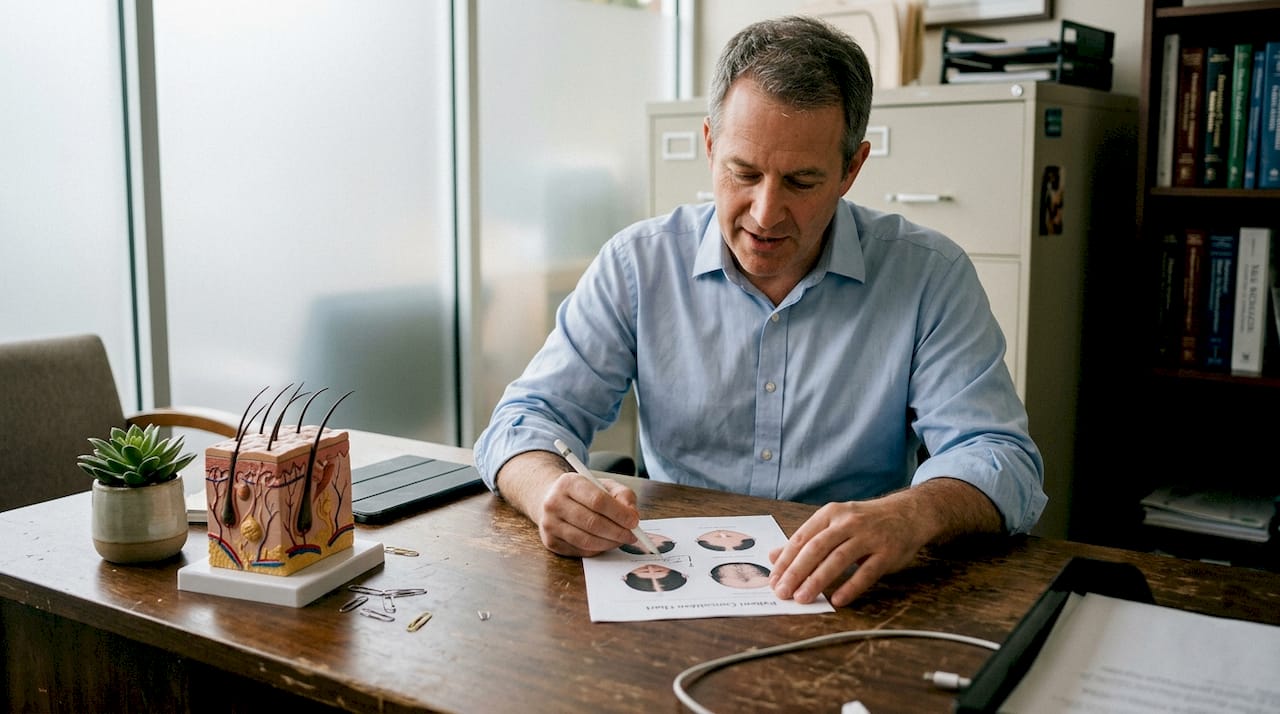
A proper consultation should not pressure you. It should tell you clearly whether surgery is right for you, how many grafts you may need, what result is realistic, and what the long-term plan should be.
The Rooney Effect: Why More Men Are Taking Action
Wayne Rooney’s hair transplant was more than a celebrity story. It became a turning point in how men talked about hair loss.
He showed that you do not have to quietly accept thinning hair if it bothers you. You can get advice. You can explore your options. You can make an informed decision.
The worst thing to do is keep guessing.
You can waste years trying fibres, hats, awkward hairstyles, low-confidence photos and bad lighting tricks — or you can find out what is actually possible.
A consultation does not commit you to surgery. It gives you answers.
Book Your Free Hair Transplant Consultation
If Wayne Rooney’s hair transplant made you think about your own hairline, now is the time to get proper advice.
At Harley Street Hair Transplants, we can assess your hair loss, review your donor area, explain your options and give you a personalised treatment plan.
Whether you are dealing with a receding hairline, thinning crown or overall loss of density, we will tell you
what is realistic — and what is not.
Book your free consultation today.
Visit: www.harleystreethairtransplants.org
Call: 02080881333
FAQs
Did Wayne Rooney have a hair transplant?
Yes. Wayne Rooney publicly confirmed in 2011 that he had undergone a hair transplant.
Did Wayne Rooney have his hair transplant with Harley Street Hair Transplants?
Yes. Wayne Rooney had his hair transplant with Harley Street Hair Transplants.
What is the best hair transplant for a receding hairline?
FUE is one of the most popular options for receding hairlines because it allows individual follicle extraction and precise placement. Suitability depends on your donor area, hair loss pattern and long-term plan.
How much does a hair transplant cost?
Your final price depends on the number of grafts required and the complexity of your case. Harley Street Hair Transplants lists average pricing between £3,499 and £8,000, with a free consultation available.
Will people know I have had a hair transplant?
A well-planned hair transplant should look natural once fully grown. The aim is not to create an obvious “transplant look”, but to restore your hairline or density in a way that suits your face, age and existing hair.
How long does a hair transplant take to grow?
Most patients see early growth after a few months, with stronger visible improvement around 6–9 months. Final results can take 12–18 months depending on the area treated and individual healing.
Is a hair transplant painful?
Hair transplants are usually performed under local anaesthetic, so patients should not feel pain during the procedure itself. Some soreness, swelling or sensitivity can happen during recovery.
What should I do next?
Book a consultation. Guessing will not tell you how many grafts you need, whether your donor area is strong enough, or whether FUE is right for you. A consultation gives you a clear plan.