Hair loss in Black women: recognising different causes
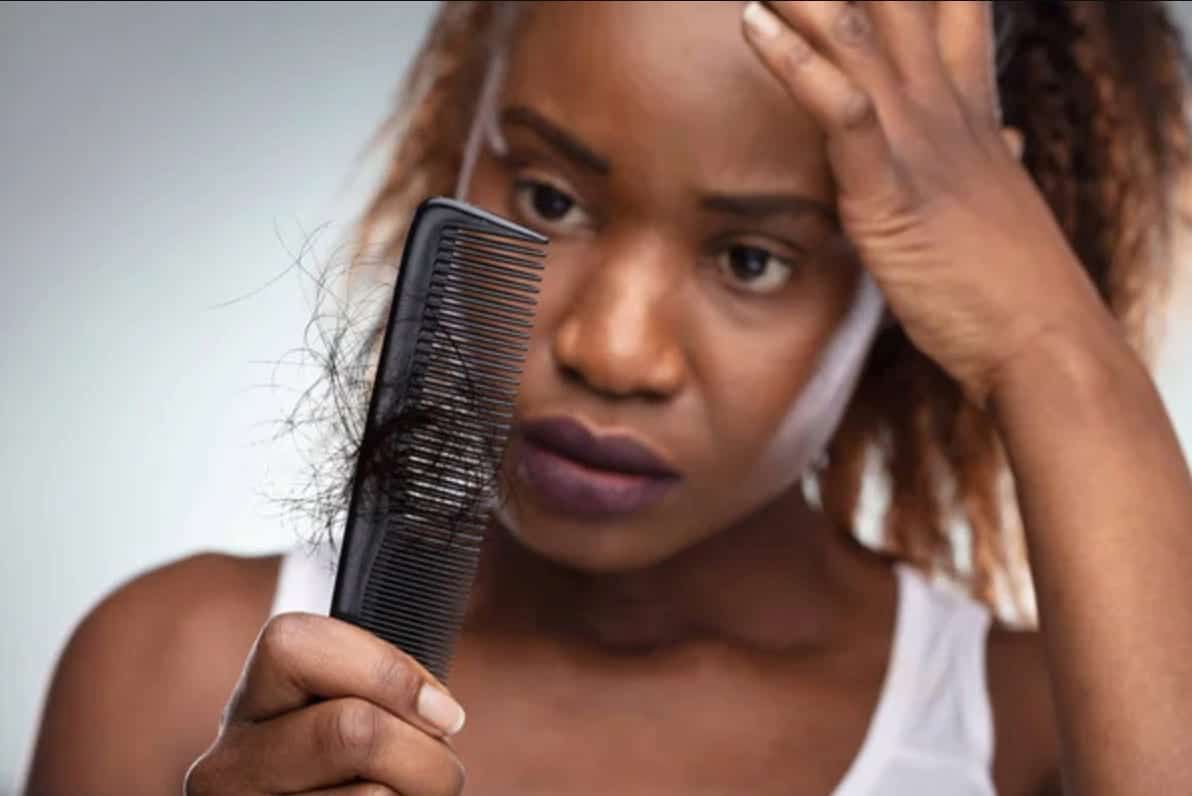
Breakage, traction and scalp disease need different care. Persistent crown thinning or scalp symptoms should be assessed.

On this page
Hair loss in Black women has several possible causes. Breakage can affect the strand, traction can damage the hairline, and conditions such as central centrifugal cicatricial alopecia can damage follicles. Hair texture alone does not establish the diagnosis or the right treatment.
Crown thinning and CCCA
Central centrifugal cicatricial alopecia, or CCCA, often begins around the crown and can spread outwards. It is a scarring condition, meaning follicles can be permanently destroyed. It may be associated with symptoms such as itching or tenderness, although symptoms vary.
The British Association of Dermatologists' CCCA leaflet explains the condition and the need for assessment. Early treatment aims to control the process and protect remaining hair; an oil or shampoo should not be presented as a way to restore destroyed follicles.
Traction at the hairline
Repeated tension from a style can damage hair and follicles. Braids, extensions, ponytails and other styles vary widely in how much they pull. Pain or a tight, uncomfortable hairline is a reason to loosen or change a style.
Early traction-related loss may improve when the pulling stops. Long-standing traction can leave permanent damage. The BAD traction alopecia guide explains this distinction. Persistent gaps or inflammation need advice rather than increasingly tight styling to conceal them.
Caring for the strand
Afro-textured hair varies in curl, density and strand thickness. Gentle detangling, suitable conditioning and reducing damaging heat or chemical processing can help limit breakage. A routine should be adjusted to the person's hair and scalp rather than imposed from a curl-type label.
The BAD guide to caring for Afro-textured hair gives practical advice. Hair-shaft care can improve manageability, but it does not replace treatment of an inflammatory scalp condition.
Other causes still need consideration
Female pattern loss can cause gradual thinning over the top of the scalp. Alopecia areata can cause patches, while telogen effluvium can cause increased shedding after a trigger. More than one condition may be present.
Describe when the change started and whether there is pain, itching, scaling or loss elsewhere. Include changes in health, medicines and styling practices. An examination, and sometimes further investigation, helps establish the cause without assuming that every problem is due to grooming.
Is a transplant suitable?
A transplant may be considered for selected patients, but active scarring disease or alopecia areata can make surgery unsuitable. The donor area, hair characteristics, stability of loss and realistic coverage all need assessment.
A consultation should explain experience with the relevant hair characteristics and how extraction and placement will be planned. Read our Afro hair transplant information alongside the general surgery guide, then ask how the advice applies to your diagnosis.
Questions and answers
Is every area of thinning caused by tight hairstyles?
No. Traction is one possible cause. Pattern loss, CCCA, alopecia areata and other conditions also need consideration.
Should I wait if my crown is thinning and itchy?
Arrange a medical assessment. Some inflammatory conditions can damage follicles, and symptoms should not be managed indefinitely with cosmetic products alone.
Does hair texture decide whether I can have surgery?
No. It is one aspect of planning. Diagnosis, disease activity, donor supply and expectations also determine suitability.