Blog Details

HOME  >  BLOG DETAILS

Guide to minimally invasive hair transplants: natural results

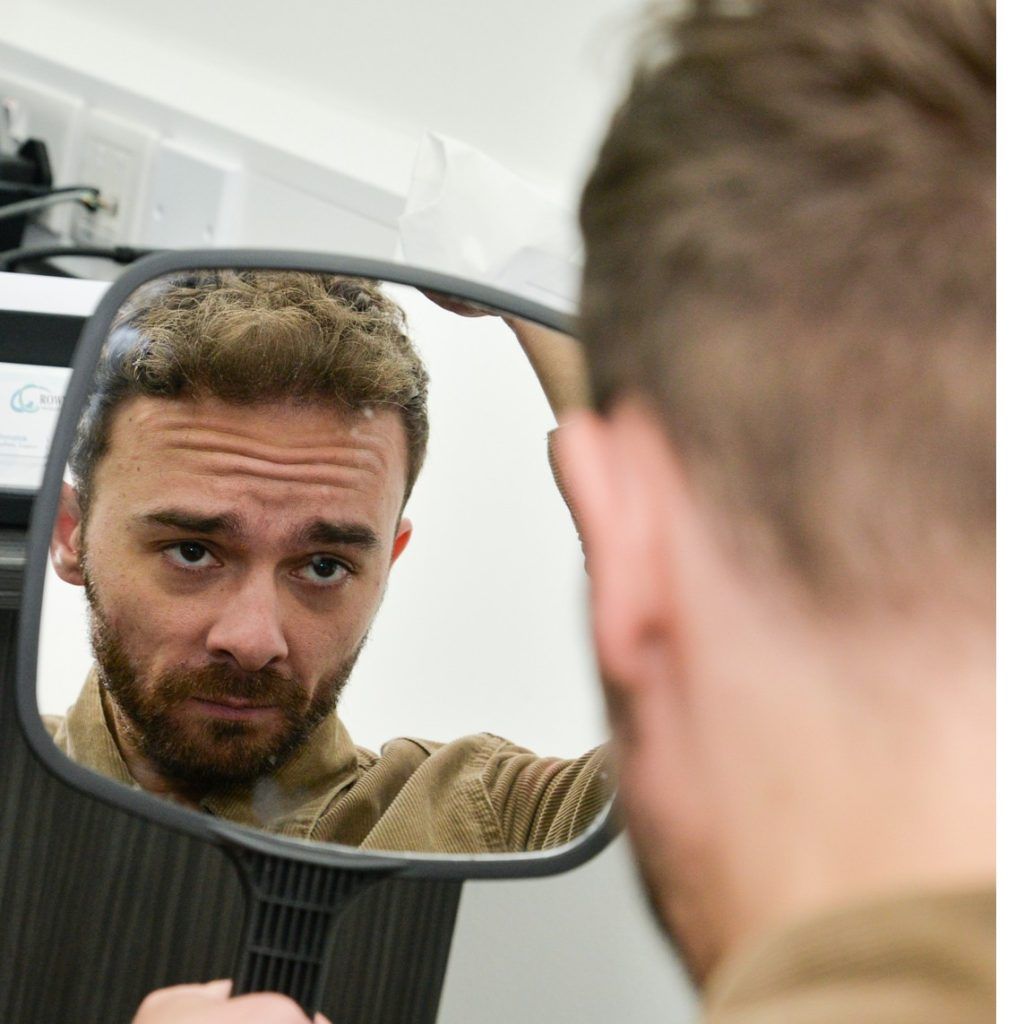
Hair loss affects millions of people across the UK, and for many, the frustration goes beyond appearance. It touches confidence, identity, and daily comfort. The good news is that modern hair restoration has moved well past the “hair plug” era. Today’s minimally invasive hair transplants deliver natural-looking results with shorter recovery times and far less disruption to your life. This guide covers everything you need to know: what these procedures actually involve, how to choose the right clinic and surgeon, what happens on the day, how much it costs, and what realistic results look like over time.

Table of Contents

Key Takeaways

Point Details
Choose surgeon wisely Experience and credentials matter more than the transplant method name.
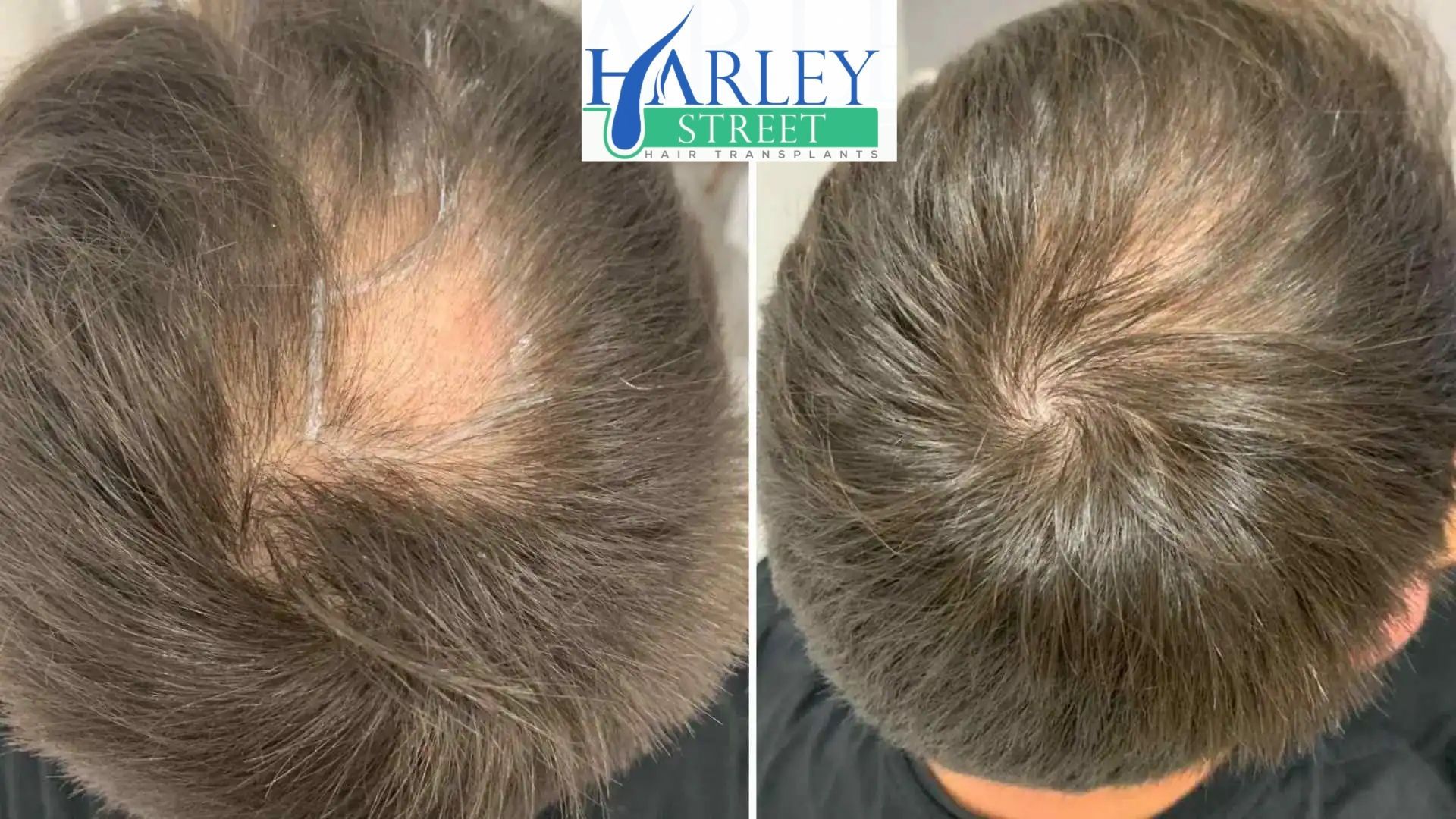
Expect a natural look Minimally invasive techniques yield natural-looking hair with minimal downtime.
Cost varies widely Hair transplant prices in the UK range from £3,000 to £12,000 or more at top clinics.
NHS rarely funds NHS only covers transplants for medical needs, not typical hair loss cases.

What makes hair transplants minimally invasive?

The phrase “minimally invasive” in hair restoration refers to procedures that avoid large incisions, general anesthesia, and lengthy hospital stays. Instead of cutting a wide strip of scalp, these techniques remove and implant individual hair follicles with precision instruments, leaving only tiny, barely visible marks.

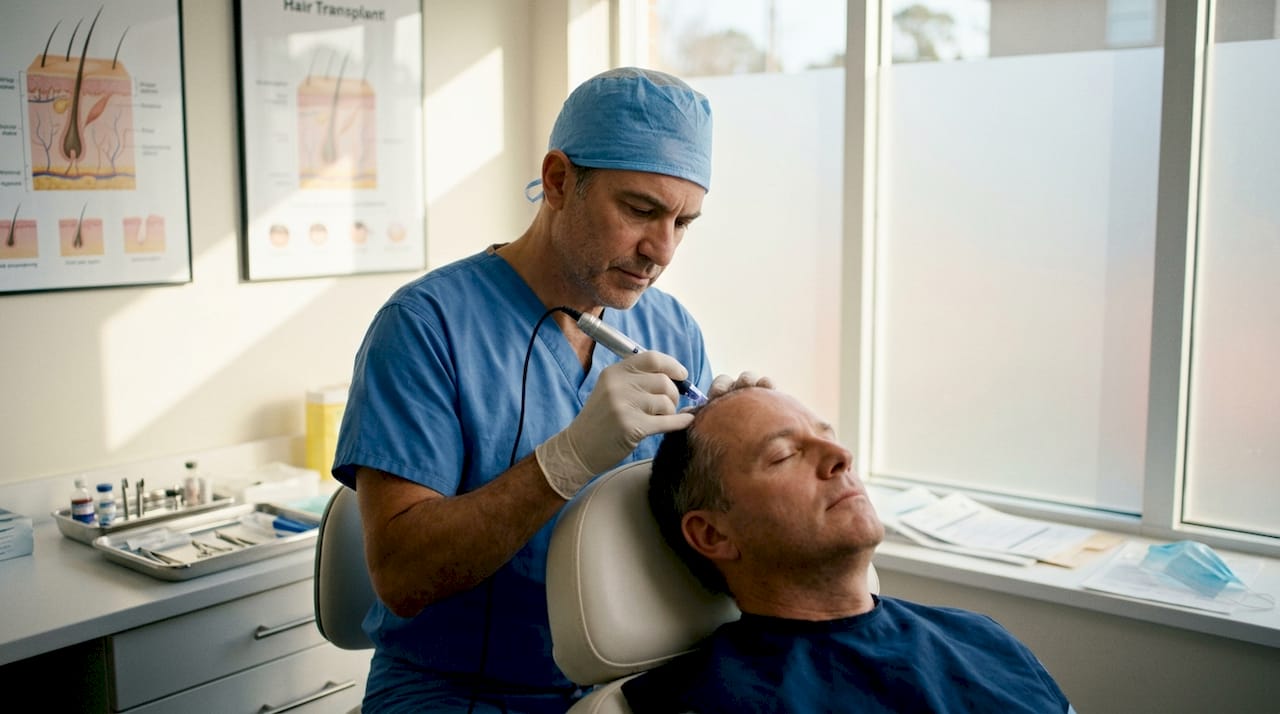
The two main methods are FUE (Follicular Unit Extraction) and DHI (Direct Hair Implantation) . Both are performed under local anesthesia, typically in a single day, and both are designed to produce a natural hairline without linear scarring.

How FUE works: A surgeon uses a micro-punch tool (usually 0.6mm to 1mm wide) to extract individual follicular units from the donor area, usually the back of the scalp. Those grafts are then implanted into tiny recipient sites created in the thinning area.

How DHI works: DHI uses a specialized pen-like device called a Choi implanter, which extracts and implants the follicle in one motion. This reduces the time grafts spend outside the body, which some clinics argue improves survival rates.

| Feature | FUE | DHI | |—|—|—|
| Scarring | Tiny dot scars | Minimal dot scars | | Recovery time | 7-10 days | 7-10 days | | Graft survival rate | 75-85% (independent data) | 90-95% (promoter claims) | | Cost | Lower on average | Typically higher | | Best for | Larger areas | Precision/density work | | Anesthesia | Local | Local |

It is worth noting that FUE vs DHI outcomes are often closer than marketing suggests. DHI promoters frequently claim superior graft survival of 90-95% compared to FUE’s 75-85%, but independent reviewers generally see similar outcomes when the surgeon is equally skilled. Prioritizing a surgeon registered with BAHRS (British Association of Hair Restoration Surgery) or ISHRS (International Society of Hair Restoration Surgery) will do more for your results than choosing one technique over another.

Key benefits of minimally invasive methods include:

  • No general anesthesia required
  • Minimal visible scarring
  • Return to work within days for most patients
  • Natural hairline design when performed by an experienced surgeon
  • Permanent results from your own hair follicles

For critical evaluations of hair transplant techniques , including how different methods compare in real clinical settings, it helps to read beyond clinic marketing materials.

How to get ready: Choosing your clinic and surgeon

Choosing the right clinic is the single most important decision you will make. The technique matters far less than the hands performing it. Here is what to check before booking anything.

Surgeon credentials: Look for membership in BAHRS or ISHRS. These organizations hold members to rigorous clinical and ethical standards. A qualified hair transplant clinic should be transparent about its surgeons’ training, experience, and before-and-after case portfolios.

CQC registration: In the UK, any clinic performing surgical procedures should be registered with the Care Quality Commission (CQC). This is non-negotiable.

Consultation quality: A reputable clinic will offer a detailed consultation, assess your hair loss pattern, discuss realistic outcomes, and explain which technique suits your specific situation. Avoid clinics that push you toward a decision in the first meeting.

NHS funding: NHS and independent guidance confirms that hair transplants are almost never funded by the NHS. Exceptions exist only in rare medical cases, such as scarring from burns or trauma. Pattern baldness and cosmetic hair loss are not covered.

Checklist item Why it matters
BAHRS/ISHRS membership Ensures clinical standards
CQC registration Legal requirement for UK surgical clinics
Surgeon portfolio Verifies real-world results
Transparent pricing Avoids hidden costs
Written aftercare plan Critical for recovery

Questions to ask at your consultation:

  1. How many procedures has this surgeon personally performed?
  2. Will the same surgeon perform the entire procedure, or will technicians assist?
  3. What is the clinic’s policy if results are unsatisfactory?
  4. Can I see before-and-after photos of patients with similar hair loss patterns?
  5. What is included in the quoted price?

Before surgery, you should also prepare at home. Stop smoking at least two weeks before the procedure, as smoking reduces blood flow to the scalp and impairs healing. Avoid alcohol for 48 hours beforehand. Do not take blood-thinning medications like aspirin or ibuprofen unless your doctor advises otherwise. Wash your hair the morning of the procedure but skip styling products.

Pro Tip: Ask the clinic whether the quoted surgeon will personally perform every stage of the extraction and implantation. Some clinics use trained technicians for parts of the procedure, which can affect outcomes.

Always prioritize BAHRS/ISHRS surgeons over price or promotional claims when making your final decision.

What happens during a minimally invasive hair transplant step-by-step

Knowing exactly what to expect on the day reduces anxiety and helps you prepare practically. Here is a clear walkthrough of the process.

  1. Arrival and assessment: You arrive at the clinic, and the surgical team reviews your treatment plan. The hairline design is marked on your scalp, and you approve it before anything begins.
  2. Preparation: The donor area (usually the back of the scalp) is shaved or trimmed. Photographs are taken for clinical records.
  3. Local anesthesia: Injections numb both the donor and recipient areas. This is typically the most uncomfortable part of the day, described by most patients as a brief stinging sensation.
  4. Extraction: For FUE, the surgeon uses a micro-punch to remove individual follicular units. For DHI, the Choi implanter is used. This stage can take several hours depending on graft count.
  5. Graft storage: Extracted grafts are placed in a chilled saline solution to preserve viability. Time outside the body is kept as short as possible.
  6. Implantation: Grafts are placed into the recipient area according to the pre-agreed hairline design. Angle, depth, and density are all carefully controlled.
  7. Post-procedure care: The team cleans the scalp, applies protective dressings if needed, and provides written aftercare instructions.

Pro Tip: Bring headphones and something to watch or listen to. The procedure can last 6-8 hours for larger sessions, and staying relaxed helps the day pass more comfortably.

“The implantation stage is where artistry meets science. Correct angle and direction of each graft determines whether the final result looks natural or artificial.” This is why surgeon experience, not just technique, defines outcomes.

Regarding graft survival, DHI vs FUE survival rates are frequently debated. DHI promoters cite 90-95% survival versus FUE’s 75-85%, though independent data shows results converge significantly when both are performed by experienced hands. For clinic experience and patient guidance, reviewing verified patient testimonials alongside clinical data gives you the clearest picture.

Common mistakes, troubleshooting, and realistic results

Even with the best clinic, patients sometimes undermine their own results. Here are the most common mistakes and how to avoid them.

Before the procedure:

  • Choosing a clinic based on price alone
  • Failing to disclose medications or health conditions
  • Not stopping smoking or alcohol in advance
  • Ignoring credentials in favor of glossy marketing

After the procedure:

  • Touching or scratching the recipient area in the first week
  • Exposing the scalp to direct sunlight too soon
  • Returning to intense exercise within the first two weeks
  • Missing follow-up appointments

“The first 10 days after your transplant are critical. The grafts are not yet anchored securely, and any trauma to the scalp can dislodge them permanently.”

Warning signs that need medical attention:

  • Significant swelling that spreads to the forehead and eyes beyond day three
  • Signs of infection: increasing redness, warmth, or discharge
  • Sudden loss of multiple grafts after the first week

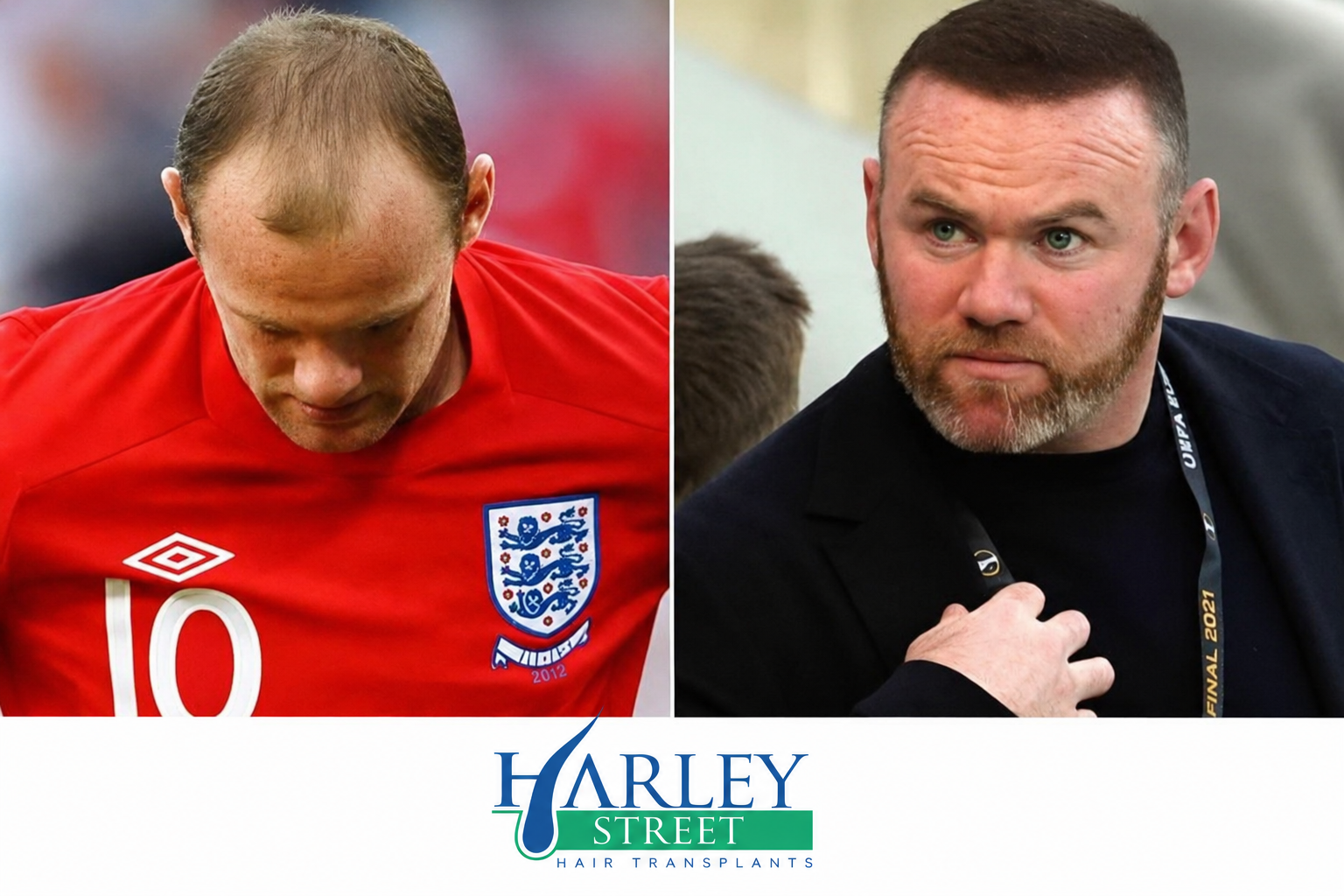
Costs and funding: According to BAPRAS patient information, UK hair transplant costs range from £3,000 to £12,000 on average, based on 2,000 to 4,000 grafts at £3 to £5 per graft. Harley Street clinics typically charge between £4,000 and £8,000. NHS hair transplant funding is not available for cosmetic or pattern baldness, only for rare medical cases involving scarring or trauma.

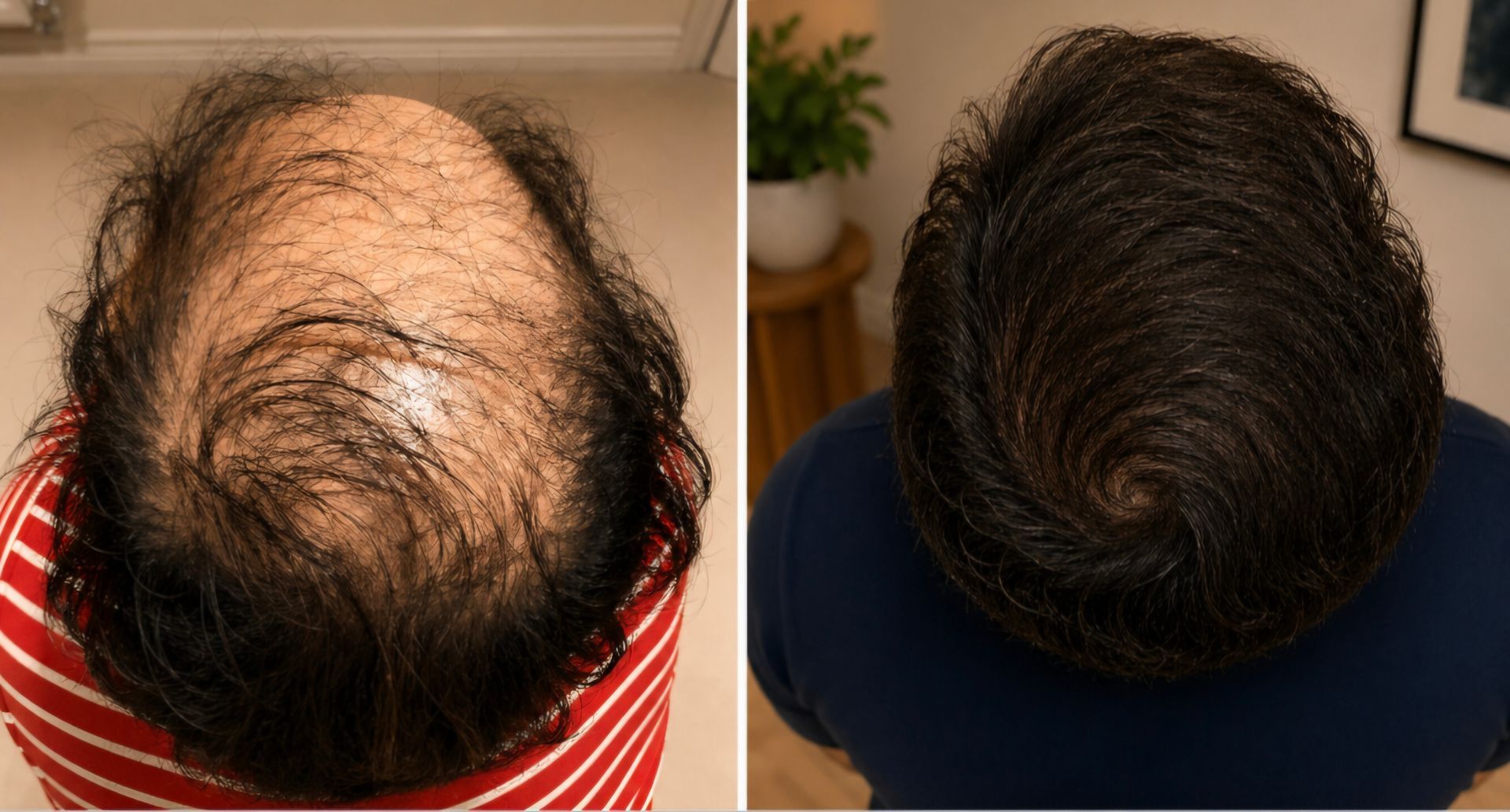
What natural results look like over time:

  • Weeks 1 to 3: Redness, scabbing, and some shedding of transplanted hairs (this is normal)
  • Months 1 to 3: The “shock loss” phase, where transplanted hairs fall out before regrowth begins
  • Months 3 to 6: Early new growth becomes visible
  • Months 9 to 18: Full density and natural appearance develop

For troubleshooting and patient stories from people who have been through the process, reading verified accounts helps set realistic expectations before you commit.

Why surgeon experience matters more than technique hype

Here is something the marketing rarely tells you: the difference between FUE and DHI is far smaller than the difference between a skilled surgeon and an average one. Clinics invest heavily in promoting their chosen technique because it gives them a selling point. But the reality, supported by independent clinical evaluations, is that both methods produce excellent results in experienced hands and disappointing results in inexperienced ones.

The true variables are hairline design, graft angle, density distribution, and the surgeon’s ability to read your specific hair characteristics. These are skills built over hundreds of procedures, not features of a device.

Choosing a clinic because it offers DHI and claims 95% graft survival, without checking the surgeon’s credentials or reviewing real patient outcomes, is the most common and costly mistake patients make. Focus on verified results, BAHRS or ISHRS registration, and transparent consultations. The technique is secondary.

Ready to take the next step?

If you have been researching your options and feel ready to move forward, personalized expert advice is the most valuable next step you can take.

Harley Street Hair Transplants offers consultations with experienced, credentialed surgeons who specialize in FUE and DHI procedures. The team provides honest assessments, transparent pricing, and detailed aftercare support, so you know exactly what to expect before, during, and after your procedure. Natural-looking, lasting results are achievable when you work with the right specialists. Book your consultation today and take the first informed step toward restoring your hair with confidence.

Frequently asked questions

How painful is a minimally invasive hair transplant?

You will typically feel only mild discomfort due to local anesthesia. Most patients describe the procedure experience as very manageable, with the anesthesia injections being the most uncomfortable part.

Is it possible to get funding for a hair transplant through the NHS?

Hair transplants are almost never funded on the NHS. According to BAPRAS surgical guidance, funding is only available in rare medical cases involving scarring or trauma, not for cosmetic or pattern baldness.

What is the average cost of a minimally invasive hair transplant in the UK?

You can expect to pay between £3,000 and £12,000 depending on graft numbers and clinic. Harley Street pricing typically falls between £4,000 and £8,000 due to the premium location and specialist expertise.

How soon will I see results after a minimally invasive hair transplant?

Full results typically take 12 to 18 months to develop. Most patients notice early new growth between 3 and 6 months post-procedure, with density continuing to improve through the first year and a half.

Recommended

By Harley street hair transplants April 13, 2026
Learn how DHI hair transplants work, who qualifies, and why surgeon skill matters more than technology. Expert insights for UK patients considering DHI.
By Harley street hair transplants February 17, 2025
What should I do before and after my hair transplant ? 
a logo of Alliance of Hair Restoration Surgeons
By Harley street hair transplants January 12, 2025
hair transplant surgeons who are Registered with Alliance of Hair Restoration Surgeons
Picture of a NHS on a building
By Harley street hair transplants December 30, 2024
having a hair Transplant with the NHS and risks of having a hair transplant.
By Medically reviewed Dr Harpreet Kalra August 27, 2024
Having A Hair Transplant in 2024?
A picture of Kyle Walker before and after a FUE  hair transplant.
By Harley street hair transplants July 9, 2024
Kyle Walker, who plays as a right-back for Manchester City and the England national team, has been a subject of speculation regarding his hair for a few years now. Observers and fans have noticed a significant change in his hairline and thickness, leading many to believe that he has had a hair transplant.
A picture of Mo Salah before and after hair transplant
By Harley street hair transplants June 4, 2024
For professional athletes, like Mo Salah maintaining a youthful and vigorous appearance can be crucial, both for personal confidence and public image.
A  picture of a Turkish flag and Great Britain flag side by side
By Harley Street London May 25, 2023
When it comes to choosing a location for your hair transplant, the UK and Turkey lead the way. In today's post, we cover the factors to consider when choosing the right location.
A picture of a hair transplant surgeon
By Harley Street Hair Transplant London May 9, 2023
In today's blog post, we cover the importance of doing your research before choosing a clinic to carry out your hair transplant.
March 22, 2023
Hair loss affects millions of people worldwide, and it can be caused by a variety of factors, including genetics, aging, hormonal changes, and medical conditions.