Blog Details
HOME > BLOG DETAILS
Latest Hair Transplant Techniques in 2026: What Clinics Don’t Tell You
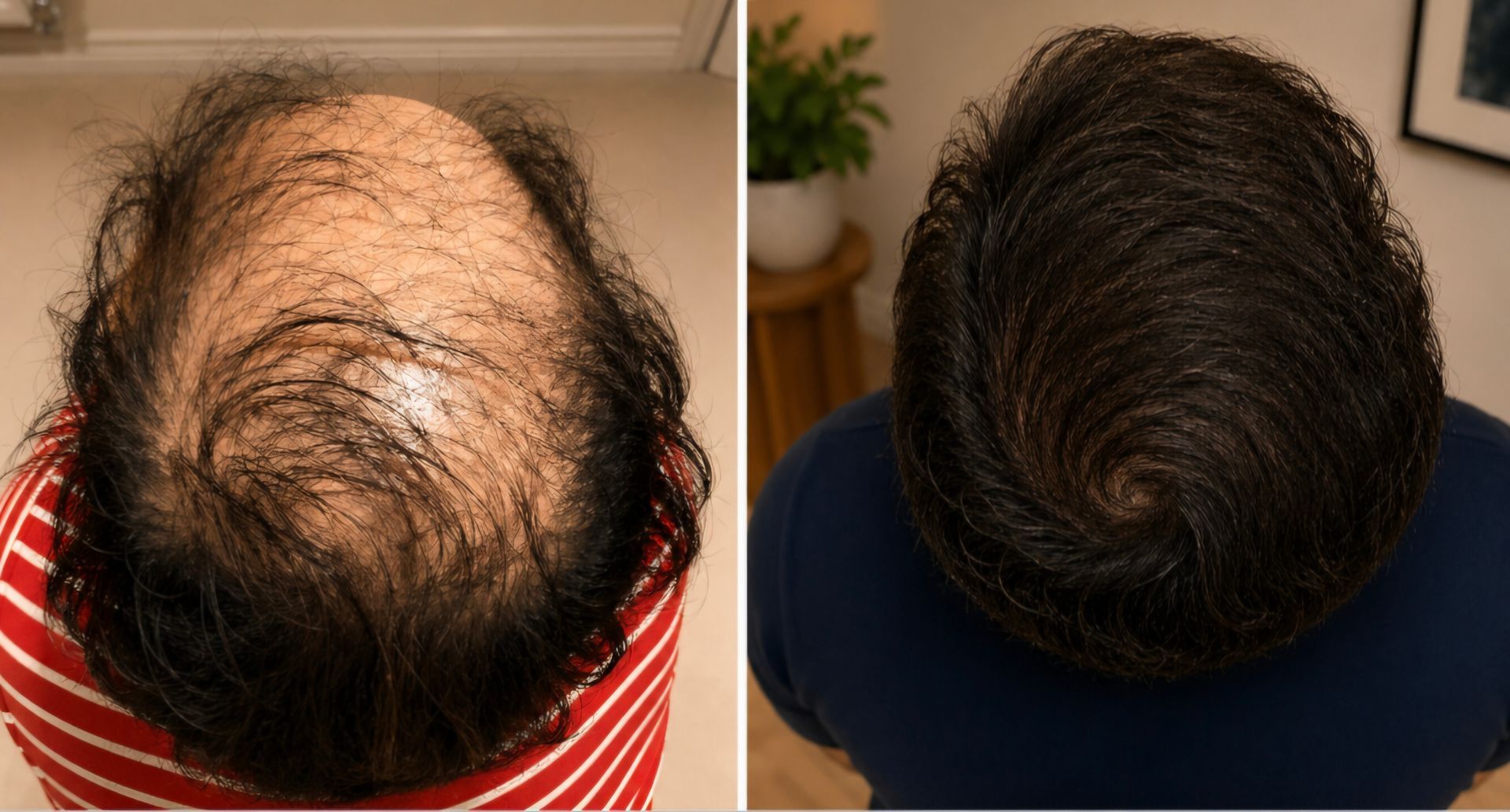
If you’re researching a hair transplant in 2026, most clinics will feed you the same recycled claims: “natural results”, “latest technology”, “painless procedure.” That’s baseline. It means nothing.
What actually matters—and what separates elite clinics from average ones—is execution, planning, and density strategy. Here’s the real breakdown of what’s changed in 2026, and what you should be paying attention to before booking.
The Shift: From “Procedure” to Hairline Engineering
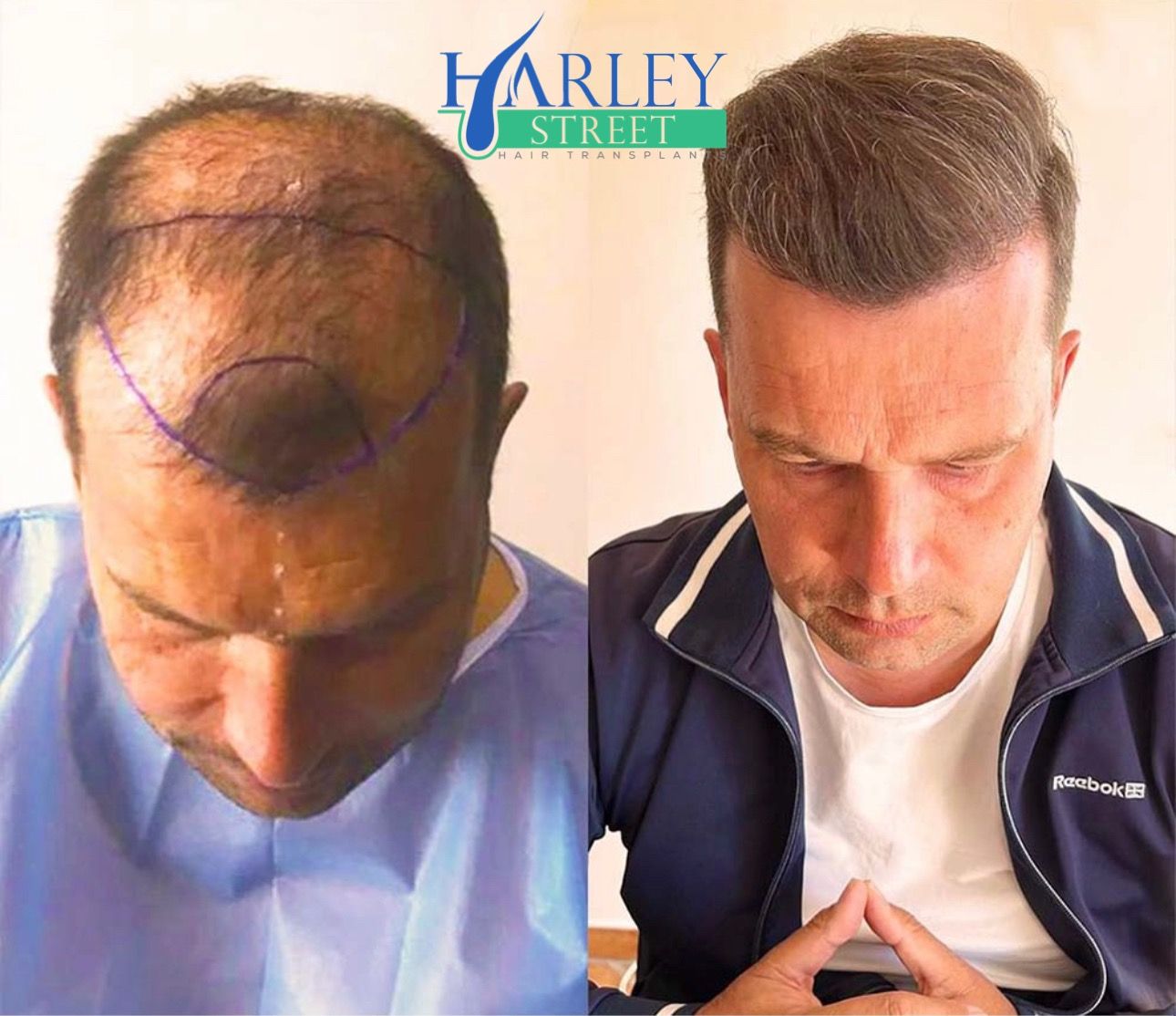
Hair transplants are no longer just about moving grafts. The top clinics now approach this as facial design + long-term planning.
Key upgrades in 2026:
Micro-irregular hairlines (no straight lines, ever)
Density layering (not just “fill it in”)
Strategic graft placement based on future loss patterns
Custom angles to match natural growth direction
If your clinic isn’t talking about future-proofing your hairline, they’re behind.
FUE vs DHI – The Truth (Not the Marketing Version)
You’ll see a lot of clinics pushing one over the other. That’s usually sales-driven.
FUE (Follicular Unit Extraction)
Grafts extracted individually
Channels created before implantation
Best for larger areas & full coverage
DHI (Direct Hair Implantation)
Uses implanter pens
No pre-made channels
More control in hairline zones
Reality check:
There is no “best method.” High-level clinics combine both depending on the area. If a clinic only offers one—it’s a limitation, not a benefit.
Density: Where Most Clinics Fail
This is where you need to be ruthless.
Most clinics:
Overpromise density
Under-deliver graft survival
Ignore donor management
What elite clinics do differently:
Calculate donor capacity first
Design density based on realistic graft survival rates (85–95%)
Avoid overharvesting (which destroys long-term options)
If your consultation starts with “how many grafts do you want?”—walk away.
Recovery & Results Timeline (Realistic, Not Sales Talk)
Days 1–10: Scabbing + redness (normal)
Weeks 2–6: Shedding phase (shock loss)
Months 3–5: Early regrowth (thin, uneven)
Months 6–9: Noticeable density improvement
12+ months: Final result
Anyone promising “full results in 6 months” is selling, not advising.
What Your Consultation Should Include
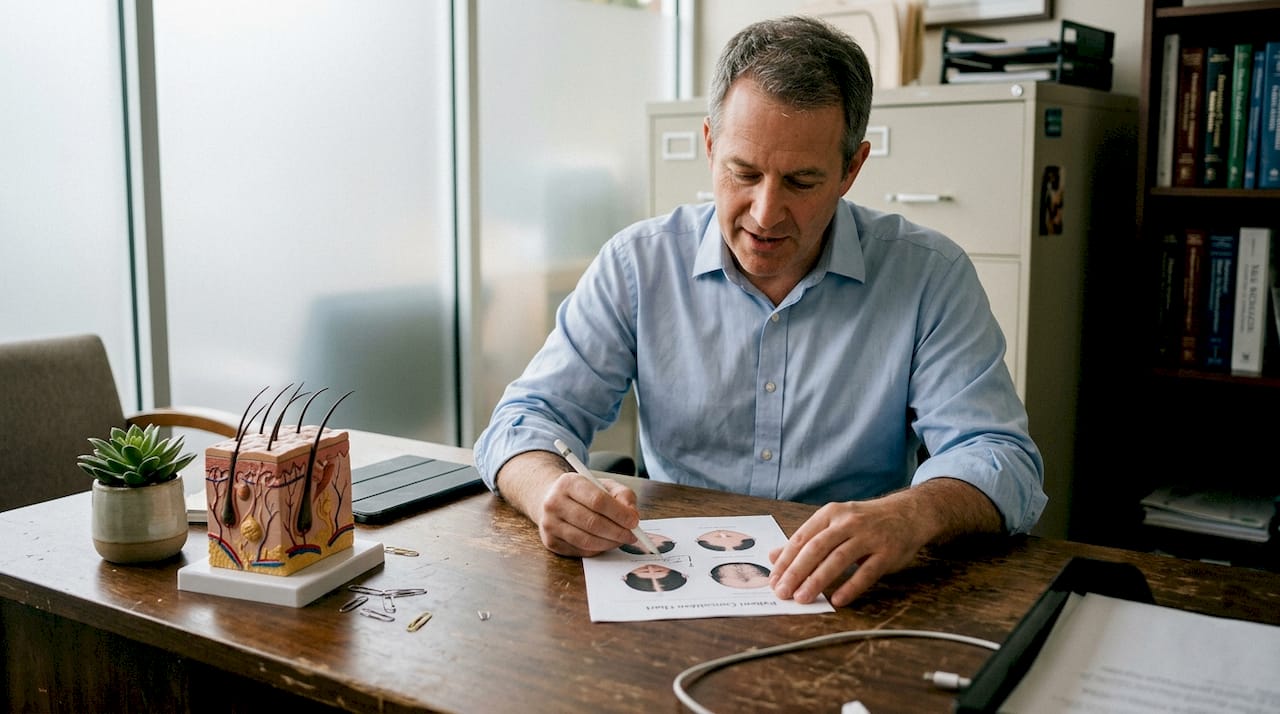
If you’re serious about getting this right, your consultation must cover:
Donor area analysis (density, elasticity, long-term viability)
Hairline design tailored to your face—not a template
Graft strategy (how many, where, why)
Future loss planning (this is where most clinics fail badly)
No depth = no deal.
Why Patients Are Travelling Across the UK in 2026
We’re seeing a clear shift: patients are no longer choosing the cheapest clinic—they’re choosing predictable results.
Clinics that dominate now are:
Transparent with limitations
Focused on natural density, not gimmicks
Built around surgeon-led planning (not sales teams)
Final Word
Hair transplants are permanent. Bad work is even more permanent.
The difference between a “good” result and an elite one comes down to:
Hairline design
Density control
Donor management
Surgeon involvement
Miss one of those—and you’re paying twice to fix it.
Book a Professional Consultation
If you want a proper, assessment of your hair loss and what’s realistically achievable:
🌐 www.harleystreethairtransplants.org
📞 02080881333