
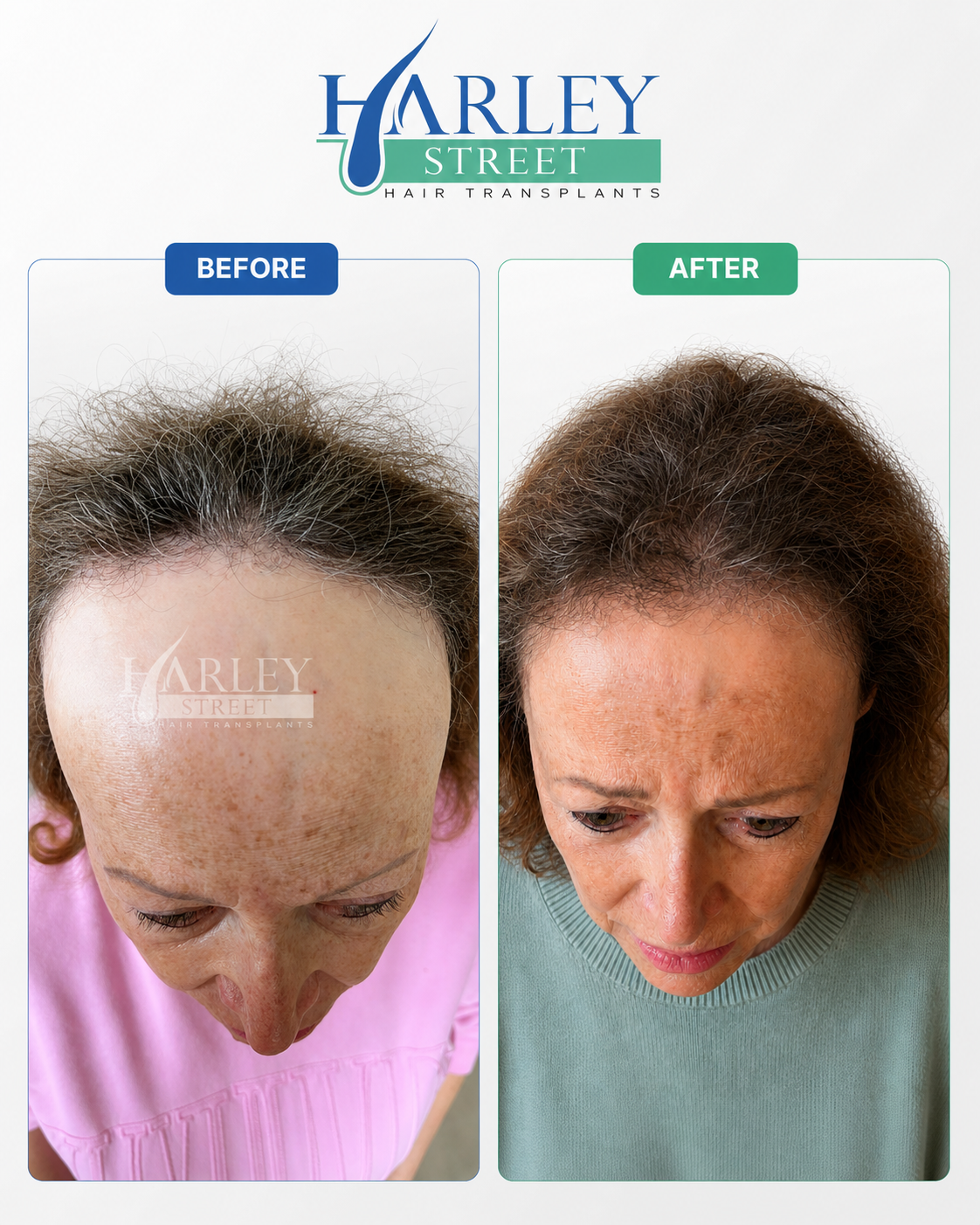
Hair Transplant Before & After Results
Explore real hair transplant before and after results from patients treated by Harley Street Hair Transplants. The gallery includes different patterns of hair loss, graft requirements, hair types and stages of postoperative growth.
The case studies include published graft counts and approximate follow-up times where available. Select a photograph to see the full comparison.



Patient Hair Transplant Results
Real patient before and after results showing the approximate stage of growth and the number of grafts transplanted.
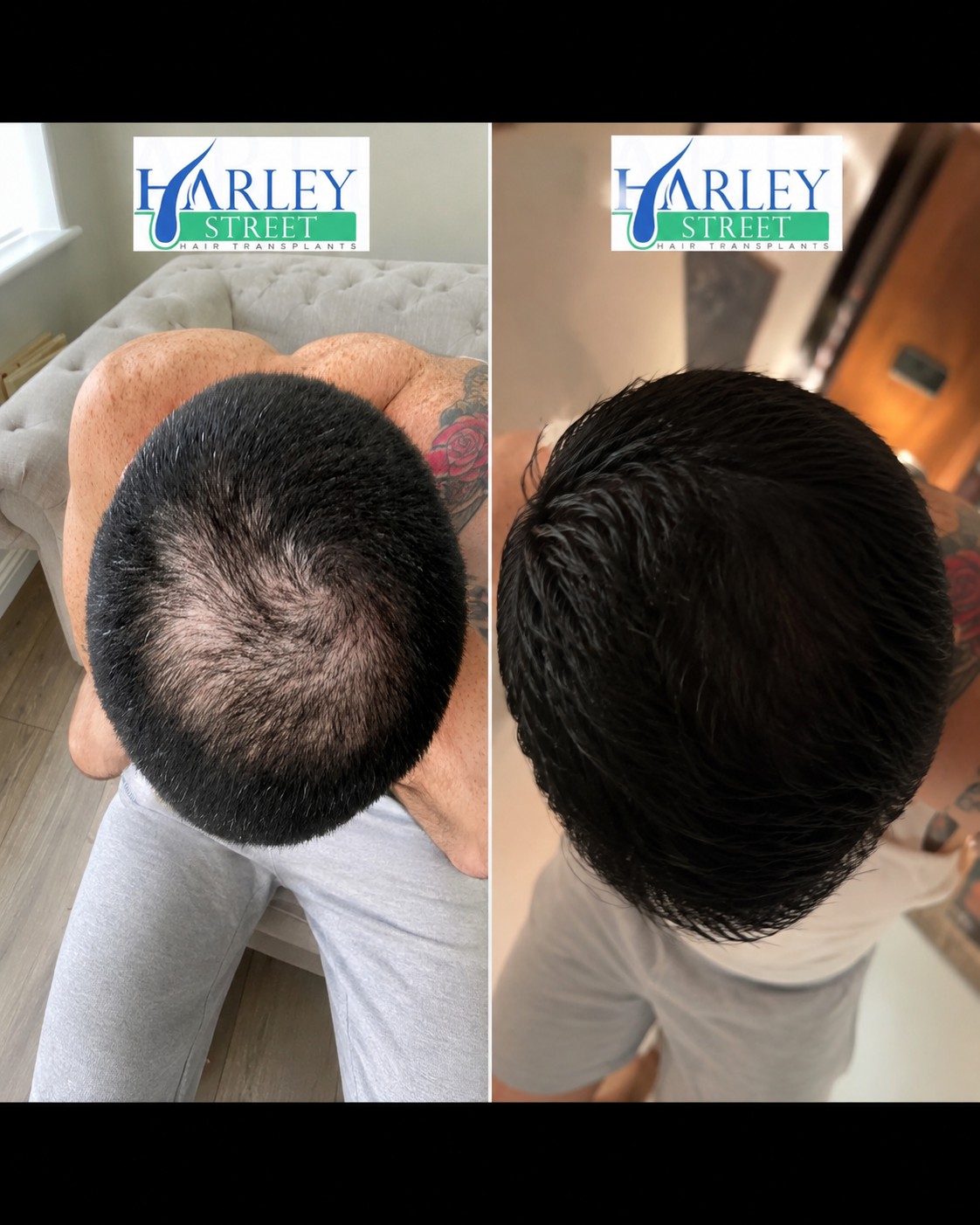
Johnathan's Results
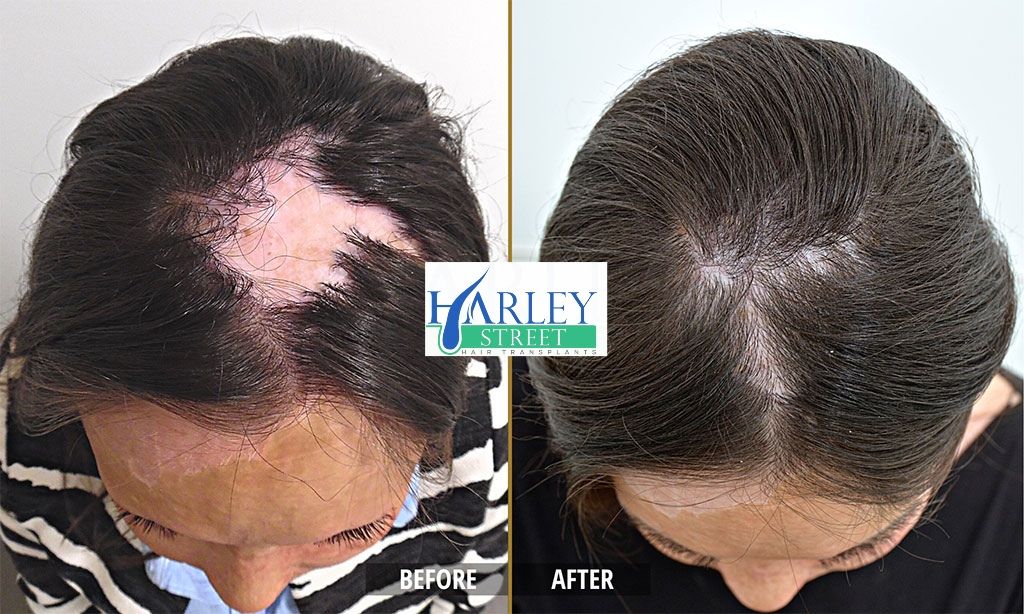
Helen's Results
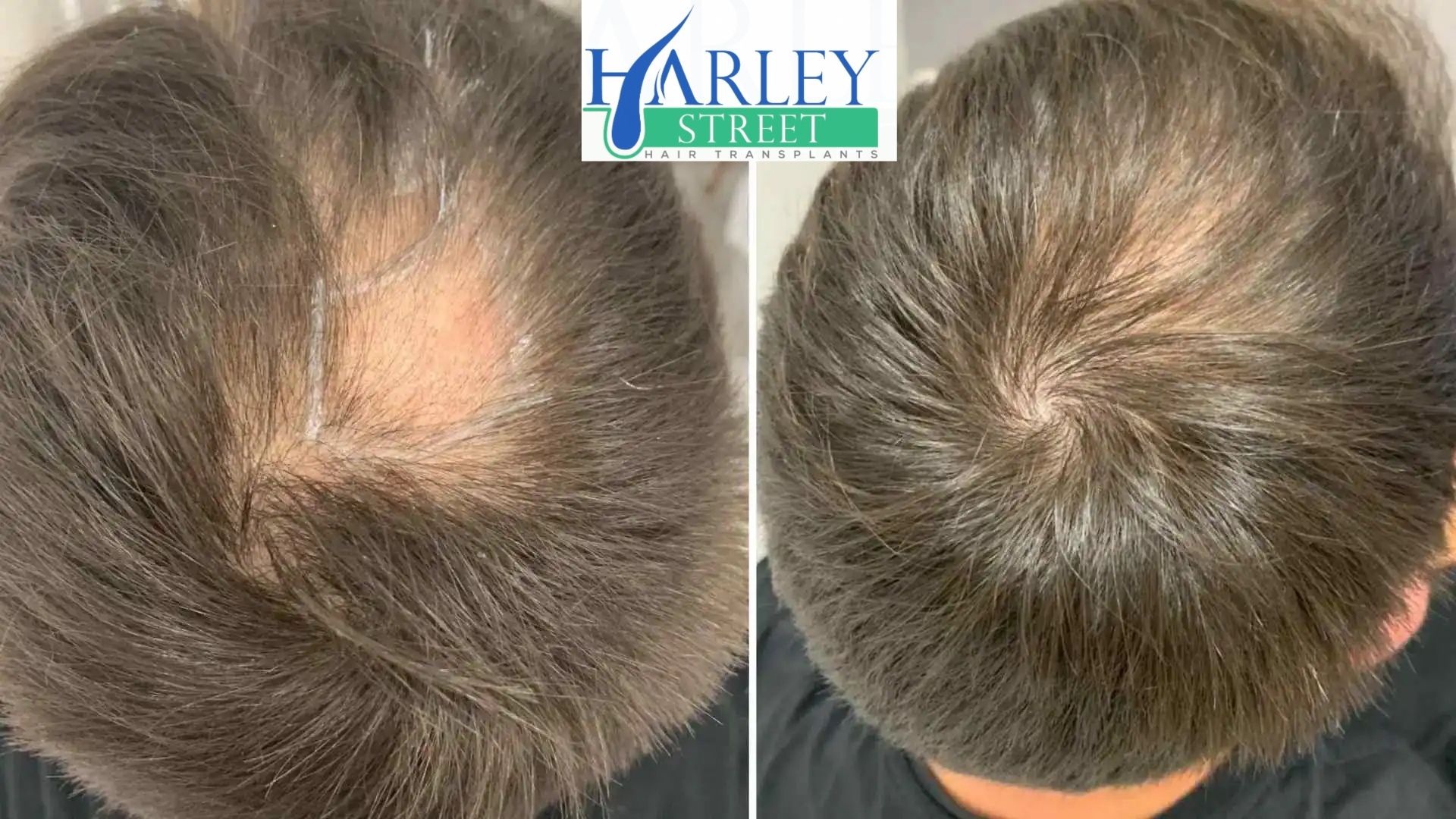
Sam's Results
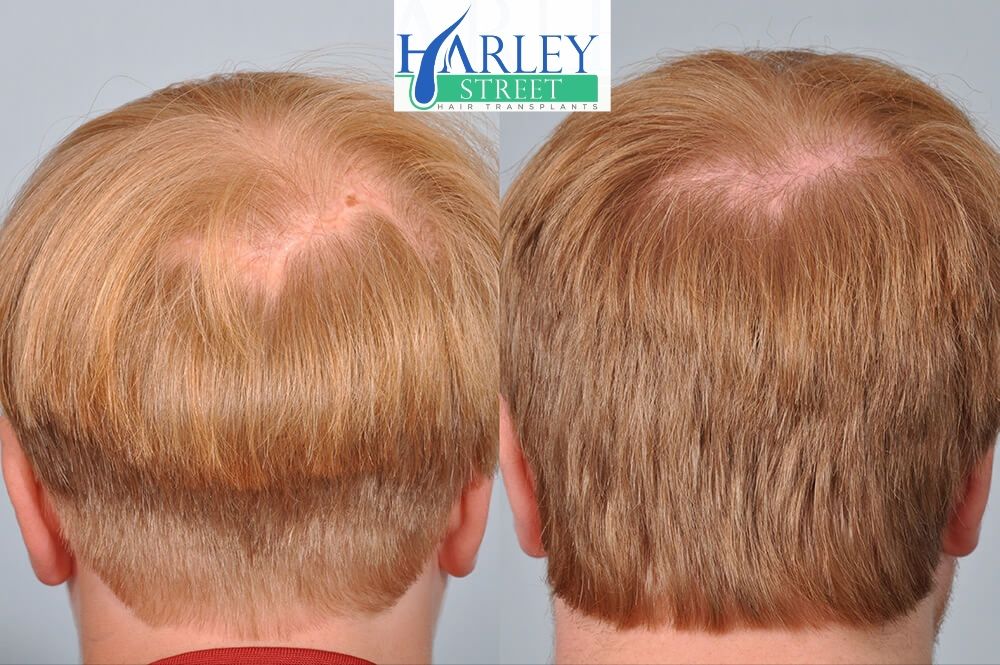
Pete's Results
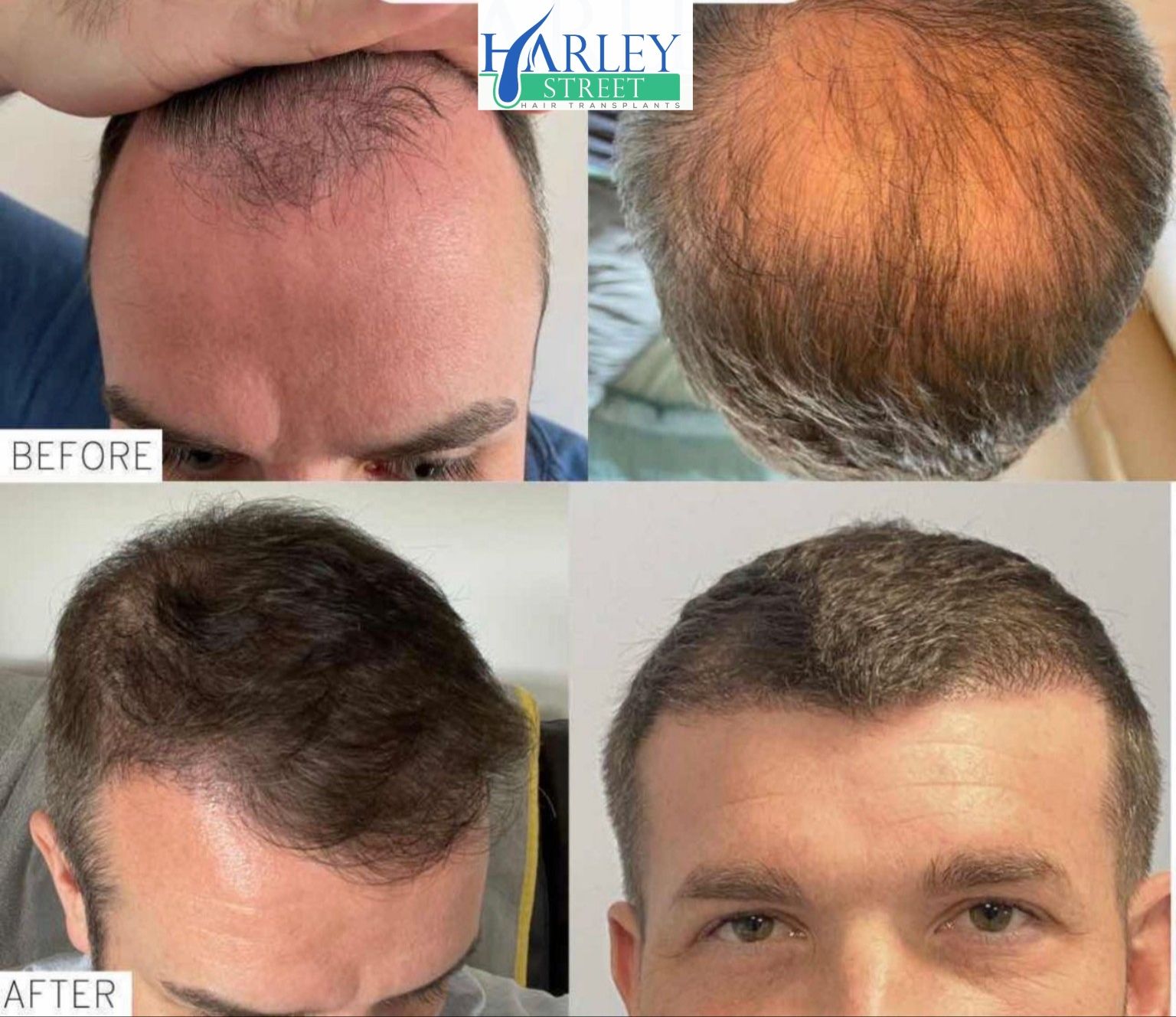
Danny's Results
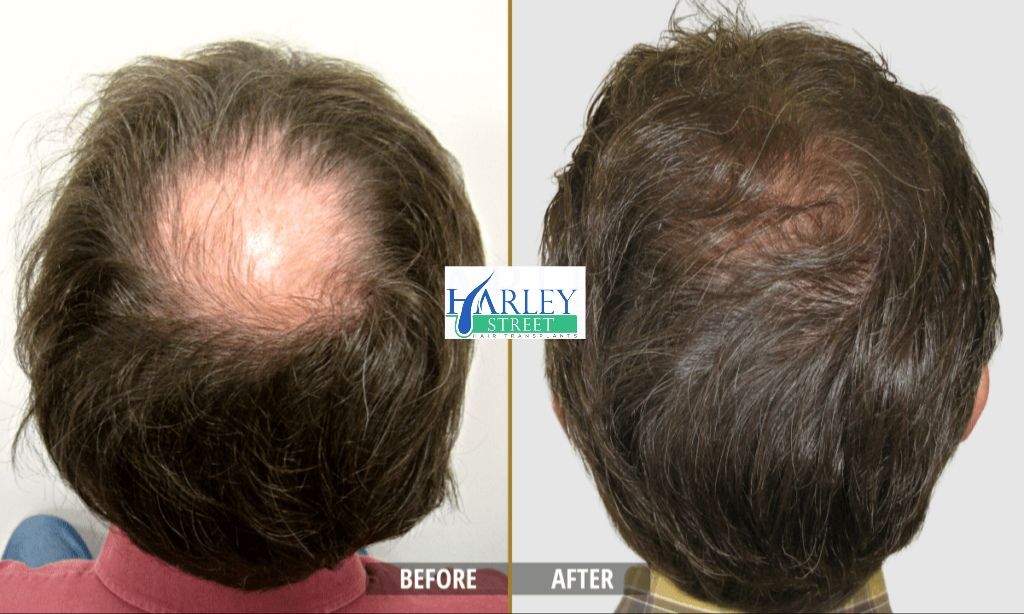
Tommy's Results
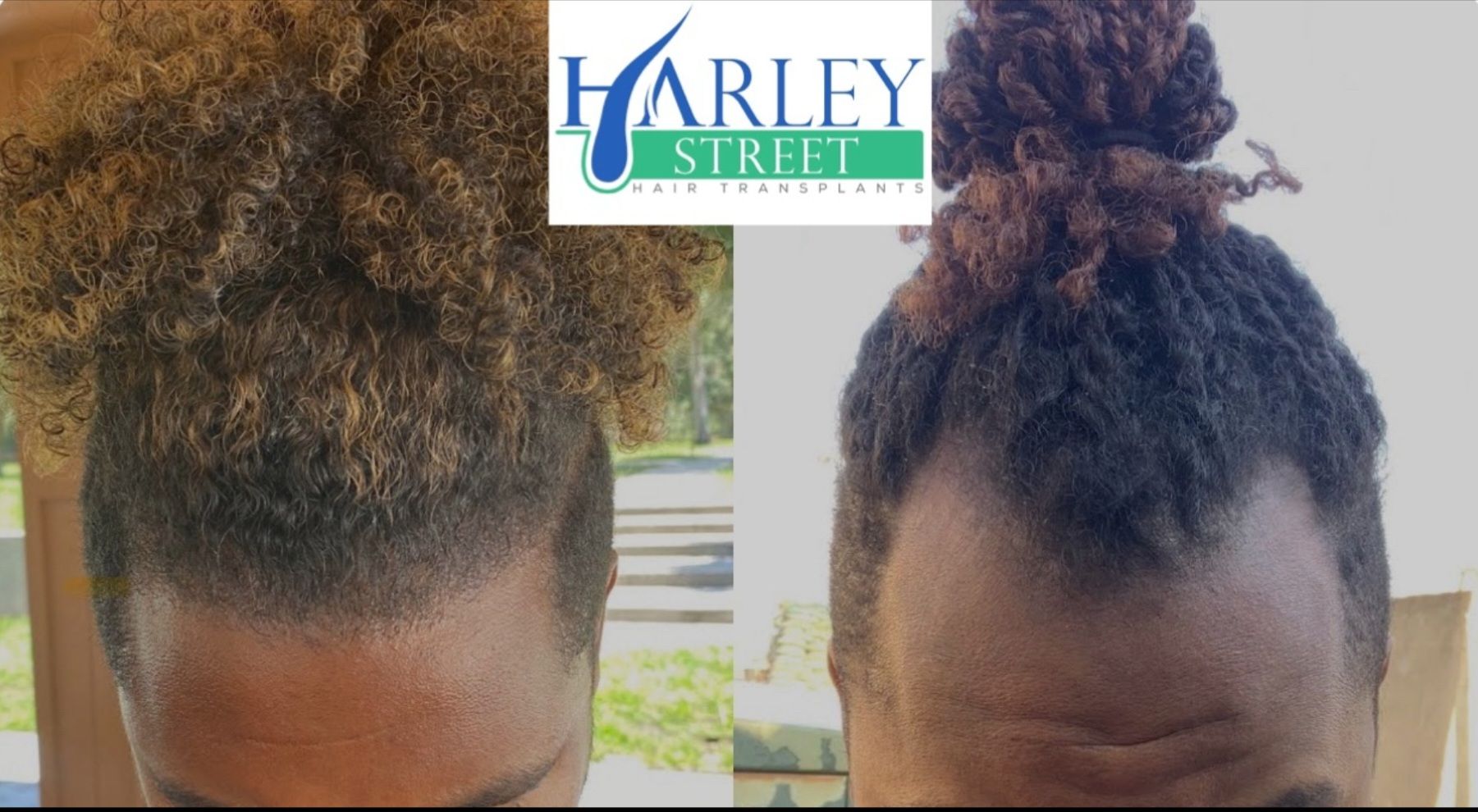
Jackie's Results
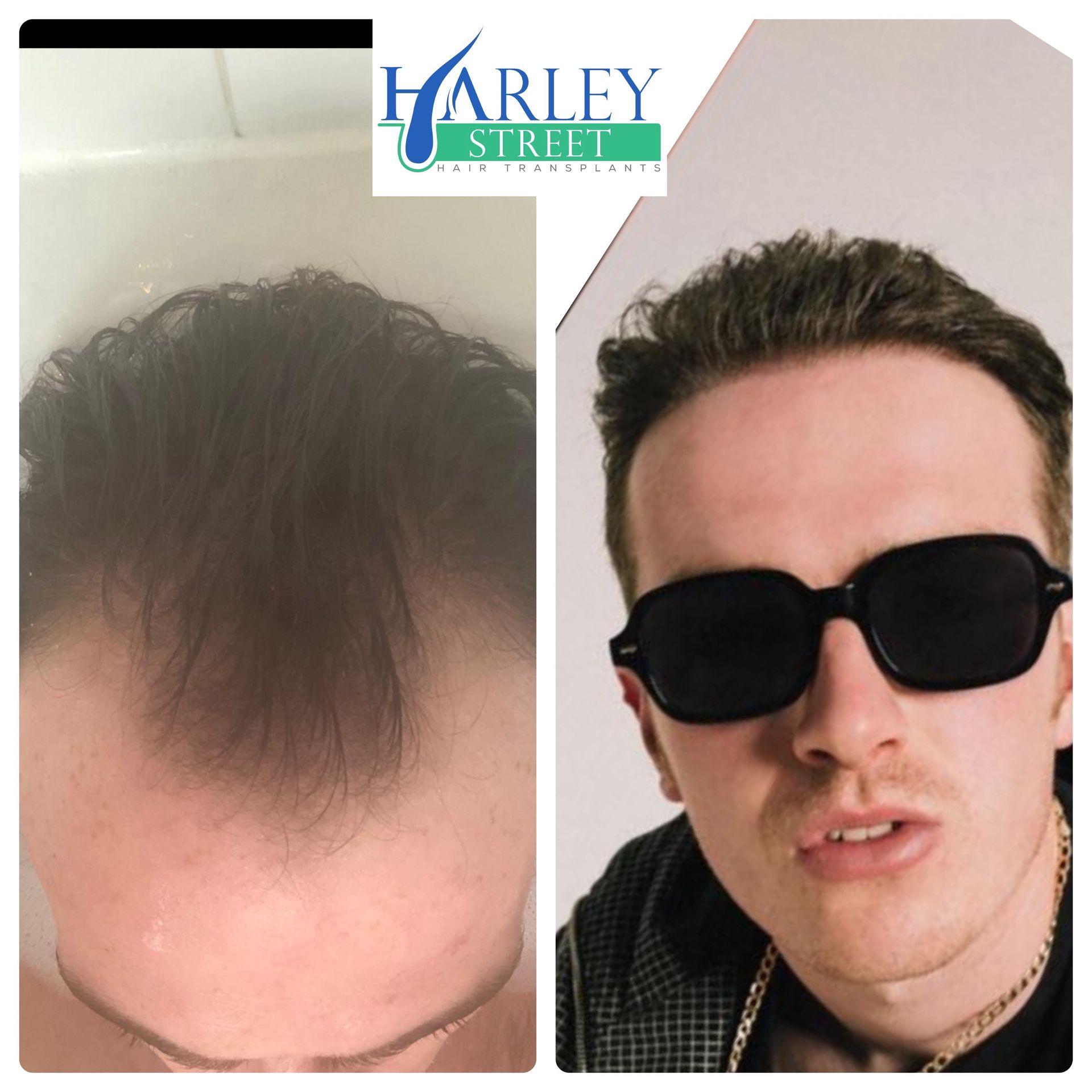
Ryan's Results
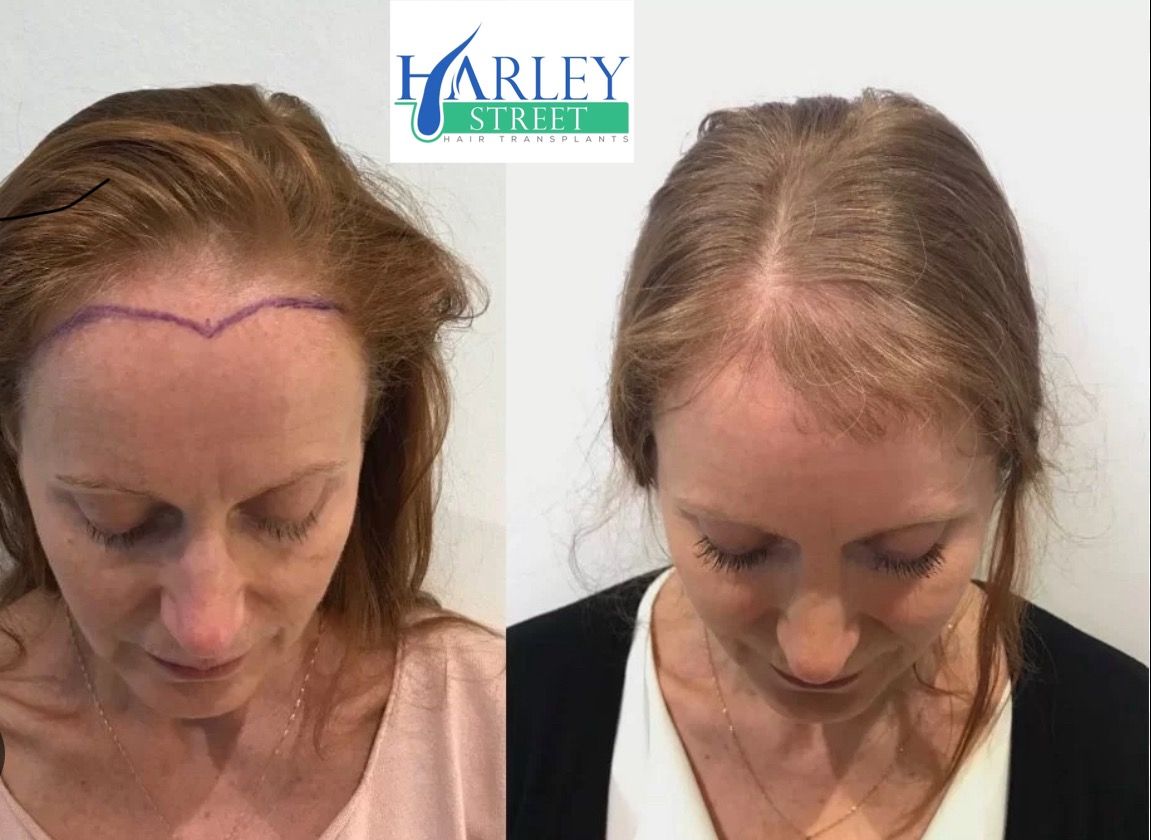
Lyn's Results
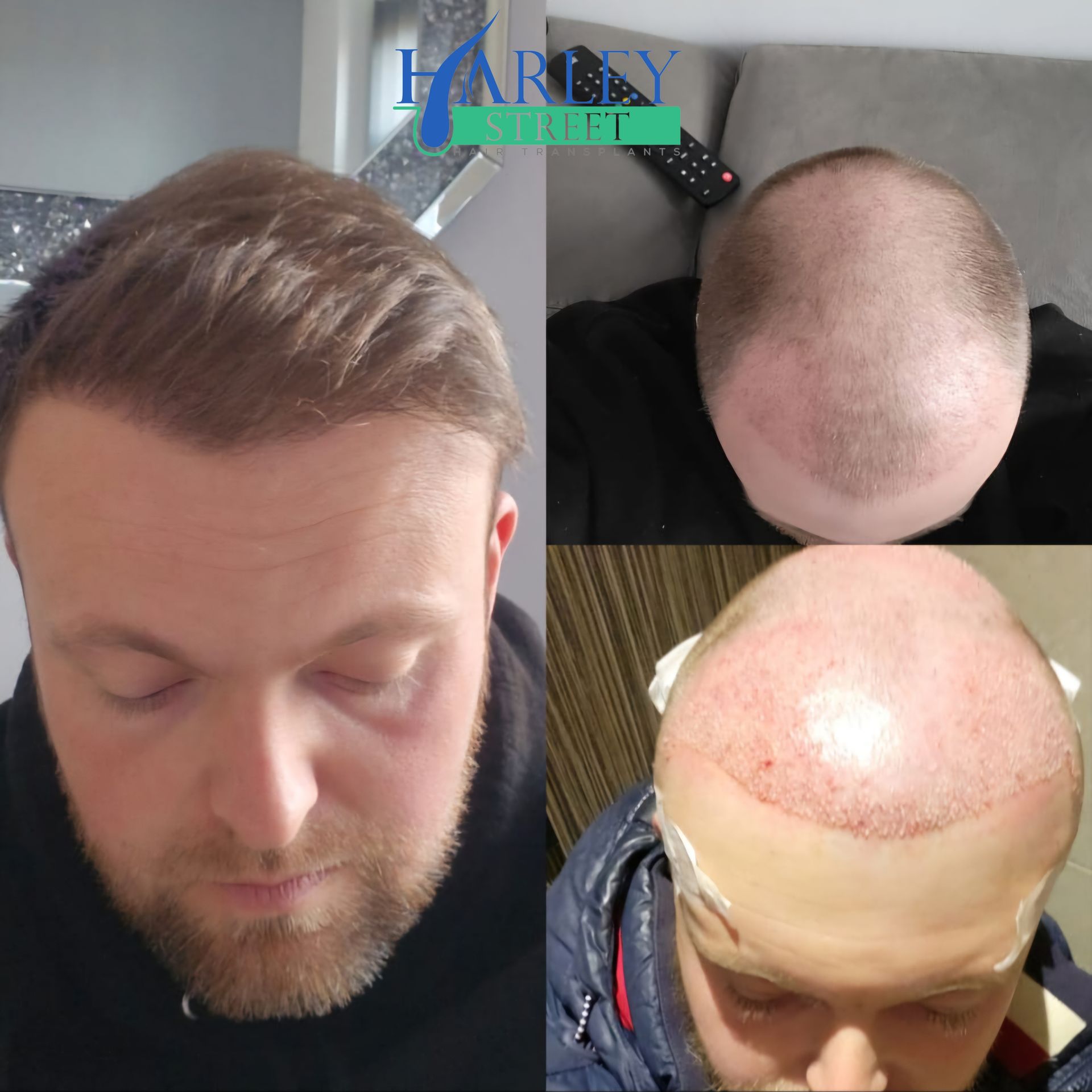
Dan's Results
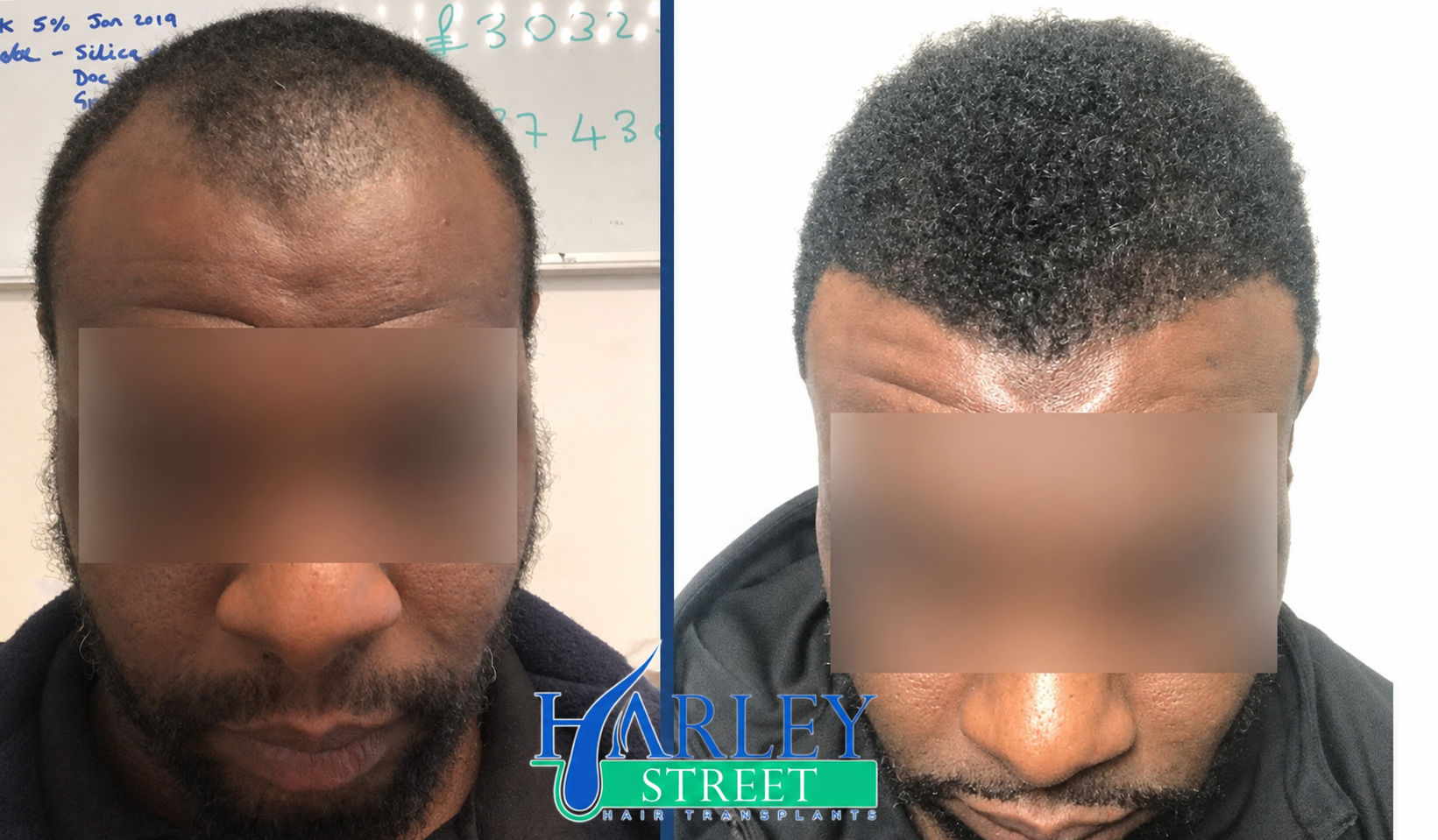
Kelvin's Results
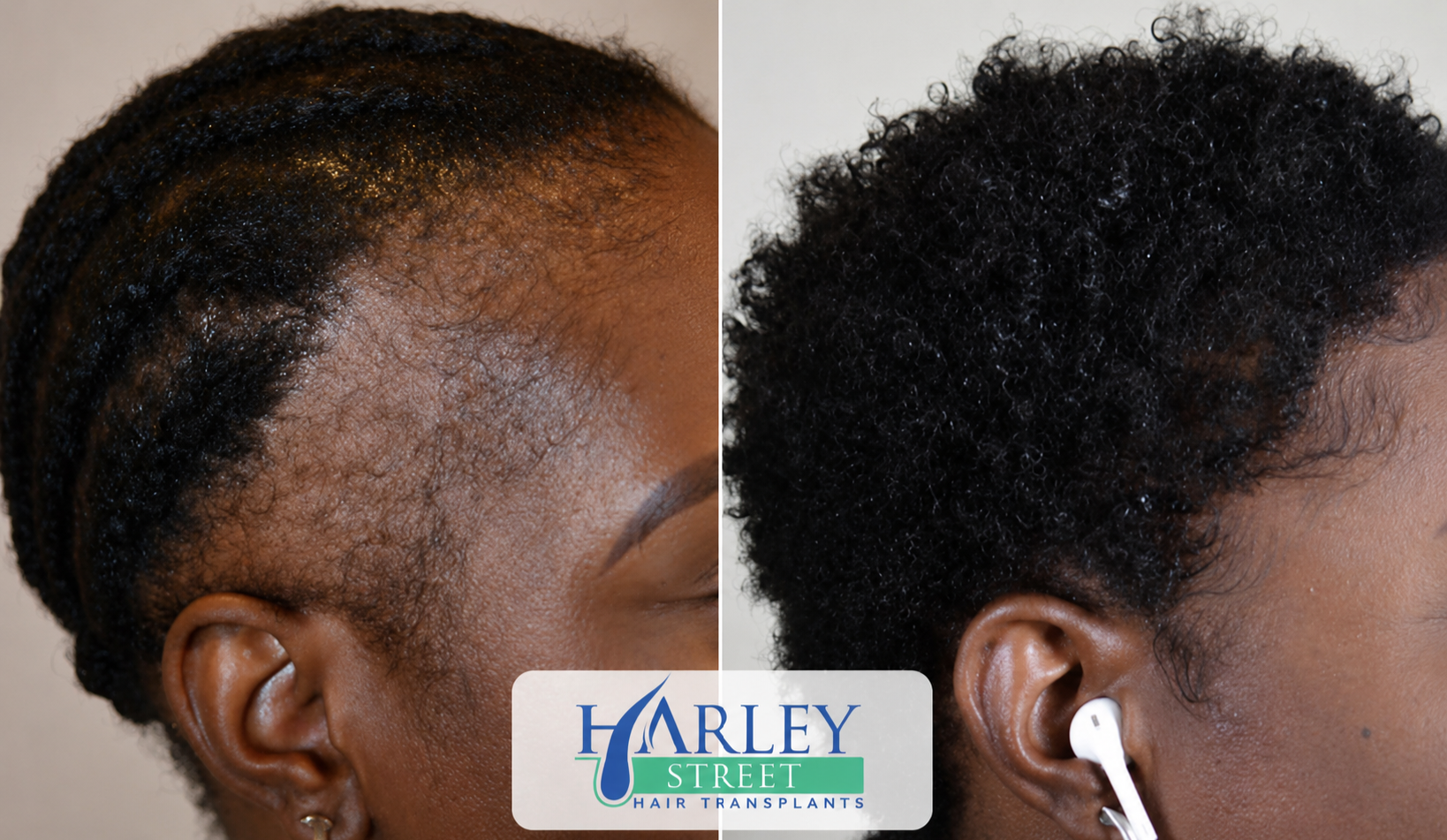
Michelle's Results
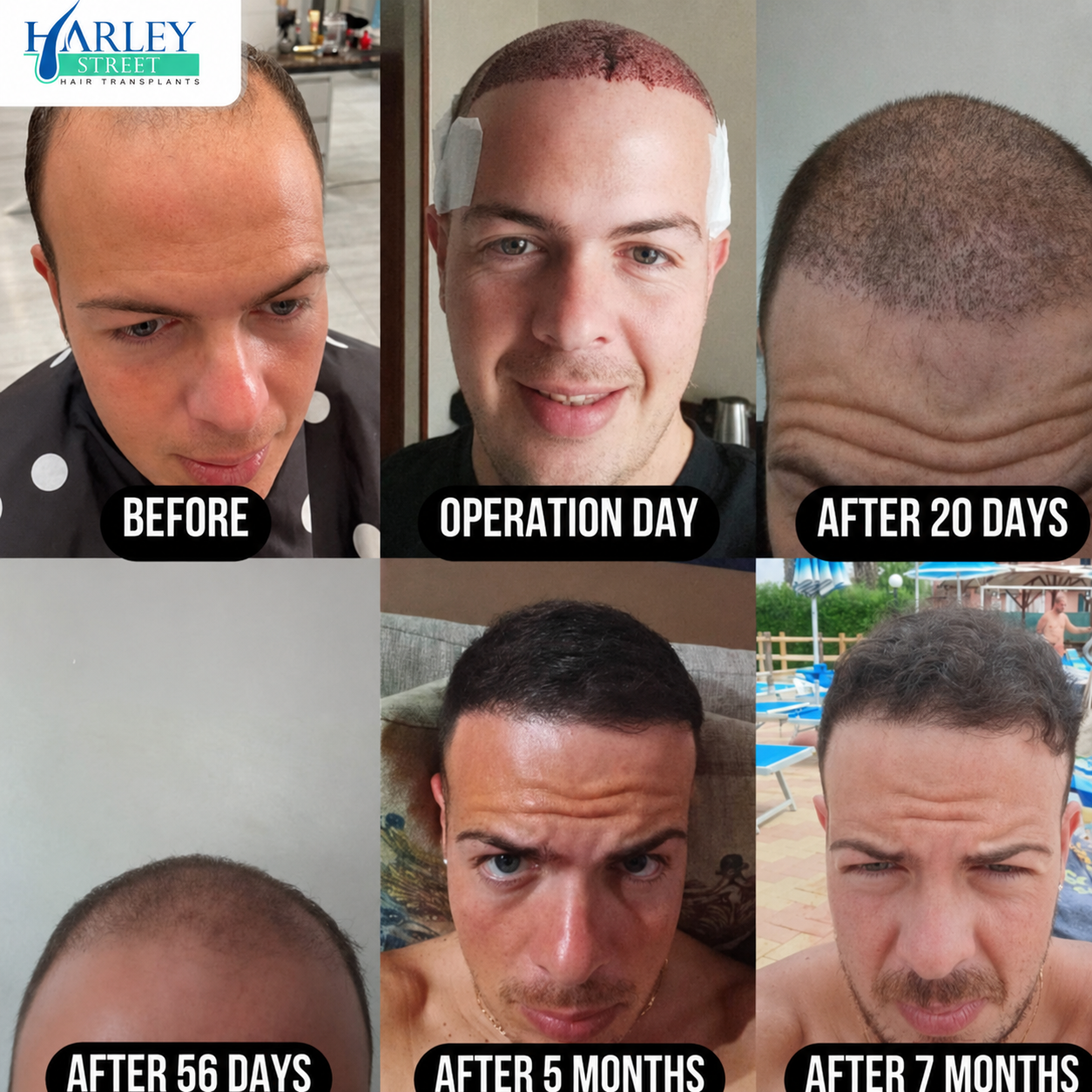
Kev's Results
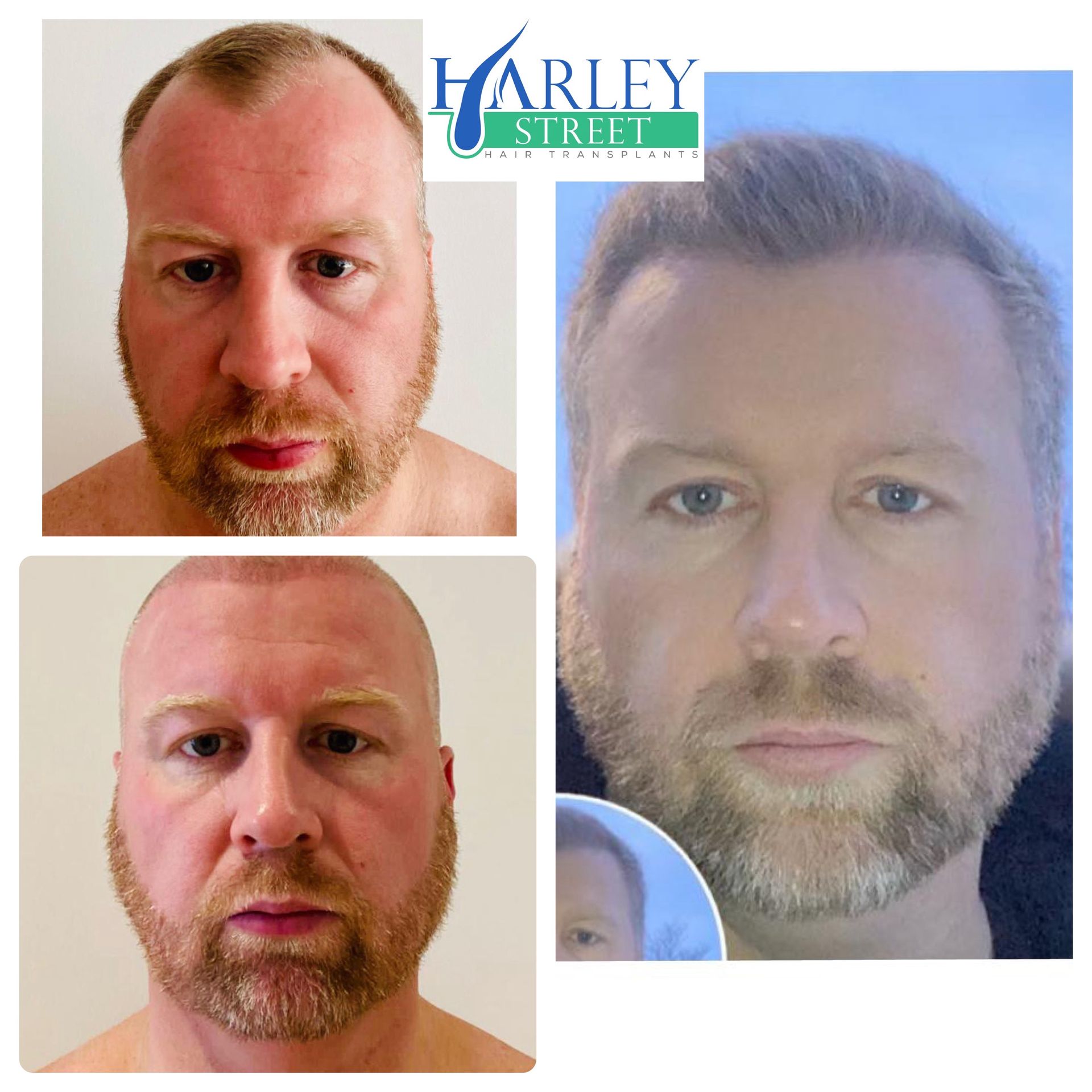
Aaron's Results
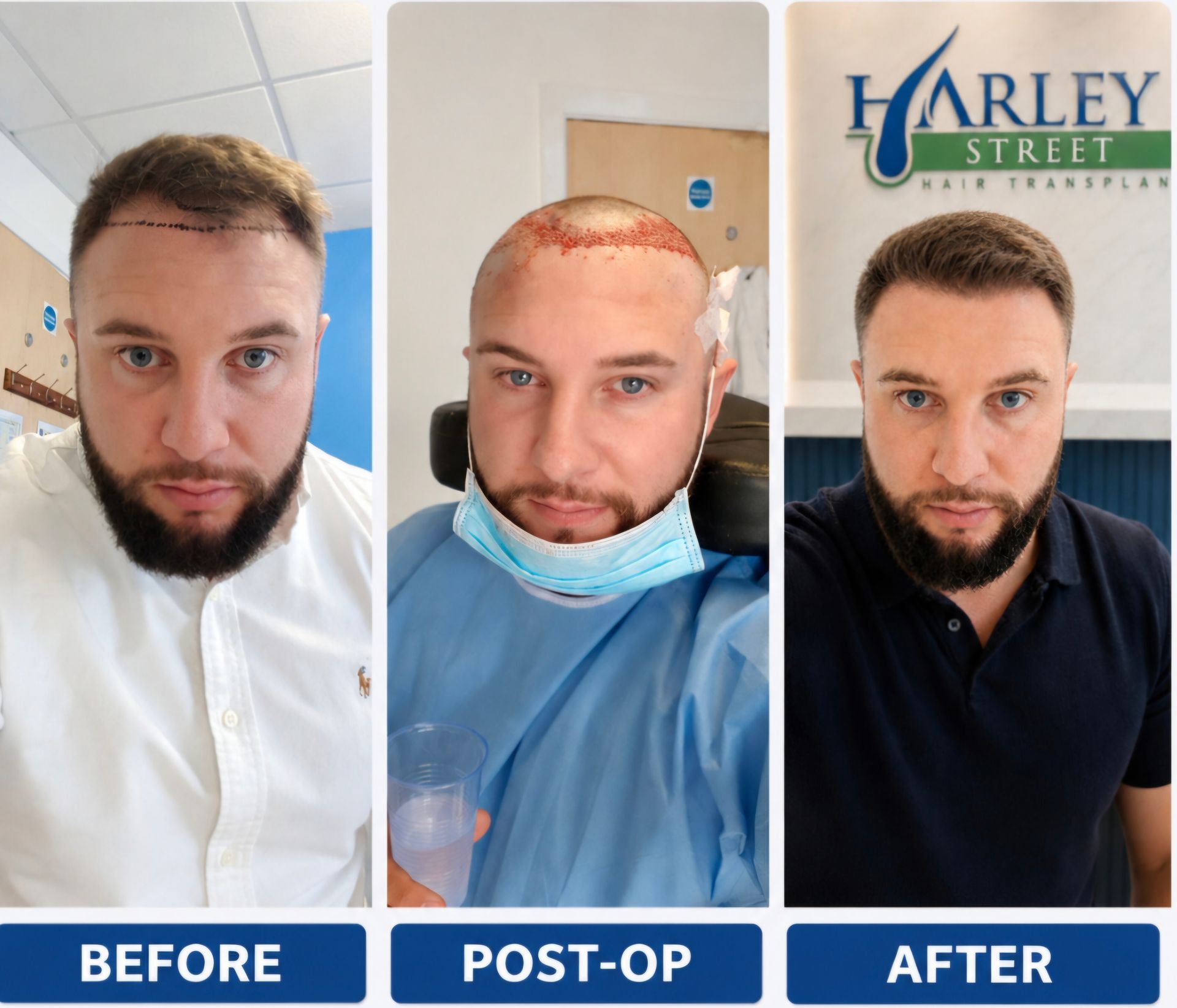
Dean's Results
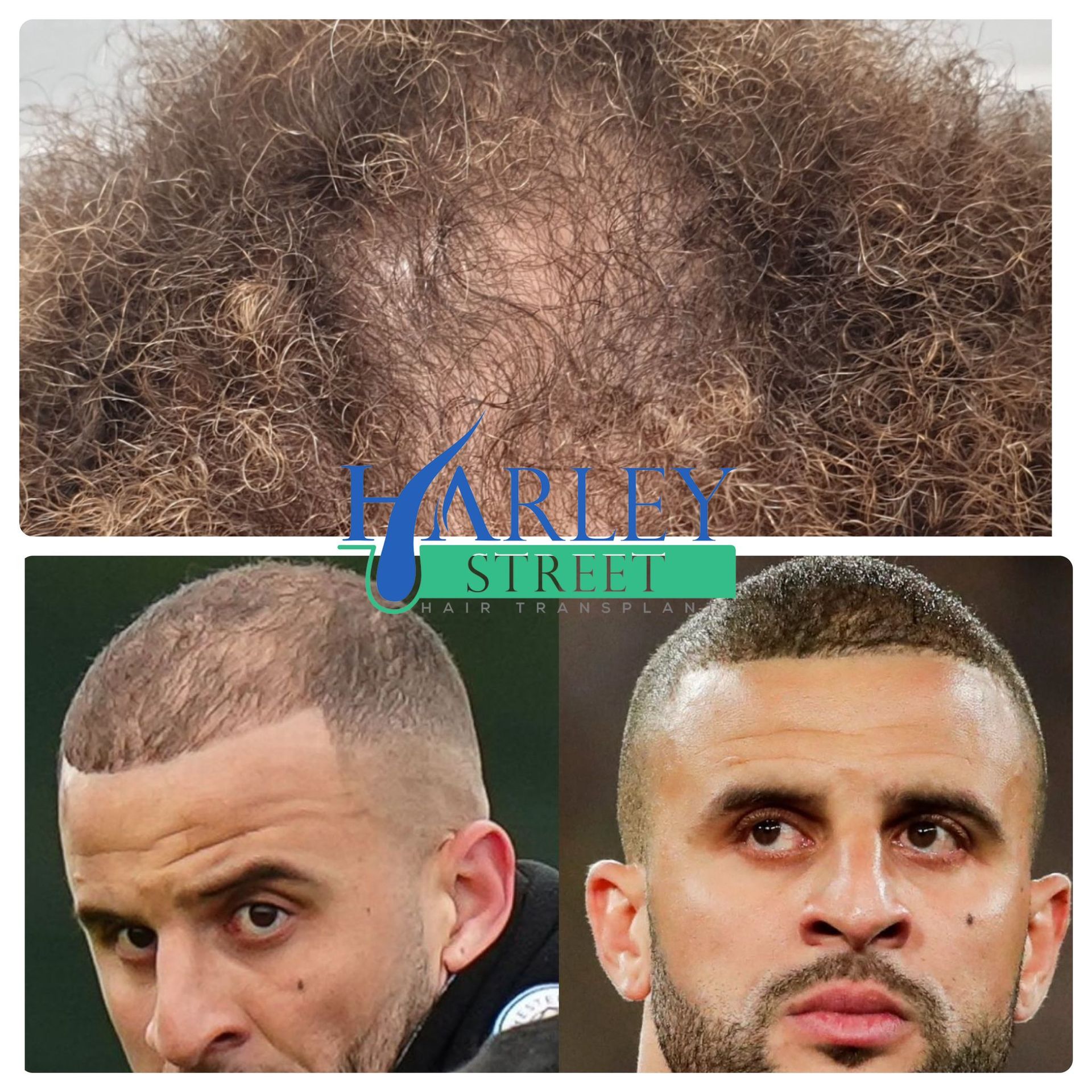
Kyle's Results
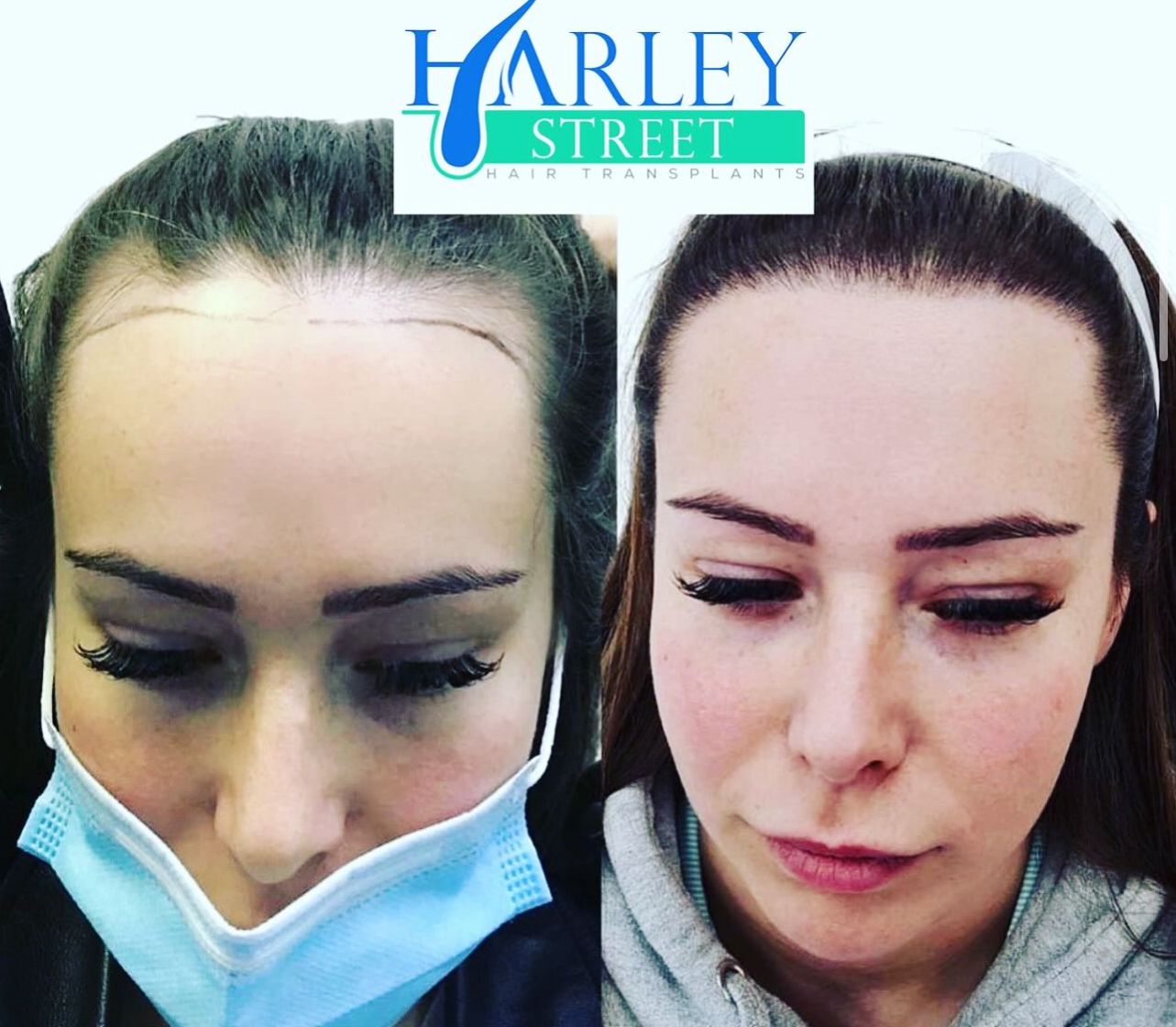
Samantha's Results
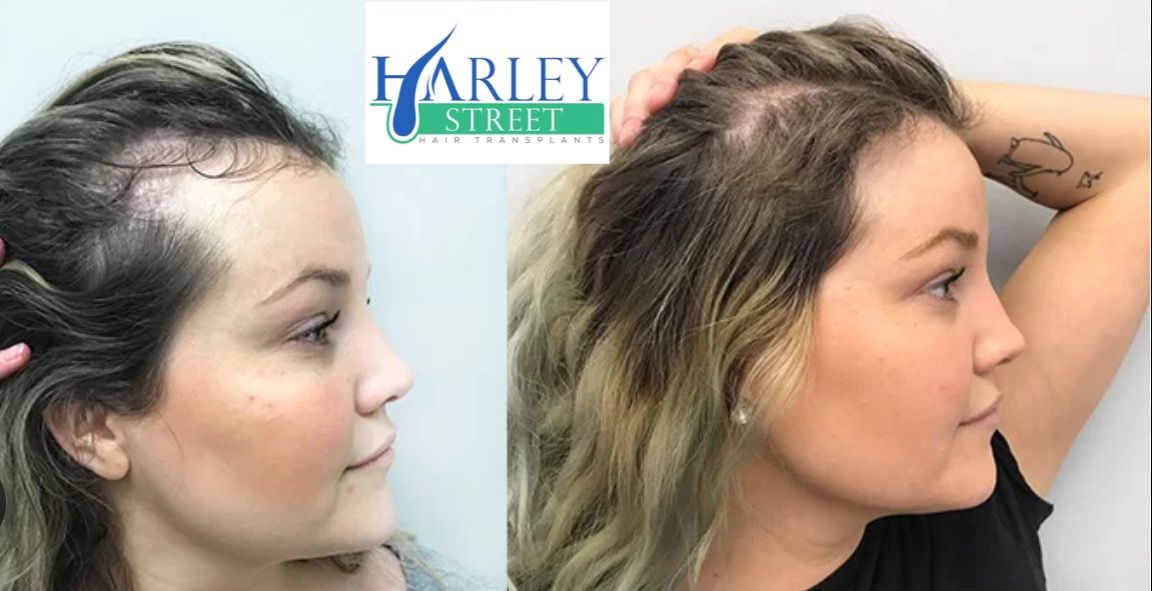
Kelly's Results
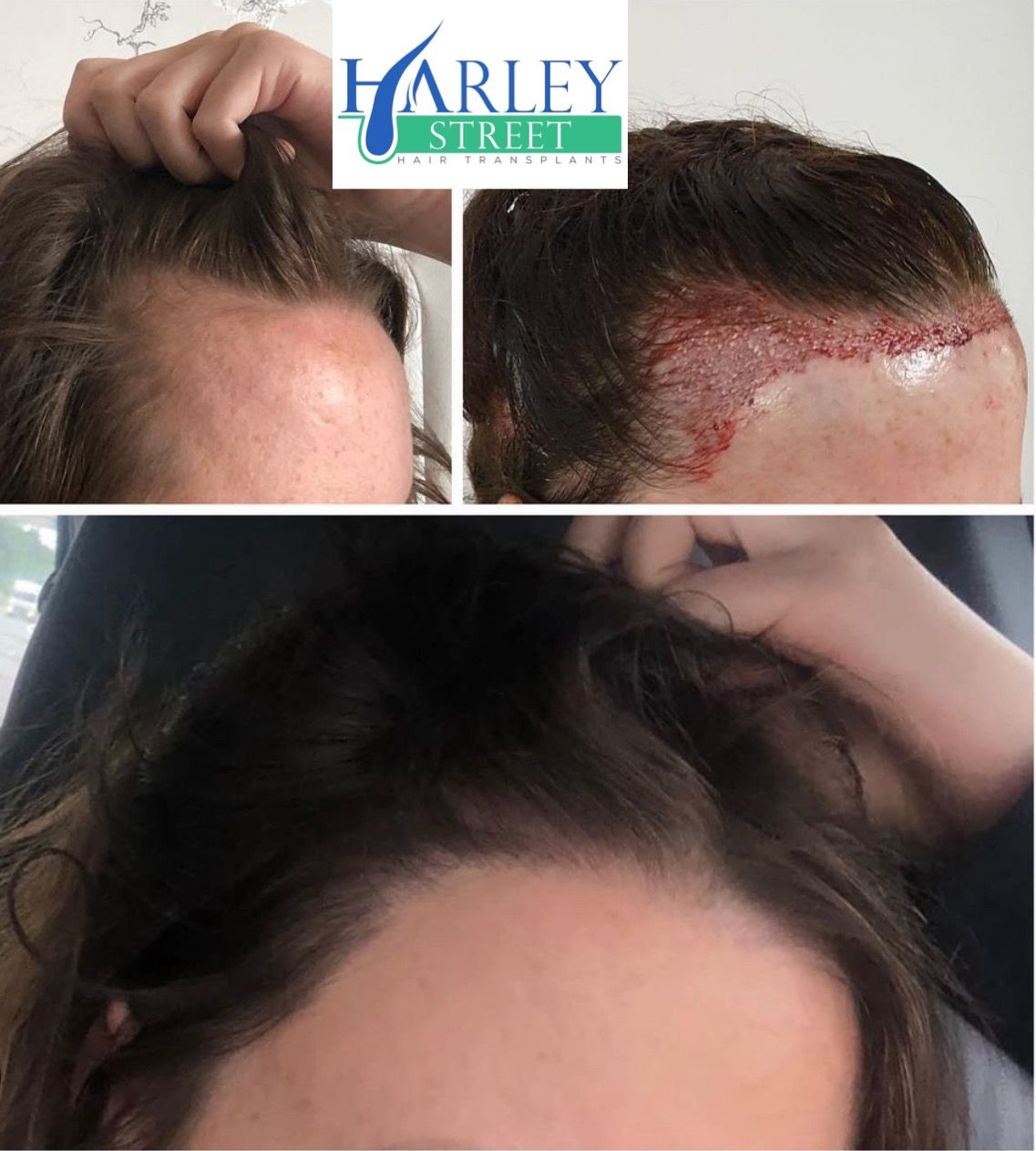
Sally's Results
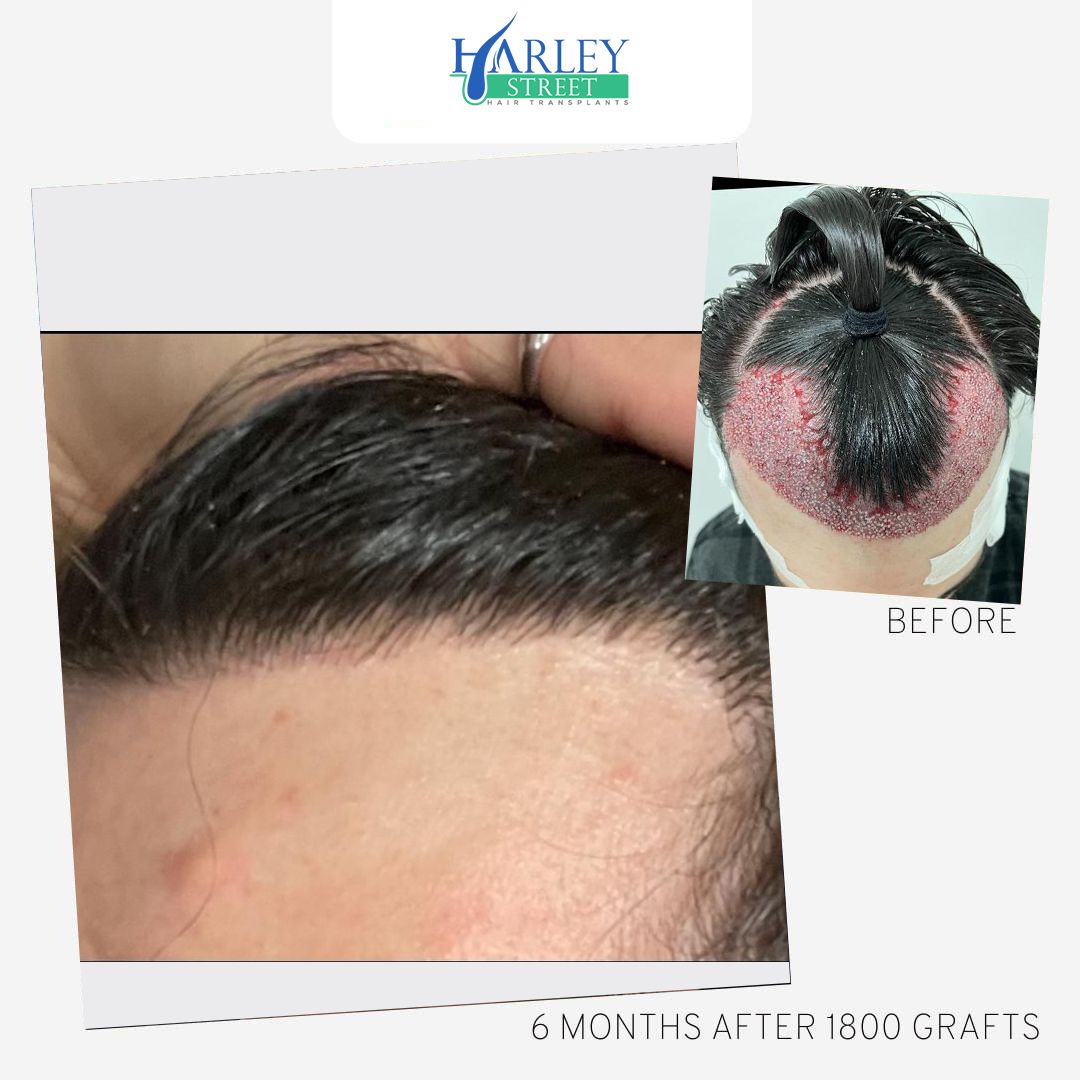
Benjamin's Results
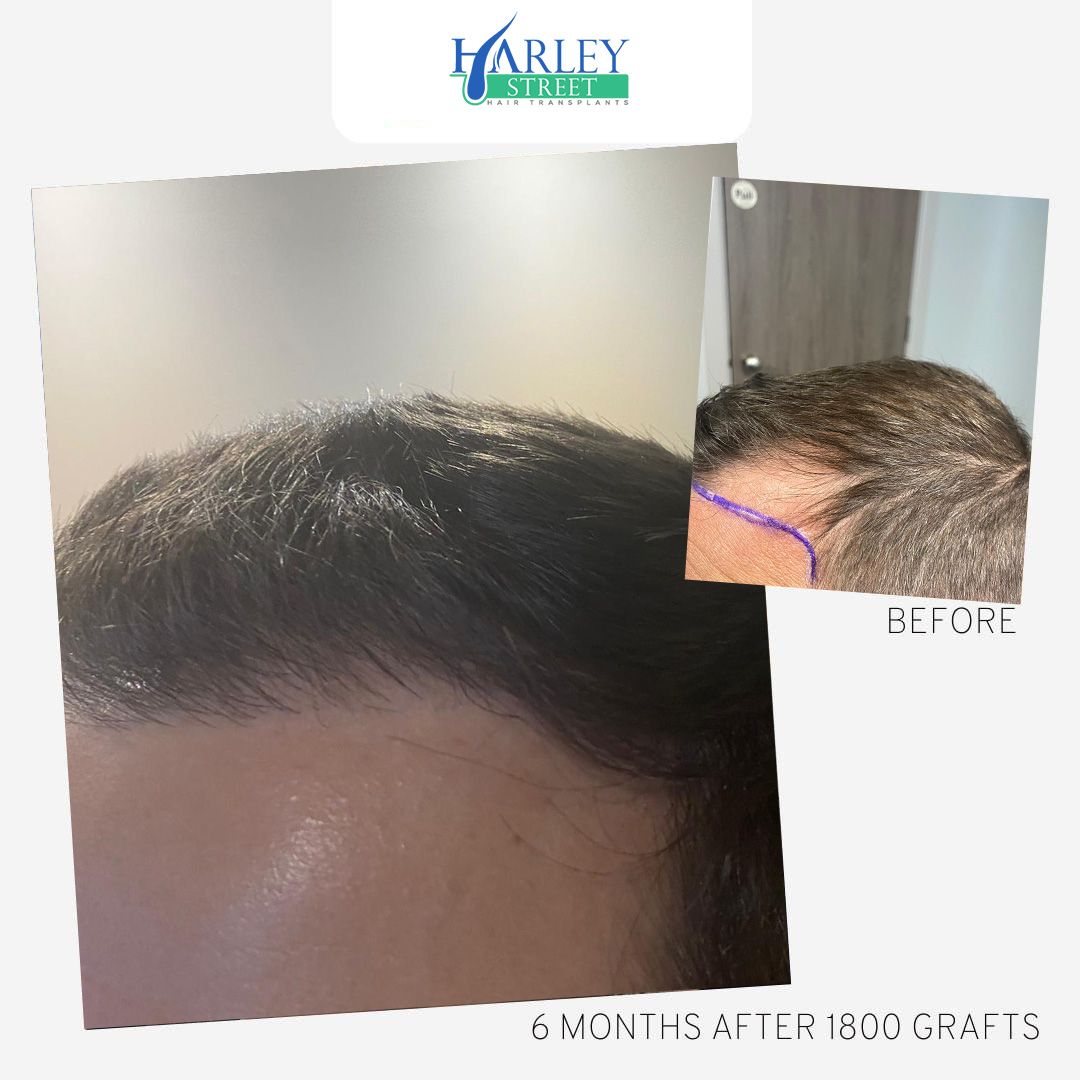
Eddie's Results
What Should You Look for in Hair Transplant Results?
Good before and after photography should help you assess more than simply whether there appears to be more hair. Hairline design, distribution, coverage, hair characteristics and the original degree of hair loss all influence the visual result.
Compare Similar Angles
The most useful comparison is made from approximately the same angle. Frontal photographs are helpful for hairline work, while overhead and rear-facing photographs are more useful when assessing the crown.
A dramatic difference in camera height or head position can change how much scalp is visible, so results should be interpreted using the whole set of available photographs rather than a single flattering angle.
Lighting and Hair Length
Strong overhead light can expose more scalp than softer lighting. Likewise, longer hair can provide more visual coverage than a very short haircut.
Wet hair also separates differently from dry hair. Where possible, comparisons are most informative when hairstyle, hair length and photographic conditions are reasonably similar.
Donor Hair Matters
Hair transplantation redistributes existing follicles rather than creating an unlimited new supply. The appearance that can be achieved therefore depends partly on the quality and quantity of suitable donor hair.
Density, hair-shaft calibre, curl, colour contrast and the number of multi-hair follicular units can all influence visual coverage.
Our hair transplant donor area guide explains how donor supply is assessed and why it must be preserved.
Hairline Design
A natural frontal result is not simply about putting the hairline as low as possible. Position, temple recession, facial proportions, direction of growth and the patient's likely future pattern of hair loss all need to be considered.
Fine single-hair grafts are particularly important around the leading edge because a harsh or overly dense front line can look artificial.
Crown Coverage
Crown results should be judged differently from frontal hairline results. The crown can involve a larger circular surface area and the follicles need to follow the natural whorl or spiral direction.
This means substantial graft numbers can sometimes be required to create useful visual coverage even when the transplanted area does not initially appear especially large.
Time Since Surgery
A photograph taken at six months is not directly equivalent to a photograph taken after a year. Transplanted hair develops progressively as follicles return to active growth and individual hairs increase in length and calibre.
The hair transplant timeline explains the progression from early healing and shedding through to later maturation.
Different Types of Hair Restoration Results
The treatment goal changes according to where hair has been lost, the surrounding native hair and the characteristics of the donor follicles.
Hairline Results
Frontal restoration can involve rebuilding recessed corners, creating a stronger frontal frame or improving an existing but thinned hairline.
The design should consider age, facial proportions, temple recession and future hair-loss risk. Read more about hairline transplantation.
Crown Results
Crown transplantation focuses on improving coverage around the vertex while following the patient's natural whorl direction.
Because the crown can expand as hair loss progresses, long-term donor planning is especially important. See our crown hair transplant information.
Female Hair Restoration
Women may seek restoration for a high or receded frontal hairline, temple loss, localised thinning or selected areas where transplantation is clinically appropriate.
Diffuse female hair loss requires careful assessment because the donor area itself can sometimes be affected. Learn more about female hair transplantation.
Afro & Textured Hair
Curly and tightly curled hair can provide strong visual coverage, but the curvature of the follicle beneath the skin requires suitable donor assessment and extraction planning.
See our Afro hair transplant information for textured and tightly curled hair.
Beard Restoration
Facial-hair restoration can be used to improve selected areas of beard density, reshape boundaries or restore areas where facial hair is limited.
Direction and angle are particularly important because facial hairs lie close to the skin. Read about beard transplantation.
Eyebrow Restoration
Eyebrow transplantation requires very shallow implantation angles and careful control of direction so transplanted hairs follow the natural eyebrow pattern.
More information is available on our eyebrow transplant page.
Hair Transplant Before & After FAQs
Common questions about comparing hair transplant photographs and understanding how results develop.
When can I expect to see a hair transplant result?
Early new growth commonly becomes visible several months after transplantation. Density and hair calibre then continue to develop over the following months, with some areas—particularly the crown—taking longer to mature.
Why can hair transplant results look different between patients?
Donor density, hair calibre, curl, colour contrast, recipient-area size, existing native hair, graft distribution and individual growth characteristics can all influence the final appearance.
Can I expect the same result as another patient?
A previous result can show the type of change that transplantation may produce, but individual planning depends on the patient's own donor supply, pattern of hair loss and treatment goals.
Why is the donor area important to the final result?
The donor area provides the follicles used for transplantation. Available density and hair characteristics influence how much coverage can reasonably be created while maintaining the donor region.
Why do crown results look different from hairline results?
The crown normally follows a spiral growth pattern and can cover a larger surface area. Hairline transplantation instead focuses strongly on frontal design, direction and a soft leading edge.
Does transplanted hair shed before it grows?
Transplanted hair shafts can shed during the postoperative growth cycle. New growth then develops progressively as follicles return to an active growth phase.
Is a six-month result final?
Usually not. Six months is commonly an intermediate stage and further growth, thickening and maturation can continue afterwards.
Can crown growth take more than a year?
Crown and larger treatment areas can mature more slowly than some frontal procedures, so assessment may continue beyond the first year.
Can women have hair transplants?
Selected women may be suitable for transplantation where the pattern of hair loss and donor supply are appropriate. Diffuse thinning requires particularly careful donor assessment.
Can Afro and tightly curled hair be transplanted?
Yes, selected patients with Afro or tightly curled hair can undergo transplantation. Follicular curvature and donor characteristics need to be considered during harvesting and planning.
Can beard and eyebrow results be compared with scalp results?
They are different types of restoration. Beard and eyebrow procedures place particular emphasis on implantation angle, direction and blending with existing facial hair.
Should before and after photographs use the same lighting?
Similar lighting, camera angle and hair length make comparison easier. Strong differences in lighting or styling can alter how much scalp is visible in photographs.
Why can wet hair look thinner than dry hair?
Wet hair tends to group together into strands, which can expose more scalp between the hairs. This is why wet and dry photographs are not always directly comparable.
What happens after the early healing stage?
Some transplanted hairs can shed before new growth becomes visible. The scalp then progresses through gradual regrowth and maturation. Follow the hair transplant aftercare guide during postoperative recovery.