When hair loss affects your confidence: getting useful help
You can seek advice about the hair changes and their effect on daily life without committing to treatment.

On this page
If hair loss is affecting your confidence, you can ask for help with both the physical change and the distress it causes. You do not have to minimise it, and you do not have to agree to a transplant to have the concern taken seriously.
Begin with what has changed
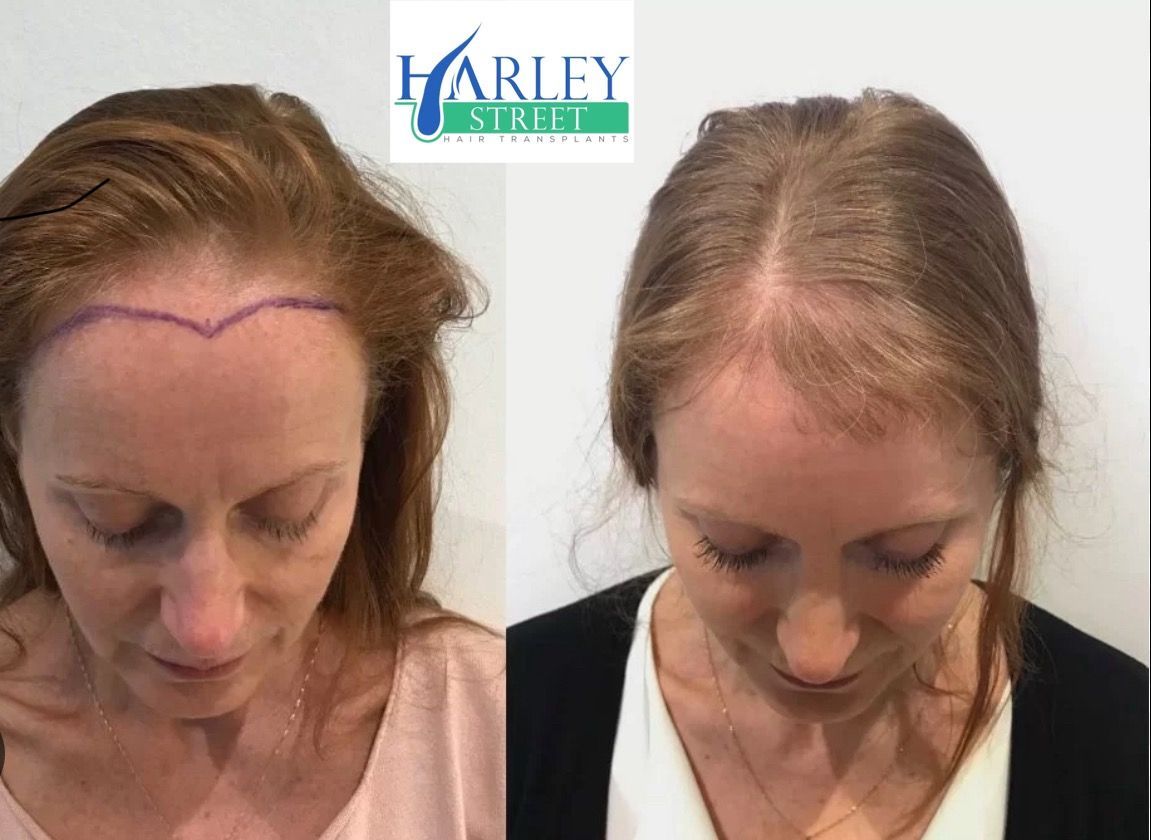
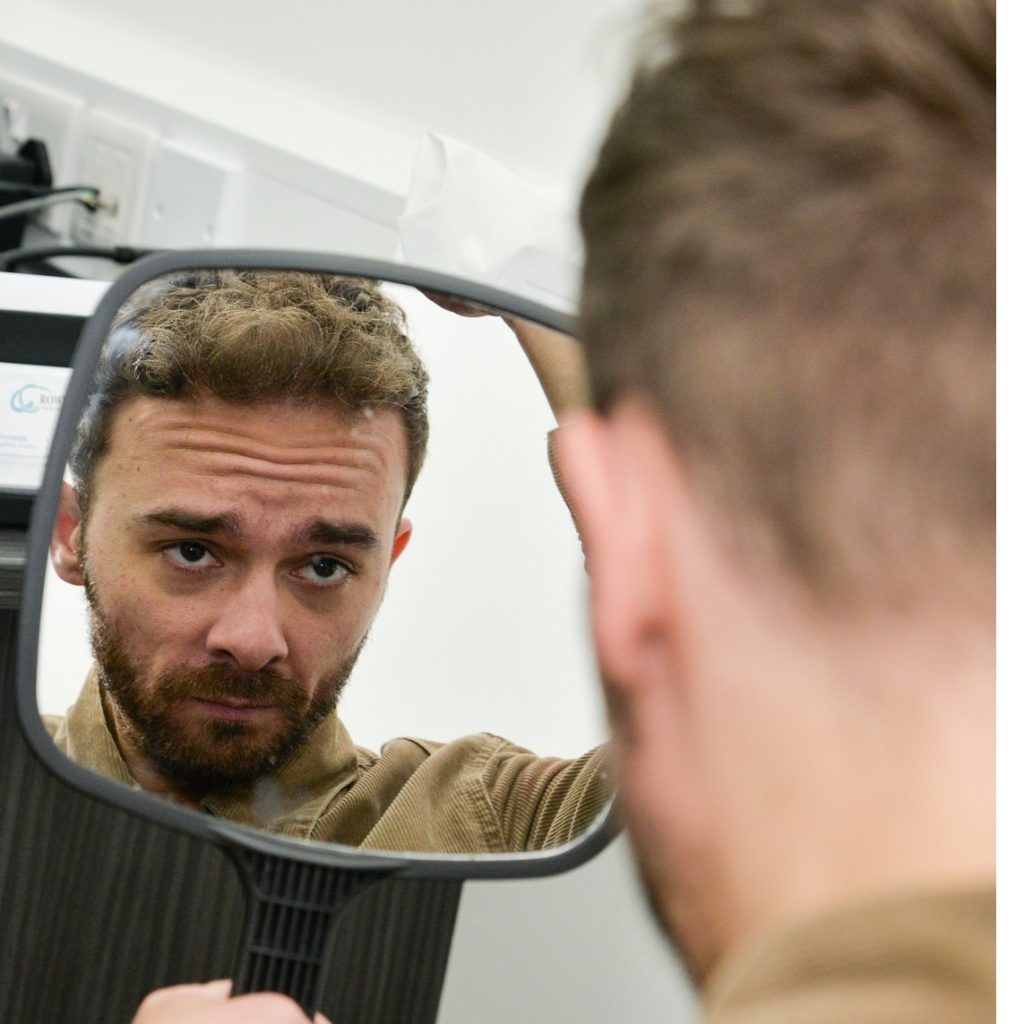
Try to describe the practical problem: avoiding photographs, spending longer covering a parting, worrying about shedding in the shower or feeling unable to wear your usual hairstyle. This gives the clinician a clearer picture than simply saying that you want more hair.
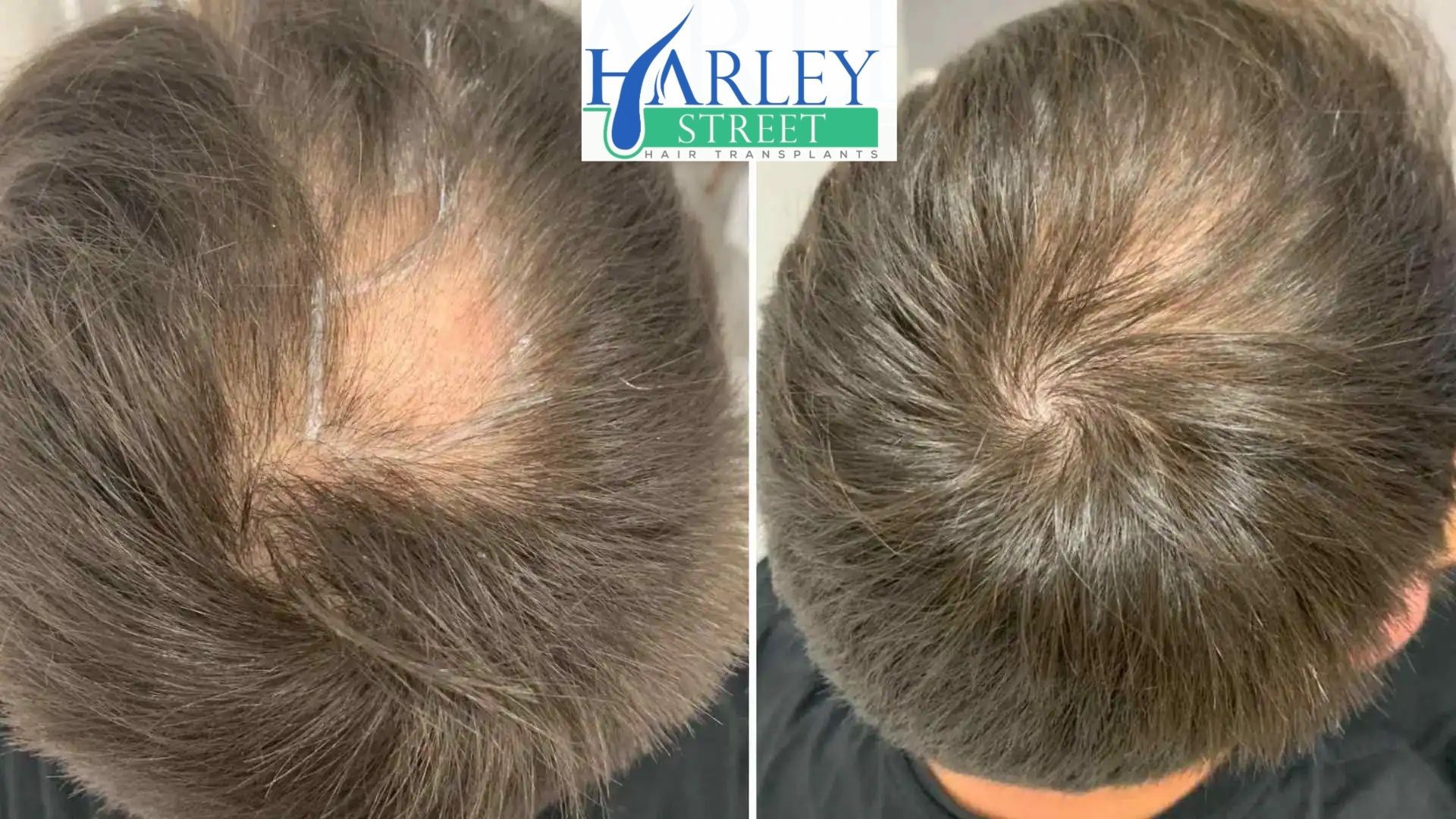
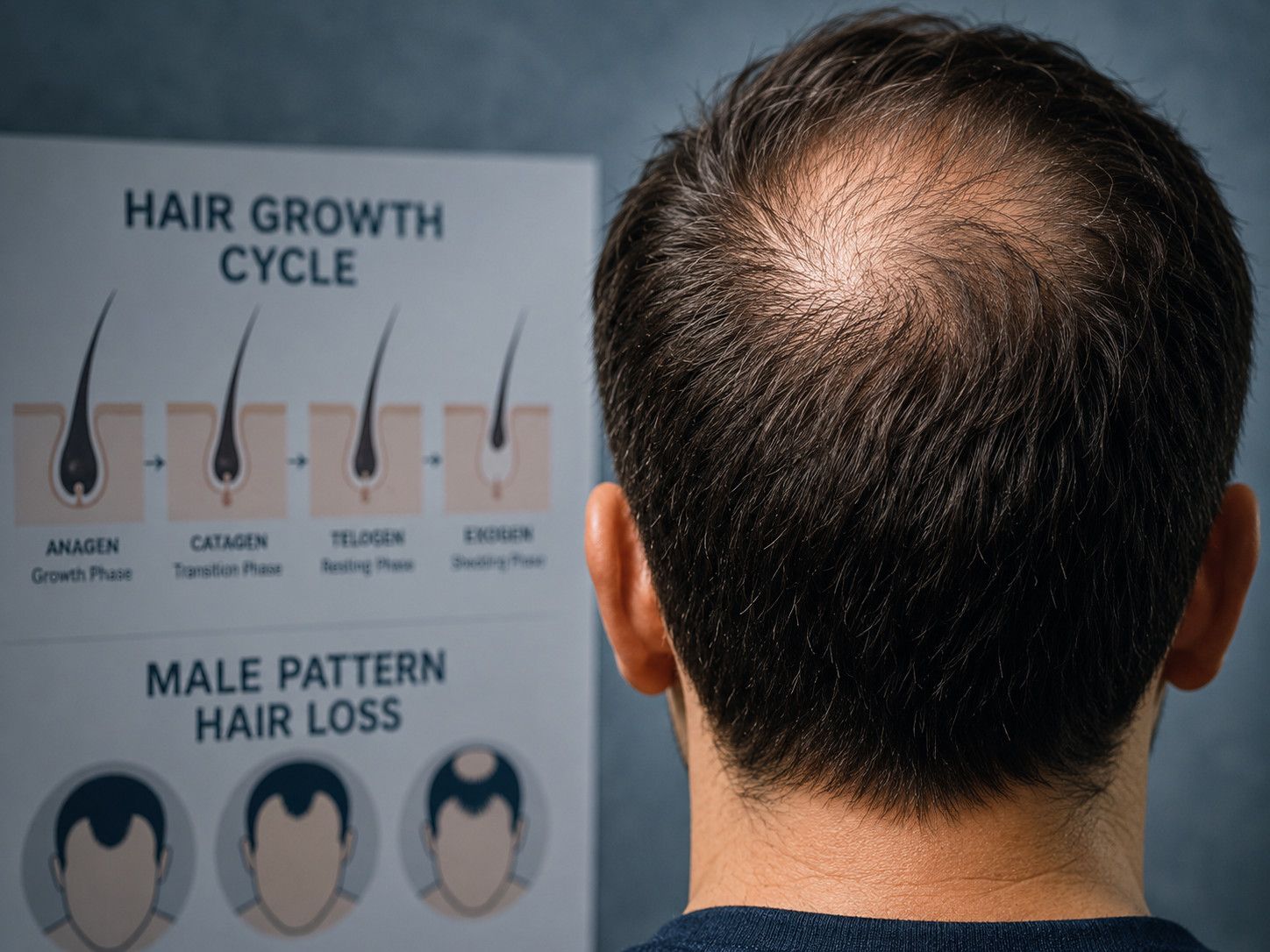
At the same time, establish the pattern and timing of the loss. A receding hairline, a sudden patch and diffuse shedding may need different assessments. The NHS information on hair loss includes advice on causes, treatment and emotional support.
Separate the medical question from the cosmetic decision
The first question is whether there is a condition needing investigation or treatment. Scalp inflammation, persistent shedding or a possible medicine-related change should not be dismissed as an appearance concern. A GP or dermatologist can help clarify the cause.
The next question is what, if anything, you want to change cosmetically. Options might include a different haircut, fibres, a hair system, medication where appropriate or a surgical assessment. They have different costs, maintenance needs and limitations.
Our treatment comparison explains those options. It is reasonable to gather information and decide later, or to decide against treatment.
Making photographs useful rather than exhausting
Repeatedly checking the hairline under different lights can make it hard to judge change. If photographs help your clinical review, take them under similar conditions and agree a sensible interval with the clinician. A daily close-up is unlikely to show meaningful changes in growth.
The aim is to record the pattern, not to create another obligation. If checking, concealment or online comparison is taking up much of your day, explain that during the appointment. Support for the distress can be useful alongside advice about the hair.
What a consultation should not promise
No clinic can promise that surgery will repair relationships, resolve anxiety or make someone confident in every setting. A procedure may change appearance, but its emotional effect is individual and the cosmetic outcome has limits.
The NHS advice on deciding about cosmetic procedures recommends taking time to consider the decision. If you feel under pressure from someone else or from a fixed event date, discuss that before making a commitment.
Preparing for an appointment
Bring a brief timeline, photographs if useful and a list of medicines. Write down the questions you most want answered: the likely cause, whether treatment is needed, the options and the expected limits. Mention how the changes affect sleep, work or social life.
A useful next step might be reassurance, investigation, a treatment discussion or support for anxiety. It does not always need to be a product or procedure.
Questions and answers
Is it reasonable to speak to my GP about distress caused by hair loss?
Yes. Explain both the hair changes and their effect on you. Emotional support can be part of care.
Will a transplant definitely improve my confidence?
No. Neither the cosmetic outcome nor its effect on wellbeing can be guaranteed. Expectations should be discussed before surgery.
Can I ask for a consultation without agreeing to treatment?
Yes. An assessment should help you understand the cause and choices. You can take time to consider what is right for you.