How to research a hair transplant clinic before paying a deposit
Checks that help you understand who will treat you, what is proposed and how follow-up will work.

On this page
Before paying a deposit, establish the named surgeon, the treatment location and the proposed plan. Then check the information independently. A large gallery, membership logo or confident consultation does not by itself tell you how your operation will be carried out.
Check the doctor and the treatment location
In England, the NHS hair transplant guidance directs patients to check the Care Quality Commission and General Medical Council. Match the doctor's name to the register and establish which regulated provider operates at the proposed address.
Registration is a necessary check, not a guarantee that surgery will be complication-free. Read any available inspection information in context and ask about matters you do not understand. If the trading name differs from the registered provider, request a clear explanation.
Meet the person responsible for your plan
A clinical assessment should address the cause of loss, progression, scalp condition and donor supply. Ask who will decide the hairline and graft distribution, who performs the surgical stages and whether the surgeon is responsible for other patients at the same time.
Professional memberships can be checked with the organisation concerned. Our IAHRS guide explains why membership, medical registration and clinic regulation are separate matters. Avoid assuming that a logo describes every member of staff.
Make the graft estimate understandable
Ask the clinic to map the proposed areas and explain the priorities. How much donor hair would be used? What would remain if the crown thinned later? Why is the proposed hairline appropriate over time?
Clarify whether the quote counts grafts or individual hairs. Ask how the final number is recorded and how a change to the plan would be agreed. A larger number can be inappropriate if it risks visible thinning in the donor region.
Read photographs critically
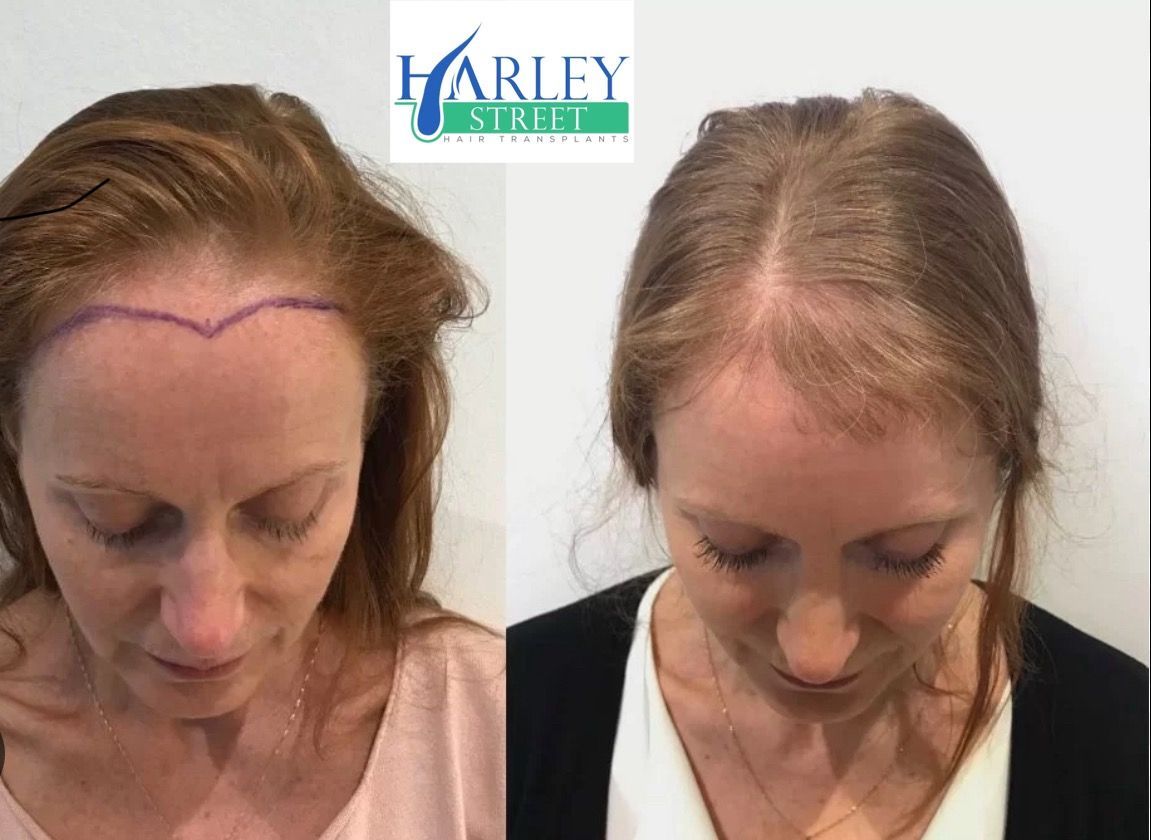
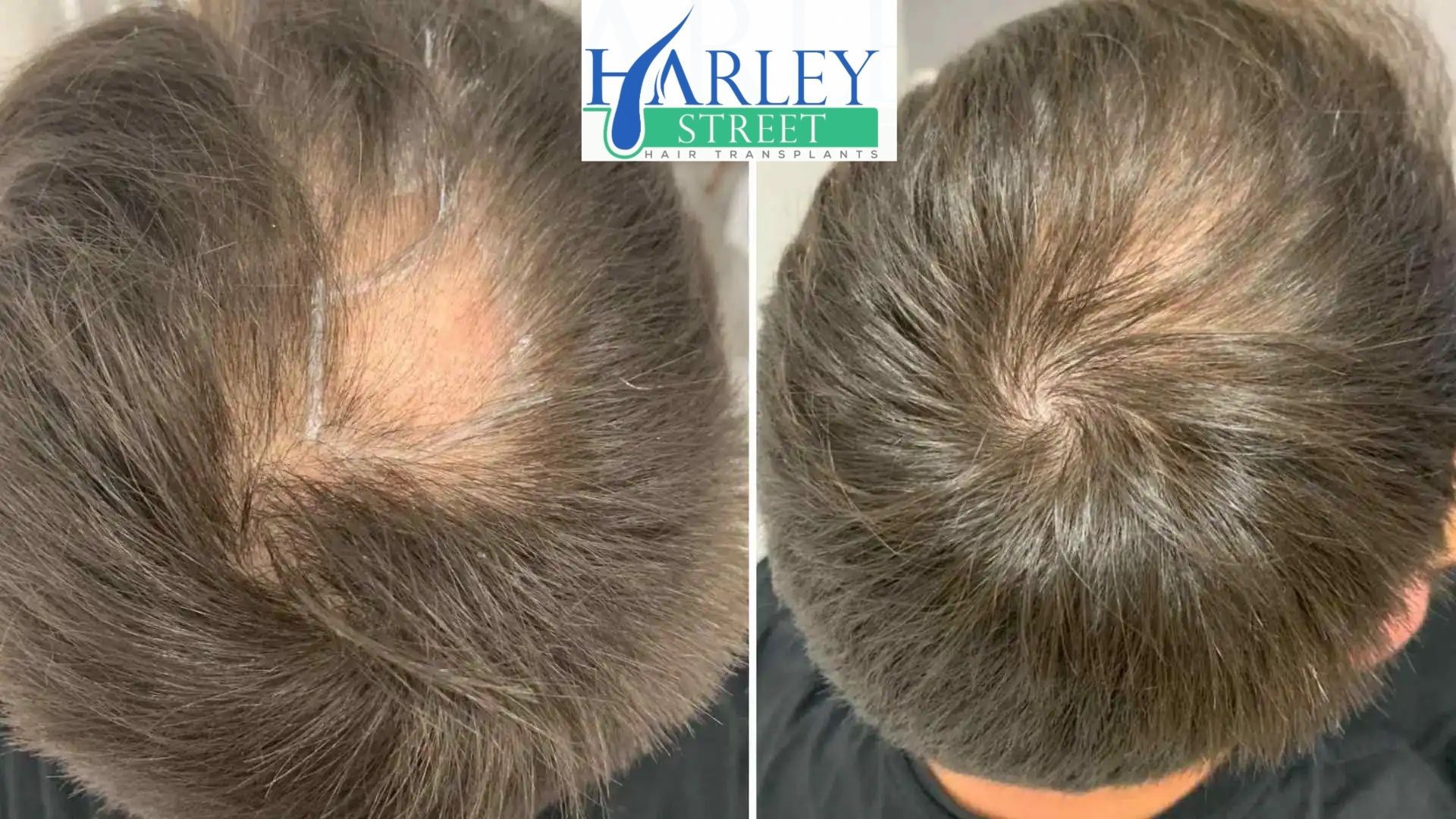
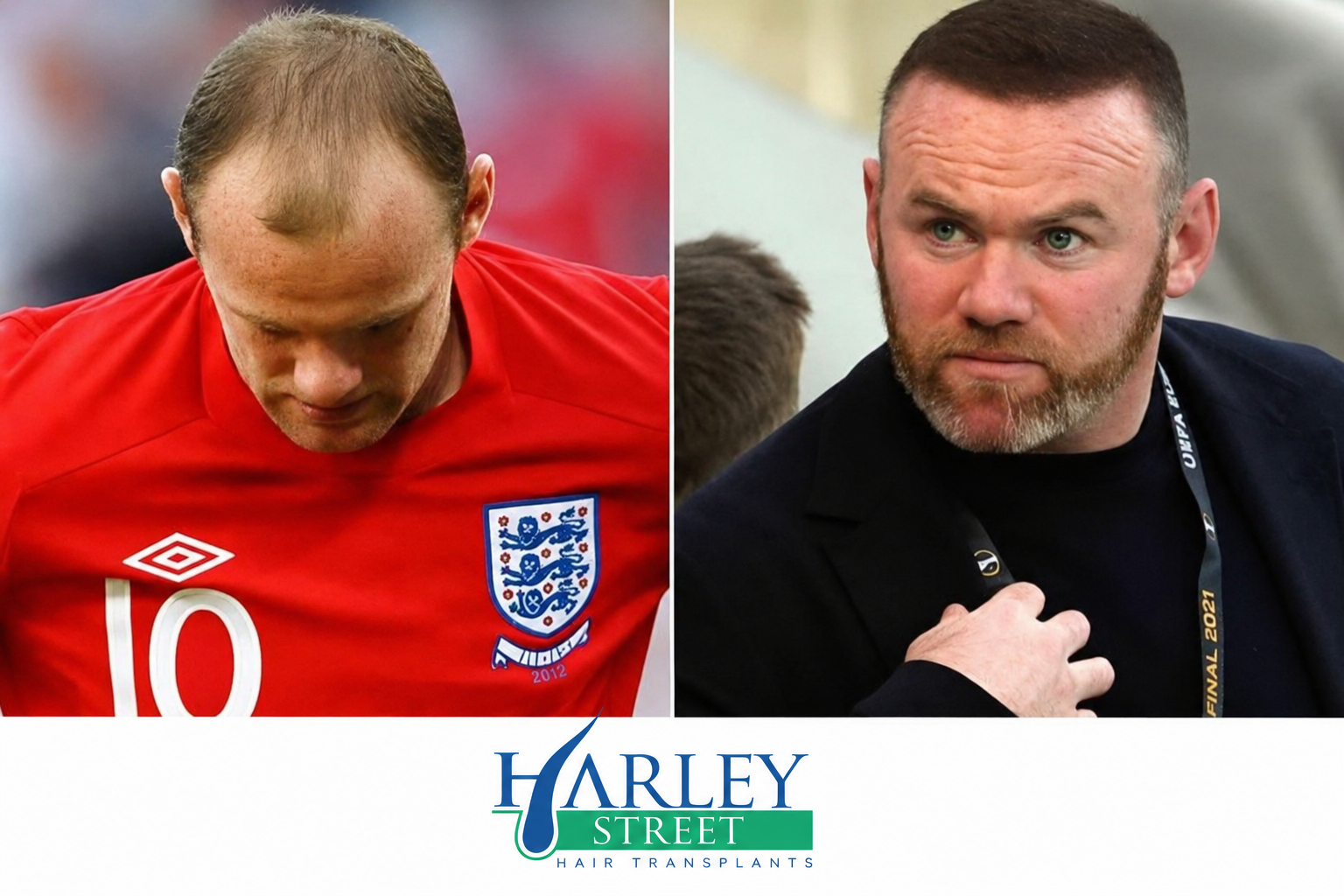
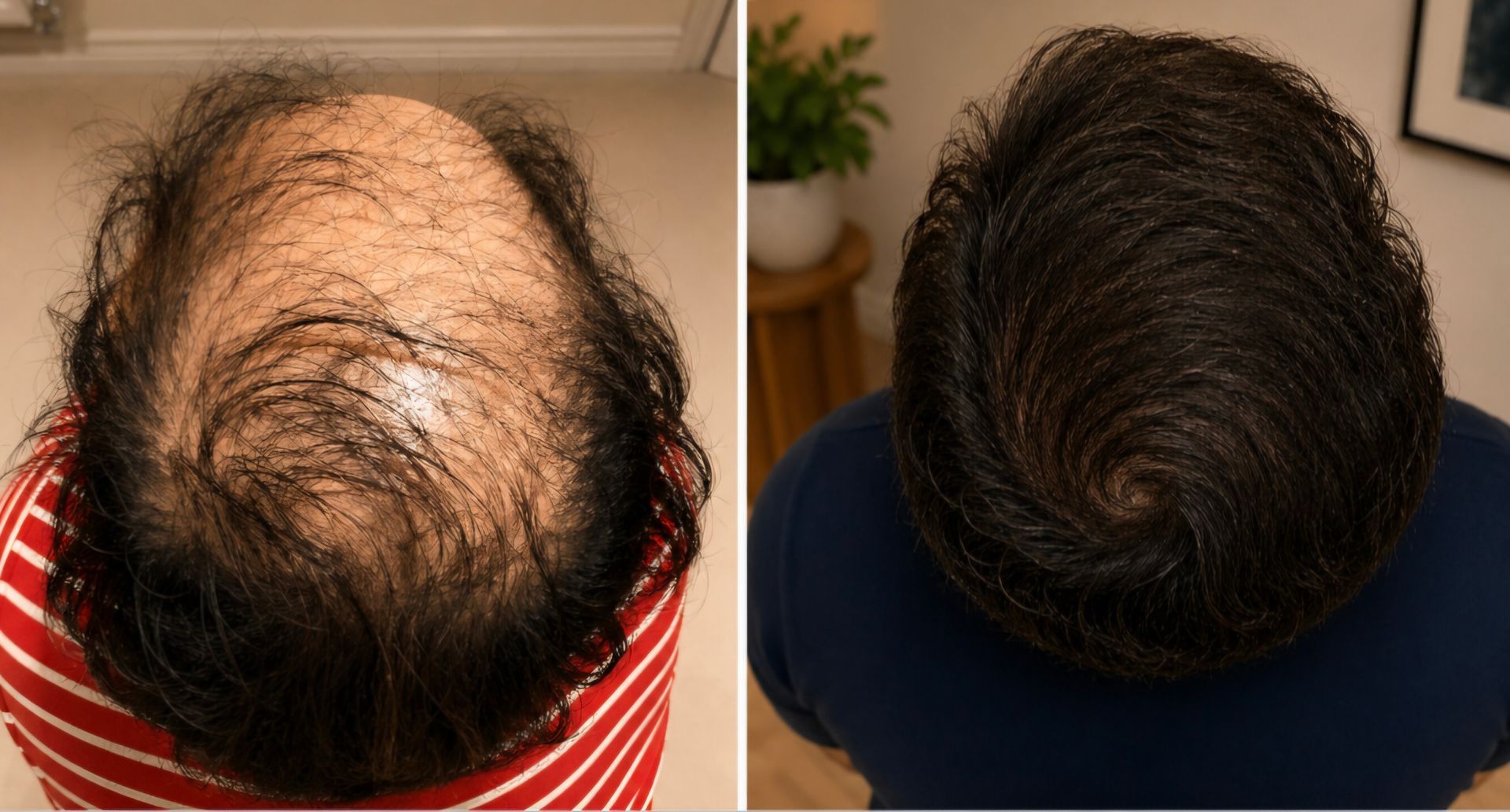
Look for consistent lighting, angles, hair length and the time since treatment. Ask for donor-area views and examples relevant to your pattern of loss and hair characteristics. Wet and dry hair can look very different; fibres and styling products can also affect appearance.
A photo cannot reveal the full consent process, medical history or every complication. Genuine patient feedback is useful context, but neither a review score nor a selected case establishes the result you will obtain.
Put aftercare and costs in writing
- What does the price include, and which expenses could be additional?
- When are healing and growth reviewed, and by whom?
- How do you obtain advice outside normal hours?
- Where will you be examined if a problem cannot be assessed remotely?
- What are the cancellation, complaint and revision arrangements?
Keep copies of the plan, consent information and quote. The clinic should explain the possibility of poor growth, scarring, ongoing native loss and an unsatisfactory cosmetic result, alongside the expected benefit.
A sensible consultation can end without surgery
An assessment may find that you need treatment for a scalp condition, time to establish the pattern or a different approach altogether. Donor limitations may also mean the coverage you want is not achievable. Those answers are useful information, even if they do not lead to a booking.
Questions and answers
Is CQC registration a promise of a good result?
No. It concerns regulation of the provider and relevant activities. Individual planning, surgical work and healing still affect the result.
Should I choose the clinic with the biggest graft estimate?
No. The number needs to fit the treatment area and donor supply. Ask why competing estimates differ.
Can I take time to consider the plan?
Yes. You should have the information and time needed to make an informed decision, including an opportunity to ask the responsible clinician further questions.