The Recipient Area Explained
Graft placement, surgical planning and care of the area receiving transplanted hair.
Contents
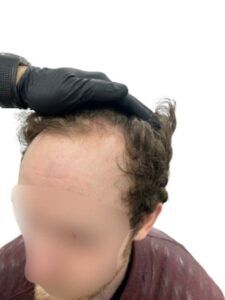
The recipient area is the part of the scalp or face that receives transplanted hair follicles. It might be a receding hairline, thinning crown, a gap in the beard or an eyebrow. The donor area supplies those follicles. Understanding the difference helps you discuss the surgical plan and follow the right instructions for each area afterwards.
A good plan explains more than how many grafts will be moved. It shows where they will go, how they will blend with existing hair and what can reasonably be achieved with the donor supply available. Ask to see that plan before agreeing to treatment.
Recipient area and donor area: what is the difference?
In scalp hair transplantation, follicles are usually taken from selected parts of the back and sides of the head. They are transferred to the area that needs coverage. Surgery redistributes existing follicles; it does not create an unlimited new supply of hair.
The two areas therefore need to be assessed together. A large thinning area may need more hair than can safely be taken from the donor region. The surgeon should explain any compromise between coverage, density and retaining enough donor hair for the future. Our donor-area guide explains why the appearance of the back and sides matters as well as the treated area.
Be clear about the terminology on your quotation. A graft is a small group of follicles, and it can contain more than one hair. A proposed graft count and a proposed hair count are not interchangeable. Ask which is being quoted and how the estimate relates to the area drawn on your scalp.
Where can grafts be placed?
Hairline and temples
The frontal hairline frames the face, so its position, shape and transition into existing hair need careful discussion. Bringing the line further forward increases the area that needs coverage. A design that looks appealing in a close-up photograph still needs to suit the rest of the scalp and possible future thinning.
Take time to inspect the proposed line from the front and both sides. Discuss your usual hairstyle and the change you want without assuming that a very low or perfectly straight line is appropriate. The hairline transplant page covers the assessment in more detail.
Mid-scalp and crown
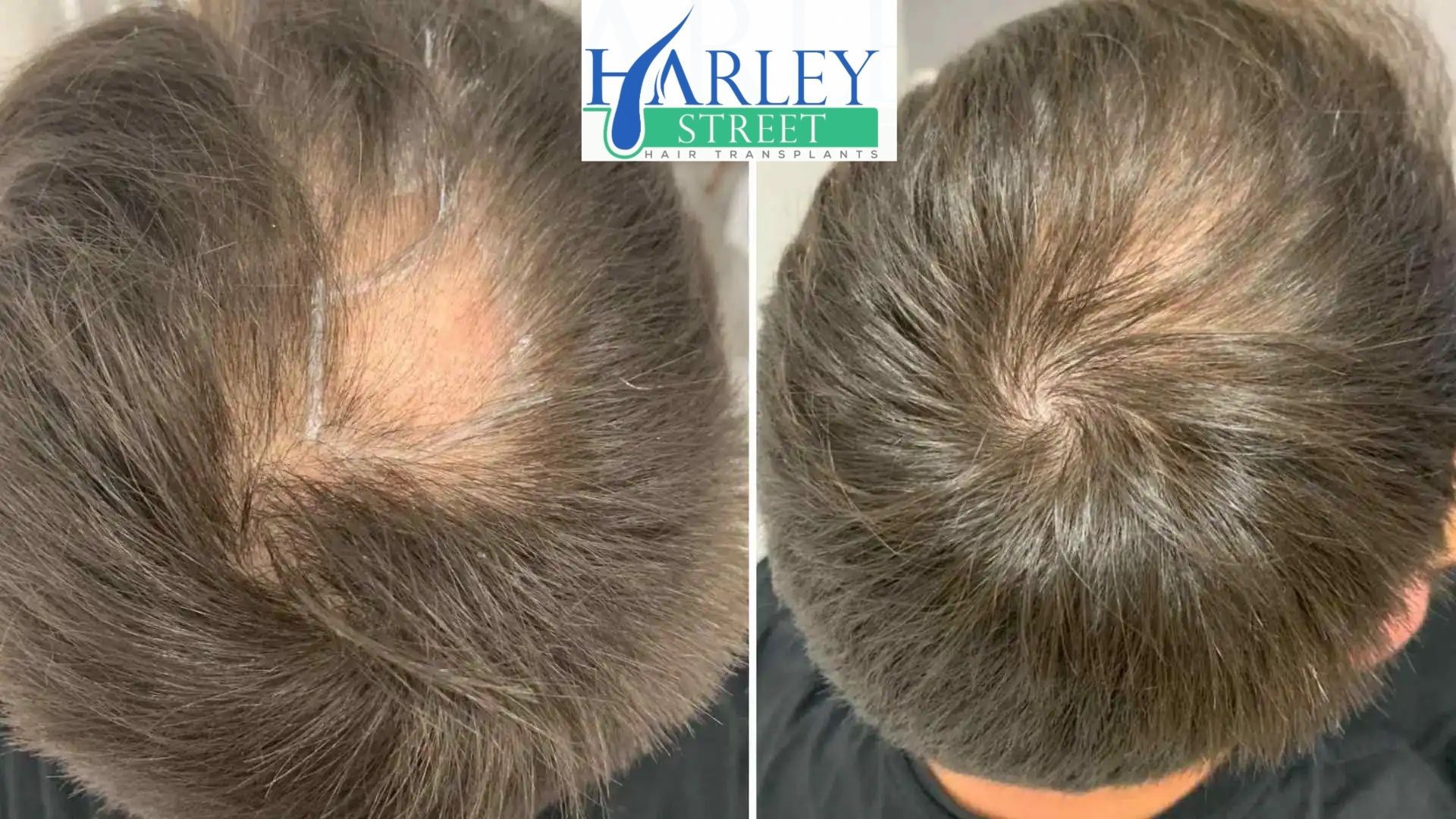
The mid-scalp lies behind the frontal area. The crown is the region around the natural whorl towards the back of the top of the head. These areas may need separate priorities, particularly when the available donor supply cannot give the same density everywhere.
Hair direction is relevant to a crown transplant because the whorl changes the way hair lies. Ask the surgeon to show where the proposed treatment begins and ends. An estimate for the crown alone should not be mistaken for a plan covering the entire top of the scalp.
Beard and eyebrows
Facial recipient areas have their own design and grooming considerations. Discuss the pattern of the missing hair, the direction of surrounding hairs and the maintenance that transplanted scalp hair may require. An unexplained new eyebrow gap or patch of beard loss needs assessment before it is treated as a cosmetic problem.
How is the recipient area planned?
Planning starts with the cause and pattern of hair loss. A photograph may help a clinic understand your concern, but it cannot establish everything about scalp health, donor quality or the stability of the loss. Tell the clinician about previous procedures, scalp symptoms, medical conditions and medicines.
The British Association of Aesthetic Plastic Surgeons describes angle, orientation, density and hairline design as key considerations in recipient-site planning. It also stresses that donor hair is finite and that further hair loss needs to be considered.
For your consultation, that translates into practical questions. Which area takes priority? What is likely to remain thin? How will the grafts blend with hair already present? If more hair is lost later, what options would remain? A useful answer should relate to your examination and proposed design, rather than a standard package.
Scars and previous surgery also need to be discussed. Show the surgeon any old recipient areas, extraction scars or areas of poor healing. Do not assume that a second procedure can simply add a large number of grafts wherever the first result looks sparse.
What happens during graft placement?
The harvesting method and the recipient-site work are separate parts of the operation. In FUE hair transplantation, grafts are harvested individually. FUT involves removing a strip of donor scalp and preparing grafts from it. Both approaches still require a plan for placing the grafts in the recipient area.
Small openings are made to receive the grafts. The position, direction and spacing are selected as part of the surgical design. Instruments and implantation methods vary, so ask the clinic to explain the proposed procedure in ordinary language rather than relying on a device name.
Ask who will make the donor and recipient incisions and who will carry out the supporting stages. The BAHRS guidance on surgical responsibilities states its position that skin incisions in UK hair transplantation should be made by GMC-registered doctors. Having trained assistants involved does not remove the need to identify the operating doctor and each person's role.
Does a larger recipient area mean more grafts?
Usually, covering a larger area requires more available hair, but surface area alone does not determine an individual graft recommendation. Existing density, hair characteristics, donor limitations and the intended visual change also matter. Two people with similar-looking recession may receive different plans.
A larger advertised graft number is not automatically a better offer. Ask whether the recommendation is achievable without leaving the donor region excessively thin, and whether the proposed density can be distributed sensibly. If the clinic recommends stages, ask what each stage is intended to accomplish.
When comparing quotations, keep the treatment area constant. A quote for the frontal hairline should not be compared directly with one covering the hairline, mid-scalp and crown. Confirm the procedure, estimate, operating clinician, treatment venue, follow-up arrangements and any additional charges in writing.
How should you care for the recipient area?
Follow the written instructions from the team performing your surgery. The recipient and donor areas can require different care, and washing instructions may change as healing progresses. Before leaving, ask the team to demonstrate the first wash and explain which products, contact and water pressure they want you to use.
The NHS hair-transplant guidance emphasises particular care during the first two weeks. It also describes temporary scabbing and an achy or swollen scalp among expected early effects. That general timetable should not override instructions tailored to your procedure.
Avoid picking crusts, scratching the treated skin or testing whether grafts feel secure. Ask before applying oils, styling products, topical hair-loss treatments or unprescribed creams. Discuss hats, helmets, exercise and your usual sleeping position before the operation so you can make workable arrangements.
Keep the clinic's contact details somewhere easy to find. If your instructions are unclear, a short question to the treating team is safer than combining several conflicting online routines. Our aftercare guide can help you prepare those questions.
Healing and hair growth happen on different timescales
The skin may look more settled before the cosmetic result is visible. Transplanted hairs can shed in the weeks after surgery, followed by gradual regrowth. The presence or absence of one shed hair does not establish whether a follicle has survived.
Keep photographs under similar lighting, with a similar angle and hairstyle, for the reviews agreed with your clinic. Daily photographs taken at different distances can make small changes look more dramatic than they are. The recovery and growth timeline explains why early healing and later density should be judged separately.
Contact the treating clinic promptly if pain becomes severe, redness or swelling is worsening, the area produces pus, or you feel unwell. An online article cannot distinguish an uncomplicated recovery from an infection or another problem in your own scalp.
Questions and answers
Is the recipient area always the top of the head?
No. It is whichever area receives the grafts. On the scalp that may include the hairline, temples, mid-scalp or crown; in suitable facial procedures it can include beard or eyebrow areas.
Does FUE remove the need for recipient-site incisions?
No. FUE describes donor harvesting. The follicles still need to be placed into the receiving skin. Ask how the recipient sites will be created and who will perform that stage.
Can grafts be placed between existing hairs?
That may be considered in suitable cases, but it needs an assessment of the existing hair and likely future loss. Ask how the surgeon will plan around it and what risks or limitations apply to your scalp.
Does every patient need the same washing routine?
No. Follow the treating team's instructions for your operation and stage of healing. If a general guide gives a different day or method, ask the clinic to clarify before changing your routine.
Will transplanted hair prevent further thinning?
A transplant does not stop loss of surrounding, non-transplanted hair. Long-term planning should include the possibility of further thinning and an individual discussion of appropriate management.
Can I judge the result when the scabs have gone?
No. The early appearance mainly reflects the placement and healing stage. Visible growth and the final cosmetic effect develop later, and follow-up is needed to assess progress.
Discuss your recipient-area plan
If you are considering treatment in London, request a consultation to discuss the areas you want to improve, your donor supply and the questions you want the surgeon to answer.