Blog Details

HOME  >  BLOG DETAILS

Creatine, DHT and hair-loss evidence

Does Creatine Cause Hair Loss?

Concerns about creatine and baldness largely came from one small study that measured changes in dihydrotestosterone but did not examine hair loss. More recent research has directly measured hair density, follicular units and hair thickness.

Current evidence: Creatine has not been shown to cause hair loss. A 2025 randomised placebo-controlled trial found no significant creatine-related change in DHT or measured hair-growth outcomes after 12 weeks. Longer and larger studies would still improve certainty.
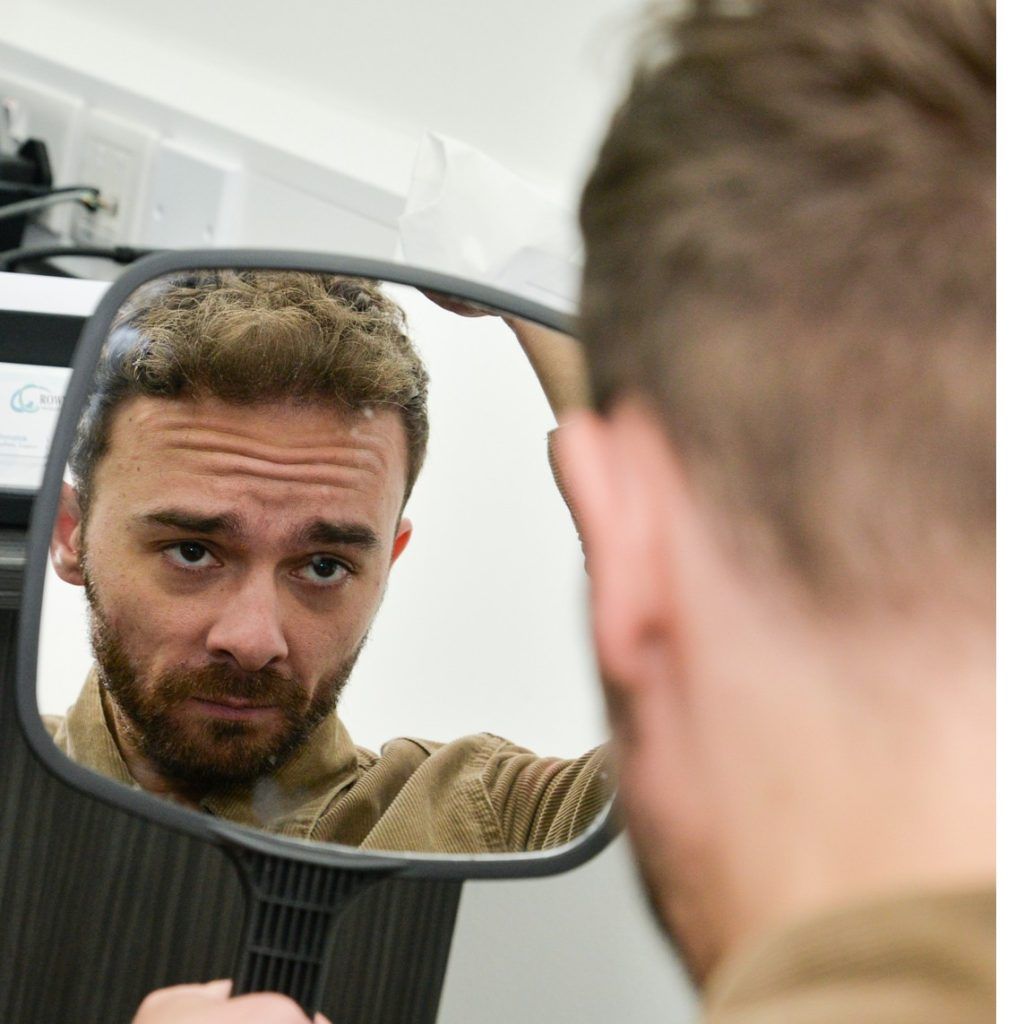
Man examining his hairline in a mirror
Hair thinning can have several possible causes. Creatine use alone does not establish the diagnosis.
2009 study Measured DHT, not hair loss
2025 trial Directly measured hair outcomes
Main finding No significant hair-related difference
Important Persistent hair loss still needs assessment

Evidence behind the claim

Why was creatine linked with hair loss?

The concern began after a 2009 study reported changes in circulating DHT among college-aged rugby players following a short creatine-loading and maintenance protocol.

2009 study

What the rugby-player study found

Twenty male rugby players took part in a double-blind crossover study. During the creatine phase, participants used 25 grams per day for seven days followed by 5 grams per day for 14 days.

  • total testosterone did not significantly change;
  • circulating DHT increased from baseline;
  • the DHT-to-testosterone ratio also increased;
  • the study lasted only three weeks;
  • it did not assess hair density, shedding, miniaturisation or clinical hair loss.
2025 randomised trial

What the direct hair study found

Forty-five resistance-trained men were randomised to 5 grams per day of creatine monohydrate or placebo for 12 weeks. Thirty-eight participants completed the study.

  • DHT and testosterone were measured;
  • hair density was assessed;
  • follicular-unit counts were assessed;
  • cumulative hair thickness was assessed;
  • no significant creatine-related difference was found in androgen or hair outcomes.
Balanced interpretation: The 2025 trial provides stronger and more direct evidence than the earlier DHT-only study, but it does not prove that every dose is risk-free for every person indefinitely. It involved a relatively small group of resistance-trained men and lasted 12 weeks.

Side-by-side comparison

Comparing the 2009 and 2025 studies

Study feature 2009 rugby-player study 2025 randomised trial
Main question Whether creatine changed circulating testosterone, DHT and their ratio. Whether creatine changed androgen levels or directly measured hair-follicle outcomes.
Participants 20 college-aged male rugby players. 45 resistance-trained men recruited; 38 completed.
Duration Three weeks of supplementation. Twelve weeks of supplementation.
Creatine protocol 25 grams daily for seven days, followed by 5 grams daily for 14 days. 5 grams daily without a high-dose loading phase.
Hair measured? No. Yes—hair density, follicular-unit count and cumulative hair thickness were assessed.
Main result DHT rose relative to baseline during the creatine phase. No significant creatine-related difference in DHT or hair-related outcomes.
What it means It created a hypothesis but did not demonstrate creatine-induced hair loss. It provides direct evidence against a measurable hair-loss effect over 12 weeks at 5 grams daily.

Hormones and genetically susceptible follicles

What is DHT and how is it related to hair loss?

Dihydrotestosterone is an androgen formed from testosterone through the enzyme 5-alpha-reductase. DHT plays an important role in androgenetic alopecia, but its effect depends partly on genetic susceptibility within individual scalp follicles.

Follicular sensitivity matters

In androgenetic alopecia, susceptible follicles can progressively miniaturise and produce shorter, finer hairs. A circulating hormone result alone does not confirm that this process is occurring.

Hair loss has multiple causes

Pattern baldness is only one possible explanation. Diffuse shedding, nutritional deficiency, illness, medication, thyroid disease, inflammation and autoimmune conditions may produce different patterns.

DHT is not telogen effluvium

Androgenetic alopecia involves progressive follicle miniaturisation. Telogen effluvium is diffuse shedding caused by an increased proportion of hairs entering the resting phase after a trigger.

Correction to the old article: Pattern hair loss and telogen effluvium are not the same condition. DHT-related miniaturisation should not be described as telogen effluvium.

Look beyond one supplement

Other reasons gym users may notice hair loss

Exercise and creatine use may happen at the same time as several unrelated causes of thinning or shedding. Timing alone does not prove that the supplement caused the change.

Androgenetic alopecia

A receding hairline, temple loss or progressive crown thinning may reflect inherited pattern hair loss that would have developed regardless of creatine use.

Rapid dieting or low intake

Severe calorie restriction, insufficient protein, iron deficiency or rapid weight loss may contribute to diffuse shedding in susceptible circumstances.

Read about protein deficiency

Illness, stress or surgery

Physiological or psychological stressors may trigger telogen effluvium, with shedding becoming noticeable several weeks or months after the event.

Anabolic steroids or androgens

Non-prescribed anabolic steroids and androgenic drugs are different from creatine and may accelerate pattern loss in genetically susceptible individuals.

Scalp conditions

Inflammation, scaling, infection and scarring disorders may cause shedding or permanent follicular damage and require appropriate medical assessment.

Hair breakage

Heat, bleaching, tight hairstyles, friction and harsh grooming can break hair shafts without causing the follicle itself to fall out.

Pattern versus shedding

What does your hair loss look like?

Possible pattern hair loss

  • gradual recession at the frontal hairline;
  • thinning at the temples;
  • increasing visibility at the crown;
  • progressive reduction in hair calibre;
  • family history may be present but is not required;
  • change typically develops gradually.

Possible diffuse shedding

  • increased loose hair during washing or brushing;
  • reduced density across much of the scalp;
  • onset after illness, stress or dietary change;
  • no clear frontal or crown-only pattern;
  • scalp may appear normal;
  • the trigger may have occurred months earlier.

Practical next steps

What should you do if you use creatine and notice hair loss?

Do not assume that creatine is the cause and do not use a short period without supplements as a reliable self-diagnostic test. Hair-cycle changes can take months to become visible.

Record the pattern

Note whether the change affects the hairline, crown, whole scalp or defined patches. Clear photographs can help track progression.

Review the timeline

Consider recent illness, stress, surgery, weight loss, dietary restriction, new medication and performance- enhancing drug use.

Seek assessment

Persistent, progressive, sudden, painful, inflamed, patchy or unexplained loss should be discussed with an appropriate healthcare professional.

Discuss treatment

Treatment depends on the diagnosis. A supplement history may be relevant, but it should not replace examination and appropriate investigation.

Do not stop prescribed treatment: Speak with the relevant prescriber before changing prescribed medication. People with an existing medical condition or concerns about supplement suitability should seek individual advice from a doctor, pharmacist or registered dietitian.

General supplement information

How is creatine commonly used?

Creatine monohydrate is the most extensively studied form. Research commonly uses either a daily maintenance dose or a short loading phase followed by maintenance.

Daily approach

Many studies use approximately 3–5 grams of creatine monohydrate per day. Muscle stores increase more gradually without a loading phase.

Loading approach

Some protocols use roughly 20 grams per day, divided into smaller doses, for around five to seven days before moving to a lower daily amount.

Loading is optional

A loading phase increases muscle creatine stores more quickly, but consistent lower daily intake can reach a similar level over a longer period.

This is not personalised supplement advice: Appropriate use can differ with age, health, medication, pregnancy, diet and clinical circumstances. Follow the product instructions and obtain professional advice where appropriate.

Research used in this article

Primary studies and scientific review

Lak M, Forbes SC, Ashtary-Larky D, et al. — 2025

Twelve-week randomised placebo-controlled trial assessing androgen levels, hair density, follicular-unit count and cumulative hair thickness.

View the study on PubMed
van der Merwe J, Brooks NE, Myburgh KH — 2009

Three-week crossover study assessing testosterone, DHT and the DHT-to-testosterone ratio in college-aged rugby players. Hair loss was not measured.

View the study on PubMed
Antonio J, Candow DG, Forbes SC, et al. — 2021

Peer-reviewed evidence review examining common questions and misconceptions about creatine supplementation, including hair loss, loading and safety.

View the review on PubMed

Common questions

Creatine and Hair Loss FAQs

Does creatine cause hair loss?

Current direct evidence does not show that creatine causes hair loss. A 2025 randomised trial found no significant difference between creatine and placebo in DHT, hair density, follicular-unit count or cumulative hair thickness after 12 weeks.

Why do people think creatine causes baldness?

The concern largely came from a small 2009 study that reported increased circulating DHT after creatine supplementation. The study did not assess shedding, hair density or clinical hair loss.

What did the 2025 creatine study find?

Thirty-eight resistance-trained men completed a 12-week trial of 5 grams of creatine monohydrate or placebo daily. Researchers found no significant creatine-related difference in androgen or measured hair outcomes.

Does DHT cause all hair loss?

No. DHT is important in androgenetic alopecia in genetically susceptible follicles, but hair loss may also result from telogen effluvium, alopecia areata, nutritional deficiency, illness, medication, thyroid disease, inflammation or scarring conditions.

Should I stop taking creatine if my hair is thinning?

Do not assume that creatine is the cause. Review the pattern and timing and seek suitable medical advice for persistent, progressive or unusual hair loss. Discuss supplement decisions with a doctor, pharmacist or registered dietitian where appropriate.

Will stopping creatine confirm the cause?

No. Hair cycles are slow, multiple conditions can overlap and pattern hair loss can continue regardless of supplement use. Stopping and restarting creatine is not a reliable diagnostic test.

Can creatine accelerate inherited pattern baldness?

This has not been demonstrated in direct clinical research. The current evidence does not show a significant creatine-related effect on DHT or measured hair outcomes, although longer and larger studies would provide greater certainty.

What should I do about progressive hairline or crown loss?

Arrange an assessment to establish the likely cause, examine the scalp and donor area and discuss suitable medical, non-surgical or surgical options rather than assuming a supplement is responsible.

Can a hair transplant treat pattern hair loss?

Selected patients with stable androgenetic alopecia and a suitable donor area may be considered for a hair transplant. Surgery does not prevent untreated native hair from continuing to thin.

How do I book a consultation?

Contact Harley Street Hair Transplants or call 020 8088 1333 to discuss your hair-loss pattern, donor-area suitability and possible next steps.

Concerned about thinning or increased shedding?

Request a consultation to review your hair-loss pattern, donor area, possible causes, treatment options, expected costs and realistic long-term planning.

Protein deficiency hair loss with protein-rich food including eggs fish meat nuts and dairy for hair
By Dr Harpreet Kalra July 24, 2026
Can protein deficiency cause hair loss? Learn how low protein affects hair growth, shedding, brittle hair, recvery, diet and when to seek expert advice.
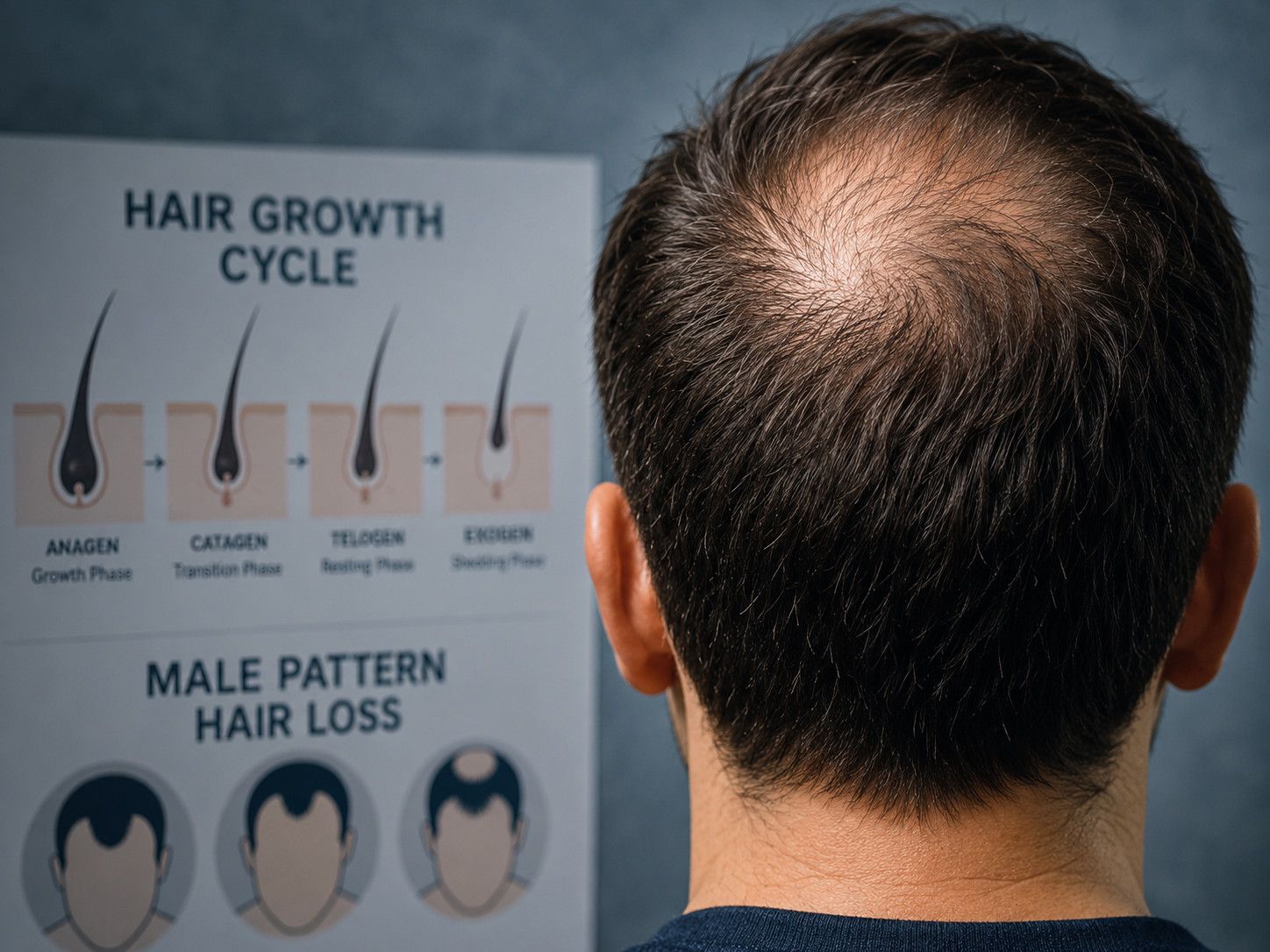
Diagram of hair growth cycle beside the back of a man’s head with thinning hair on top
By Dr. Kalra June 25, 2026
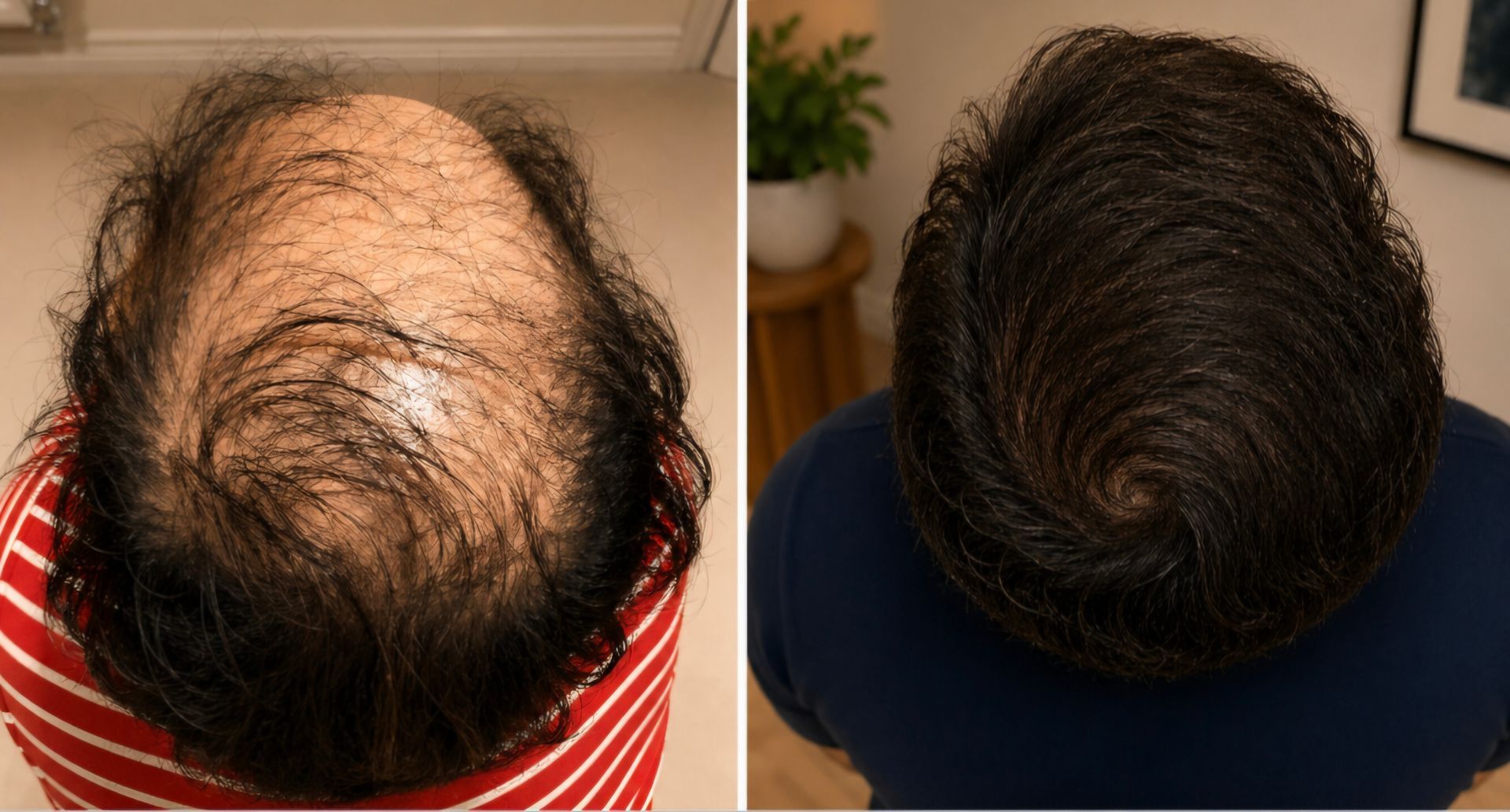
A man suffering from hair loss at the above of his head (crown).
Jack P. Shepherd has reportedly revealed his third hair transplant. Here’s what his transformation s
By Dr. Harpreet Kalra June 18, 2026
Jack P. Shepherd has reportedly revealed his third hair transplant. Here’s what his transformation shows about modern hair restoration, natural results and choosing the right UK clinic.
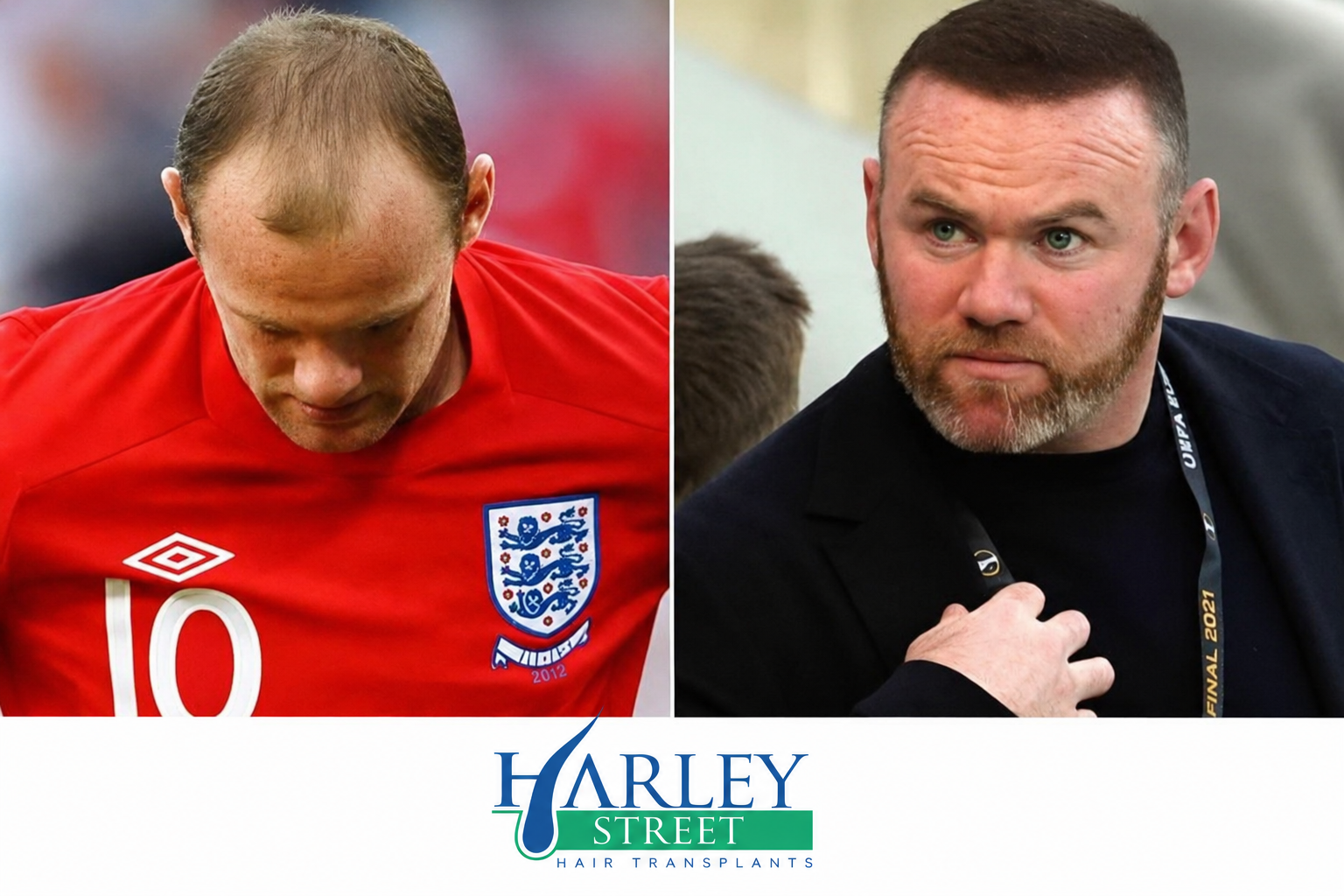
Image of Wayne Rooney before and after FUE hair transplant
By Harley street hair transplants May 18, 2026
Wayne Rooney’s hair transplant helped normalise male hair restoration. Learn what his transformation teaches men about hair loss, FUE, realistic results.
By Harley street hair transplants May 1, 2026
Latest Hair Transplant Techniques in 2026: What Clinics Don’t Tell You
By Harley street hair transplants April 13, 2026
Learn how minimally invasive hair transplants work, what FUE and DHI cost in the UK, and how to choose the right surgeon for natural, lasting results.
By Harley street hair transplants April 13, 2026
Learn how DHI hair transplants work, who qualifies, and why surgeon skill matters more than technology. Expert insights for UK patients considering DHI.
By Harley street hair transplants February 17, 2025
What should I do before and after my hair transplant ? 
a logo of Alliance of Hair Restoration Surgeons
By Harley street hair transplants January 12, 2025
hair transplant surgeons who are Registered with Alliance of Hair Restoration Surgeons
Picture of a NHS on a building
By Harley street hair transplants December 30, 2024
having a hair Transplant with the NHS and risks of having a hair transplant.