Hair structure: the strand, the follicle and why the difference matters
Conditioning a hair shaft and treating a hair-loss condition act on different parts of the problem.

On this page
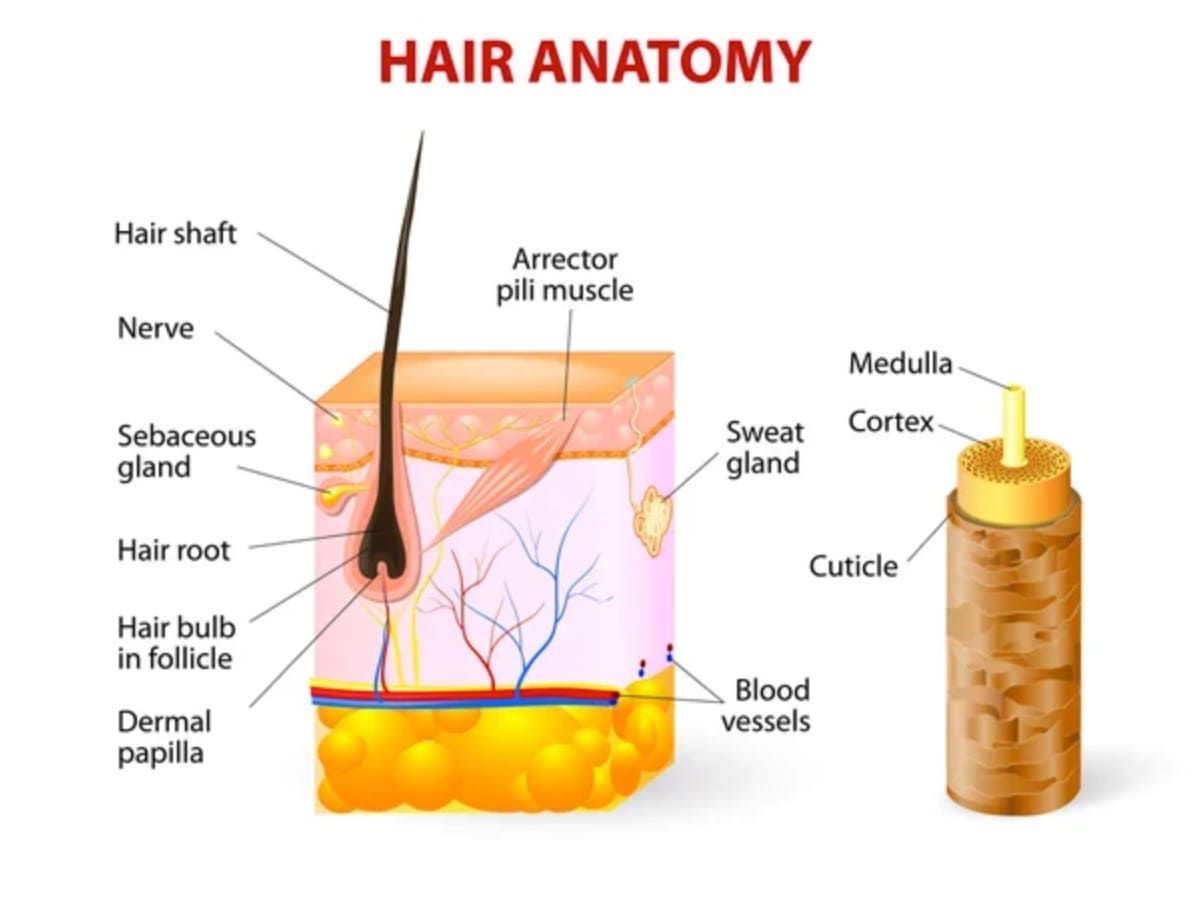
The hair you can see is the shaft. The follicle is the structure within the skin that produces it. This distinction explains why a conditioner can make hair smoother without treating a condition that affects growth at the follicle.
The shaft: cuticle, cortex and medulla
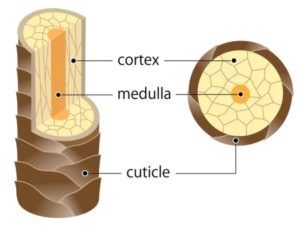
The cuticle is the outer protective layer, formed from overlapping cells. Friction, heat and chemical processing can damage it, leaving the strand more prone to tangling and breakage.
The cortex makes up much of the hair shaft and contributes to its strength, shape and colour. It contains keratin and pigment. The medulla is a central region present in some hairs; it is not present in every strand and should not be described as the hair's main source of strength.
Conditioners act on the existing fibre. They can improve manageability and reduce friction, but they do not turn the visible strand into living tissue or create extra follicles.
The follicle and bulb
The follicle surrounds the growing hair within the skin. At its base, the bulb contains actively dividing cells involved in forming the shaft. The dermal papilla is part of the signalling and support system associated with growth.
Pigment-producing melanocytes supply melanin to the developing hair. Keratin-producing cells contribute to the shaft as it forms. These processes occur beneath the skin; trimming the ends does not directly change how the follicle produces hair.
Sebaceous glands release sebum into the follicular canal higher up the follicle. Sebum contributes to lubrication of the skin and hair. It is inaccurate to describe the gland as attached to the very base of every follicle.
Growth is a cycle
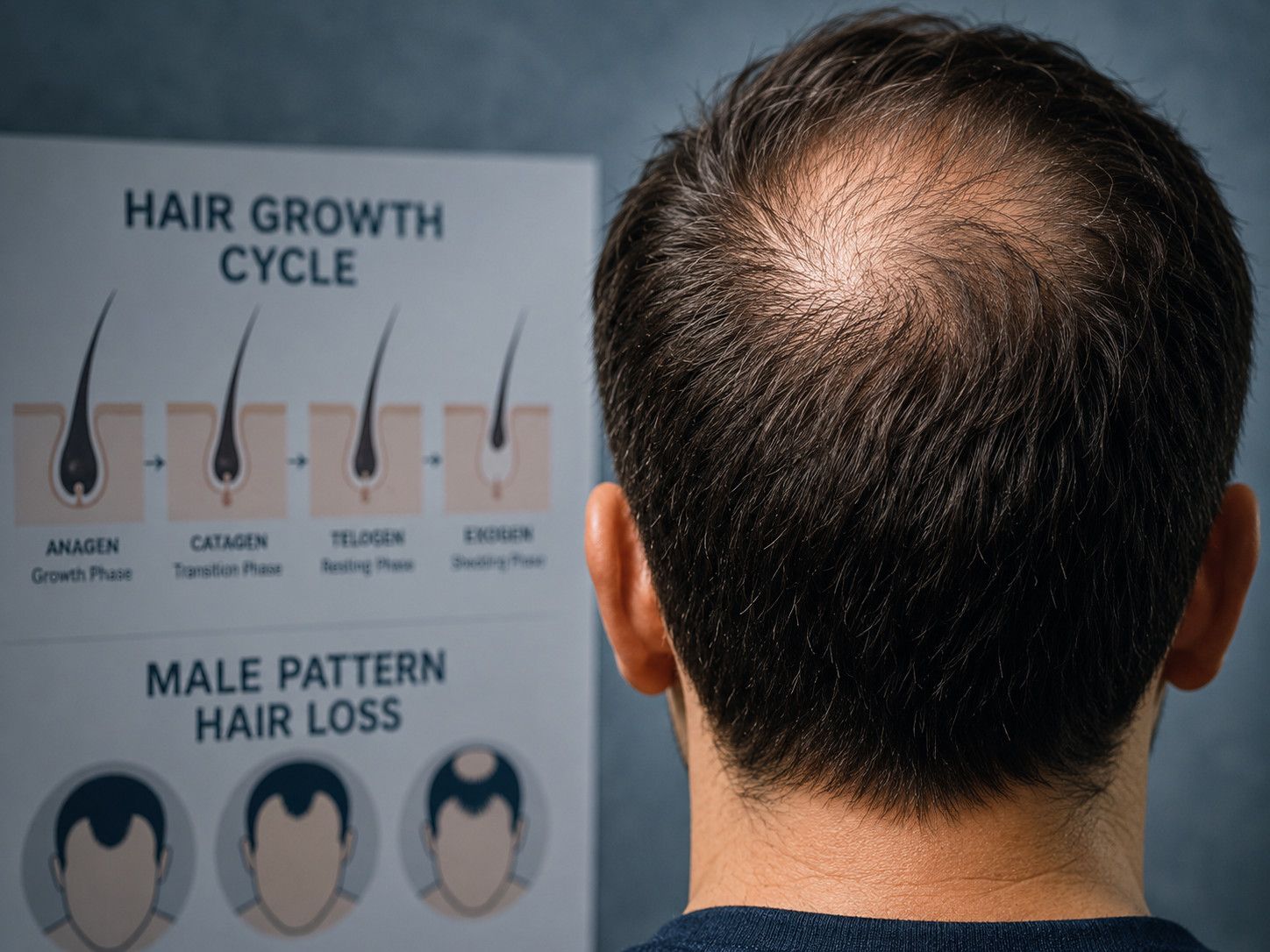
Follicles alternate between growth, transition and rest, with hairs eventually released. The follicles on your scalp are not all at the same stage. This is why some daily shedding occurs without the entire scalp losing its hair together.
Our hair growth cycle guide explains these phases and why a trigger can cause shedding some time later. Changes in the cycle and damage to the shaft can occur together, but they are not the same process.
Breakage versus loss from the follicle
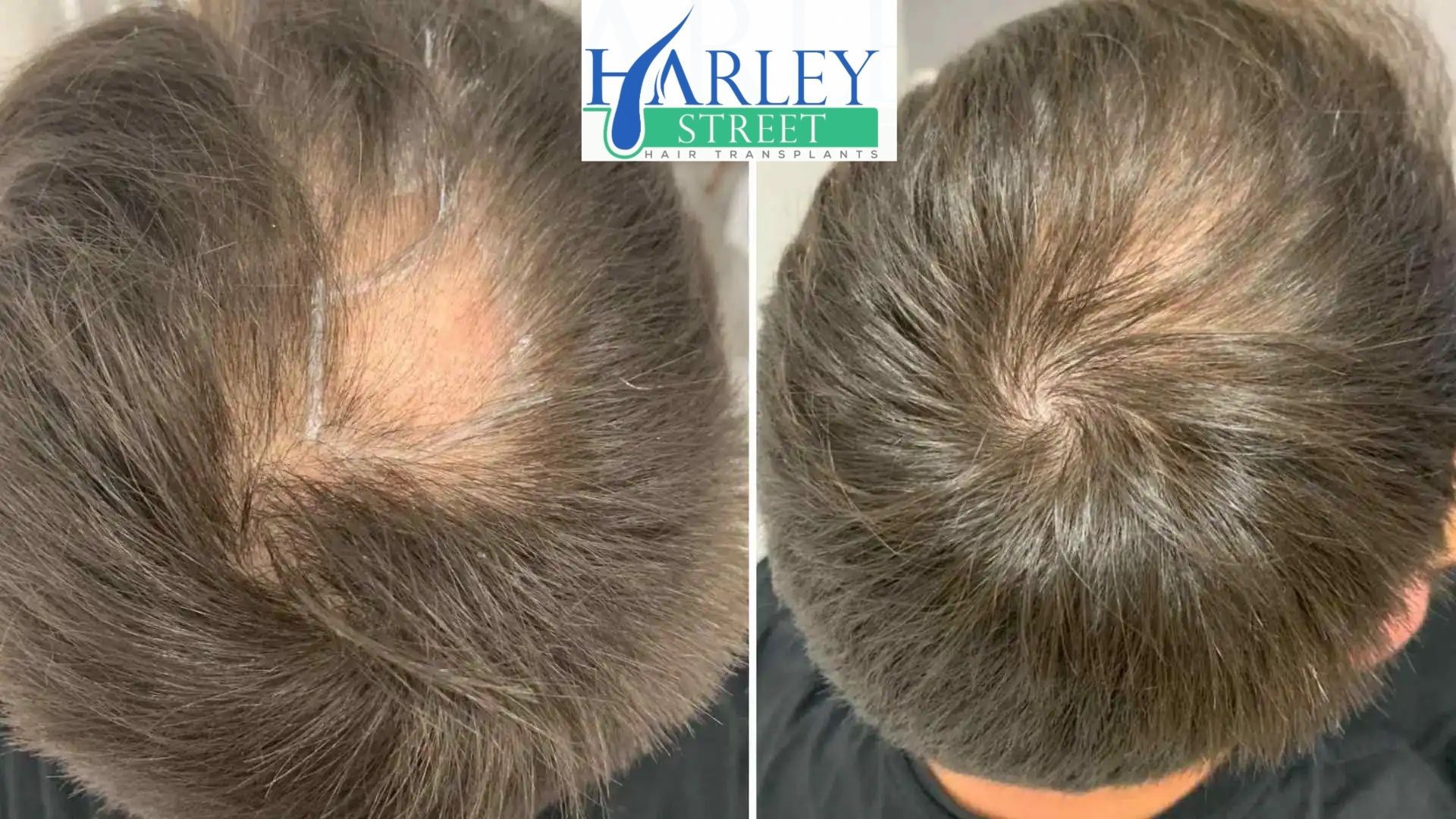
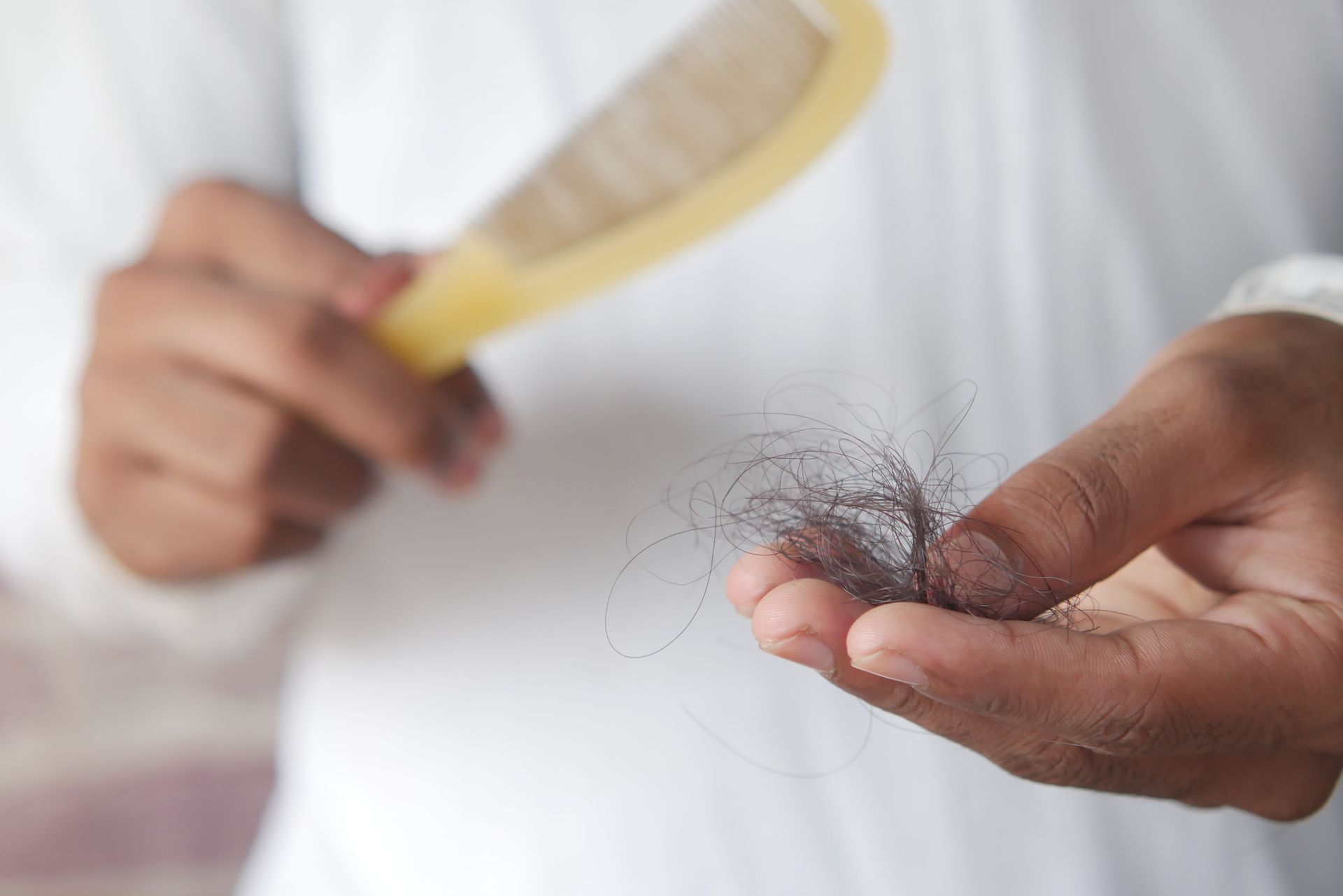
Breakage affects the strand and may leave shorter pieces or uneven lengths. Shedding releases a hair from the follicle. Pattern hair loss involves progressive changes in the hairs produced by susceptible follicles, while scarring conditions can destroy follicles.
The distinction matters when choosing care. Gentler handling may reduce breakage, but a widening parting or inflamed scalp may need a medical assessment. The AAD guidance on preventing hair damage focuses on protecting the strand.
What a transplant moves
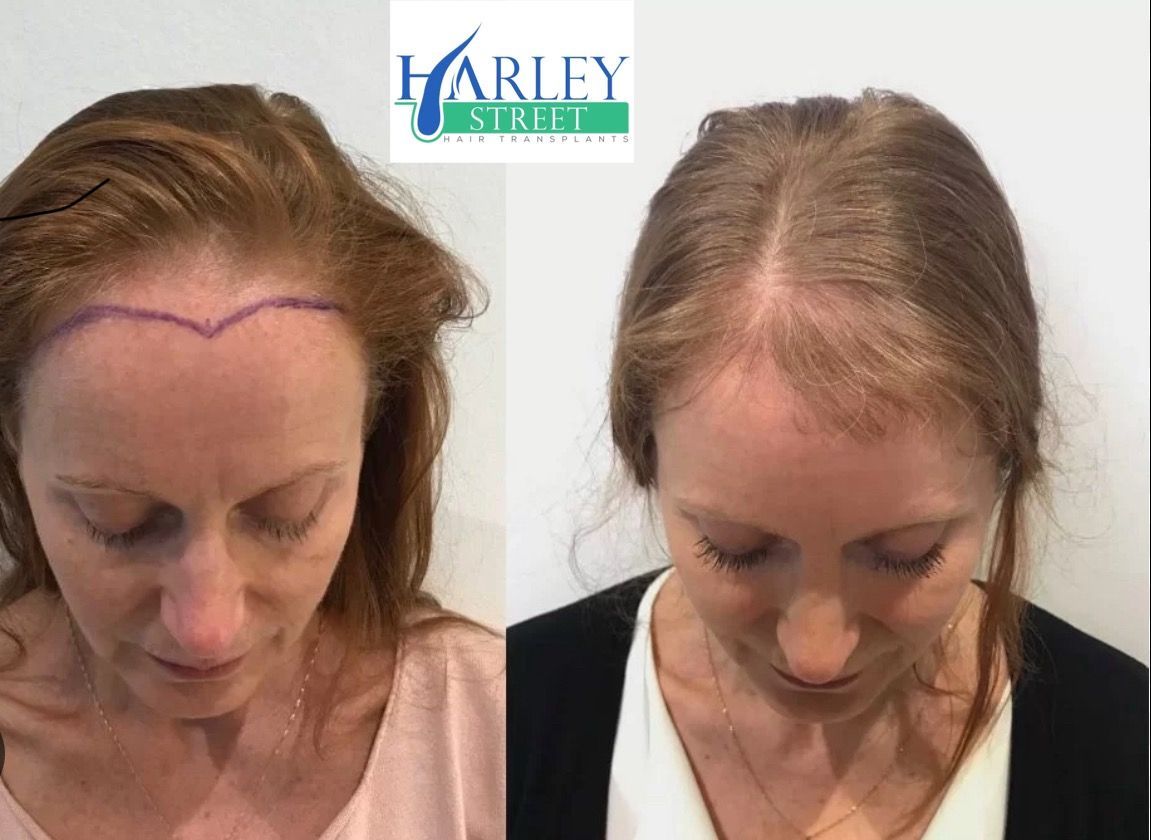
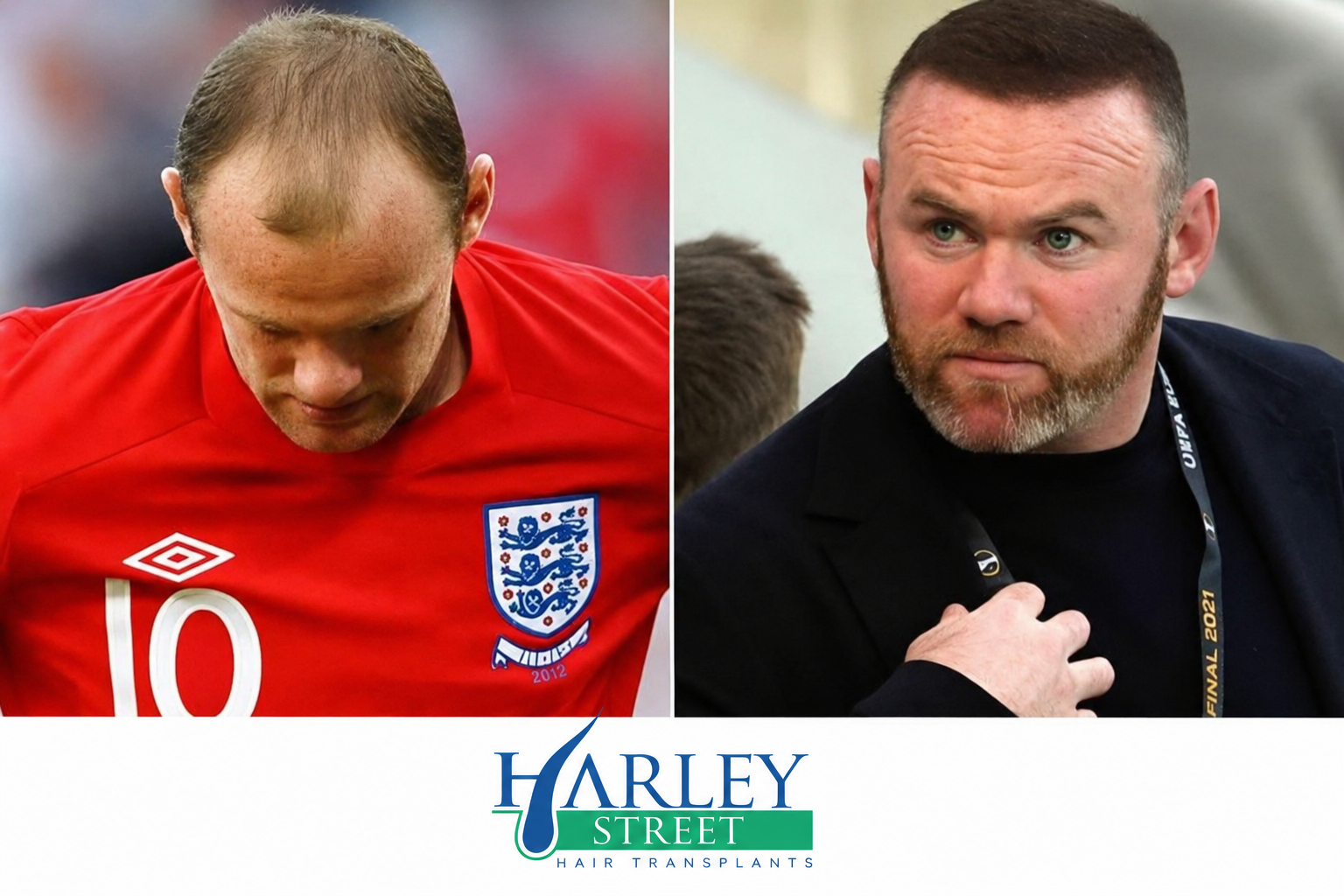
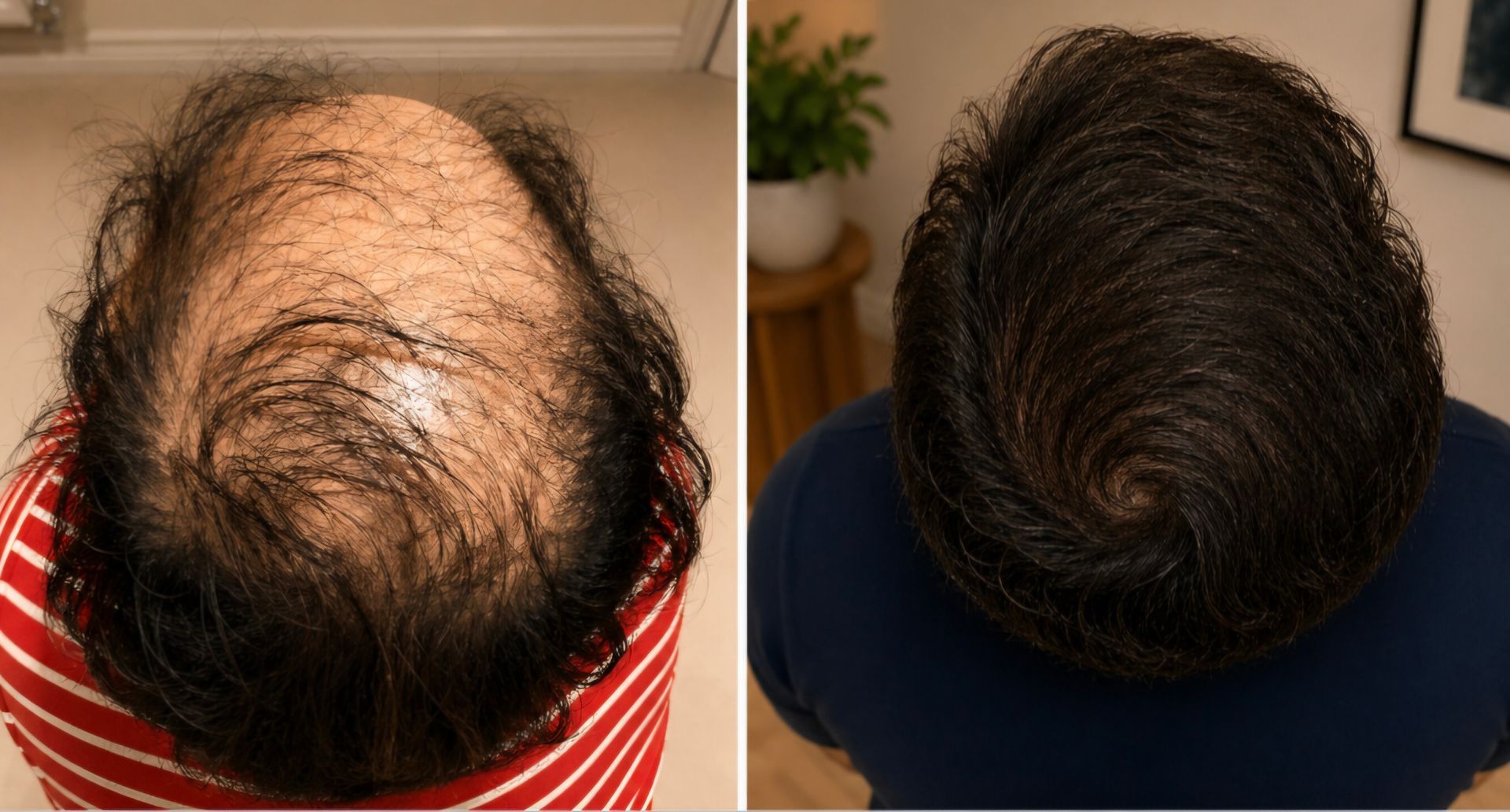
A transplant moves follicular units with their supporting tissue, rather than attaching loose hair shafts to the scalp. The grafts need to heal and produce hair in their new position. A finite donor supply limits how much can be moved.
For the practical implications, see the essentials of hair transplant surgery. Understanding the anatomy helps explain why graft handling, donor assessment and healing all matter.
Questions and answers
Does cutting hair make the follicle grow faster?
Cutting changes the visible length and shape of the shaft. It does not directly change the follicle's growth cycle.
Can conditioner repair a cause of thinning at the root?
Conditioner can improve the feel and manageability of the strand. It does not treat every condition that affects the follicle.
Is a graft the same as one hair?
No. A follicular-unit graft may contain more than one hair, so graft counts and hair counts should be distinguished.