Protect the Area
Before leaving the clinic, make sure you understand your written instructions, medication, sleeping position and washing or spraying plan.
After your hair transplant, the early priorities are protecting the grafts, keeping the scalp clean and caring for the donor area as the skin heals. Follow the written instructions from your treating clinic; use this guide to prepare questions about your recovery.
Below you will find advice on washing, sleeping, returning to work and looking after your scalp as it heals. Your own written aftercare instructions take priority.


Early recovery is mainly about allowing the recipient and donor areas to heal without unnecessary friction, pressure or trauma.
Before leaving the clinic, make sure you understand your written instructions, medication, sleeping position and washing or spraying plan.
Mild tenderness, tightness, redness, crusting and swelling can occur. Avoid rubbing the recipient area against bedding or clothing.
Washing is introduced according to your postoperative instructions. Avoid strong water pressure and aggressive rubbing.
Crusting should progressively loosen as healing continues. Do not deliberately pick or pull attached crusts away.
What is supplied can vary by procedure and individual treatment plan. Your written discharge instructions should always take priority over general information online.
Healing of the skin happens much sooner than maturation of the transplanted hair. Growth develops gradually rather than appearing all at once.
Some transplanted hair shafts can shed after surgery. The follicular unit can remain beneath the skin while the visible shaft is lost.
New hairs may begin to appear. Early growth can be fine, uneven and different in texture or calibre from the eventual mature result.
Visible coverage can start to become more noticeable, although this is still an intermediate stage rather than the final result.
Additional growth and increasing hair-shaft calibre can create a more substantial visual change.
Many patients have a substantially developed result by this stage, although continued maturation can still occur.
Some cases continue to improve beyond one year. Crown and larger recipient areas can take longer to mature than some frontal procedures.
Your own postoperative instructions determine exactly when each step should begin. These are the principles that commonly matter during early healing.
Washing should be introduced gently according to your clinic instructions. The aim is to cleanse the scalp without unnecessary pressure on healing recipient sites.
Early sleeping advice is designed to reduce pressure and rubbing against the treated area. A different position may be recommended depending on where grafts were placed.
Some patients are advised to keep the head elevated during the first few nights, particularly where postoperative swelling is expected.
Small crusts can form around recipient sites. These generally loosen as healing progresses and washing becomes more normal.
Avoid scratching or forcibly removing attached crusts. If significant crusting persists unexpectedly, contact the clinical team.
Mild tightness, tenderness, redness and swelling can occur during early recovery. Swelling can sometimes extend towards the forehead.
Symptoms should generally settle rather than become progressively more painful, hot, swollen or associated with discharge.
Itching can accompany healing, but direct scratching over grafts or donor sites should be avoided.
Significant itching associated with a rash, increasing redness or discharge should be discussed with the clinic.
FUE creates multiple individual extraction sites. FUT involves a linear donor wound. The two donor areas therefore require different postoperative wound-care instructions.
Our donor-area guide explains donor healing and preservation in more detail.
Return-to-normal timings vary. Your surgical team's instructions should determine when individual activities can safely be resumed.
Avoid rushing back into strenuous activity while donor and recipient areas are healing. Return progressively when cleared.
Avoid pools, hot tubs and open water until the treated skin has healed sufficiently and you have been advised it is safe.
High heat and heavy sweating can irritate a healing scalp during the early postoperative period.
Recently treated skin can be sensitive. Protect the scalp according to your postoperative instructions.
Avoid anything that places unnecessary pressure or friction directly over recently implanted grafts until cleared.
Avoid gels, waxes, sprays and excessive hair-dryer heat while the scalp is still healing.
Take medication exactly as directed. Do not change the dose or duration without speaking to the clinician responsible for your care.
Some patients may discuss treatment for continuing native-hair loss. Suitability, contraindications and potential adverse effects need to be considered individually.
PRP may be considered for selected patients but is not mandatory postoperative care and should not be presented as a guarantee of faster transplant growth.
Individual extraction sites need time to settle while the recipient area heals. FUE information.
DHI mainly changes implantation. Where individual follicular units are extracted, donor recovery follows similar principles to FUE. DHI information.
FUT additionally requires care of the linear donor wound and any sutures or staples used during closure. FUT information.
Crown growth can mature comparatively slowly, so an intermediate result should not be mistaken for final density. Crown information.
Facial recipient sites require careful protection while donor-area care depends on the extraction method used. Beard information.
Early rubbing should be avoided because direction and angle are especially important in eyebrow restoration. Eyebrow information.
Contact the clinic promptly if recovery is becoming worse rather than progressively settling, or if you are concerned about your grafts or donor area.
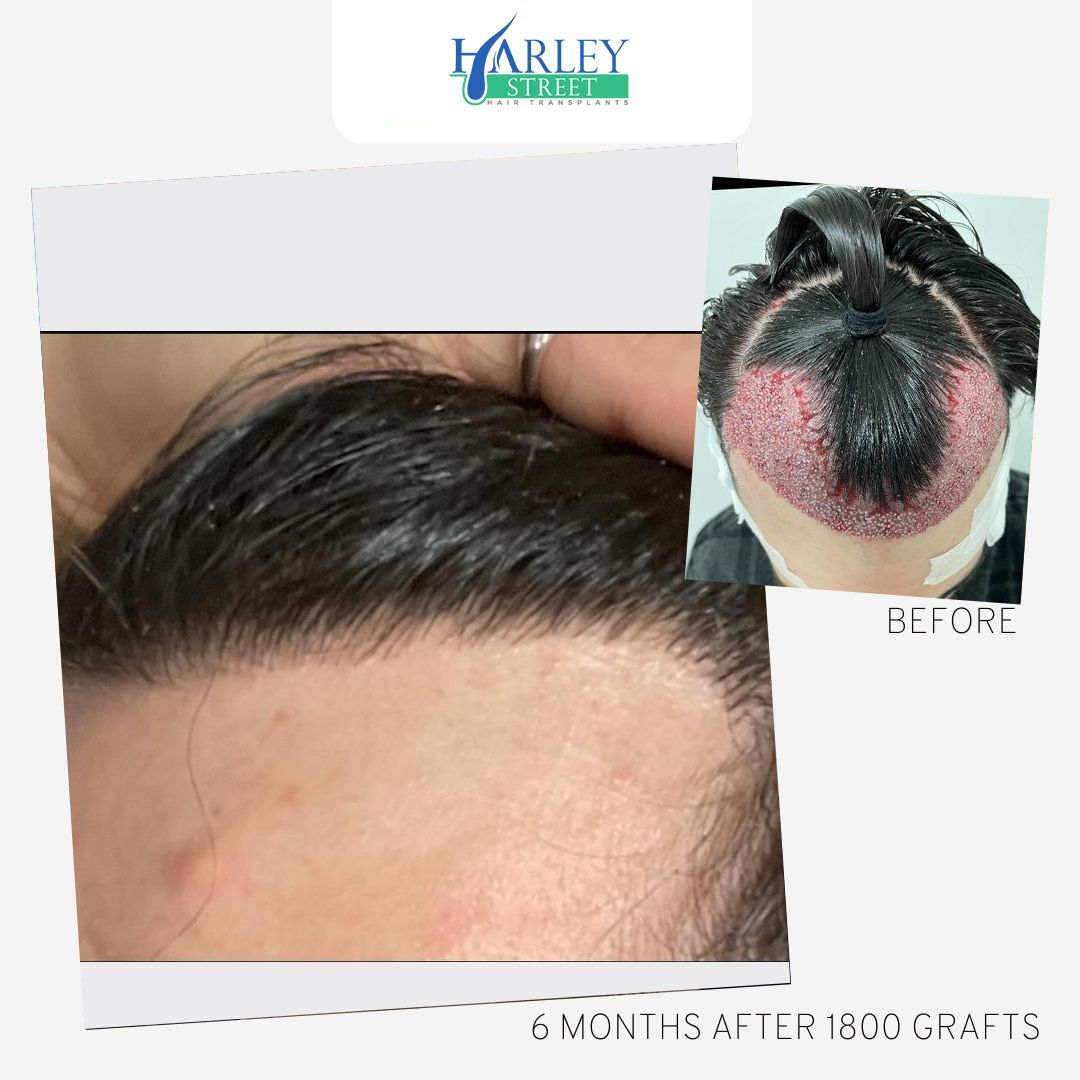
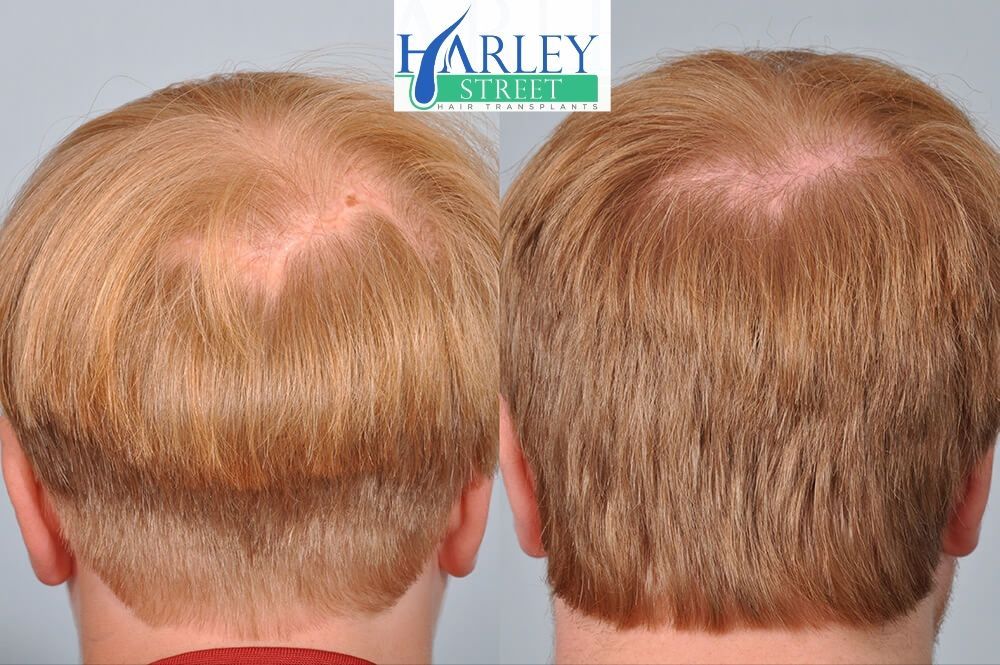
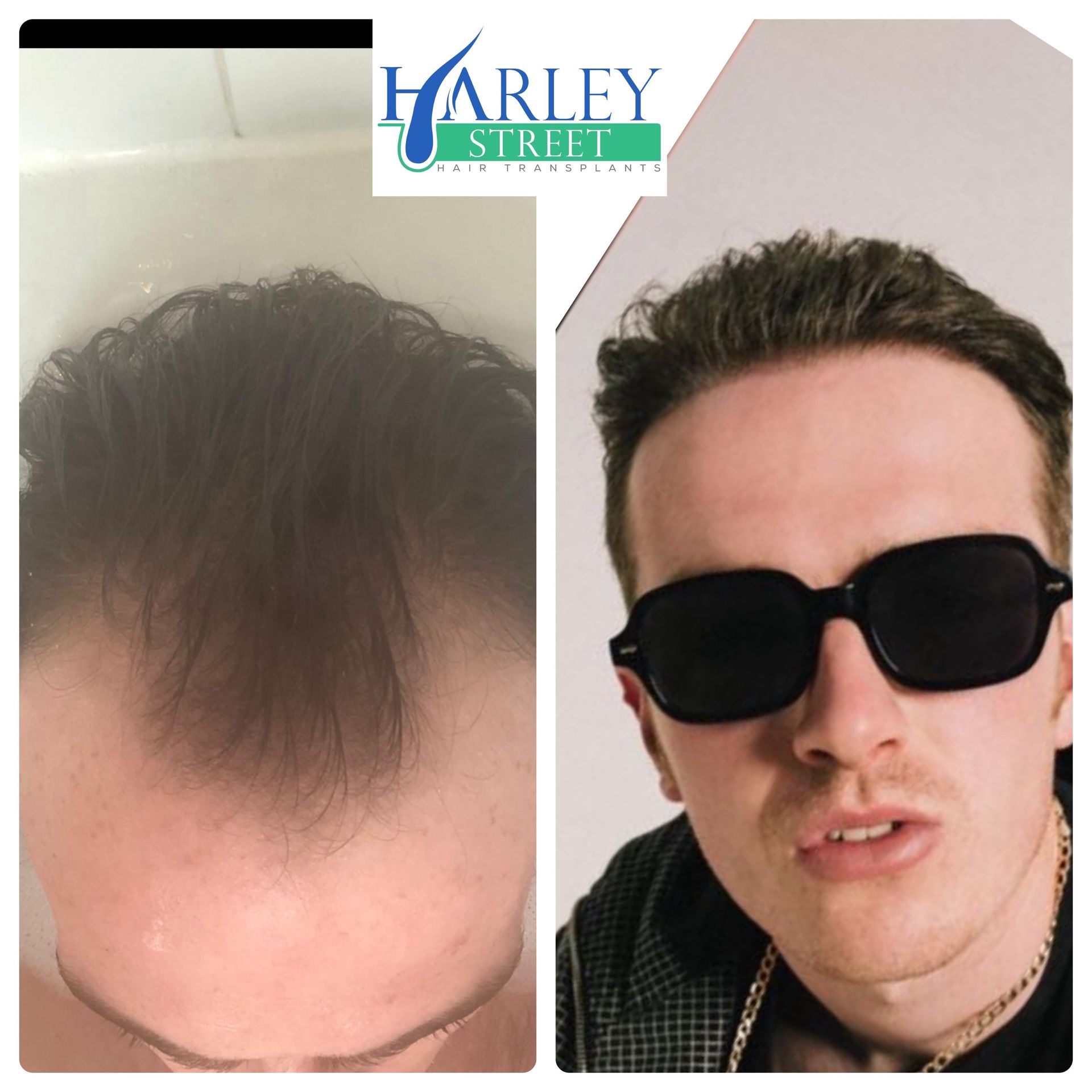
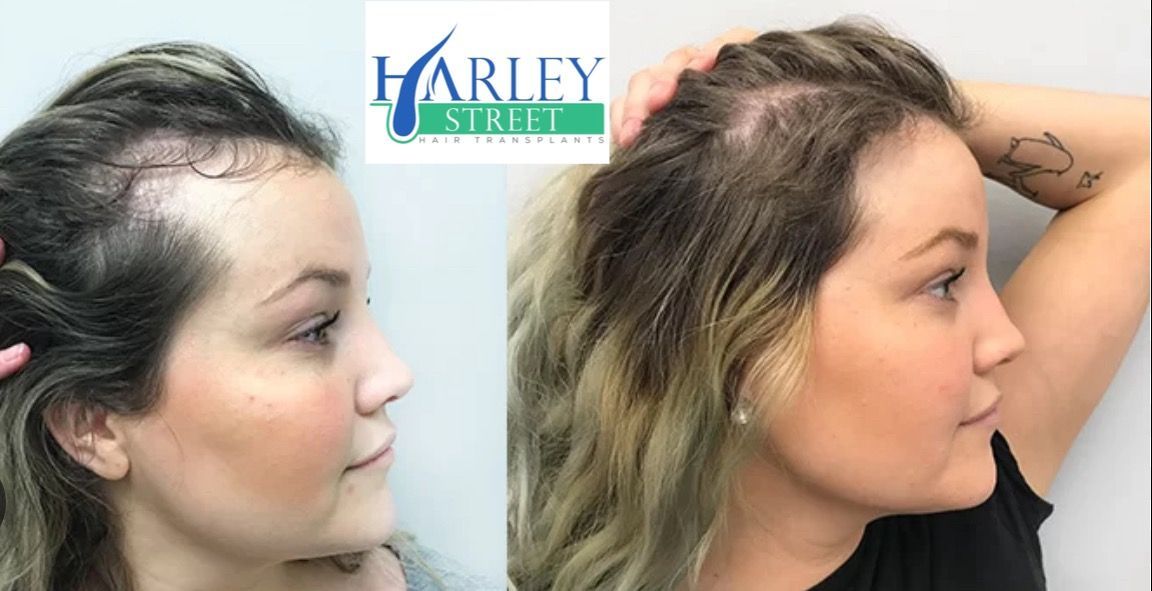
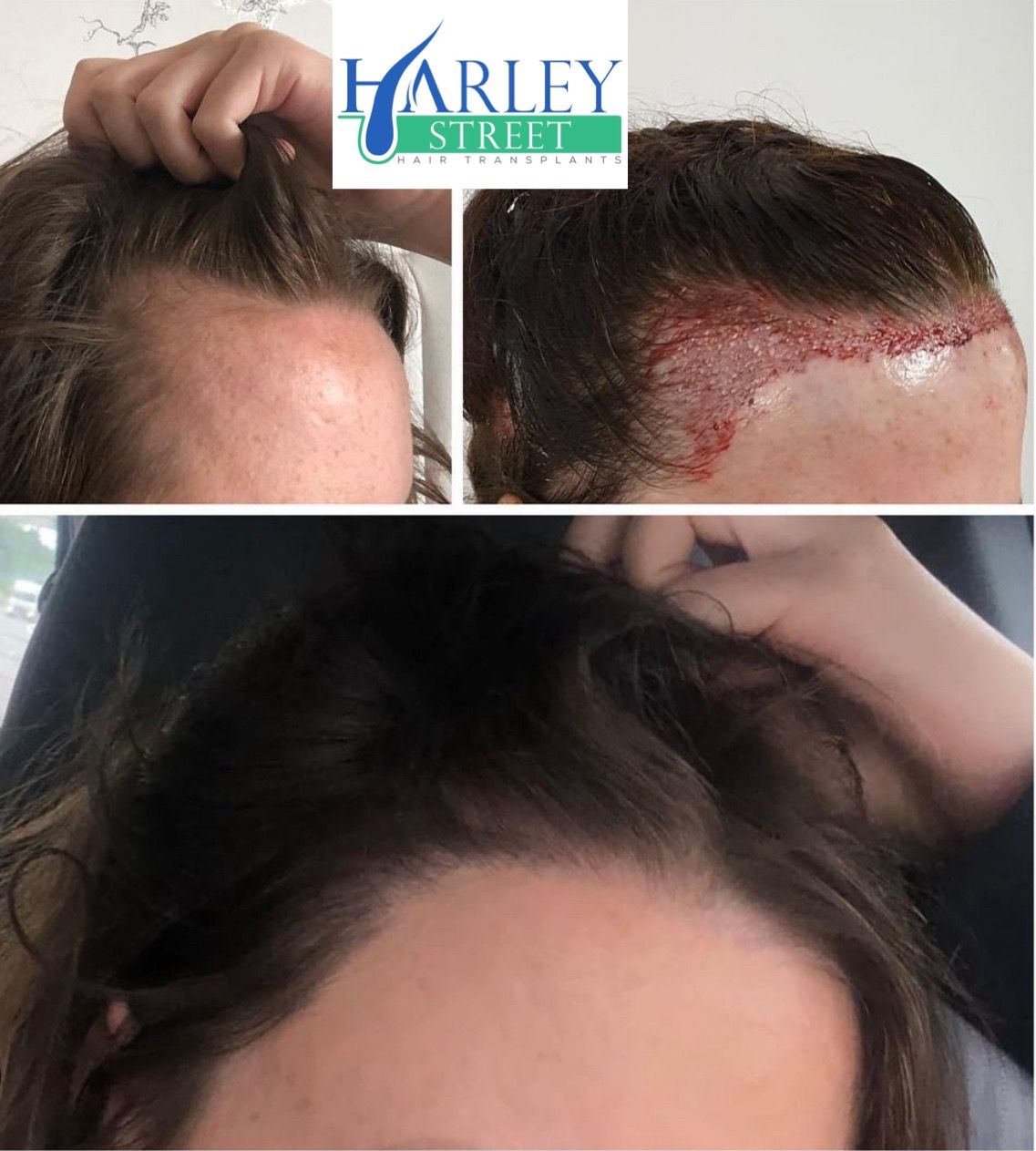
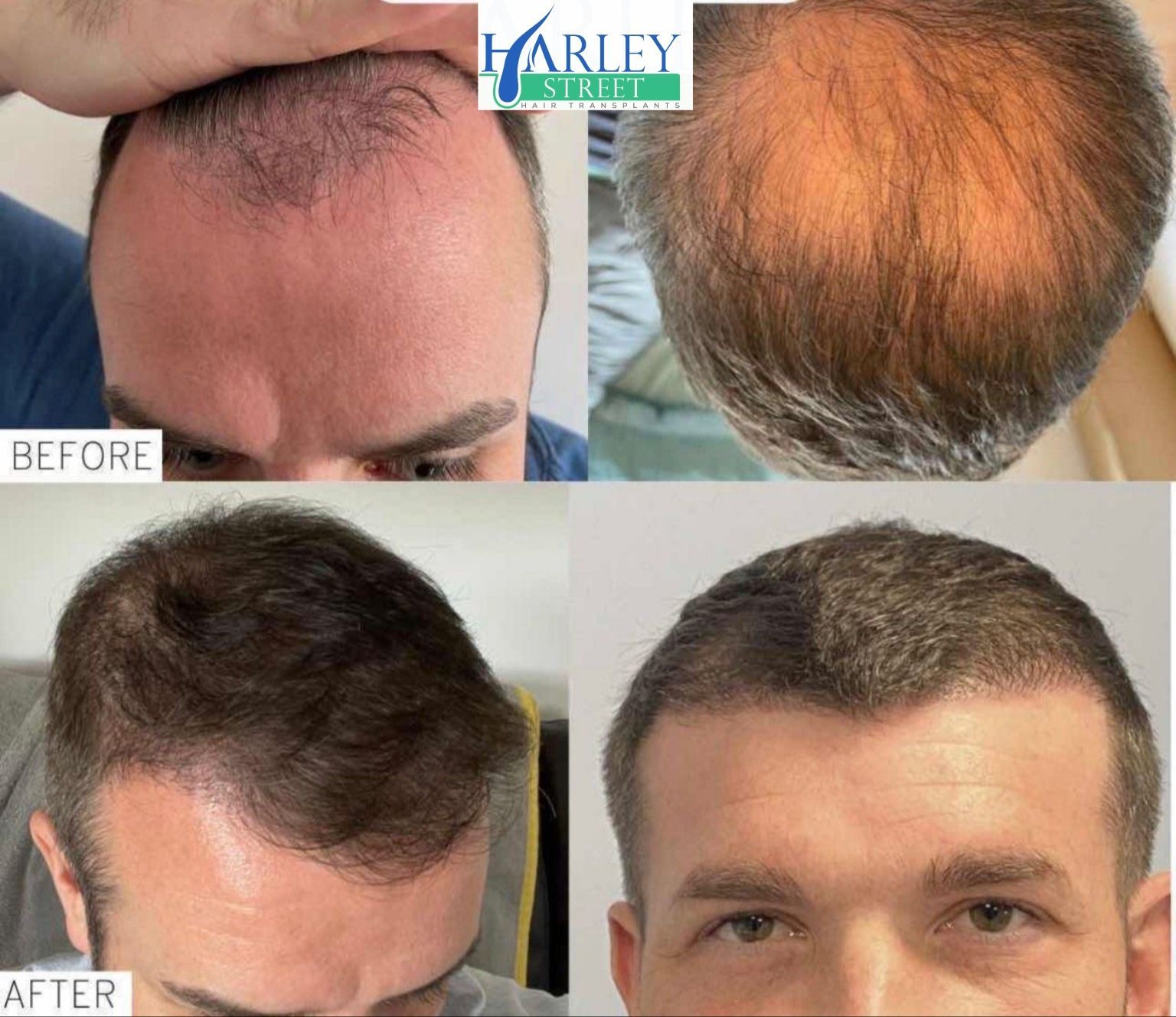
These genuine patient photographs show different points in the growth process, from early visible development through to more mature results.

“Excellent overall service.”
“Very satisfied with my results.”
“Great experience.”
“I felt listened to.”
“A very professional service.”
“Staff were friendly.”
Common questions about healing, washing, shedding and returning to normal activities after hair transplantation.
The first two weeks are an important period for protecting healing donor and recipient areas. Follow your individual washing, sleeping and activity instructions carefully.
Washing should begin when instructed by your surgical team. Early washing is normally gentle and avoids strong water pressure, aggressive rubbing and pulling at attached crusts.
You may be able to shower while still avoiding direct high-pressure water over newly transplanted grafts. Follow the specific washing instructions provided after your procedure.
Avoid unnecessary touching, rubbing and scratching during early healing. Gentle contact may later become part of the washing routine when instructed.
Crusting generally loosens progressively as the scalp heals and washing becomes more normal. Avoid forcibly removing attached crusts.
Some swelling can occur during early recovery. Contact the clinic if swelling is severe, increasing unexpectedly or accompanied by other concerning symptoms.
Redness can occur around healing recipient and donor sites. Spreading redness associated with increasing pain, heat, discharge or feeling unwell should be assessed.
Itching may occur as healing progresses. Avoid scratching the grafts or donor sites. Severe itching associated with rash or increasing inflammation should be discussed with the clinic.
The correct return time depends on healing, procedure type and intensity of exercise. Strenuous activity should not be resumed until it fits your postoperative plan.
Avoid tight or rubbing headwear over newly implanted areas until your surgical team confirms it can be worn safely.
Swimming should wait until the donor and recipient skin has healed sufficiently and your clinic has cleared you to return.
Styling products should not be applied to incompletely healed recipient skin. Normal grooming can be reintroduced after postsurgical healing.
Avoid excessive heat over healing skin. Follow the temperature and timing guidance provided by your clinic.
This depends on the procedure, visible swelling or crusting and the physical demands of your job. Office work and strenuous manual work can have very different return times.
Driving depends on the anaesthetic or sedation used, medication given and how you feel after surgery. Follow your discharge instructions rather than assuming you can drive immediately.
Some transplanted hair shafts can shed during the weeks following surgery. This does not automatically mean the transplanted follicular unit has been lost.
Visible new growth often begins during the first several months. Growth is gradual and individual hairs can initially appear fine or uneven.
No. Six months is generally an intermediate stage. Additional follicles may emerge and existing new hairs can continue increasing in length and calibre.
Yes. Some patients and treatment areas continue to mature beyond one year, with later development possible up to around 18 months.
Not automatically. Medication may be discussed for continuing native-hair loss in suitable patients, but treatment needs to be considered individually.
PRP is not mandatory hair transplant aftercare. It may be considered for selected patients as part of a wider treatment plan.
DHI mainly relates to implantation. Where follicles have been individually extracted, donor-area healing follows similar principles to FUE while recipient care follows the specific implantation plan.
FUT additionally involves caring for a linear donor wound and following instructions for any sutures or staples used during closure.
Contact the clinic promptly for heavy bleeding, increasing pain, spreading redness, unusual discharge, fever, wound opening, significant trauma to the grafts or another unexpected postoperative symptom that concerns you.