
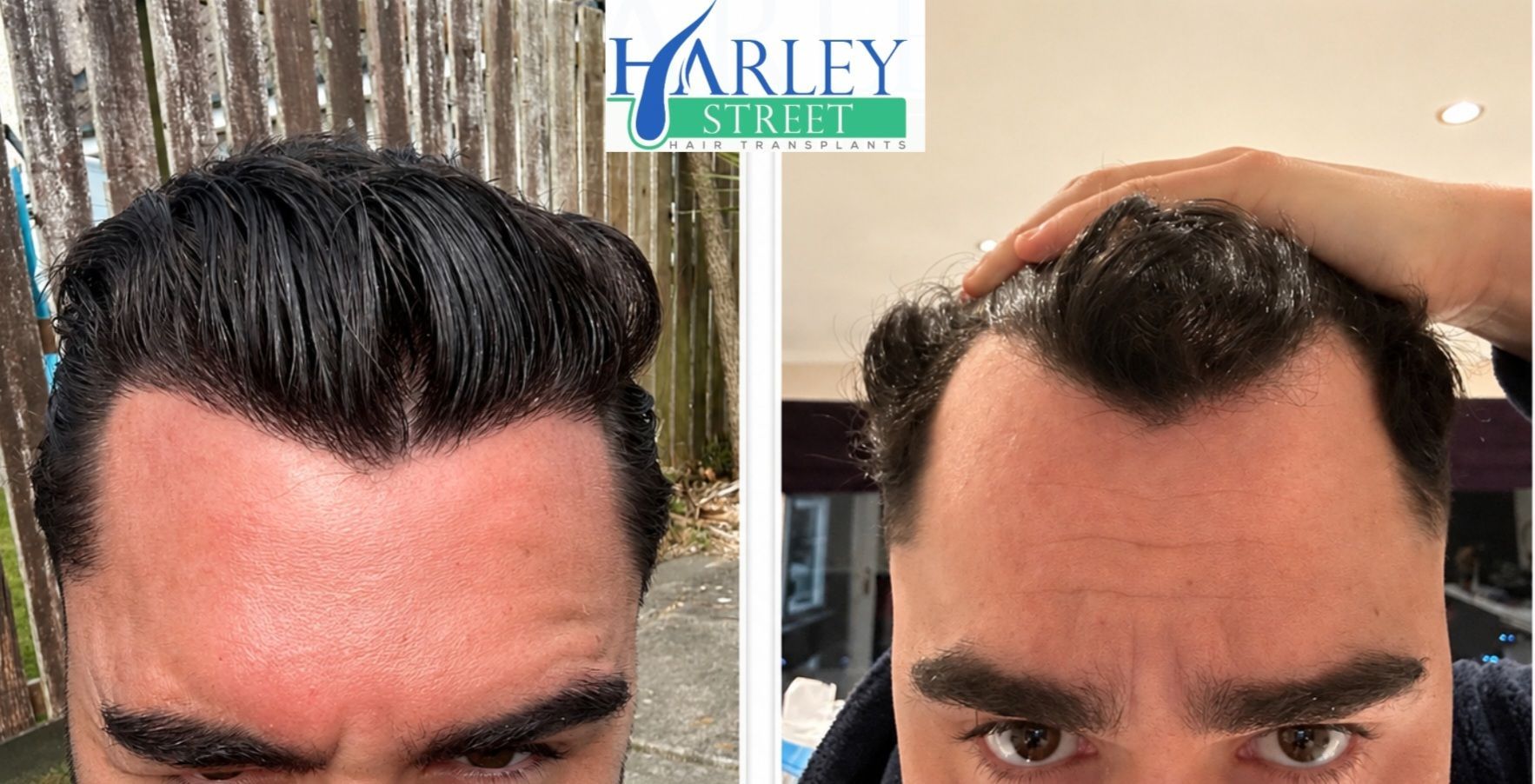
Frontal hair restoration
Dr Harpreet Kalra is the principal hair-transplant surgeon at our London clinic at 22a Harley Street. He examines your scalp and donor hair, discusses what you want to change and assesses whether surgery could help.
His role begins before a method or graft number is chosen. The condition of the scalp, medical history, existing hair, donor supply and likely progression of future hair loss all form part of the assessment.
Principal Hair-Transplant Surgeon · GMC 7126076
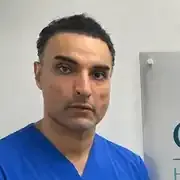
A consultation is used to understand what has changed, how quickly the hair loss is progressing and what the patient wants to improve. Dr Kalra examines the scalp and existing hair before deciding whether transplantation is a sensible option.
The donor area at the back and sides of the scalp is central to that decision. Density alone is not enough. Hair calibre, follicular grouping, miniaturisation, previous extraction and the amount of coverage required all affect how many grafts can be moved without leaving the donor area visibly depleted. Our hair-transplant donor area guide explains why that supply must be planned over a patient’s lifetime.
Hairline, temple, crown, beard and eyebrow restoration cannot be planned in the same way. Each area has its own natural direction, angle and graft distribution. The design also has to make sense if the surrounding native hair continues to thin later.
The approach is chosen after the recipient area, donor characteristics, graft requirement, hairstyle and any previous surgery have been reviewed. Treatment should follow the assessment, rather than being selected before the patient has been examined.
A treatment plan should explain more than the proposed graft number. Patients need to understand what the available donor hair can achieve, where coverage will be strongest, what limitations remain and how future thinning could affect the result.
Recovery is discussed before surgery. This includes early healing, swelling and scabbing, the shedding stage and the gradual return of new growth over the following months. Written instructions then guide washing, sleeping, exercise and care of both the donor and recipient areas. More detailed information is available in the clinic’s hair-transplant aftercare guide and month-by-month recovery timeline.
The aim is straightforward: the patient should understand the proposed procedure, its limits, the recovery involved and the confirmed cost before deciding whether to go ahead.
These examples show results across different treatment areas and hair characteristics. A photograph cannot predict another patient’s outcome; the starting pattern, donor supply, graft requirement and healing all differ.
Frontal hair restoration
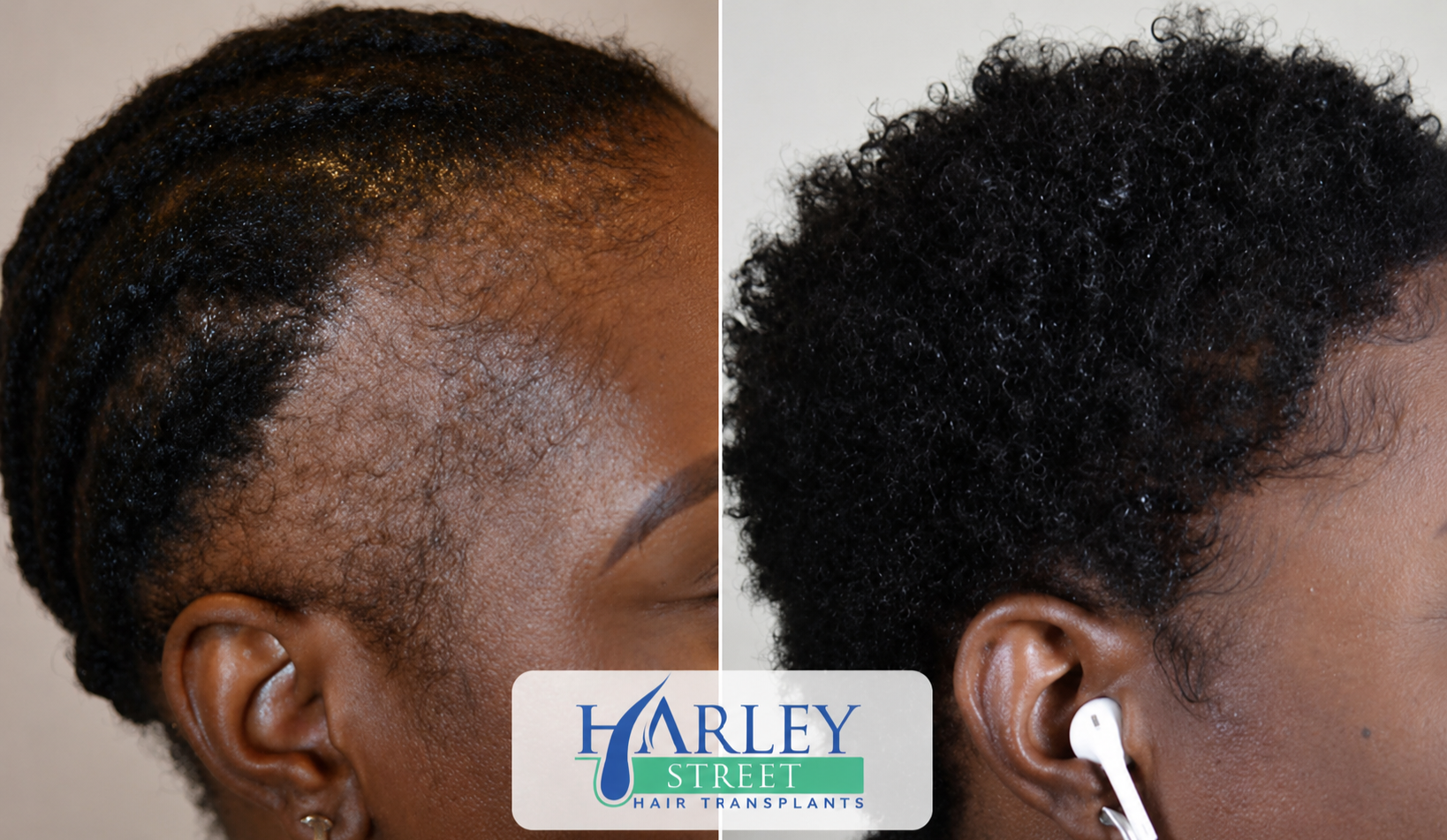
Specialist hair restoration
Patient feedback from across our clinic group, with links to the full review screenshots. Wayne’s review describes his Newcastle procedure with Dr Kalra.
4.8 ★★★★★ Google rating · Read all Google reviews
“The team is very friendly and the aftercare support is fantastic.”
22 July 2026. Read the original screenshot
“they have kept in touch with me throughout making sure I was ok and nothing was too much for them”
Experience dated 9 August 2026. Read the original screenshot
“They were helpful and friendly. Would certainly recommend.”
30 March 2026. Read the original screenshot
“Dr Kalra very professional throughout my procedure in Newcastle. Very good facilities.”
Newcastle treatment. Read the original screenshot
“Thanks my hair looks very full now.”
Experience dated 12 August 2026. Read the original screenshot
Read the full review screenshots and watch patient videos on our reviews page. You can also visit our Google reviews.
Dr Harpreet Kalra’s GMC reference is 7126076. You can search this number on the official GMC register to check his current registration, licence and listed qualifications.




Arrange a consultation to discuss your hair-loss pattern, donor area, possible treatment methods, recovery, costs and what can realistically be achieved.