
SMP case study 1
Before & after
Scalp micropigmentation
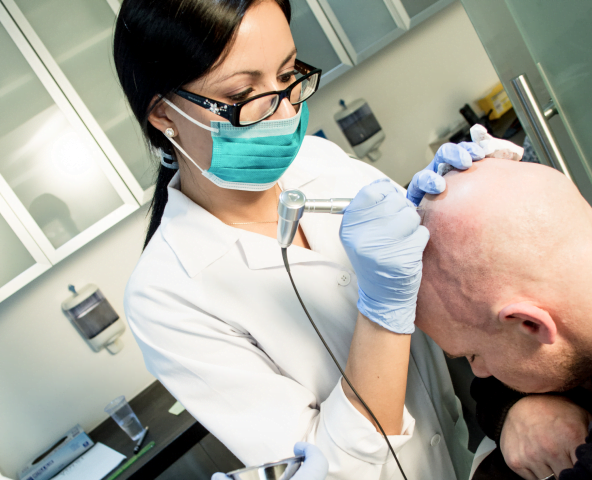
SMP can be considered for the appearance of density, hairline definition, crown thinning or scar camouflage.
Scalp micropigmentation, or SMP, uses tiny pigment deposits to make hair look thicker, define a hairline or give a shaved scalp a fuller appearance. It is a non-surgical cosmetic treatment.
At 22a Harley Street, London W1G 9PF, you can discuss SMP alongside FUE, DHI, FUT and PRP. SMP changes how your scalp looks by adding pigment. It does not add growing hair.
Before & after
Scalp micropigmentation
Before & after
Scalp micropigmentation
Before & after
Scalp micropigmentation
Before & after
Scalp micropigmentation
SMP creates the appearance of hair density by placing pigment in the scalp. Unlike a transplant, it does not move hair follicles. It does not regrow hair.
You may also want to compare it with hairline transplant, crown hair transplant, hair transplant scar repair or female hair restoration.
SMP may suit patients who want better-looking scalp coverage, a more defined hairline, crown blending or less visible contrast between their scalp and hair.
We consider your hair-loss pattern, skin tone, hair colour and existing density. Your usual hairstyle and expectations also influence the approach.
These photographs show the appearance of density, hairline definition and scalp coverage that SMP can support.
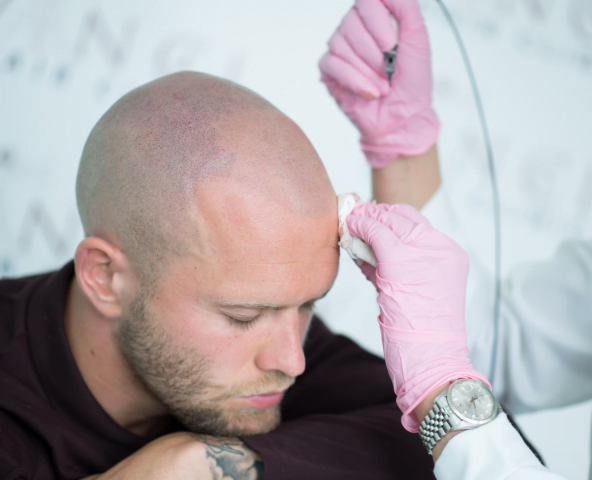
Tiny dots of pigment on the scalp create the appearance of thicker hair. SMP may be considered for diffuse thinning, early hair loss, crown thinning or visible scalp contrast.
SMP can be useful if you want the appearance of more density but are not ready for surgery, have insufficient donor hair or want to improve the look of thinning areas without moving follicles.
SMP does not implant follicles. A FUE hair transplant, DHI hair transplant or FUT hair transplant moves donor follicles into thinning areas.
SMP camouflages visible scalp. Whether it is the right choice depends on your pattern of loss, donor supply, hairstyle and expectations, with future changes in mind.
SMP may help create the appearance of a more defined hairline, especially for patients who wear their hair very short or shaved.
Compare with Hairline TransplantSMP may reduce scalp contrast in the crown area. Patients with crown thinning should also consider whether PRP, medication or a transplant is more suitable.
Compare with Crown Hair TransplantSMP may help camouflage FUE extraction marks or a linear FUT scar. Scar texture and how the skin responds need to be considered.
SMP may be an option for thinning hair, a shaved style or visible contrast between hair and scalp. It may also be considered for crown thinning, transplant scars or a limited donor supply.
It can also be discussed by patients who are not currently suitable for surgery or who want to avoid a surgical procedure.
SMP may not suit someone who expects growing hair or has active scalp disease. Unrealistic expectations or a plan that ignores future hair loss can also make it unsuitable.
Patients with advanced loss may need to compare SMP with Norwood stage planning, donor-area limits and long-term restoration goals.
SMP uses pigment to create the appearance of density. It can be useful for shaved styles, scalp contrast, crown blending and scar camouflage.
A hair transplant moves donor follicles into thinning or balding areas. Suitability depends on donor-area strength, graft numbers and likely future hair loss.
View Donor Area GuideSome patients consider SMP alongside a transplant, particularly to improve the appearance of density or make a scar less noticeable.
View Before and AfterYour SMP quotation should specify the area treated, proposed sessions and any separately charged touch-ups or maintenance. It follows assessment of the scalp, existing hair and the appearance you want to achieve.
Patients comparing SMP with surgery can also review hair transplant cost and request a personalised quote.
SMP recovery differs from surgical recovery because no grafts are placed. You may still need aftercare advice on washing, sweating, sun exposure and scalp irritation.
Anyone comparing SMP with surgery can also read the hair transplant aftercare guide.
Scalp micropigmentation is a cosmetic treatment that places tiny pigment dots into the scalp to create the appearance of hair density, a shaved hair look or reduced scalp contrast.
No. SMP does not regrow hair and does not move hair follicles. Patients wanting real hair growth may need to compare SMP with FUE, DHI, FUT, PRP or medical hair-loss options.
SMP may be discussed for scar camouflage after FUE or FUT, depending on the scar type, skin texture, pigment response and expectations.
SMP may reduce visible scalp contrast at the crown. Suitability depends on density, hair colour, crown size and your hairstyle, as well as whether further loss is likely.
Some patients may consider SMP alongside hair transplant planning, especially where visual density or scar camouflage is part of the treatment goal.
SMP cost depends on the size of the area, planned sessions, any scar work and hairline design. Maintenance also needs to be considered. You need a personal quotation after assessment.
Our guides explain FUE, DHI, FUT and PRP, alongside donor assessment, hairline restoration, crown thinning and scar treatment. You can also read about shedding, aftercare and results.
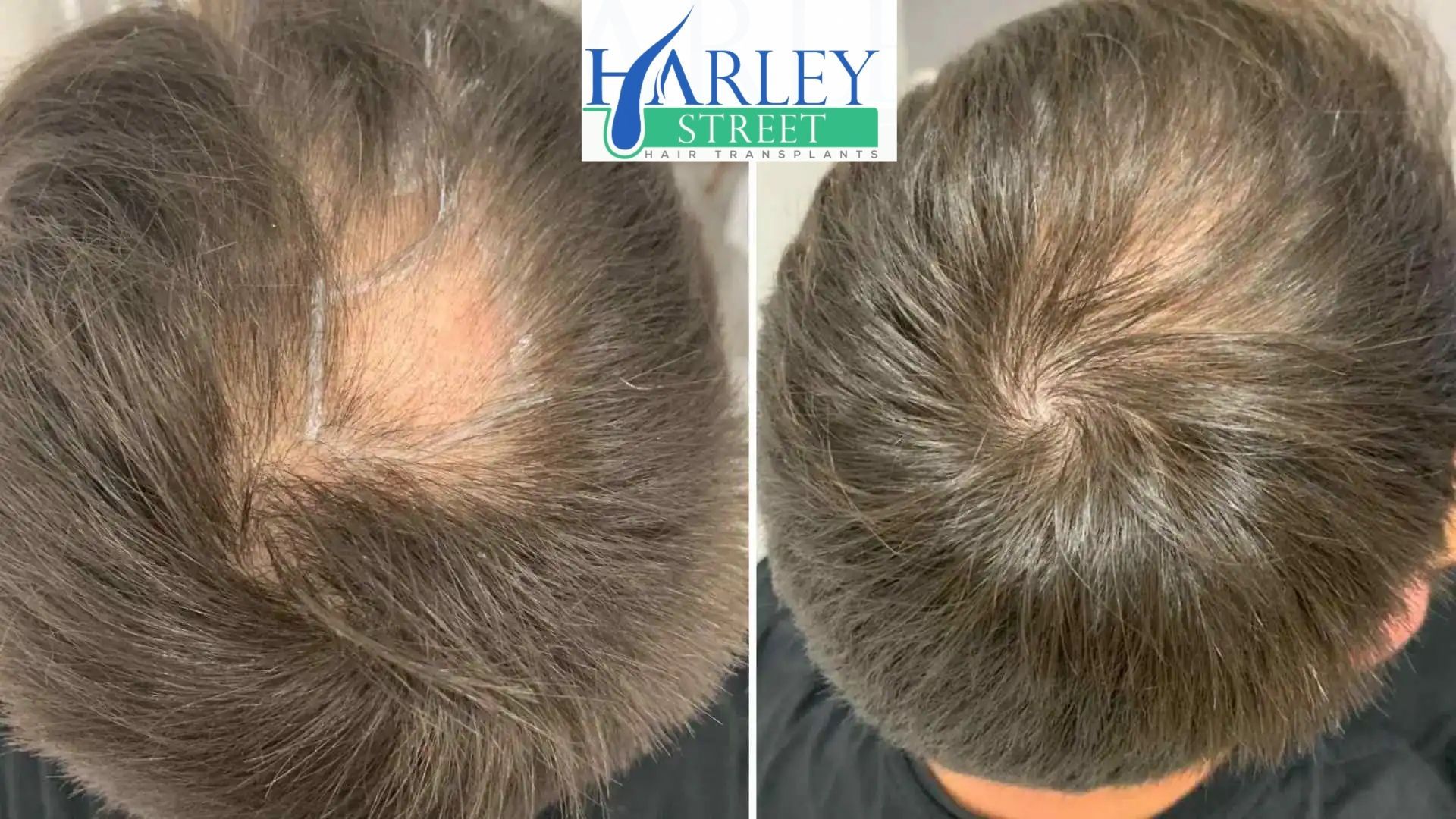
Contact Harley Street Hair Transplants to discuss the appearance you want from SMP, whether at the hairline, crown or around a scar. The consultation can also consider your donor area and whether FUE, DHI, FUT or PRP would be more appropriate.
Compare scalp micropigmentation with surgical and non-surgical hair restoration options.