Protein deficiency and hair loss: what to check
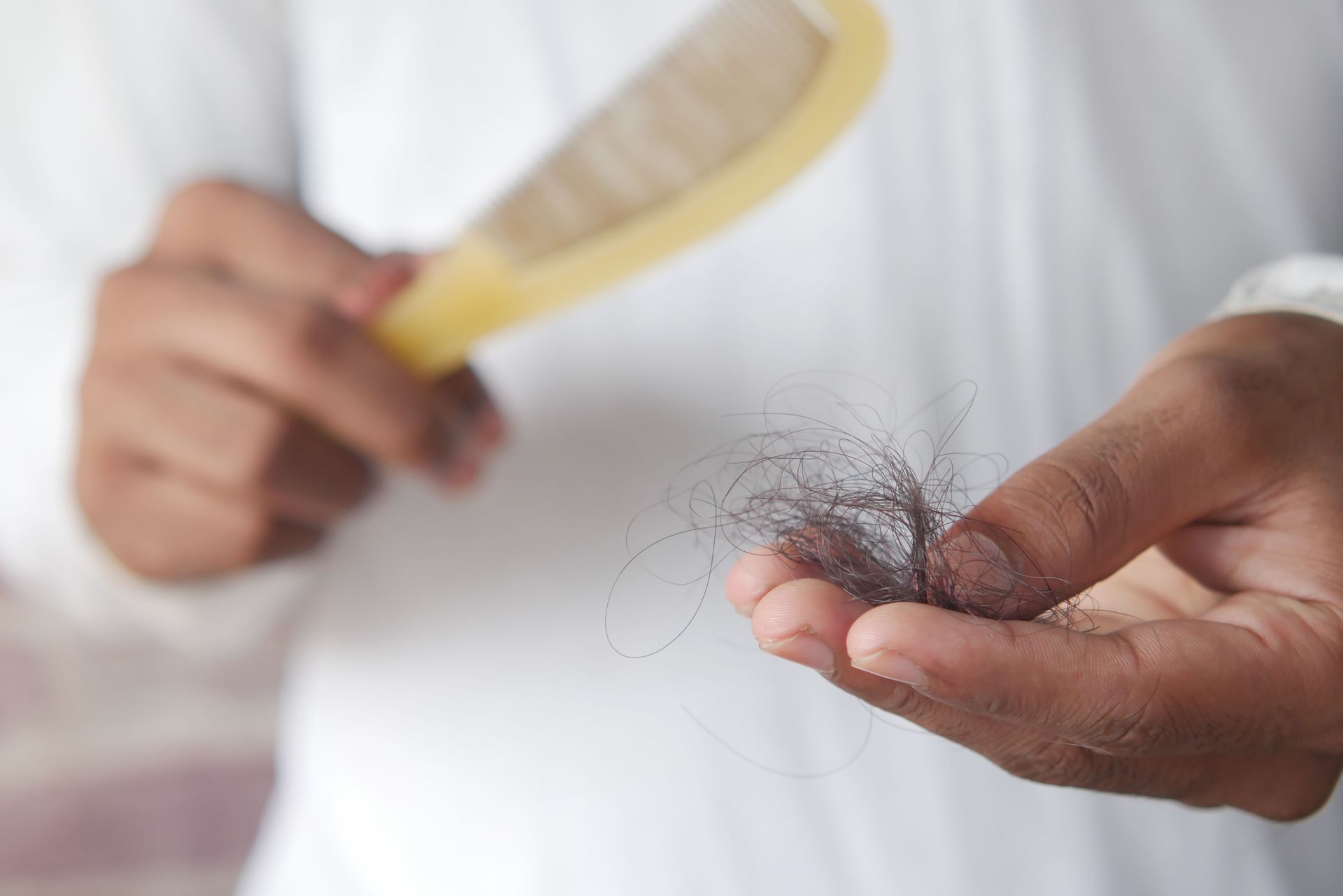
Low protein intake can contribute to shedding, but hair loss alone does not prove a deficiency.

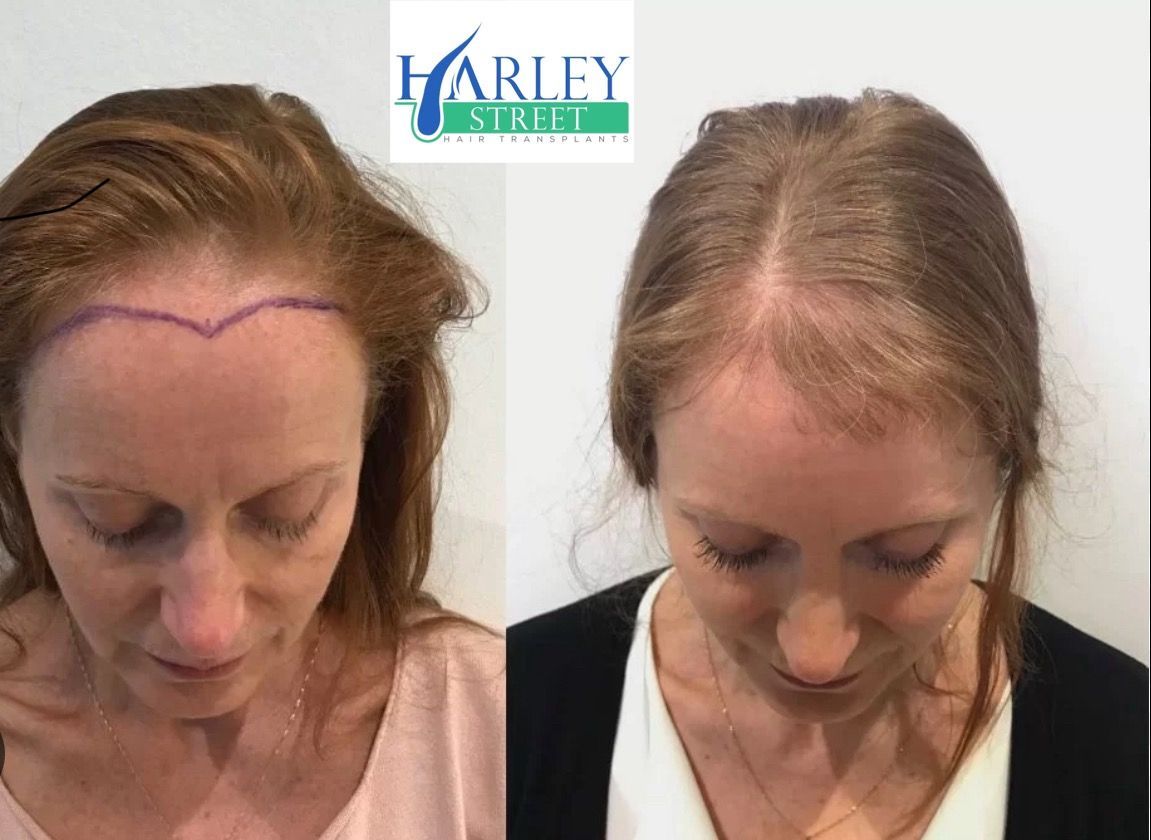
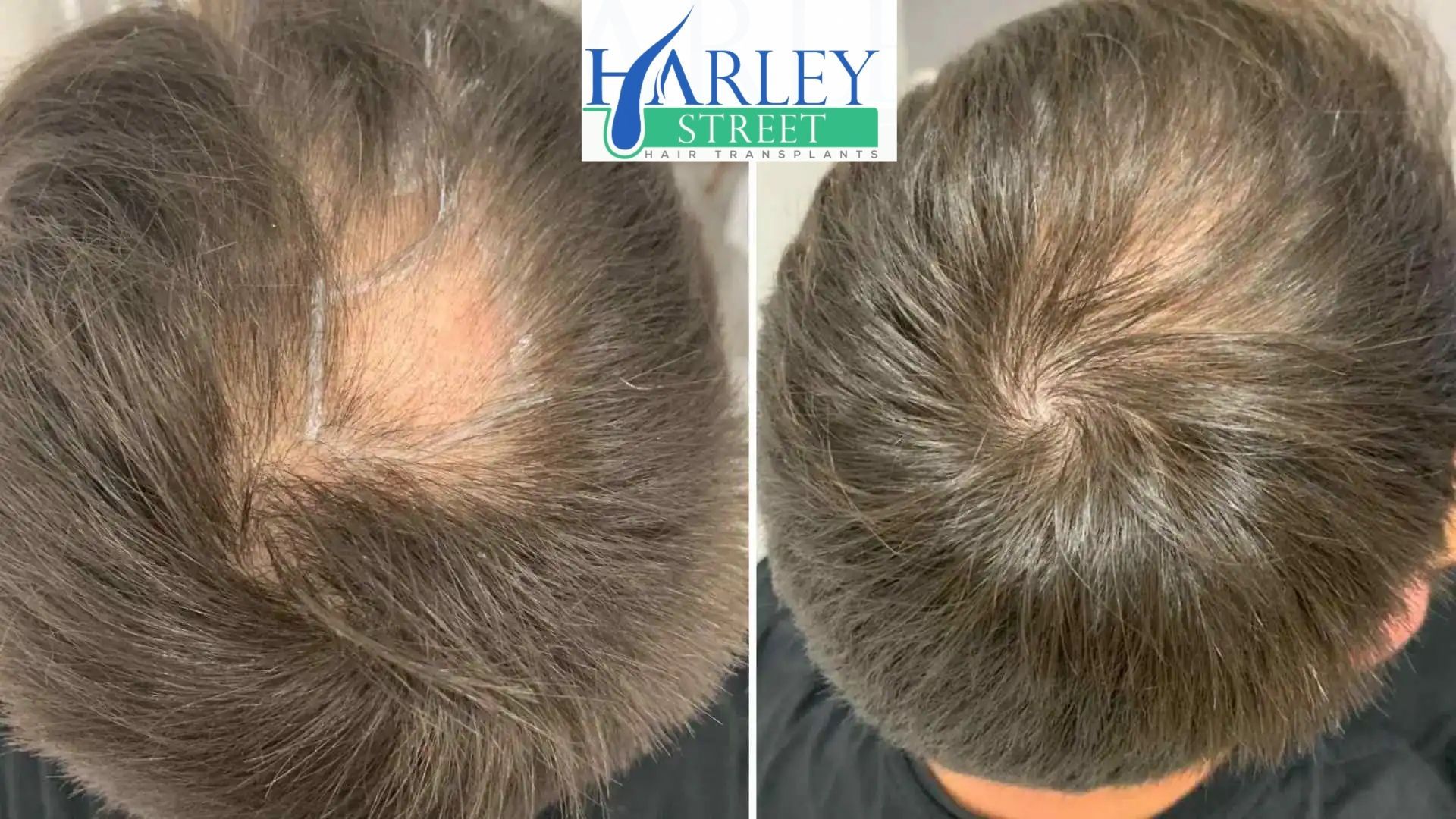
Eating too little protein can contribute to hair shedding, particularly when it is part of a very restrictive diet or rapid weight loss. Adding a protein shake will not, however, treat every cause of thinning. A widening parting, receding temples and sudden all-over shedding can need different assessments.
Why a change in diet can show up months later
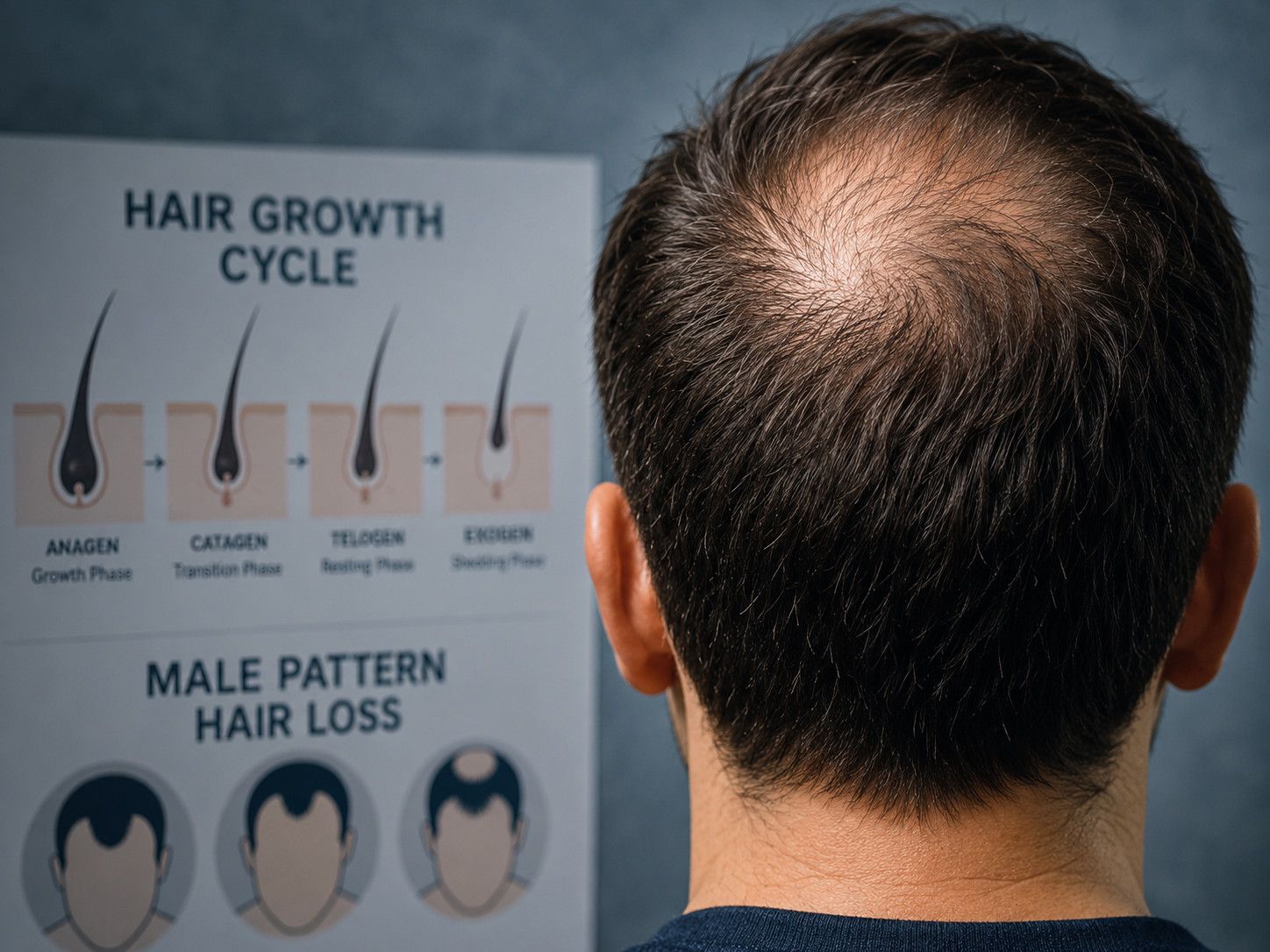
Hair is made largely of keratin, a protein. The body also needs enough energy and a range of nutrients to support normal growth. When someone cuts out meals or sharply reduces their intake, hair follicles can move out of the growing phase earlier than usual.
The resulting shedding may start several months after the dietary change. This delay makes it easy to blame a recent shampoo or a meal eaten last week. Our guide to hair loss after weight loss explains how to look back through the relevant timeline.
The British Association of Dermatologists' telogen effluvium leaflet identifies marked weight loss and extreme dieting as possible triggers. It also explains why the cause cannot be established by looking at shed hairs alone.
Review the whole diet, not just the protein total
Useful questions include whether you are regularly missing meals, avoiding several food groups, struggling with appetite or losing weight without intending to. Digestive symptoms, recent illness and medicines can also change what you eat or how well you absorb it.
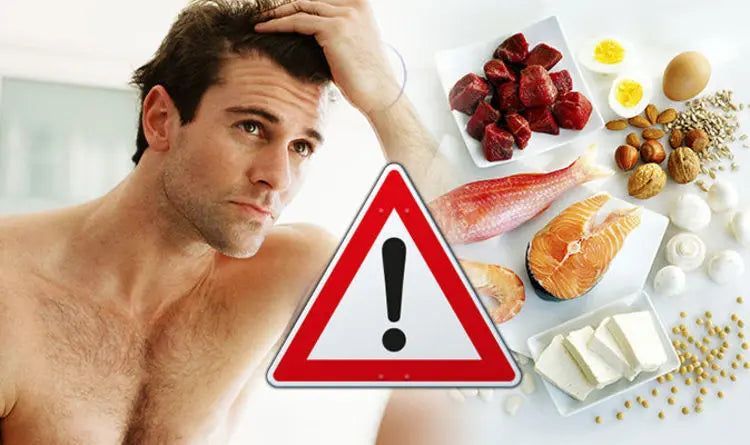
Protein can come from eggs, fish, meat, dairy foods, beans, lentils, tofu, nuts and seeds. A practical starting point is to include a protein source in regular meals: for example, beans with a baked potato, yoghurt at breakfast or tofu in a stir-fry. These are food examples, not an individual nutrition prescription.
A vegan diet does not automatically mean inadequate protein. The NHS guide to a balanced vegan diet covers planning for protein and nutrients such as vitamin B12 and iron. A dietitian can help when allergies, medical conditions or restricted eating make that planning difficult.
When to ask for an assessment
Contact your GP if shedding is persistent, you have bald patches or scalp discomfort, or you are losing weight without trying. Explain when the diet changed and when the shedding began. Bring a list of medicines and supplements rather than stopping them yourself.
Tests are chosen from the history and examination. There is no single routine blood test that explains all hair loss, and a normal result does not rule out inherited pattern loss. If a deficiency is found, treatment should address both the deficiency and its cause.
Will improving protein intake bring the hair back?
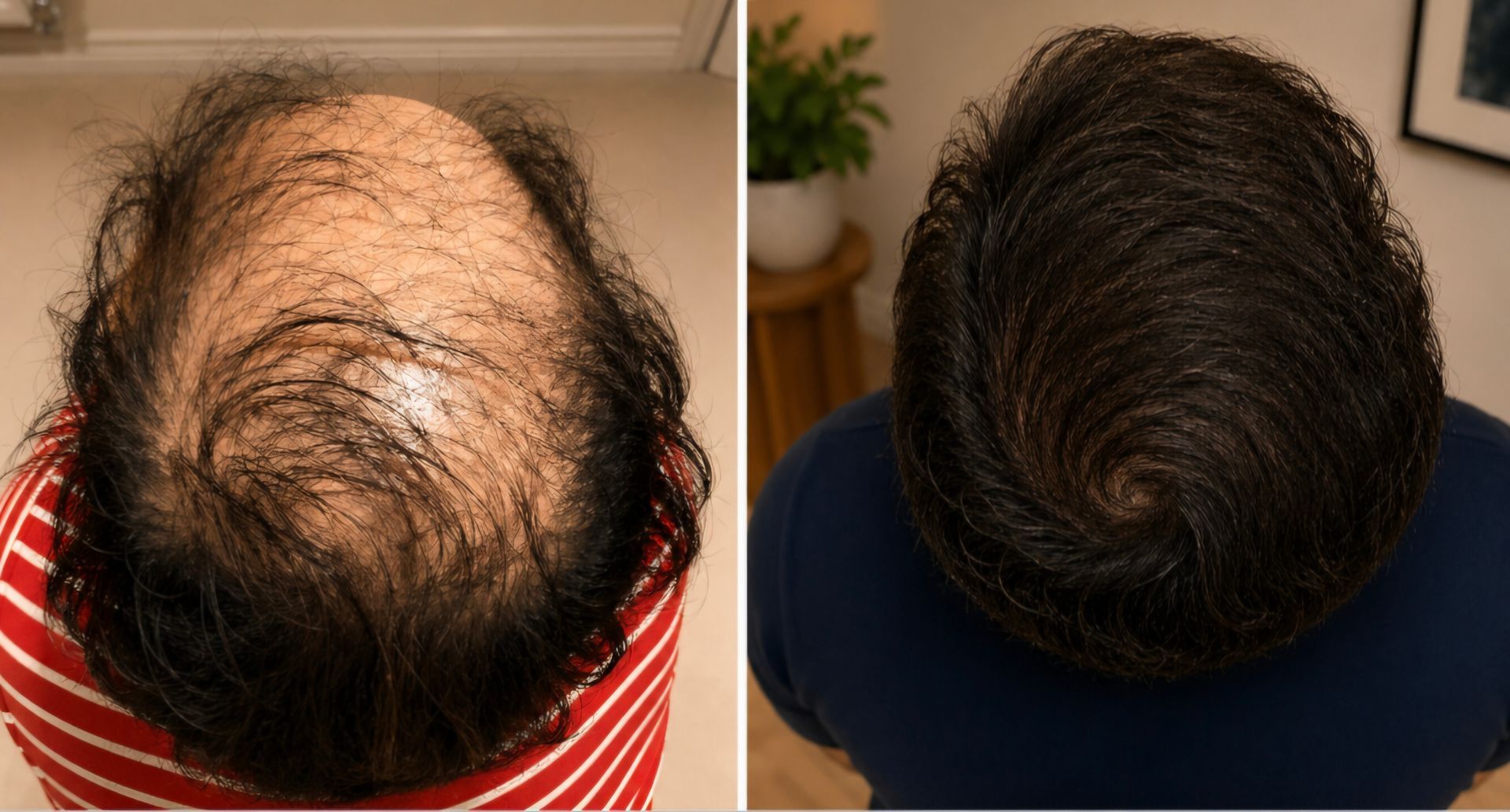
Correcting inadequate nutrition may allow recovery where it caused the shedding. That does not make regrowth immediate: hair needs time to cycle and grow long enough to change its appearance. Ongoing illness or simultaneous pattern hair loss can affect the outcome.
Supplements are useful when there is a reason to take them. More is not automatically better, and high-dose products can cause harm or interfere with tests. For example, the NHS information on iron explains the risks of taking too much. A transplant would not correct an untreated nutritional cause of shedding.
Questions and answers
How can I tell whether I need more protein?
Review your usual intake with a GP or dietitian, especially if you have been restricting food or losing weight. Hair shedding by itself cannot diagnose protein deficiency.
Is a protein shake better than food for hair growth?
There is no reason to assume it is. A shake may help some people meet their dietary needs, but it does not replace a varied diet or treatment for another cause of hair loss.
How soon should shedding stop after my diet improves?
There is no reliable personal deadline. The delay in the hair cycle means shedding can continue after the trigger has been addressed. Persistent or worsening loss needs reassessment.