Kyle Walker’s hair transplant consultation: what it tells us
A consultation and a graft estimate are not confirmation that surgery has taken place.

On this page
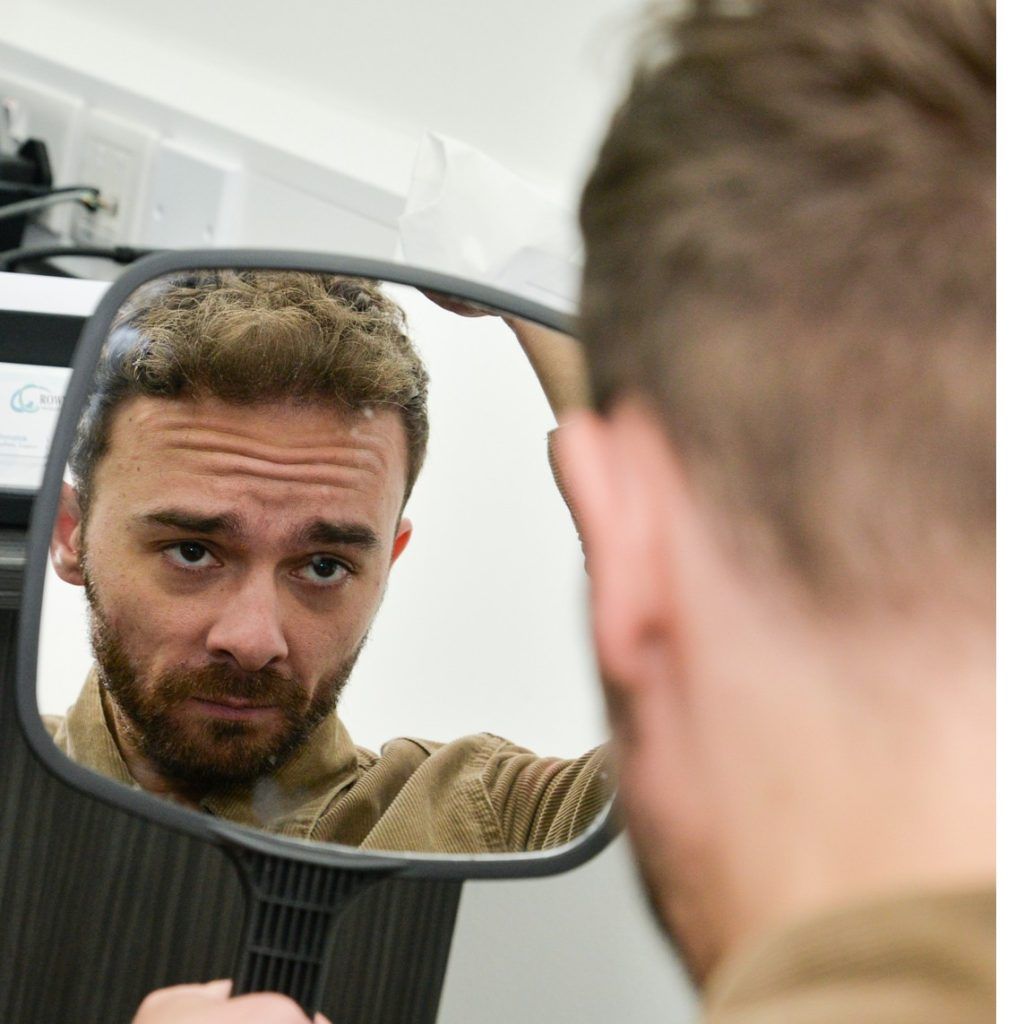
Kyle Walker attended a hair transplant consultation with Harley Street Hair Transplants, as described in our original account. That account discussed FUE and an estimated 1,500–1,800 grafts. It should not be read as confirmation that he went on to have surgery.
What was discussed at the consultation?
The published account concerned his hairline and the possibility of using FUE to address recession. The quoted graft range was an estimate for the plan being discussed, rather than a surgical record or a confirmed count of grafts implanted.
A consultation allows someone to understand their options without committing to an operation. The account does not establish an operation date or a surgical result.
Why a graft estimate needs an examination
A photograph may help a clinic understand the area of concern, but it cannot fully establish donor density, scalp condition or the strength of the surrounding hair. An examination is needed to decide whether surgery is appropriate and to refine the plan.
A graft is a small unit of tissue containing one or more hairs. An estimate of 1,500 grafts does not mean 1,500 individual hairs, and it is not a standard package for every receding hairline. The width of the area, desired hairline height and hair characteristics affect what can be achieved.
Planning the hairline and preserving donor hair
The front of the scalp is visually prominent, but lowering a hairline uses donor hair that may be needed elsewhere later. The proposed shape should be discussed alongside the risk of continuing native hair loss.
Ask the surgeon to explain which areas have priority and which may remain thinner. The donor-area guide explains why this resource needs to be assessed over the longer term, rather than used solely to maximise the first session's graft count.
FUE leaves small extraction scars. It can avoid a linear strip scar, but it cannot promise invisible surgery at every haircut length. Those details should be part of the discussion before the person decides whether to proceed.
What an active person needs to ask about recovery
Exercise, sweating, contact sport and protective headwear need separate consideration. A general return-to-work estimate cannot automatically be applied to training or a competitive match. The treating team should advise according to the operation and healing.
The same applies to driving and travel. Ask what restrictions arise from the medicines used and what follow-up is needed. Our before-and-after checklist gives practical questions to raise before fixing a date.
Using a consultation well
Bring older photographs and describe how you normally wear your hair. Explain whether your priority is the frontal outline, temple recession or overall coverage. Ask to see the proposed design and discuss alternatives, including waiting or non-surgical treatment where appropriate.
An individual consultation should explain your choices and limitations. Another person's graft estimate is useful context, but it cannot substitute for your own assessment.
Questions and answers
Does this article confirm that Kyle Walker had surgery here?
No. It records the consultation and proposed FUE graft range described in our original account. It does not confirm an operation or outcome.
Would I need 1,500–1,800 grafts too?
Not necessarily. Graft numbers depend on the area, donor supply, hair characteristics and the agreed priorities.
Can I resume sport as soon as the scalp looks healed?
Appearance alone is not enough to decide. Ask the treating clinic for advice specific to your sport, procedure and recovery.