
Hair Transplant Shedding & Shock Loss
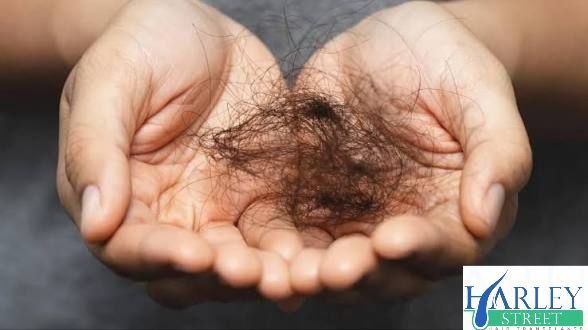
Seeing transplanted hairs fall out a few weeks after surgery can be unsettling. This shedding can happen while the implanted follicles remain beneath the scalp. The timing, area affected and any other symptoms help your treating team assess what is happening.
Shock loss is different. It generally describes temporary shedding of existing native hairs around the recipient area or, less commonly, within the donor area after surgery.



What Is Hair Transplant Shedding?
Post-transplant shedding usually involves the visible hair shaft rather than loss of the entire implanted follicular unit.
Why Does Transplanted Hair Shed?
A follicular unit experiences several changes during transplantation. It is removed from the donor area, handled outside the scalp and implanted into a new recipient site.
The procedure can temporarily alter the hair's normal growth cycle. The visible shaft may subsequently shed while the structures capable of producing future hair remain beneath the skin.
Shedding therefore does not automatically indicate graft failure. Transplant growth needs to be assessed over months rather than by the amount of visible hair present during early recovery.
When Can Shedding Start?
Shedding commonly becomes noticeable during the weeks after surgery. Some patients notice it relatively early, while others retain more of the visible transplanted hair for longer.
The process can be gradual. Different sections of the transplant may also shed at different speeds.
A difference in timing between areas does not automatically indicate that one part of the transplant has failed.
What Can Normal Shedding Look Like?
Patients can notice short hairs during washing, on a towel, on their pillow or simply as the treated area becomes less dense.
- Gradual reduction in visible transplanted hairs.
- Short hairs coming away during washing.
- A temporary patchy appearance.
- Different amounts of shedding in different areas.
- A period with very little visible new growth afterwards.
Has the Follicle Fallen Out?
A shed hair shaft is not the same as losing the entire implanted follicular unit.
A patient may occasionally see pale material around the end of a shed hair and assume the transplant root has been lost. Keratin, skin or material surrounding the hair shaft can make this difficult to judge visually.
Fresh bleeding, obvious tissue attached to a graft or traumatic loss during very early healing is different from routine later shedding.
The Hair-Growth Cycle
Hair follicles naturally alternate between active growth and resting phases. Surgery can temporarily shift both transplanted follicles and some surrounding native follicles into a resting stage.
The visible hair may therefore decrease before a new growth phase begins.
Shock loss can be more noticeable where native hairs were already miniaturised by progressive pattern hair loss because those follicles may have been weakened before surgery.
What Is Shock Loss?
Shock loss is postoperative shedding of hair that was already present before surgery. It can affect native hair around the recipient area and occasionally hair within the donor region.
Recipient Shock Loss
Existing hairs situated between or beside newly implanted grafts can temporarily shed following the physical stress of transplantation.
This can be particularly noticeable when grafts are placed into an area that still contains substantial amounts of thinning native hair.
The recipient area can temporarily appear thinner than it did before surgery while affected hairs and newly transplanted follicles progress through their recovery cycles.
Donor Shock Loss
Temporary shedding can also occur within or close to the harvested donor region.
This can occasionally create localised areas of reduced density and may initially resemble excessive extraction.
Donor shock loss and permanent donor depletion are different. Further information about harvesting and depletion is covered in the hair transplant donor area guide.
Is Shock Loss Always Temporary?
Postoperative shock shedding is commonly temporary as affected follicles move back into active growth.
Native follicles that were already significantly miniaturised before surgery may be less predictable because they were already becoming weaker.
Pre-existing hair quality therefore matters when a transplant is designed into an area that is thinning rather than completely bald.
FUE, DHI and FUT
Shedding can occur after an FUE hair transplant, because both transplanted follicles and nearby native hairs still pass through a postoperative recovery period.
The same applies to DHI hair transplantation. DHI changes the implantation approach but does not remove the possibility of postoperative shedding or shock loss.
FUT hair transplantation uses strip harvesting rather than individual FUE extraction, but recipient shedding and postoperative hair-cycle changes can still occur.
Hair Transplant Shedding Timeline
Individual recovery varies, but there is a broad sequence through which many transplanted follicles progress.
Days 0–14
Initial Healing
Early recovery is focused on graft protection, scalp washing and healing. Redness, scabs and sensitivity can still be present.
Weeks 2–8
Shedding Phase
Transplanted shafts may begin to shed. Existing native hairs can also be affected by recipient shock loss during this period.
Months 2–3
Quiet Phase
There may be relatively little visible growth. The scalp can appear similar to its pre-transplant appearance while follicles remain in resting phases.
Months 3–6
Early New Growth
New hairs may begin appearing. Early growth can initially look fine, uneven or different in texture before maturing.
Months 6–9
Increasing Coverage
More transplanted hairs can become visible and earlier hairs can begin increasing in calibre.
Months 9–12+
Later Maturation
Density, calibre and styling behaviour continue developing. Crown procedures and slower-growing cases may require longer to mature.
See the full hair transplant timeline for a more detailed month-by-month guide.
Managing the Shedding Phase
Routine transplanted-hair shedding does not normally need to be physically prevented. The priority is appropriate scalp care while the follicles move through their recovery cycle.
Wash as Instructed
Follow the washing schedule supplied after surgery and avoid aggressive rubbing or scratching while the recipient area is healing.
Avoid Picking Scabs
Scabs form as part of early healing. Picking or scratching them can irritate the scalp and interfere with normal recovery.
Dry Carefully
Avoid vigorous towel rubbing while the scalp remains sensitive and follow the drying instructions provided after treatment.
Do Not Judge Daily Changes
Lighting, hair length and shedding can make day-to-day changes look dramatic. Progress is more useful when reviewed over longer intervals.
Follow Activity Advice
Exercise, swimming, hats, helmets and styling should be restarted according to the postoperative instructions for the procedure.
Allow Time for Regrowth
The scalp can appear relatively unchanged for several weeks before early new hairs become visible.
Finasteride and Minoxidil
Hair-loss medication may form part of treatment for selected patients where native androgenetic hair loss remains active.
Finasteride and minoxidil have different uses, suitability criteria and potential side effects. Medication should not be started, stopped or restarted solely because postoperative shedding has appeared without reviewing the treatment plan.
General Recovery
Normal nutrition, hydration and general health support recovery. Severe dietary restriction, nutritional deficiency, illness and other physiological stressors can themselves contribute to diffuse shedding.
High-dose supplements should not automatically be taken simply because shedding has occurred. Suspected deficiency should be assessed appropriately.
When Should You Contact the Clinic?
Routine shedding alone may be part of recovery, but symptoms suggesting abnormal healing should be assessed.
- Increasing rather than improving pain.
- Marked or worsening redness and warmth.
- Pus or offensive discharge.
- Persistent or heavy bleeding.
- Unusual swelling or systemic illness.
- Traumatic graft loss during early healing.
- Pronounced donor thinning that does not begin improving.
Detailed postoperative instructions are covered in the hair transplant aftercare guide.
Hair Transplant Shedding & Shock Loss FAQs
Common questions about shedding, shock loss and the return of visible transplanted-hair growth.
Is shedding normal after a hair transplant?
Shedding of transplanted hair shafts is common during recovery, although timing and severity vary between patients.
Does shedding mean the transplant has failed?
No. The visible shaft can shed while the implanted follicular unit remains beneath the scalp and later produces new hair.
When does shedding usually start?
Shedding commonly becomes noticeable during the weeks following surgery. Some patients notice it earlier or later than others.
How long can shedding continue?
The visible shedding stage varies. It can be followed by a quieter period before early new growth becomes apparent.
What is shock loss?
Shock loss generally refers to postoperative shedding of native hairs that were present before surgery.
Is shock loss different from transplanted-hair shedding?
Yes. Transplanted-hair shedding concerns hairs associated with newly implanted grafts, whereas shock loss usually affects pre-existing native hair.
Does everyone experience shock loss?
No. Some patients experience little or no noticeable shock loss, while others develop temporary thinning around the treated area.
Can shock loss affect the donor area?
Yes. Temporary postoperative shedding can occur within or around the harvested donor region.
Is donor shock loss the same as overharvesting?
No. Shock loss affects follicles that remain in the donor area. Overharvesting refers to permanent removal of excessive numbers of follicular units or poor extraction distribution.
Will shock-loss hair grow back?
Temporary postoperative shedding commonly improves as affected follicles return to growth. Severely miniaturised hairs may be less predictable.
When does transplanted hair start growing again?
Early new growth commonly becomes visible several months after surgery. Initial hairs may be fine or uneven before gradually increasing in calibre.
Why can the transplant look thinner after one or two months?
Transplanted shafts may have shed while substantial new growth has not yet appeared. Temporary shock loss of surrounding native hair can also contribute.
What if I see a white bulb on a shed hair?
Pale material on a shed hair does not automatically mean the complete transplanted follicle has been lost. Keratin, skin and sebum can be mistaken for a graft root.
Can shedding happen after FUE, DHI and FUT?
Yes. Postoperative shedding can occur after each approach because transplanted follicles and surrounding native hairs still undergo a recovery cycle.
Can washing cause transplanted hair to shed?
Routine later shedding reflects the hair cycle rather than simply washing the scalp. Washing should still follow the postoperative instructions supplied after surgery.
When should I contact the clinic?
Seek advice if shedding is accompanied by worsening pain, marked redness, discharge, heavy bleeding, unusual swelling, suspected infection or traumatic graft loss.