Does mirtazapine cause hair loss?
What to discuss with your prescriber if you notice hair shedding while taking mirtazapine.

Published: 11 October 2026
Updated: 11 October 2026

Contents
If you notice more hair shedding after starting mirtazapine, speak to the clinician who prescribed it. The timing is useful information, but it does not establish the cause on its own. Do not stop or change an antidepressant simply because of an online hair-loss article.
What mirtazapine is used for
Mirtazapine is a prescription antidepressant used to treat depression. The UK product information describes its licensed use as treatment of episodes of major depression in adults. Your prescriber can explain why it was chosen for you. UK product information.
How strong is the evidence for hair loss?
Hair loss that begins during treatment needs to be assessed in context. The timing may raise a question about the medicine, but it cannot answer it: illness, nutrition, other treatments and changes in the hair cycle also matter.
The practical question is what has changed in your own health and treatment. Tell the prescriber when the shedding began, when the medicine was started or changed, and whether there have been other medicines, illness, weight changes or stressful events.
Why hair can shed after a trigger
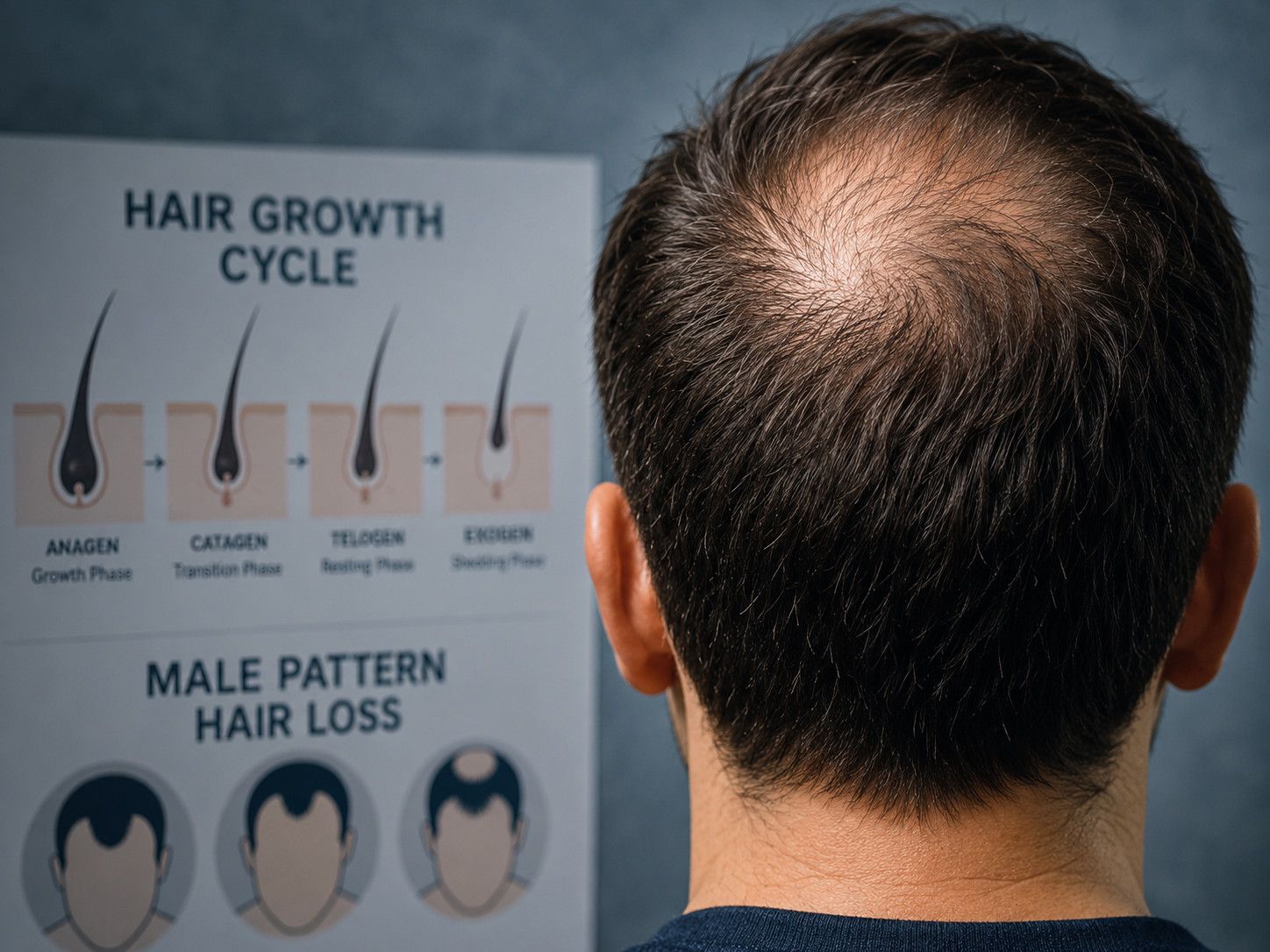
Telogen effluvium is increased shedding after a disruption to the hair cycle. Triggers can include illness, major stress, marked weight loss, childbirth or a new medicine. Shedding may become noticeable around three months later and usually affects the scalp broadly rather than forming isolated bald patches. This describes a possible pattern, not a diagnosis of the cause in any individual.
Assessment normally includes the history and scalp appearance. A clinician may consider tests for other causes, such as iron deficiency or a thyroid problem. British Association of Dermatologists: telogen effluvium.
Do not stop mirtazapine suddenly
The NHS advises speaking to your doctor before stopping mirtazapine. Abrupt stopping can cause withdrawal symptoms; any reduction should follow an agreed plan. Tell the clinician if side effects are troubling you, and bring a list of other medicines and supplements. Do not substitute another antidepressant yourself. NHS mirtazapine guidance.
What about regrowth or a hair transplant?
Telogen effluvium commonly improves, but visible recovery takes time and depends on the underlying cause. The BAD describes a shedding phase lasting three to six months, followed by gradual recovery; prolonged shedding should be reviewed. An assessment of the cause comes before deciding whether any hair-loss treatment is appropriate.
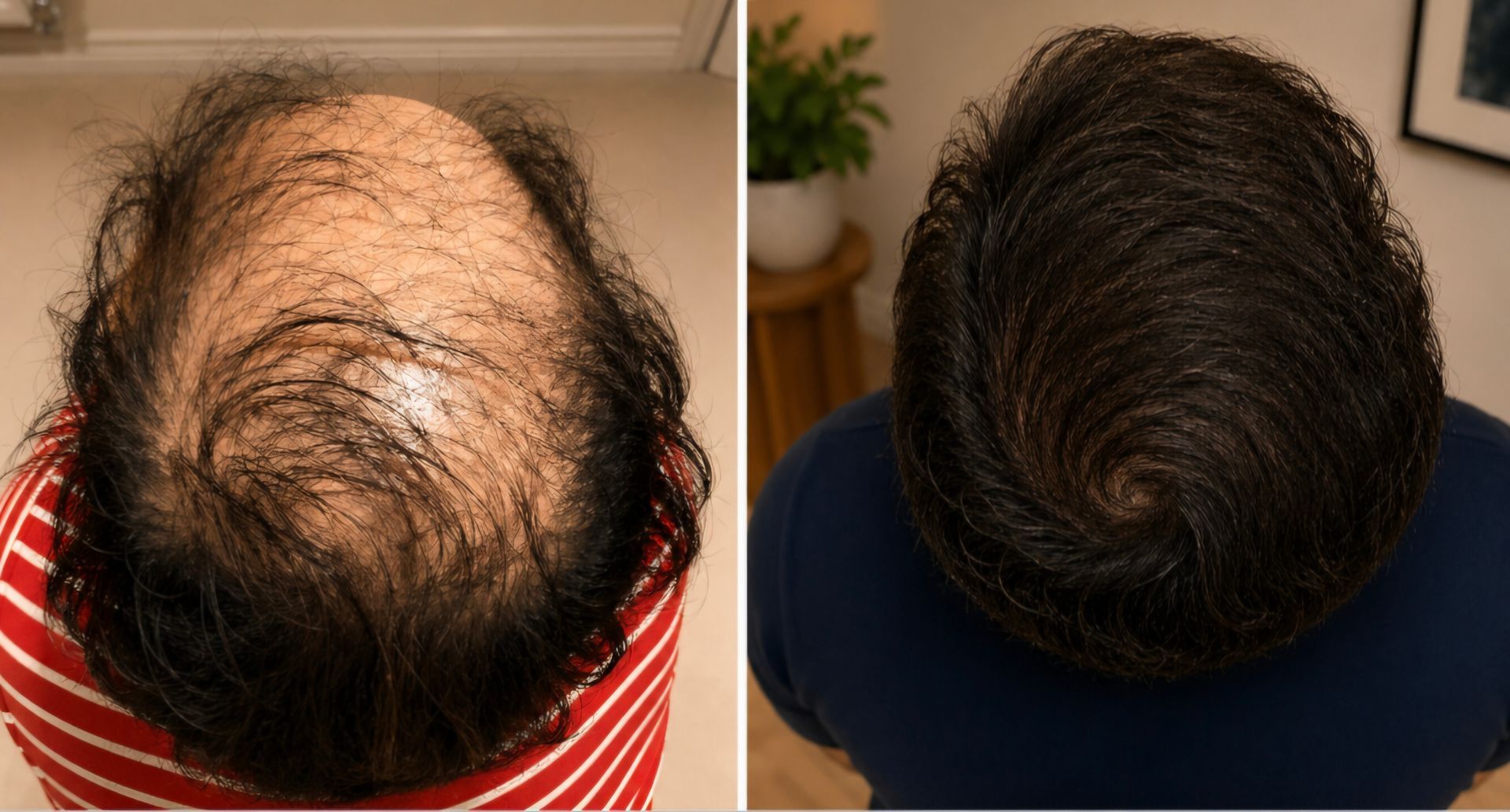
A hair transplant should not be promised as a routine solution to shedding that starts during antidepressant treatment. Ask the clinician to explain the diagnosis and the reasons for each proposed option.
Questions to bring to your appointment
- Does the pattern look like shedding, breakage or another type of hair loss?
- Could other recent health changes explain the timing?
- Are any tests needed?
- How will we review progress while protecting my mental health?
- Who should I contact if the shedding or other symptoms worsen?
Questions and answers
Should I stop taking mirtazapine if my hair starts shedding?
No—speak to your prescriber first. Agree a plan for any change so that both your mental health and possible side effects are considered.
Can a photograph prove that mirtazapine caused hair loss?
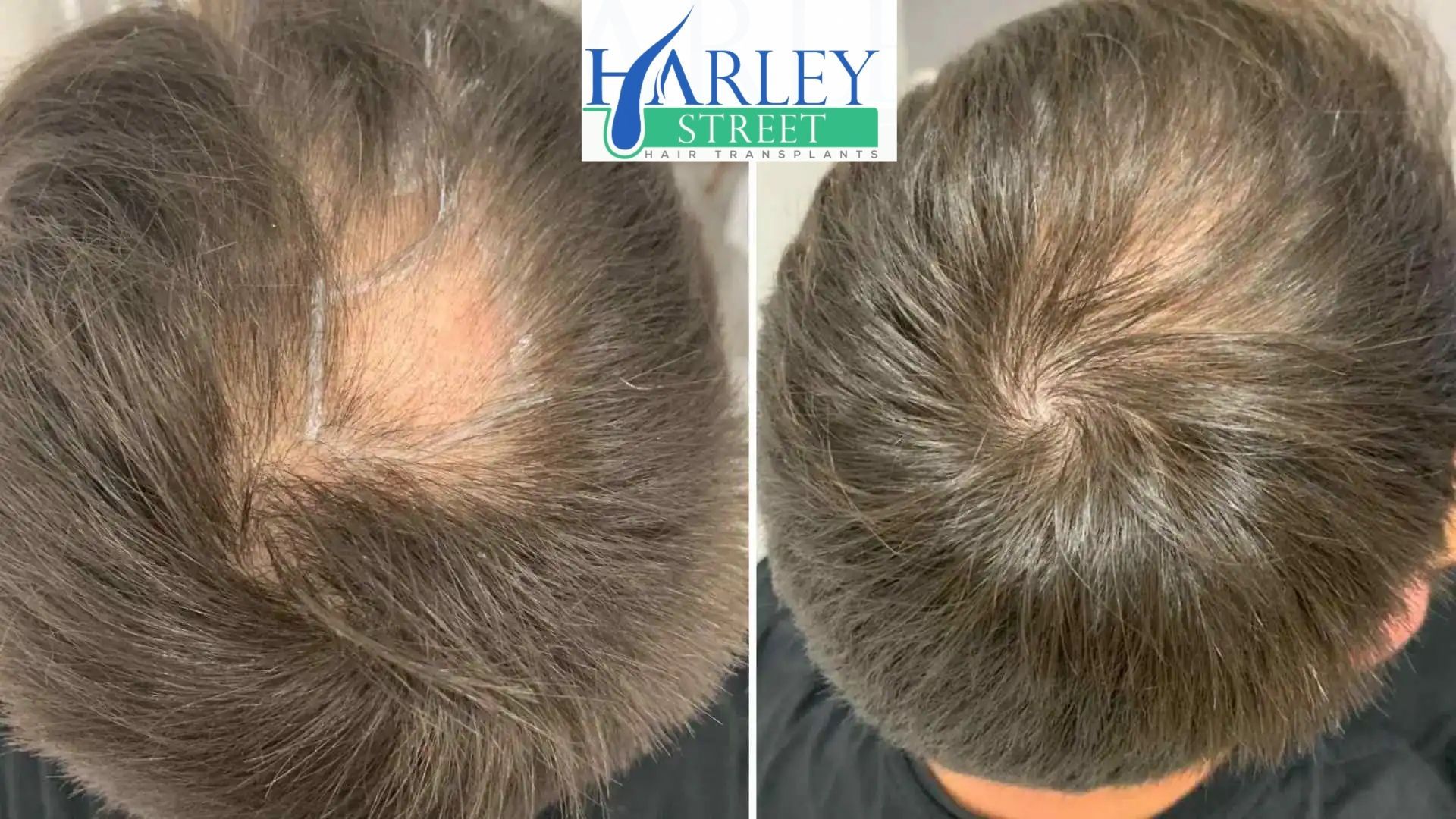
No. Photographs may help record a change, but they cannot establish its cause. Bring them along with your medication and health history.
What should I record before my appointment?
Note when treatment began, any dose changes, when you first noticed shedding and any other symptoms. Include medicines, supplements and recent health changes.