Your first haircut after a hair transplant
Ask separately about scissors, clippers, the donor area and the recipient area. One fixed date does not suit every recovery.

On this page
The right time for your first haircut depends on your procedure and how the scalp has healed. Ask your treating clinic before booking. There is no universal rule that everyone must wait six months, or that every tool is safe as soon as visible crusting has gone.
Separate the donor and recipient areas
The donor area is where grafts were taken; the recipient area is where they were placed. They may heal differently. A short back-and-sides cut can involve contact with the donor region even if the barber avoids the new hairline.
Ask the clinic whether scissors can be used around a particular area and when clippers or a razor can touch the skin. Mention any tenderness, redness, crusting or altered sensation. A photograph may help the team advise, but an examination may be needed if healing is uncertain.
What to tell your barber
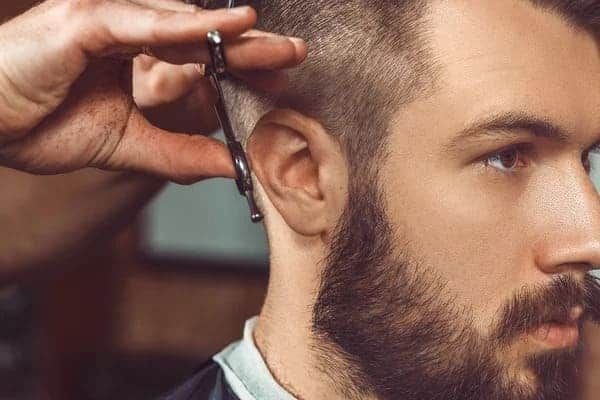
Explain when the operation took place, which areas were treated and what the clinic has cleared you to do. Take the instructions if there is any ambiguity. Ask the barber to avoid pressure, pulling or attempts to remove remaining crusts.
If the scalp is not ready, postpone the appointment rather than improvise. A tidy cut is less important than avoiding unnecessary disturbance of a healing area.
Choosing a style while growth develops
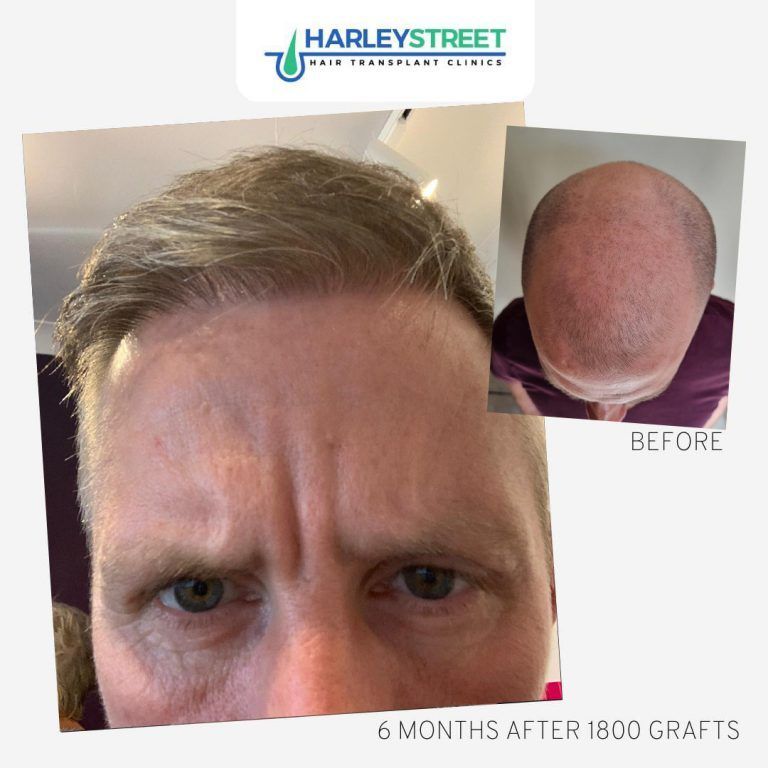
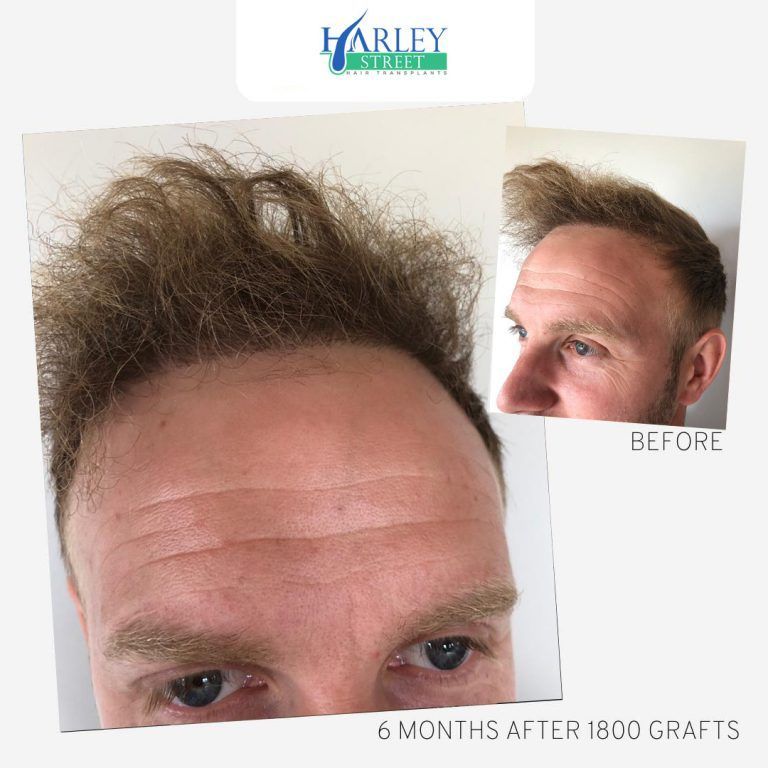
Transplanted hairs can shed before later growth appears, and early growth may look uneven. That can make a style based on expected final density impractical at first. A simpler cut that works with the hair currently present may be easier to maintain.
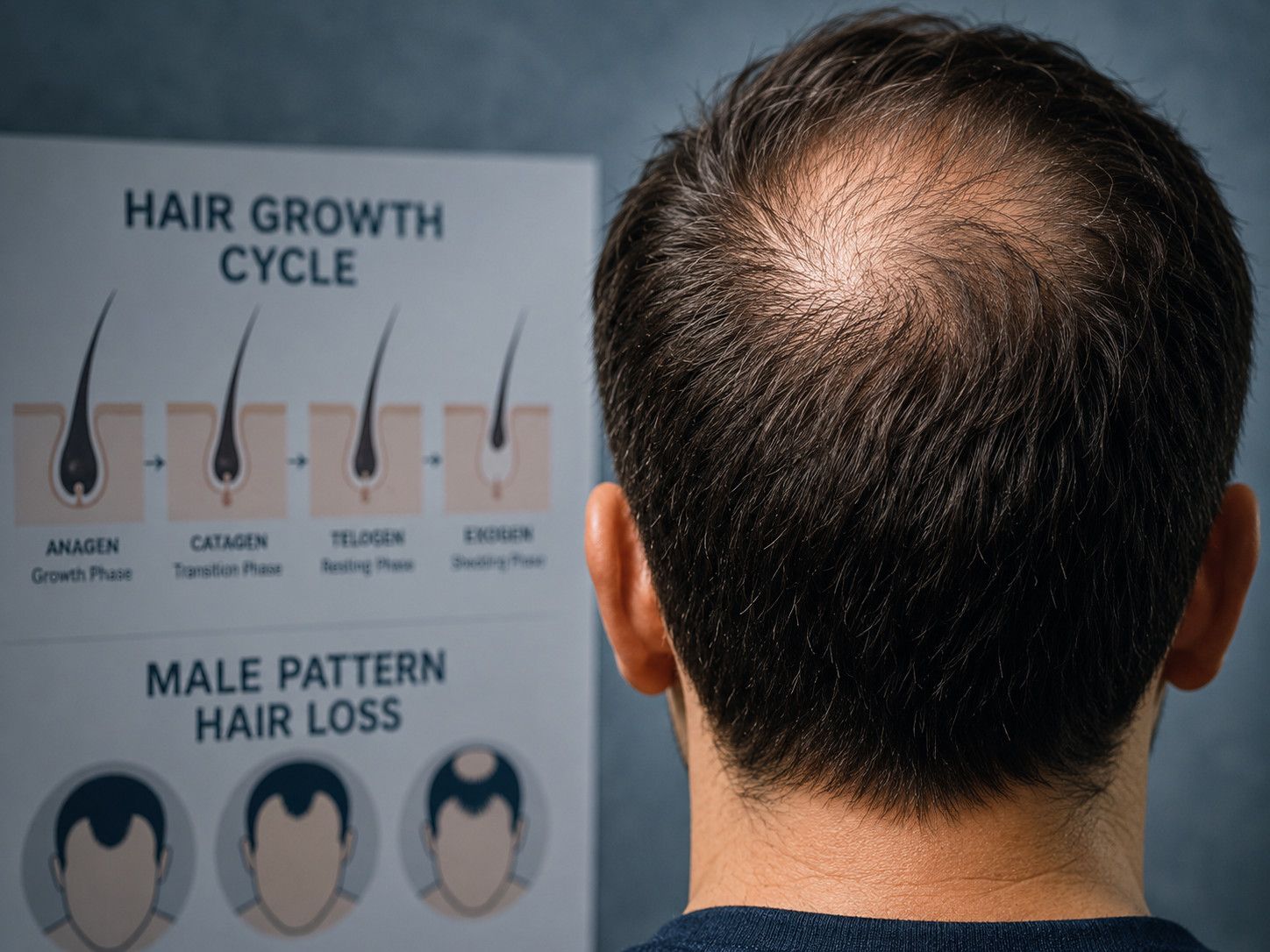
The hair growth cycle guide explains why early appearance and later coverage are different stages. Neither an early haircut nor a specific month after surgery guarantees that the final density has developed.
Short styles and donor scars
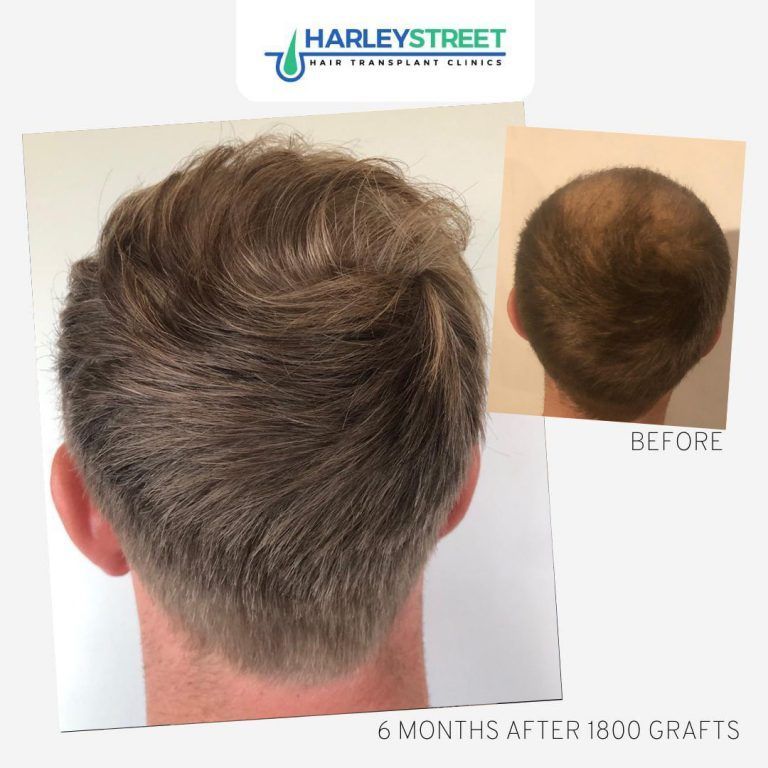
FUE leaves small individual scars, while FUT leaves a linear scar. A very close cut can make scars or uneven donor density more visible. Ask the surgeon what that means for your usual haircut before the operation, rather than discovering it at the barber afterwards.
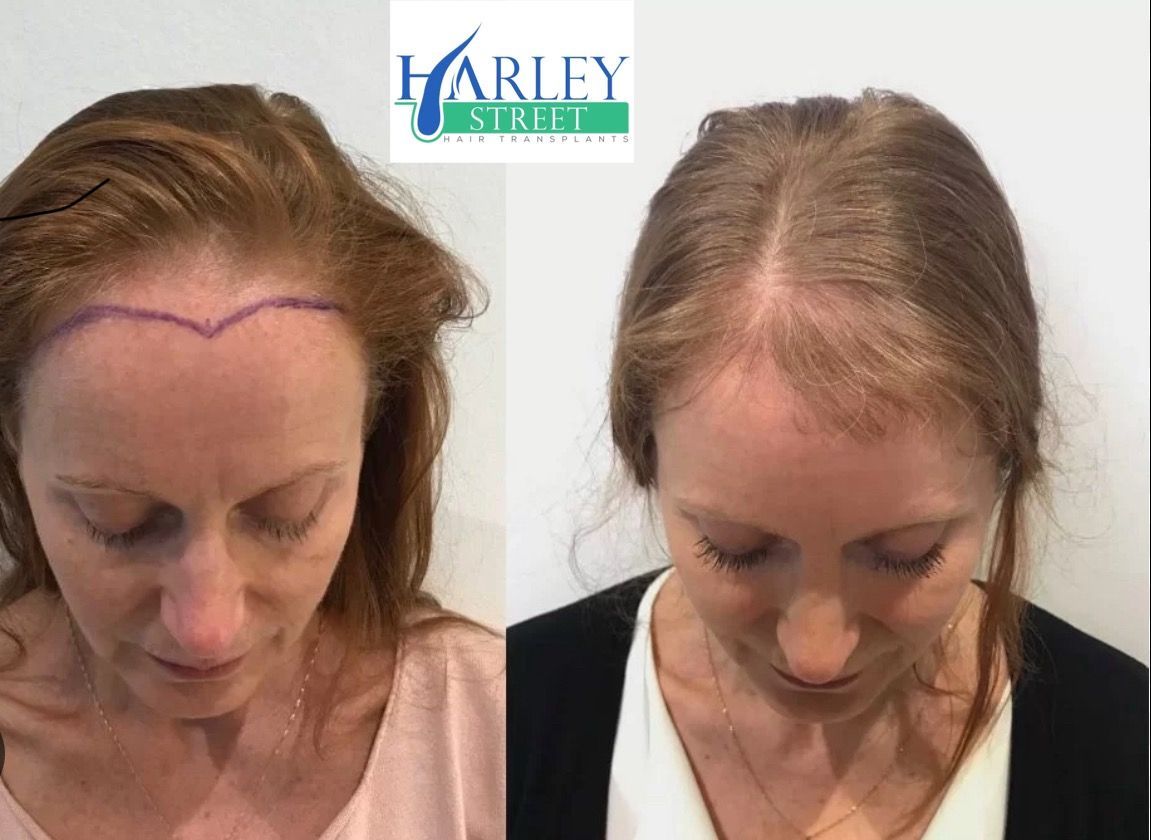
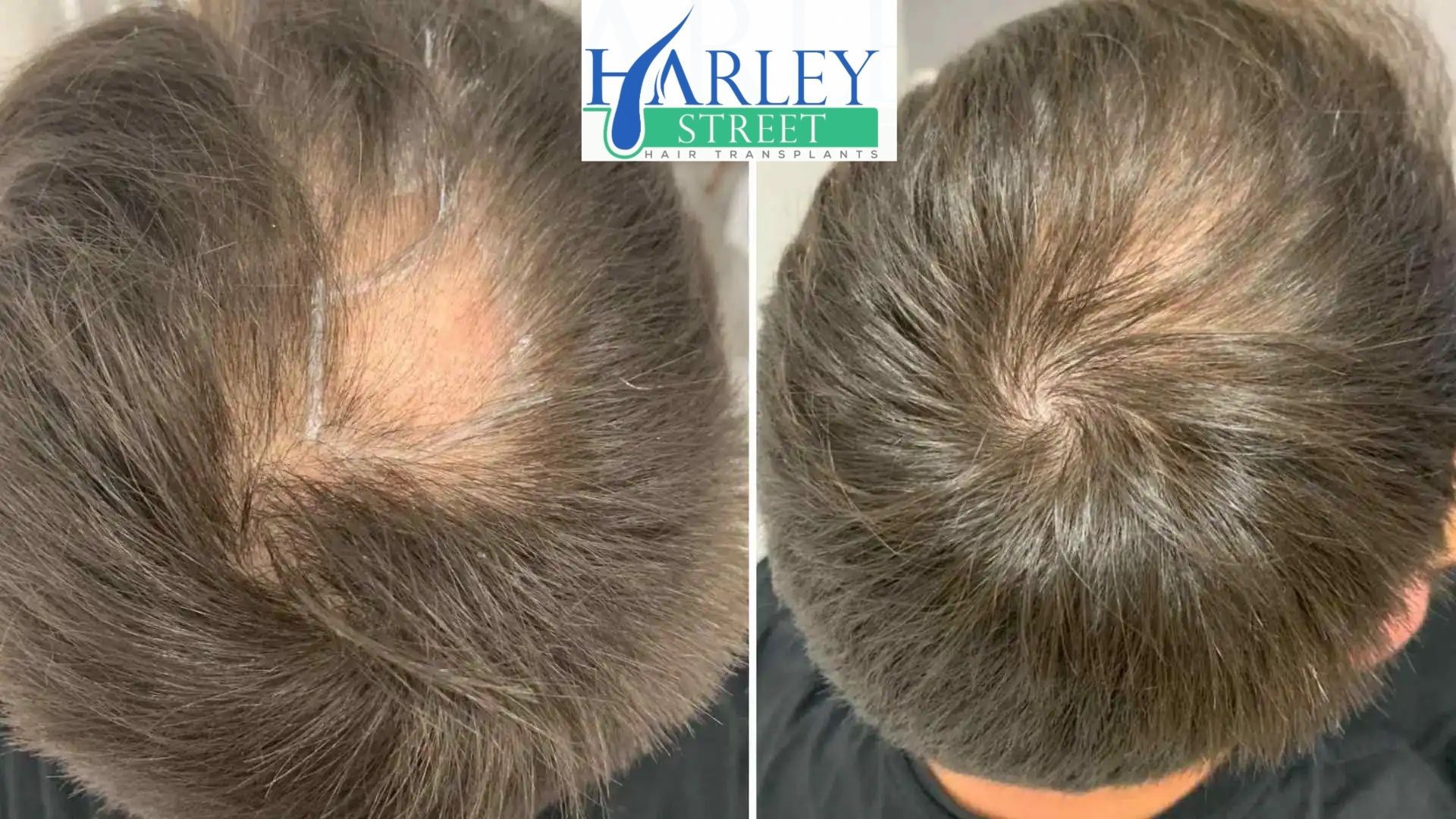
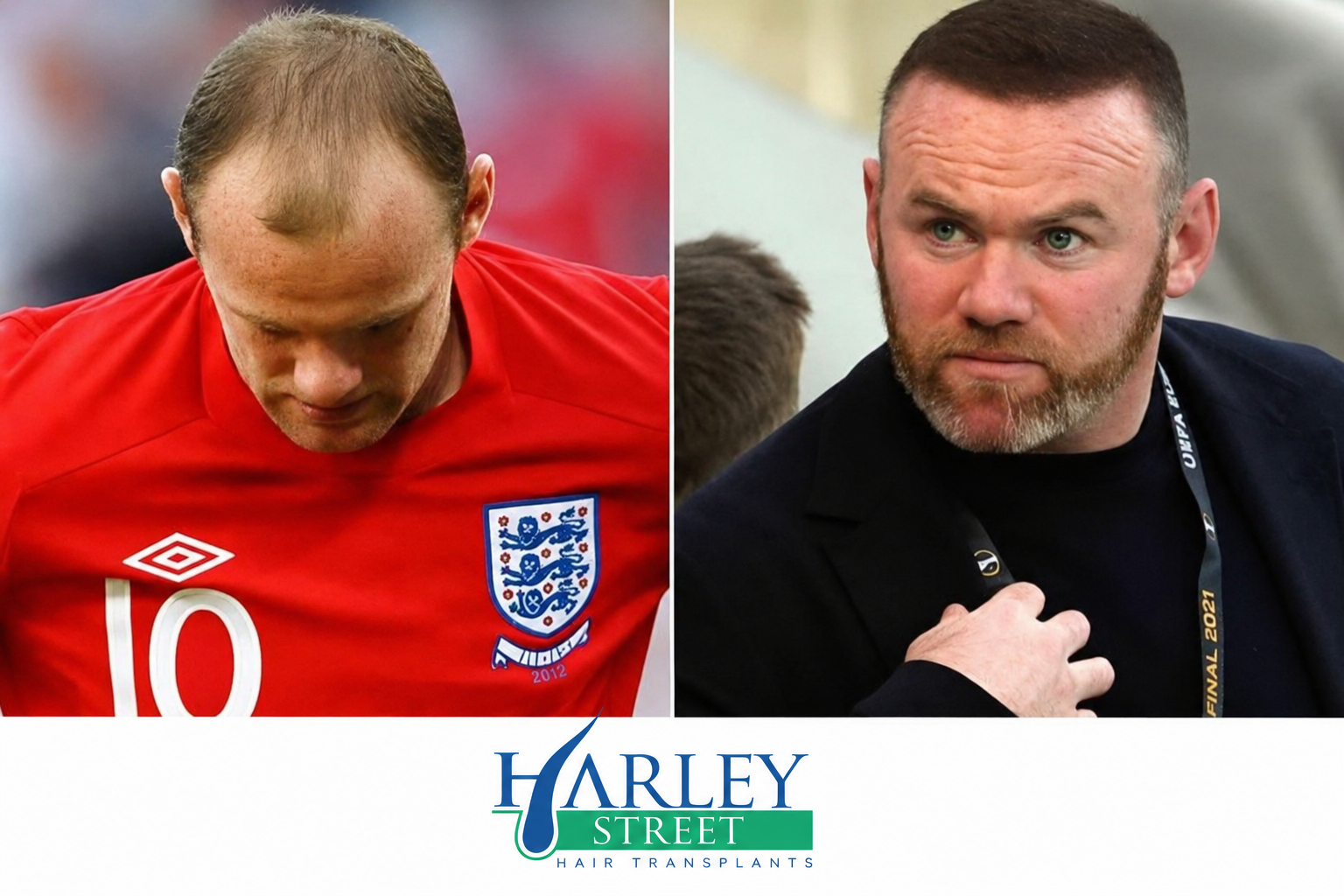
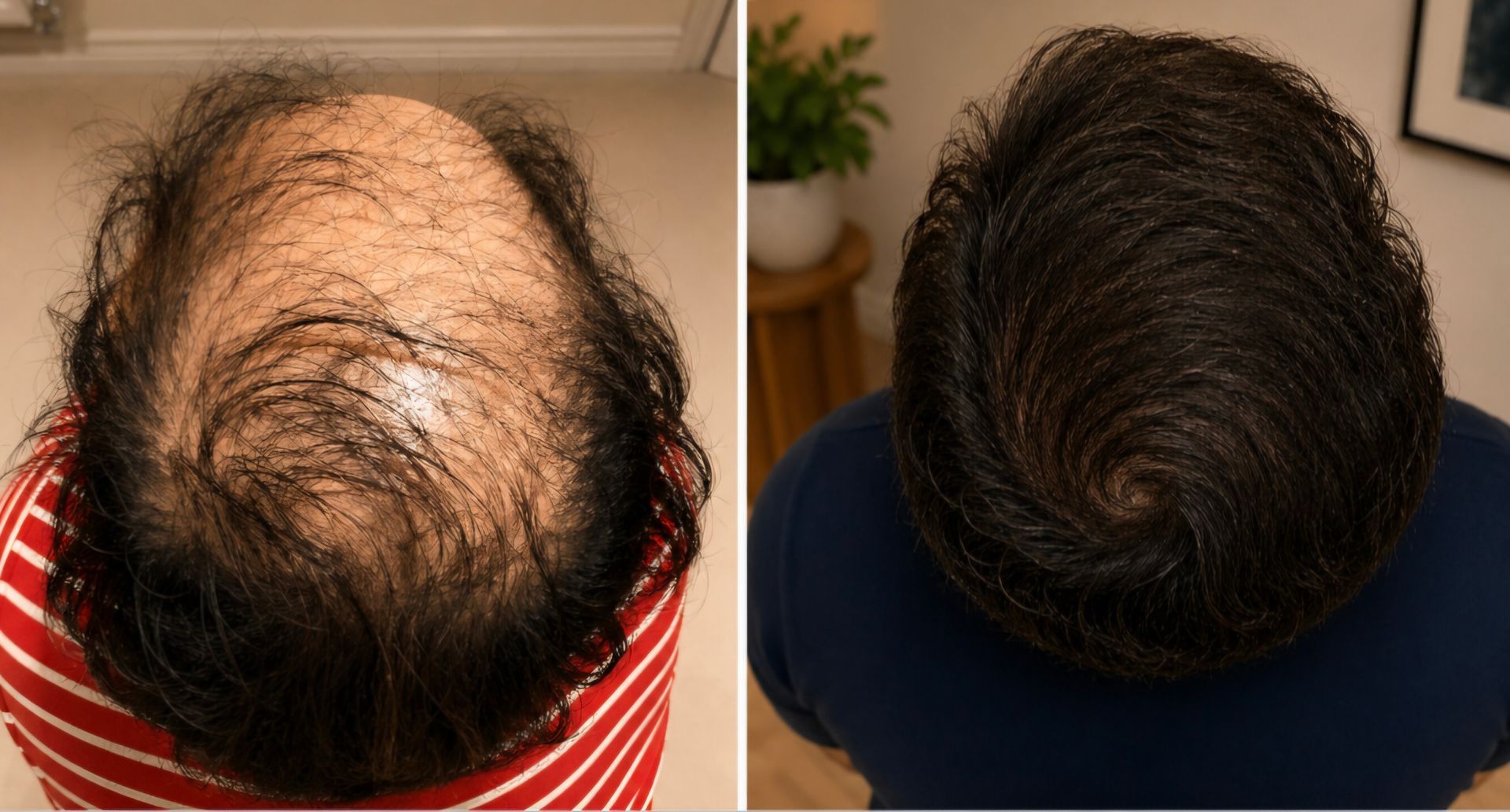
The examples retained on this page show hairstyle choices, not a promise that the same density or length will be possible for every patient. Donor characteristics, extraction and healing affect the result.
Colouring, styling products and heat
Hair dye, chemical processing, heated tools and styling products raise different questions from simply shortening a strand. Ask the clinic when each can be resumed and whether the skin needs to be checked first. Follow product precautions and stop if irritation occurs.
Do not apply a strong product to a healing scalp to hide redness or shedding. If the appearance is worrying you, contact the clinic for advice about suitable temporary options and the expected course.
When to get advice instead of a haircut
Increasing pain, discharge, spreading redness or persistent wounds need clinical advice. Do not ask a barber to remove crusts or treat a suspected infection. Follow your aftercare instructions and use the clinic's contact route for unexpected symptoms.
Questions and answers
Must everyone wait six months before a haircut?
No. Timing is individual. Ask what is safe for your scalp, treatment areas and the tools being used.
Are scissors always safe before clippers?
Not automatically. Scissors can still catch hairs or touch healing skin. Clearance should be based on the procedure and recovery, not just the tool's name.
Can I shave the donor area very closely?
Ask about healing and the likely visibility of scars or thinning. A close shave may reveal features that a longer style conceals.