
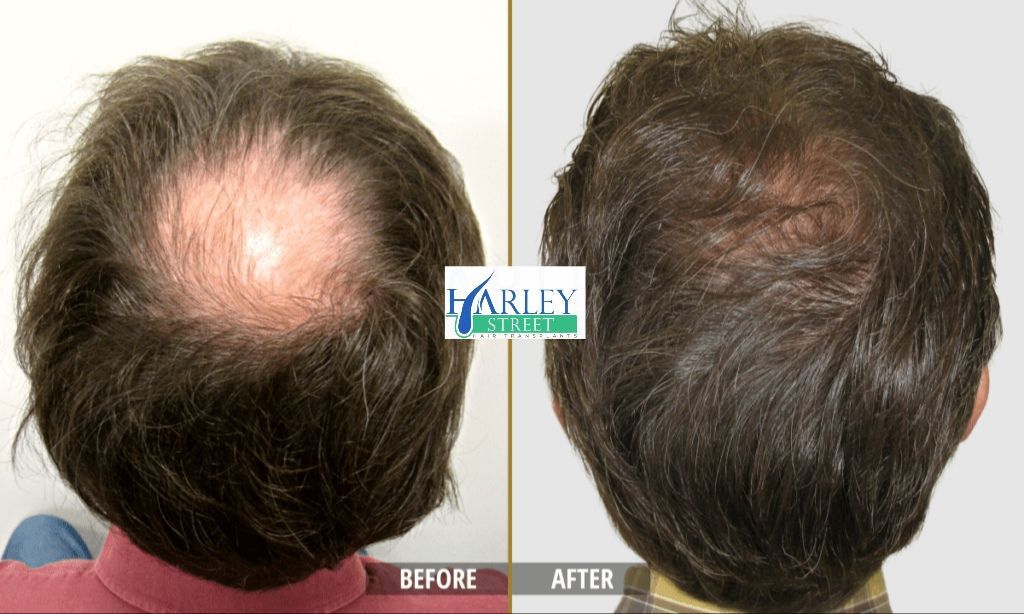
Tommy’s Case Study
Timescale
Around 13 months
Grafts
2,000
FUE stands for Follicular Unit Extraction. At our Harley Street clinic, treatment is planned with Dr Harpreet Kalra.
Individual hair grafts are removed from the back and sides of the scalp and placed into areas where the hair has thinned.
FUE can be used to rebuild a receding hairline or improve coverage through the crown. Before recommending surgery, the surgeon will examine your donor hair, discuss the area you want to restore and explain what can realistically be achieved.
FUE prices start from £3,499. View graft-based cost estimates and receive a confirmed quote after your assessment.




Hair grows in small natural groups known as follicular units. A follicular unit may contain a single hair or several hairs growing together.
During FUE, these units are removed individually from the back and sides of the scalp through small circular openings. The grafts are checked and prepared before being placed into the thinning area at the angle and direction planned by the surgeon.
FUE does not involve removing a strip of scalp, so it does not leave the long linear scar associated with strip surgery. It is not scar-free, however. Each extraction leaves a small round mark, which is why the grafts must be spread carefully across the donor area.
The same technique can be used for the hairline, mid-scalp and crown. It may also be suitable for selected beard, eyebrow and scar-restoration procedures, although the placement has to be adapted to the direction of the surrounding hair.
The first appointment is used to establish what is causing the hair loss and whether transplantation is a sensible option. The scalp, existing hair and donor area are examined alongside the patient’s medical history, medication and any previous treatment.
A graft estimate is only meaningful after that assessment. Two patients with a similar area of hair loss can need different plans because their donor density, hair calibre, curl and existing coverage are different.
The treatment area is marked and discussed before surgery begins. A frontal hairline needs a softer edge and finer single-hair grafts. Crown grafts have to follow the existing whorl. The position of the hairline also has to make sense if the untreated hair continues to recede.
The donor hair is normally trimmed so the follicular units can be identified. Local anaesthetic is used before the grafts are removed individually from the back and sides of the scalp.
The extractions should be distributed across the usable donor area. Taking too many grafts from one concentrated patch can leave the donor hair looking visibly thin.
Once prepared, the grafts are placed into the planned recipient sites. The angle, direction and spacing are adjusted to the surrounding hair rather than applying the same pattern throughout the scalp.
Patients normally leave the clinic on the day of surgery with written instructions covering washing, sleeping, medication, swelling and exercise. More information is available in the hair transplant aftercare guide.
A good donor area is essential, but suitability is not decided by density alone. The surgeon also looks at hair calibre, curl, colour contrast, follicular grouping and whether the donor area shows signs of thinning.
The pattern of hair loss needs to be reasonably clear. A hairline that is still changing quickly can be difficult to rebuild convincingly because the untreated hair behind it may continue to recede.
Age needs context as well. There is no single age at which surgery becomes suitable. What matters is how the hair loss has progressed, whether the proposed design is sustainable and how much donor hair may be needed later.
FUE is generally considered when:
Some patients are better served by monitoring, medication or a different surgical method. That decision should follow examination, not a procedure name chosen before the consultation.
These photographs come from our own patient gallery. Both results were photographed at around six months, so further growth and maturation would still be expected after the photographs were taken.
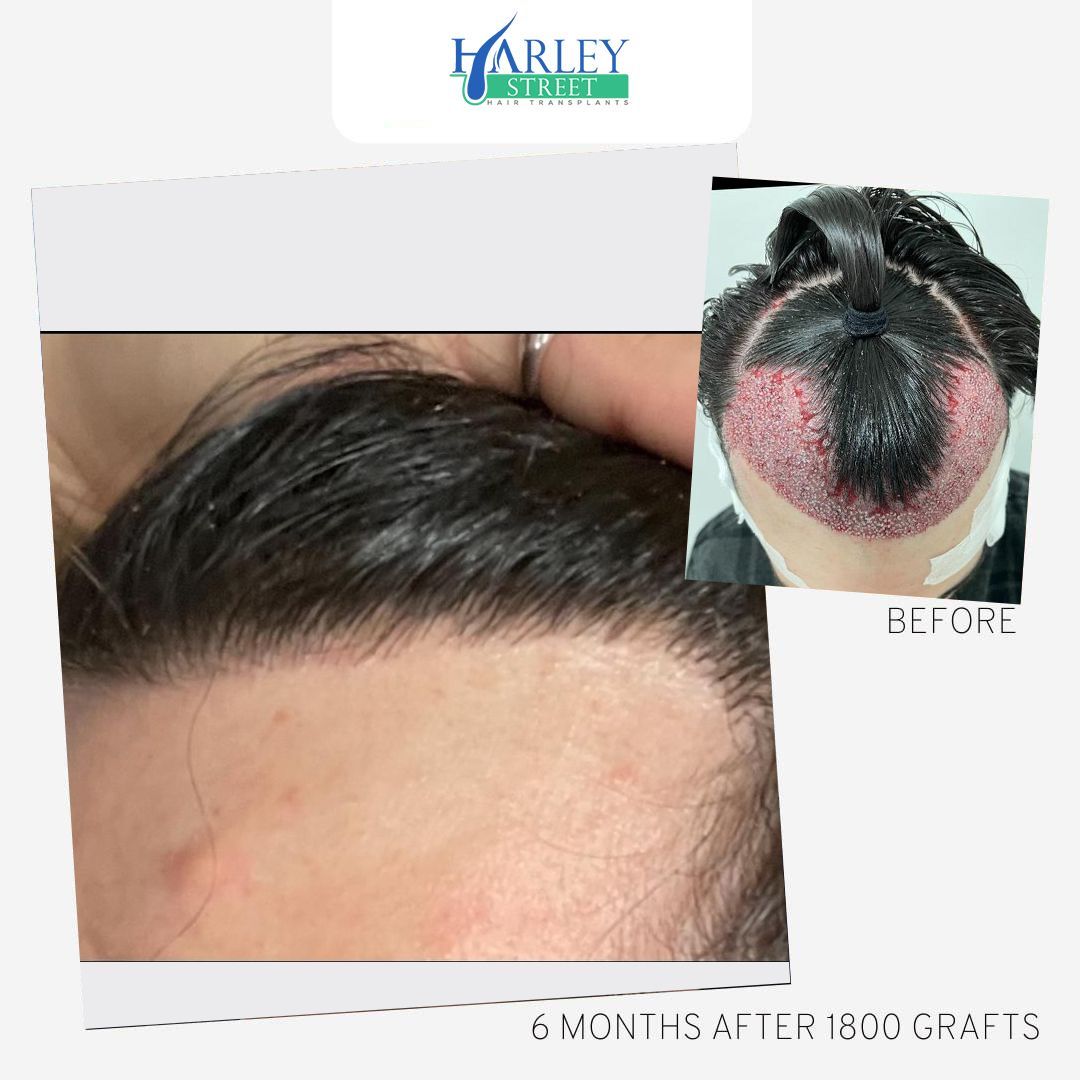
1,800 grafts · Around 6 months
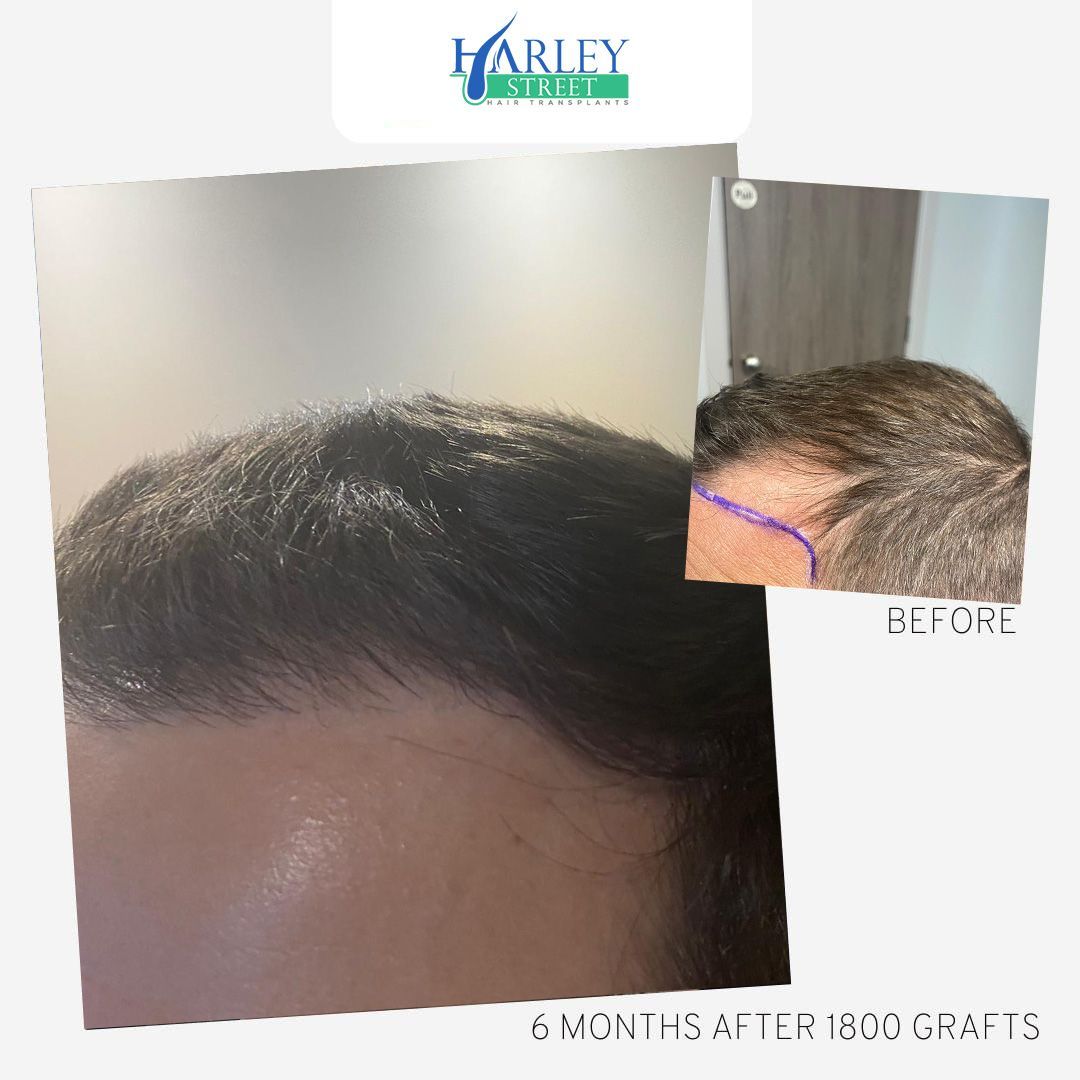
1,800 grafts · Around 6 months
FUE describes the way follicular units are removed from the donor area. DHI normally uses the same individual extraction process, but the prepared grafts are placed with an implanter device.
The difference is therefore mainly found during placement. DHI does not create a separate supply of donor hair, and it does not increase the number of grafts that can be removed safely.
A fuller explanation is available in the FUE versus DHI guide.
During FUT, a narrow strip of hair-bearing scalp is removed from the donor area. The strip is divided into follicular-unit grafts before those grafts are placed into the recipient area.
FUT leaves a permanent linear scar. FUE avoids that line, but its individual extraction sites still leave small round marks. FUT can remain a reasonable option when the donor characteristics, scalp laxity, hairstyle and graft requirement support strip harvesting.
Read the FUT hair transplant guide before deciding that one method is automatically better than the other.
A transplant redistributes existing follicles. It does not create new hair or provide an unlimited supply of grafts. The treatment plan must therefore balance the area the patient wants to restore against the donor hair that can be used without leaving the back and sides visibly thin.
The current guide price starts from £3,499. The final quotation depends on the treatment area, available donor hair, estimated graft requirement and complexity of the procedure.
A smaller frontal procedure does not require the same amount of work as rebuilding the hairline, mid-scalp and crown. Current price ranges are available on the hair transplant cost page.
Redness, tenderness, swelling and scabbing are expected during the early healing period. The donor and recipient areas can look more noticeable in some patients than others, so it is sensible to allow enough time away from public-facing work.
Many transplanted hair shafts shed during the first several weeks. This does not mean the follicles have been lost. New growth develops gradually over the following months.
Six months normally shows an intermediate result. Further growth, thickening and maturation can continue through the first year and, particularly in the crown, beyond it. The hair transplant timeline shows these stages in more detail.
FUE is surgery and possible complications must be discussed before treatment. These include:
A transplant does not stop untreated native hair from thinning. Future loss may change the appearance around the transplanted area and can lead to further treatment being discussed later.
 Johnathan’s Case Study
1,800 grafts · Around 9 months
Johnathan’s Case Study
1,800 grafts · Around 9 months
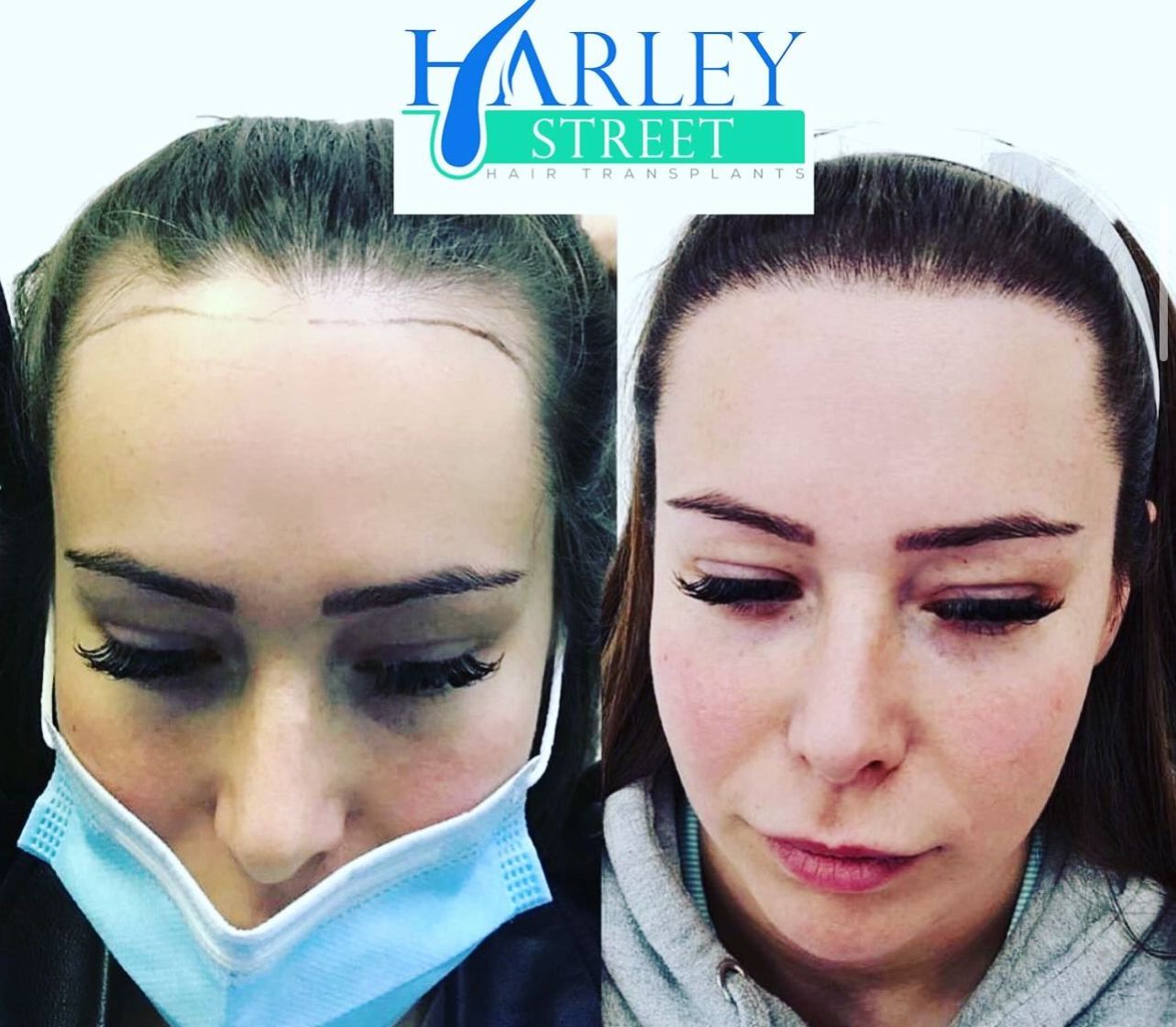 Samantha’s Case Study
2,000 grafts · Around 12 months
Samantha’s Case Study
2,000 grafts · Around 12 months
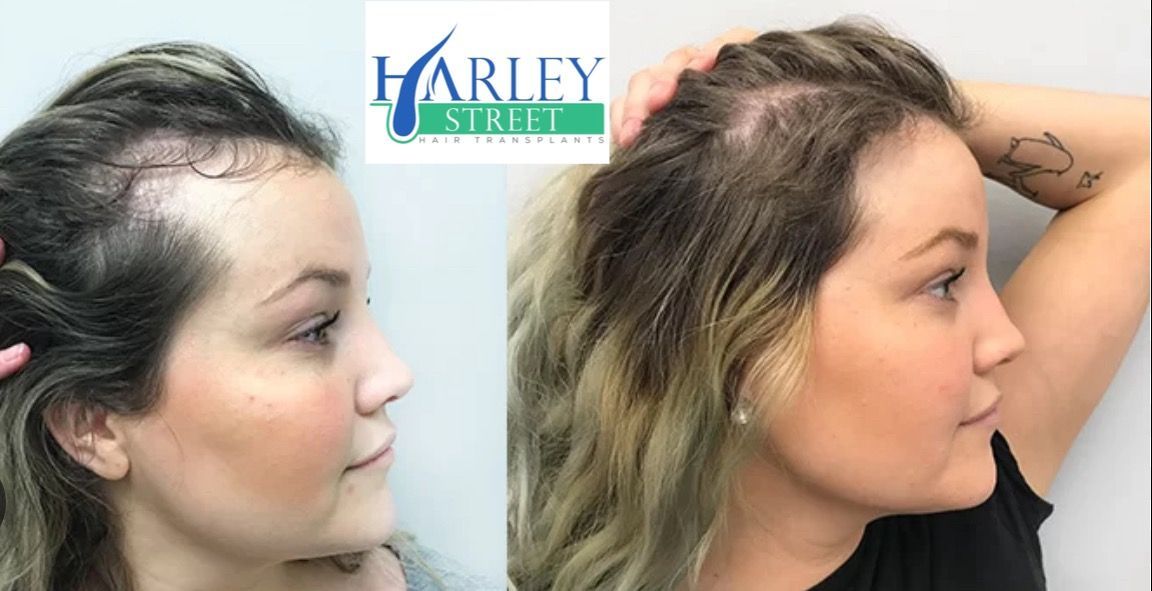 Kelly’s Case Study
2,240 grafts · Around 6–7 months
Kelly’s Case Study
2,240 grafts · Around 6–7 months
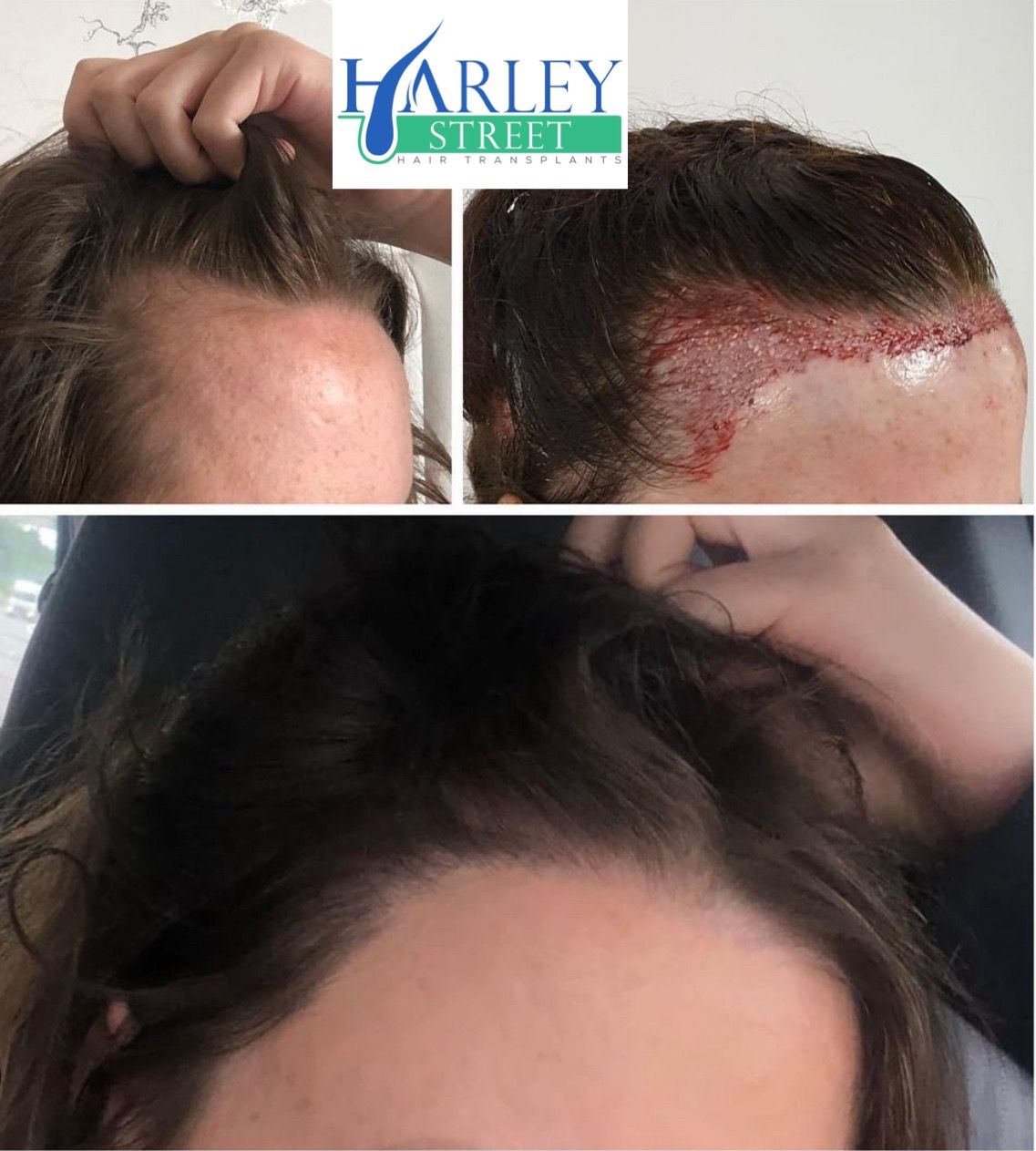 Sally’s Case Study
2,675 grafts · Around 10–12 months
Danny’s Case Study
3,500 grafts · Around 14 months
Sally’s Case Study
2,675 grafts · Around 10–12 months
Danny’s Case Study
3,500 grafts · Around 14 months
These are the questions patients most often ask before deciding whether FUE is the right treatment for their hair loss.
FUE stands for Follicular Unit Extraction. Individual follicular units are removed from the donor area using small circular extraction sites. The grafts are then prepared and placed into the area being restored.
FUE does not leave the single linear scar associated with strip surgery. It leaves small circular marks throughout the parts of the donor area used for extraction.
How visible those marks are will depend on the number and spread of the extractions, healing and the length at which the donor hair is worn.
The graft estimate depends on the size of the area being treated, the amount of existing hair, the coverage required and the supply available in the donor area.
A small hairline procedure will not require the same number of grafts as treatment across the hairline, mid-scalp and crown. The number should be agreed after your scalp and donor hair have been examined.
The small extraction sites begin closing during the first few days. Redness, tenderness and small scabs are normal during the early healing period.
Your surgeon will explain when to wash the area, return to exercise and have your hair cut. The instructions should be followed even when the scalp already looks settled.
The transplanted hairs commonly shed during the first few weeks. This does not mean the follicles have been lost. New growth develops gradually over the following months.
The change is normally assessed over several months rather than immediately after surgery. Our patient gallery shows results photographed at their recorded stages of growth.
Many FUE procedures involve trimming the donor area so the surgeon can see the direction of the follicles and distribute the extractions properly.
Whether the recipient area also needs to be trimmed depends on the treatment plan, the amount of existing hair and the size of the procedure. This is discussed before the surgery is booked.
No. A transplant moves suitable donor follicles into the treatment area, but it does not stop untreated native hair from continuing to thin.
Future hair loss must be considered when the hairline, graft distribution and donor use are planned.
FUE hair transplant prices start from £3,499. The final quotation depends on the treatment area, graft requirement, donor supply and the work involved.
The cost is confirmed after assessment. Finance is available with no deposit.
Suitability depends on the cause and pattern of the hair loss, the condition of the scalp, general health and the amount of usable donor hair.
The consultation also looks at previous treatment and the likely progression of future hair loss before a procedure or graft number is recommended.
Excellent overall service.
Very satisfied with my results.