Direct hair implantation in London

DHI Hair Transplant London

DHI stands for Direct Hair Implantation. It is a hair transplant method that usually combines individual donor-hair extraction with placement using an implanter device, often called a Choi implanter pen. At Harley Street Hair Transplants, DHI may be discussed for selected patients considering hairline refinement, crown restoration, mid-scalp thinning or density improvement after assessment.

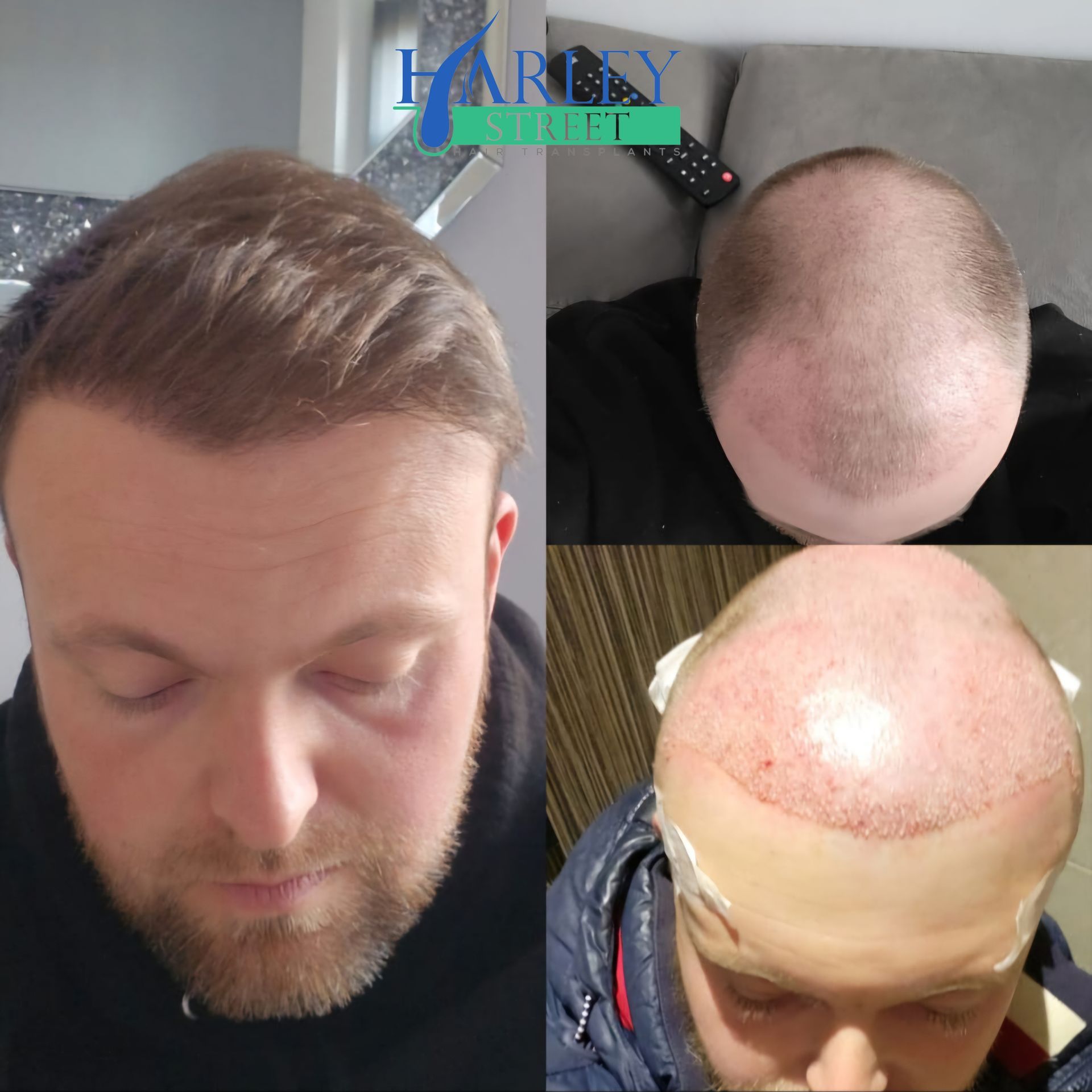
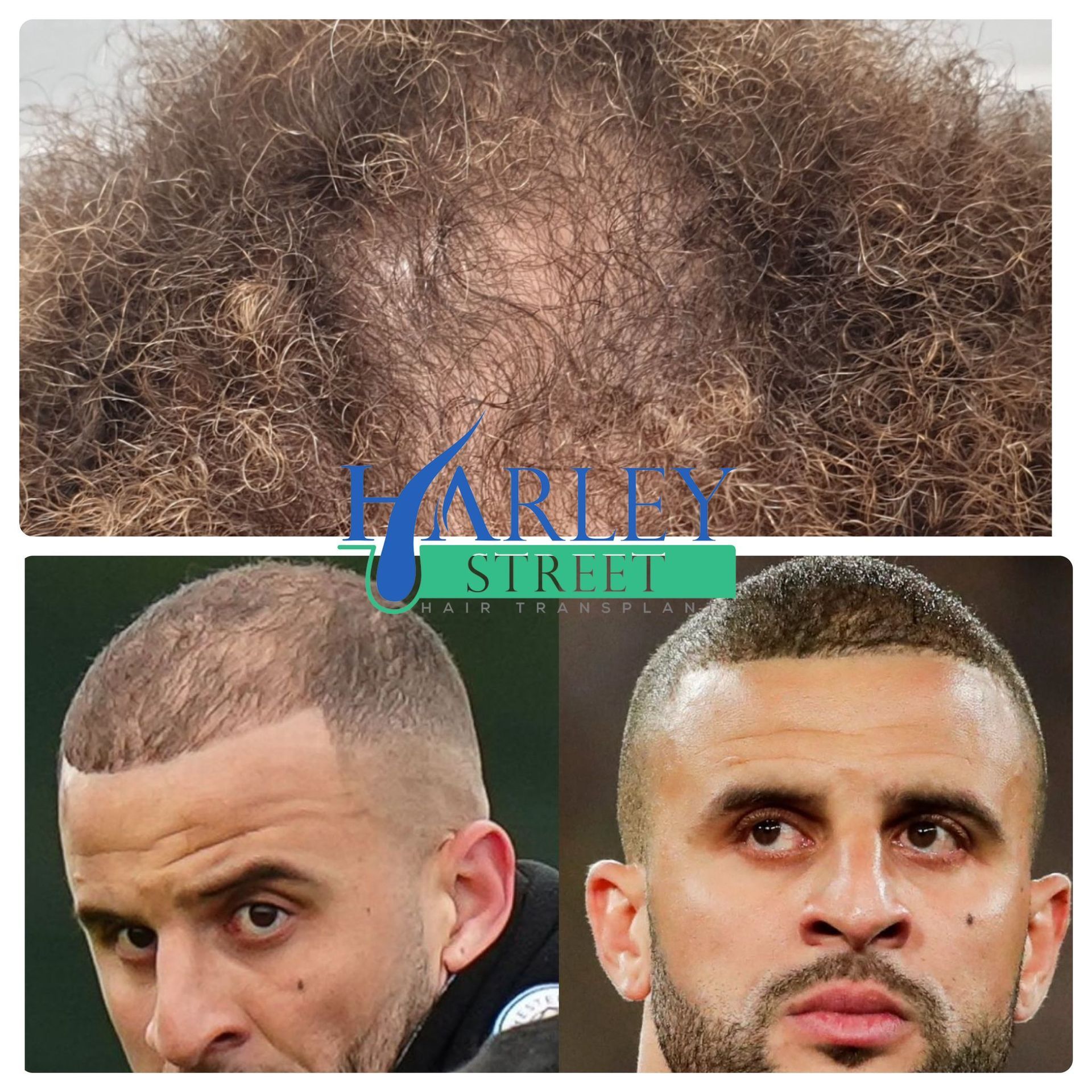
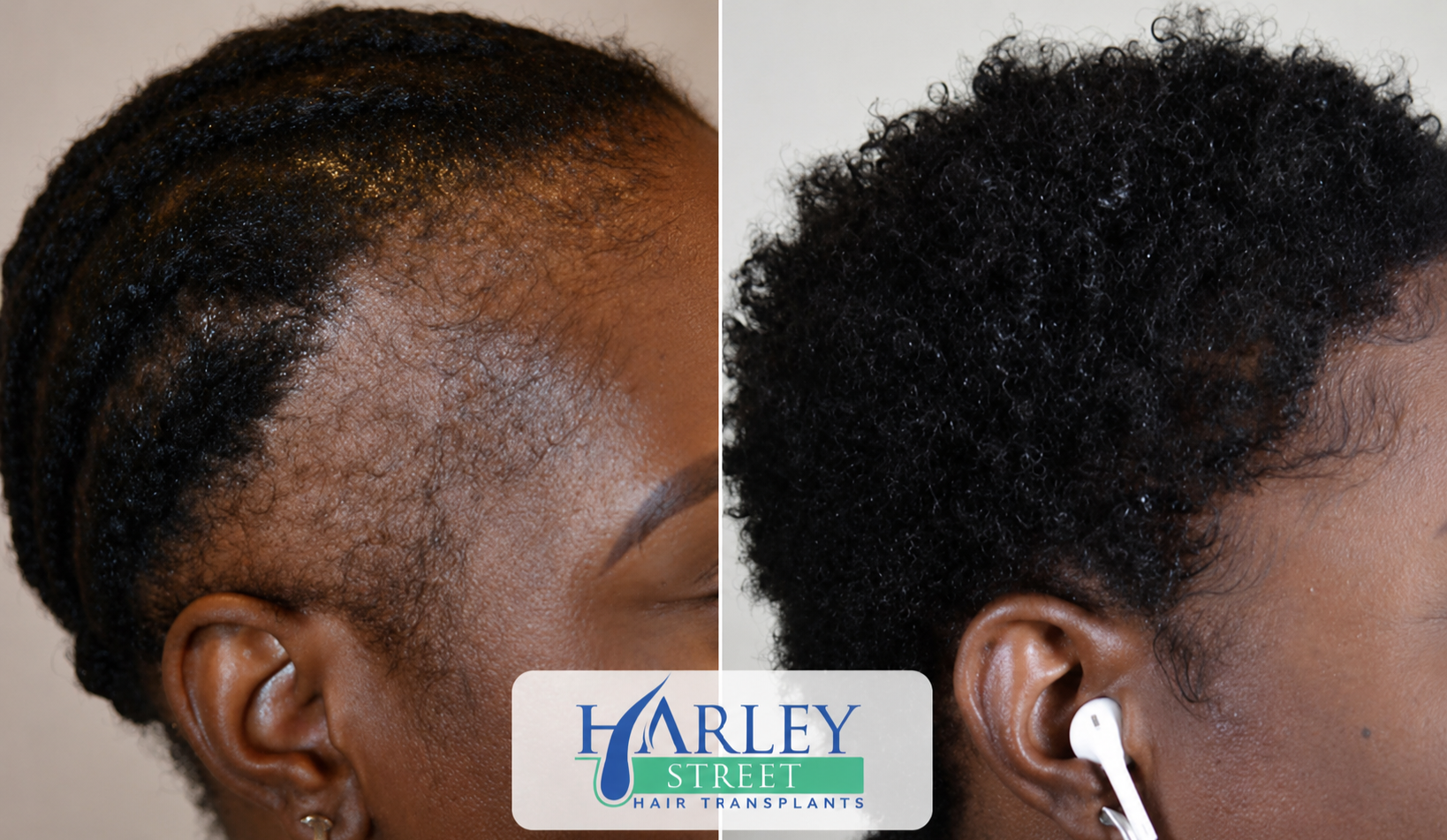
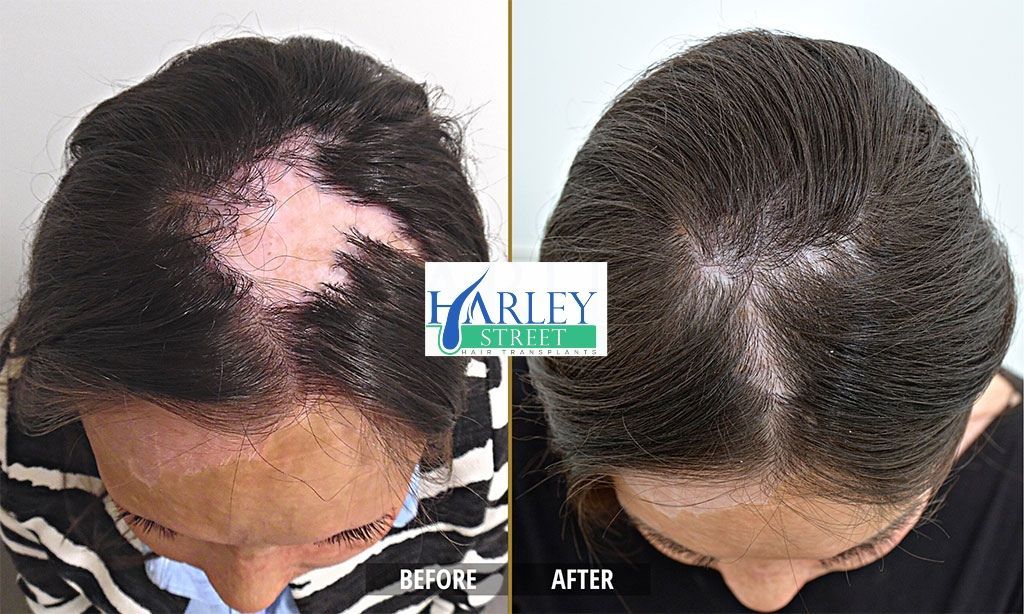
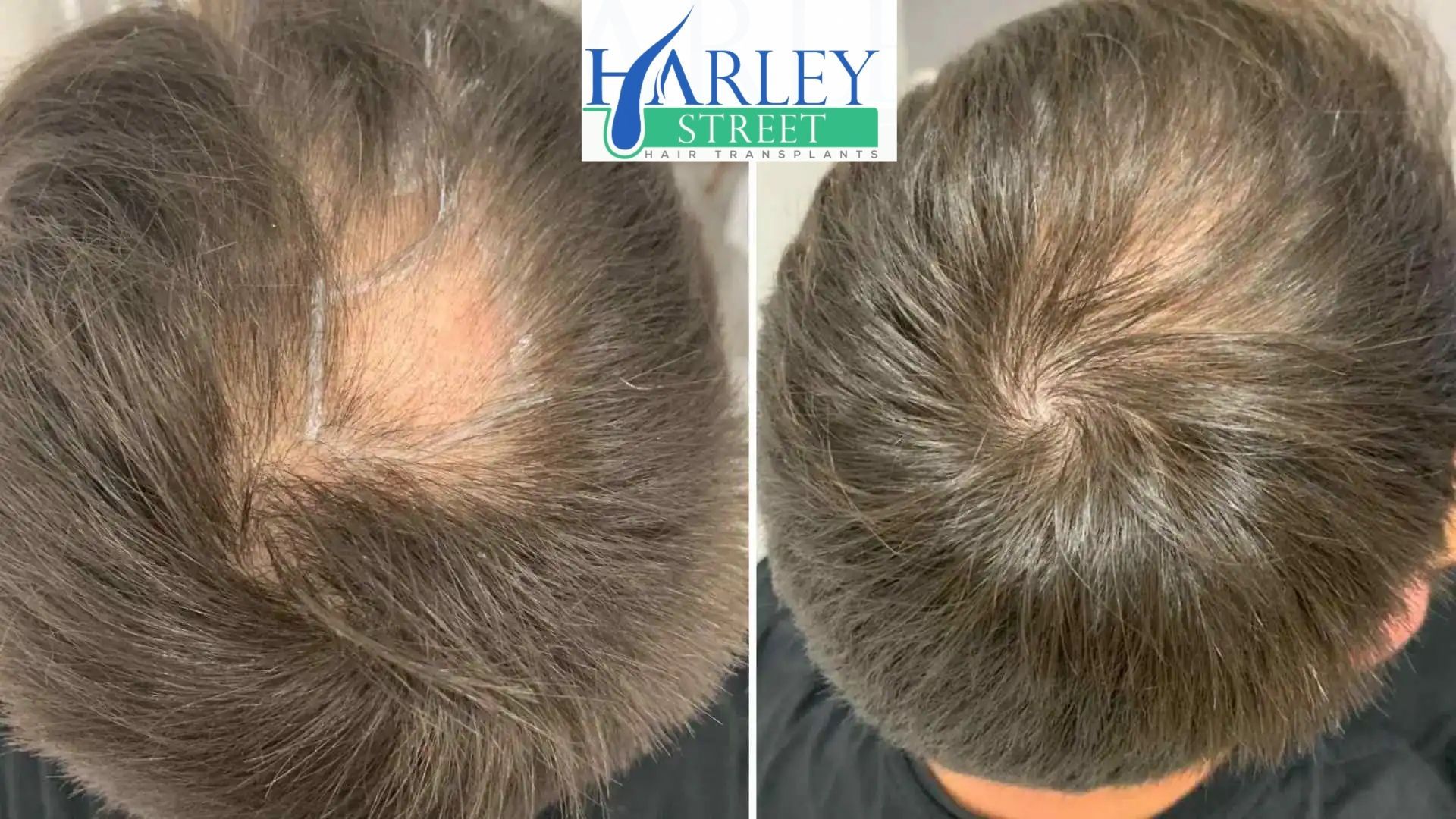
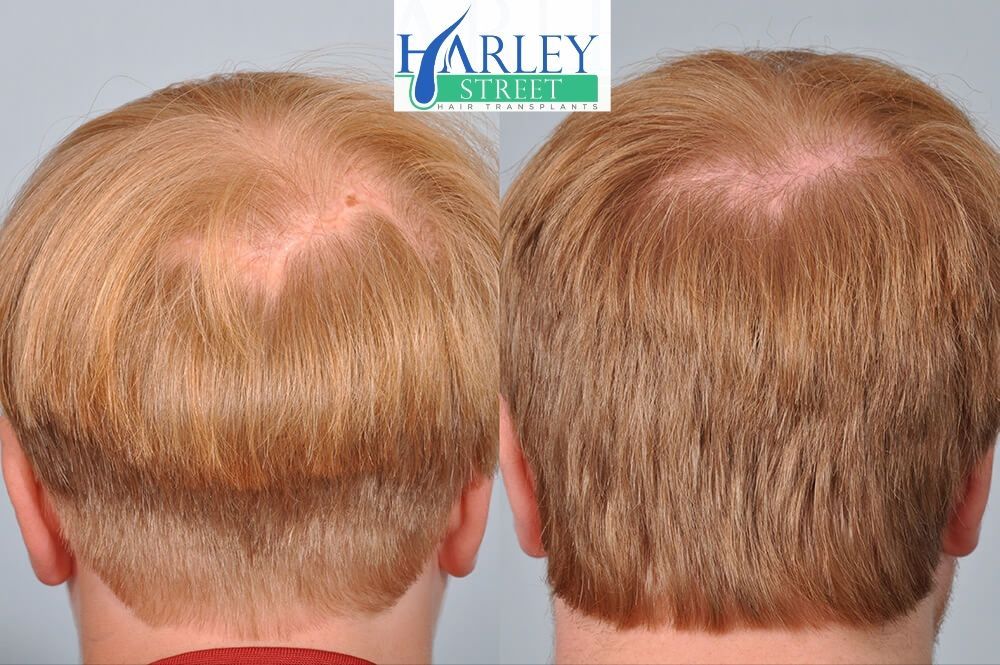
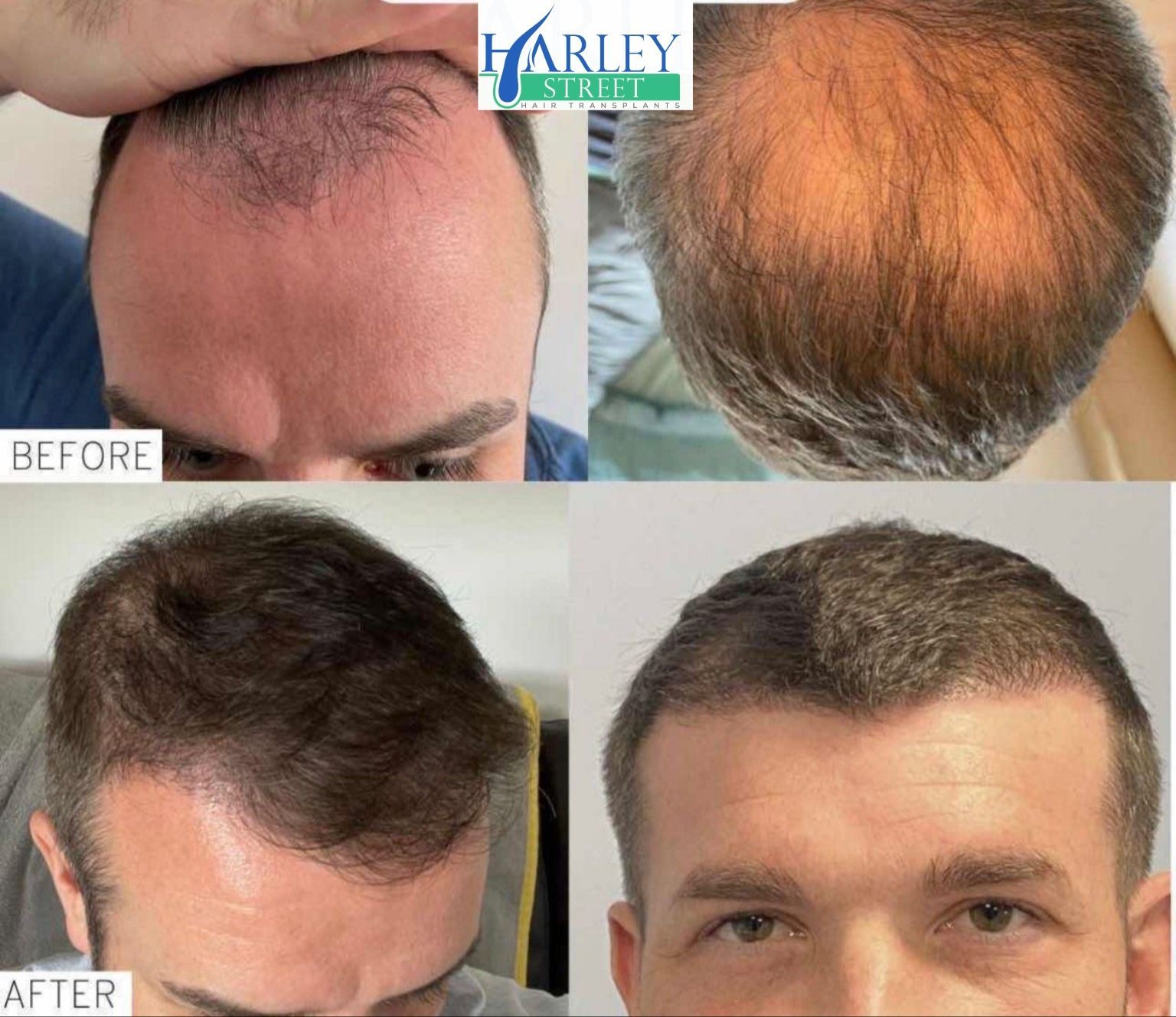
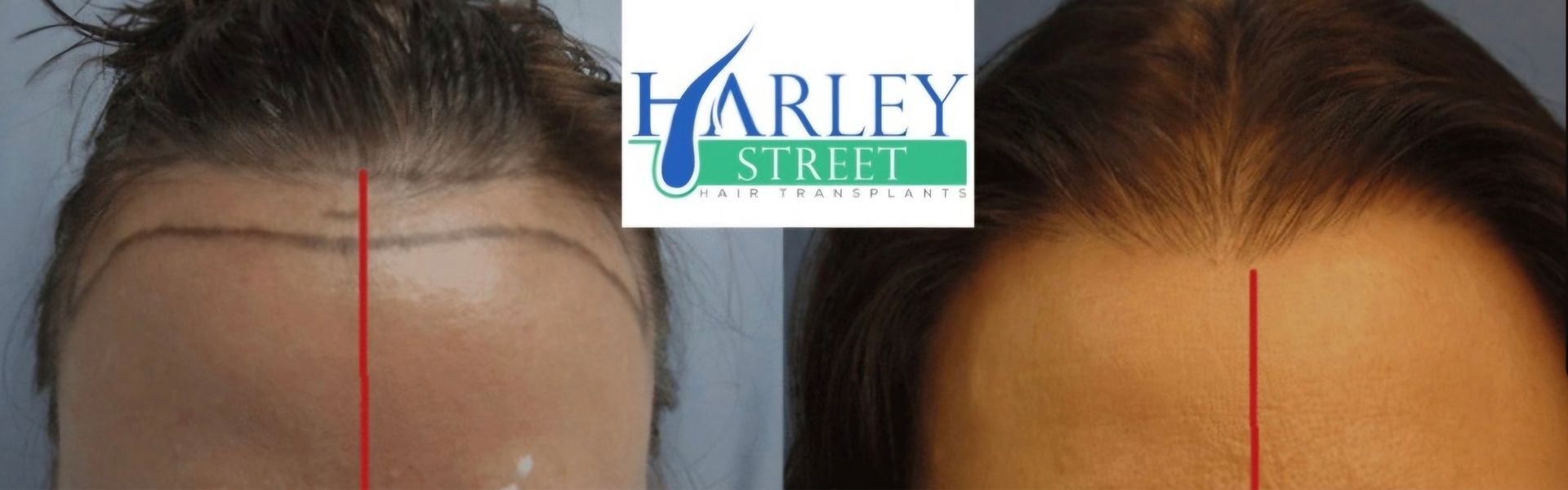
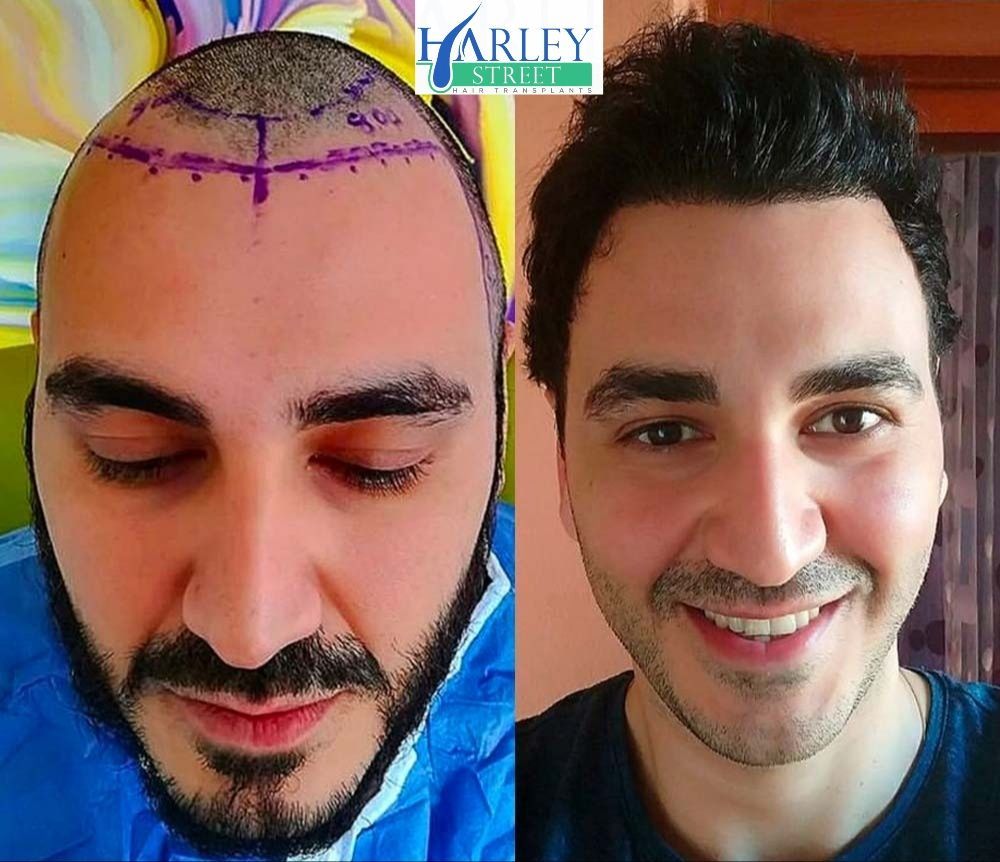
DHI hair transplant result example at Harley Street Hair Transplants

DHI suitability depends on donor area, treatment area, graft numbers and realistic planning.

Method Direct Hair Implantation
Tool Choi implanter pen
Procedure time Usually around 6–8 hours
Cost guide Often £4,500–£7,000+

What is a DHI hair transplant?

A DHI hair transplant is a surgical hair restoration method where grafts are extracted from the donor area and then implanted into the recipient area using an implanter device. The technique is commonly discussed for patients who want careful placement, density planning and hairline refinement.

DHI is closely related to FUE hair transplant because donor hairs are still removed as individual follicular units. The main difference is the implantation stage, where the implanter pen is used to place grafts into the planned area.

Important: DHI is not automatically better than FUE or FUT for every patient. Suitability depends on your donor area, graft requirement, hair type, hair-loss pattern, treatment area, budget and long-term plan.

Who may be suitable for DHI?

DHI may be considered for:

  • selected hairline restoration cases;
  • patients wanting careful placement control;
  • small to medium treatment areas;
  • selected crown or mid-scalp cases;
  • patients suitable for FUE-style extraction;
  • cases where graft angle and direction are especially important;
  • patients who understand cost, recovery and realistic density limits.

DHI may not be suitable if:

  • the donor area is weak or unstable;
  • the area requires more grafts than safely available;
  • hair loss is still rapidly progressing;
  • expectations are unrealistic;
  • medical history makes surgery unsuitable;
  • FUE, FUT, medication or PRP would be more appropriate.

A consultation should compare DHI with FUE, FUT, PRP hair treatment and medication where relevant.

How a DHI hair transplant works

Step 1

Consultation and donor assessment

Your hair-loss pattern, donor area, medical history, hair calibre, expectations and treatment goals are reviewed. The donor area must be strong enough to support the proposed graft number without overharvesting.

Step 2

Hairline or treatment-area design

If the aim is a hairline transplant, the design must be natural, age-appropriate and planned with future hair loss in mind. Crown and mid-scalp cases need a different density strategy.

Step 3

Donor hair extraction

Individual follicular-unit grafts are removed from the donor area using FUE-style extraction. This avoids a linear strip scar, although small extraction marks can still occur.

Step 4

Implantation with a Choi implanter pen

Grafts are loaded into an implanter device and placed into the recipient area according to the planned angle, direction and density. Placement accuracy is especially important for the frontal hairline and visible areas.

Step 5

Aftercare and growth monitoring

You should receive clear instructions on sleeping, washing, spraying, scab care, exercise, shedding, donor-area care and when to contact the clinic. The final result develops over months, not days.

DHI vs FUE vs FUT

DHI, FUE and FUT are different ways of planning and performing hair transplant surgery. The right option depends on the patient rather than the name of the technique.

Technique How it works Key point
DHI Uses FUE-style extraction and implanter-device placement. May suit selected cases where careful angle, direction and placement are priorities.
FUE Individual grafts are extracted and then placed into recipient sites. No linear strip scar, but still creates small round extraction marks.
FUT A strip of donor scalp is removed and dissected into follicular-unit grafts. Can offer graft numbers in selected cases but leaves a linear donor scar.

What can DHI treat?

Hairline recession

DHI may be discussed for selected hairline transplant cases where angle, direction and softness are important.

Crown thinning

DHI may be considered in selected crown hair transplant cases, but crown density requires careful graft management.

Mid-scalp thinning

DHI may help selected patients with thinning across the mid-scalp where donor supply and graft planning are suitable.

Female hair thinning

Some female-pattern thinning cases may be discussed, but medical causes and donor suitability must be assessed carefully.

Transgender hair restoration

DHI may form part of selected transgender hair transplant plans, especially where hairline design is central.

Revision planning

Patients who have had previous treatment may need careful review before any further DHI, FUE or FUT procedure is considered.

DHI recovery and aftercare

The early recovery phase can include redness, swelling, tenderness, scabbing and donor-area sensitivity. Shedding may happen after the first few weeks. This does not automatically mean the transplant has failed.

Aftercare usually includes:

  • sleeping with the head protected and elevated if advised;
  • avoiding rubbing, scratching or knocking the grafts;
  • washing only as instructed;
  • avoiding heavy sweating early on;
  • not picking scabs;
  • following donor-area care instructions.

Growth timeline

Hair transplant growth is gradual. The first two weeks focus on healing, shedding may happen later, and visible growth usually develops over several months.

Seek urgent medical advice if you develop severe pain, heavy bleeding, spreading redness, pus, fever, breathing difficulty, signs of allergic reaction or feel seriously unwell.

DHI hair transplant cost in London

DHI hair transplant cost at Harley Street Hair Transplants is typically quoted after assessment. The current DHI page explains that DHI can cost around £4,500–£7,000+, depending on the severity of hair loss, the number of grafts required and the patient’s individual needs.

Cost depends on:

  • number of grafts needed;
  • hairline, crown or mid-scalp treatment area;
  • case complexity;
  • donor-area suitability;
  • whether the procedure is shaved or partially unshaven;
  • aftercare and review requirements.

View prices and book

A proper quote should follow consultation and donor assessment. You can view the price guide or book a consultation to discuss DHI suitability.

Why DHI is not suitable for everyone

DHI can be useful in selected cases, but it should not be chosen simply because it sounds more advanced. Some patients are better suited to FUE, FUT, PRP, medication or a staged approach.

Donor limits

The donor area still controls what is possible. DHI does not create extra donor hair.

Density limits

Natural density, hair calibre, graft survival and safe spacing all affect the final appearance.

Future hair loss

Ongoing native hair loss can still affect results, so long-term planning matters before surgery.

Google reviews

Patient reviews can help you understand the consultation process, treatment experience, aftercare and communication before booking. Read current Google reviews alongside your consultation, treatment plan and realistic expectations.

Reviews may not display inside the Snapps editor. Republish and check the live page in a normal browser tab.

Our Harley Street clinic

Harley Street Hair Transplants

Address: 22a Harley Street, London W1G 9PF

Phone: 02080881333

Email: info@harleystreethairtransplants.org

Before your consultation

Think about when your hair loss started, whether it is stable, any medication or PRP you have tried, your styling goals, your budget and what result you realistically want to achieve.

Frequently asked questions

What does DHI stand for?

DHI stands for Direct Hair Implantation. It usually refers to FUE-style donor extraction with implanter-device placement into the recipient area.

Is DHI the same as FUE?

DHI and FUE are closely related because both usually use individual follicular-unit extraction. The main difference is the implantation stage, where DHI uses an implanter device.

How long does a DHI hair transplant take?

The current DHI page explains that the procedure typically lasts around 6–8 hours, although timing depends on the case, graft numbers and treatment plan.

How much does DHI cost?

DHI cost is usually confirmed after assessment. The current DHI page explains that DHI can cost around £4,500–£7,000+, depending on the severity of hair loss and individual needs.

Can DHI be done without shaving?

The current DHI page explains that the technique can be carried out with or without shaving in selected cases. Suitability depends on hair type, treatment area and graft numbers.

Is DHI better than FUE?

DHI is not automatically better than FUE. The best option depends on donor area, hair-loss pattern, graft requirement, treatment area, budget and realistic expectations.

When will I see DHI results?

Growth develops gradually over months. Shedding can happen before regrowth, and the final result should not be judged too early. Read the hair transplant timeline for more detail.

How do I book a consultation?

You can use the contact page, call 02080881333 or email info@harleystreethairtransplants.org.

Book a DHI hair transplant consultation

Speak to Harley Street Hair Transplants about DHI, FUE, FUT, donor-area suitability, hairline design, crown planning, cost, recovery and realistic expectations before deciding whether treatment is right for you.

UK guidance: NHS hair transplant information · GMC cosmetic interventions guidance · CQC complaints information