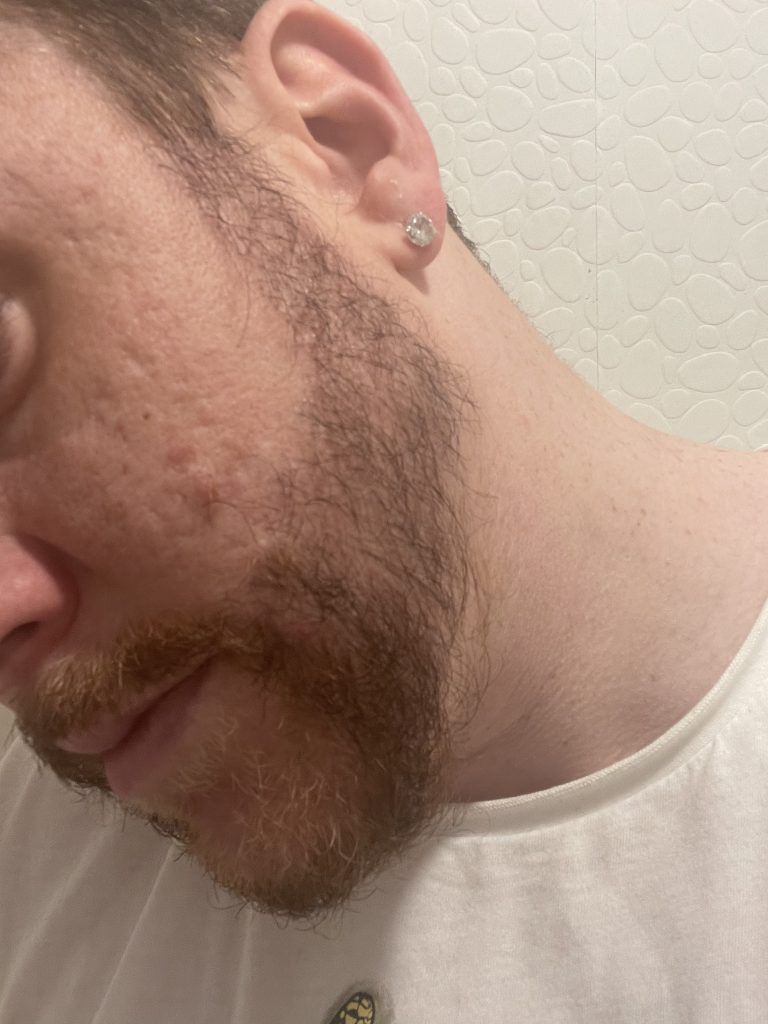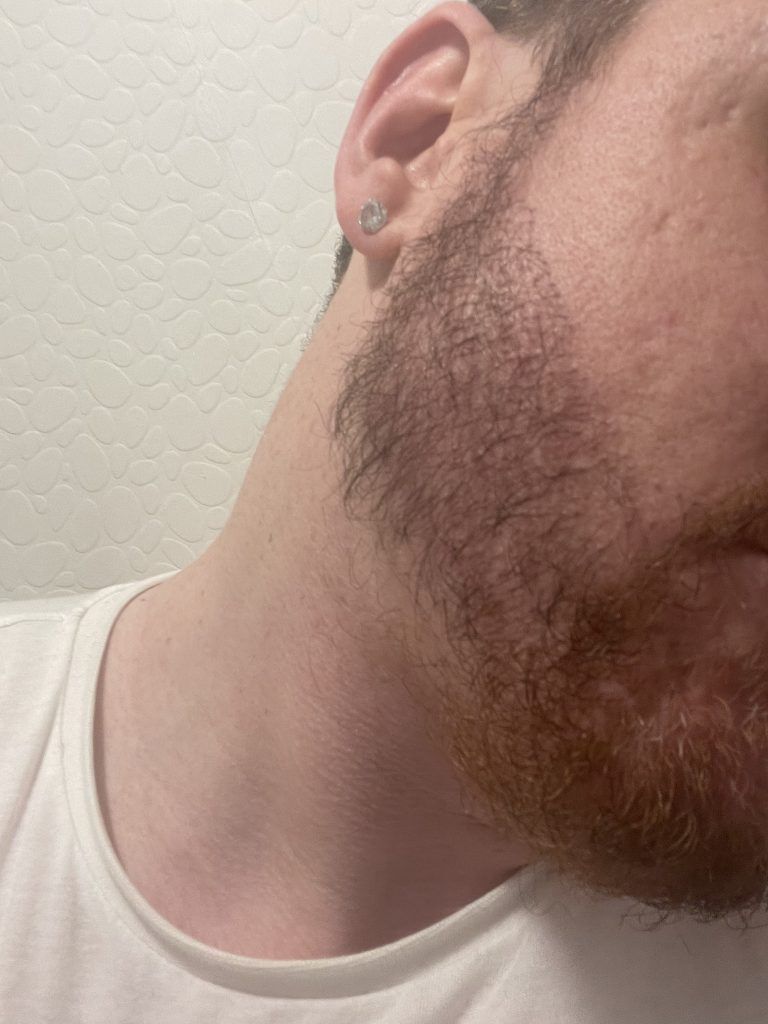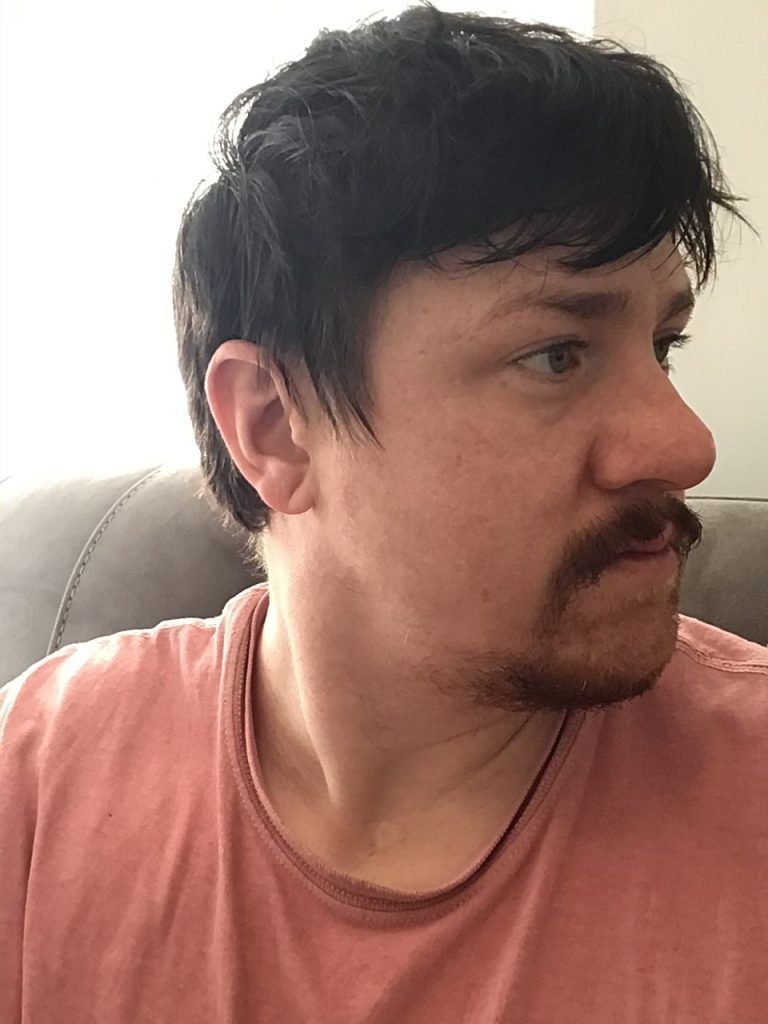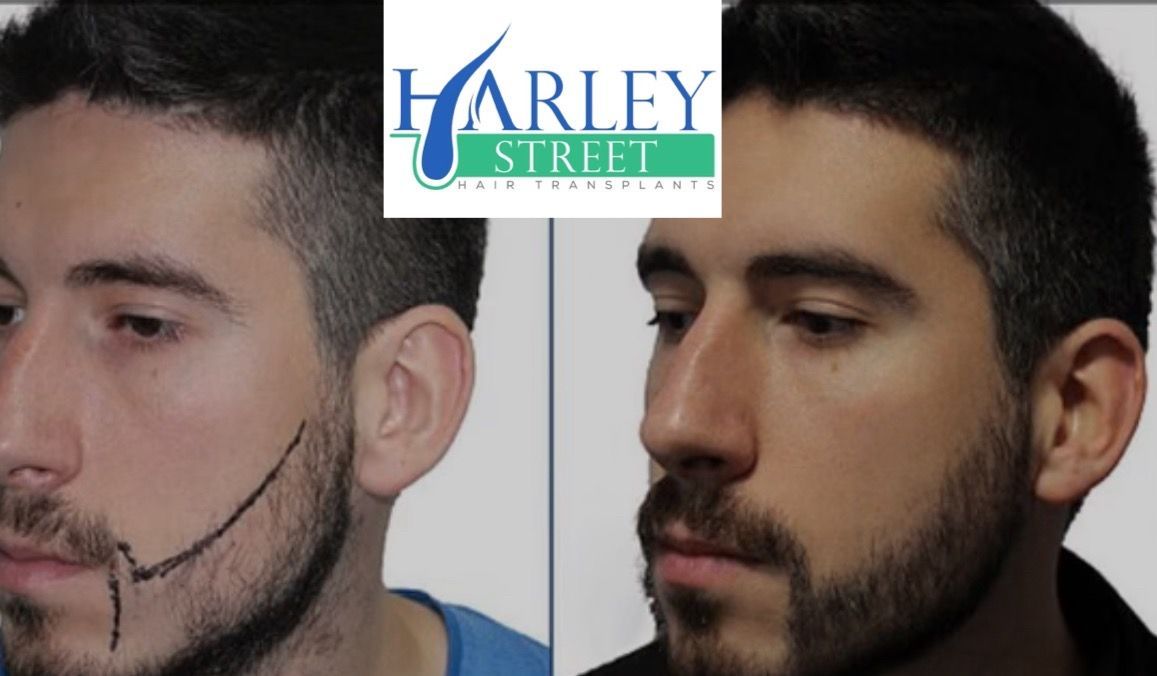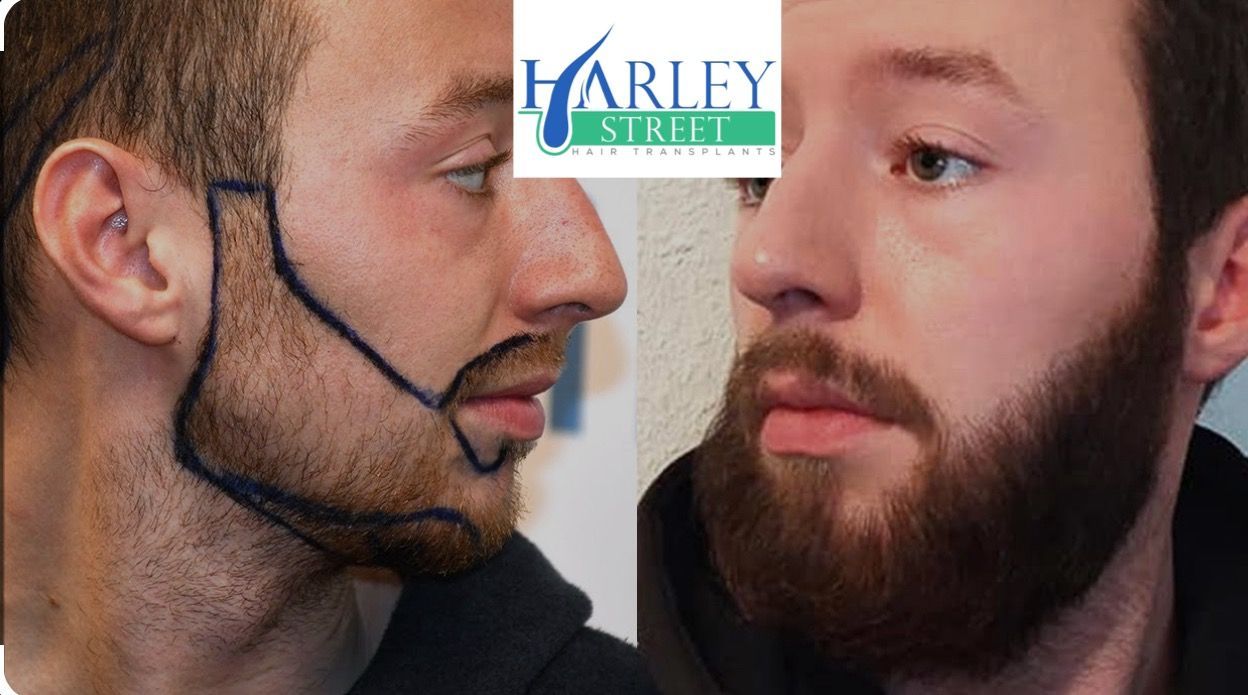
Beard before and after
Patient Result
Method
FUE
Area
Beard
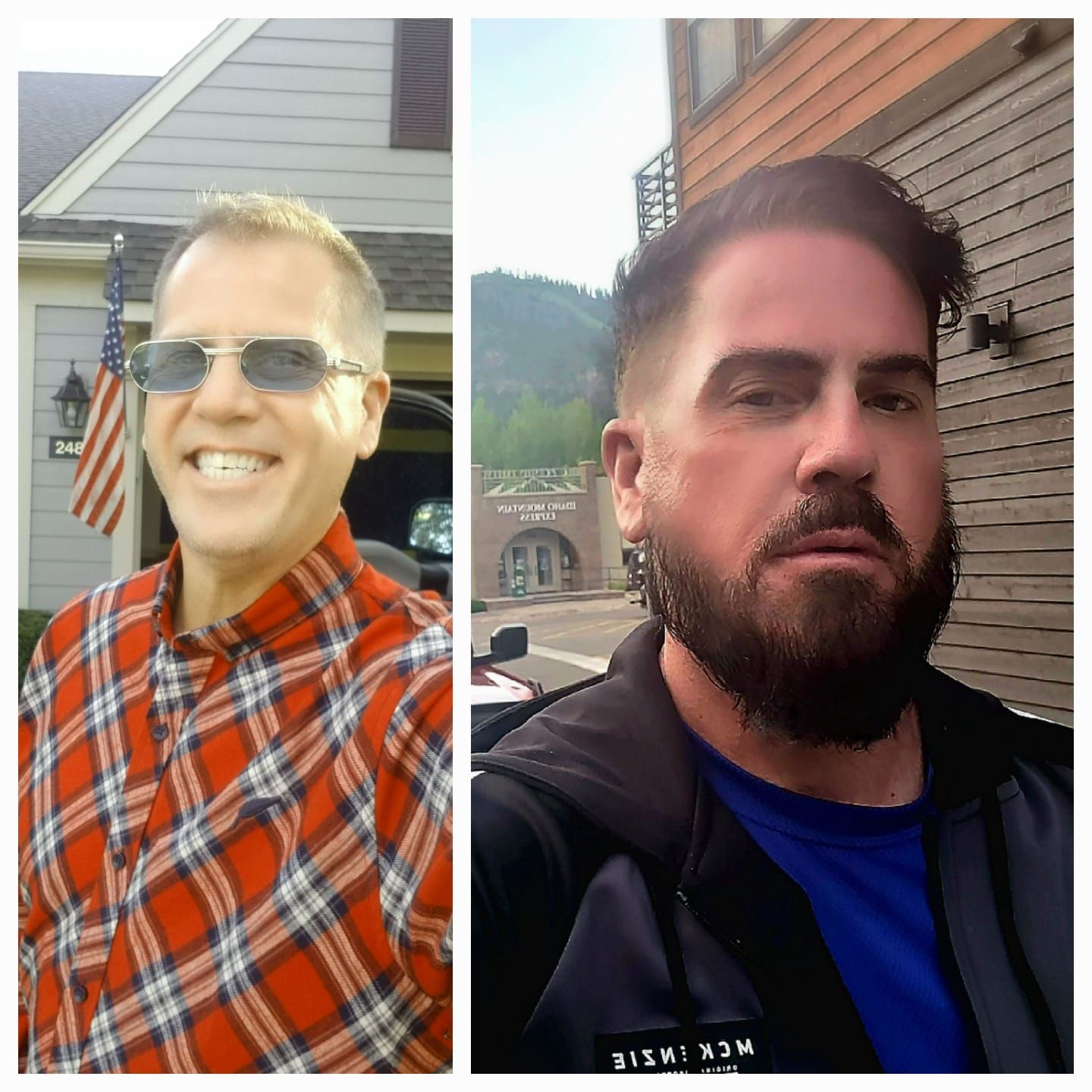
A beard transplant uses your own donor hair to strengthen patchy or sparse growth across the cheeks, jawline, moustache, chin, goatee or sideburns.
The procedure is normally performed using FUE. Individual follicular units are removed from the scalp donor area and placed into the face at angles that follow the natural direction of beard growth.
Dr Harpreet Kalra assesses your existing facial hair, skin, donor supply and preferred beard shape before explaining the density and coverage that can be achieved.
A beard transplant is a facial-hair restoration procedure that moves healthy follicles from a suitable donor area into parts of the beard where growth is weak, uneven or absent.
Donor hairs are normally taken from the back and sides of the scalp using FUE. The follicular units are removed individually, examined and then placed into the areas included in the agreed beard design.
Treatment can concentrate on a small gap or cover wider areas across the cheeks, jawline, chin, moustache, goatee and sideburns. A beard transplant can also be used to place hair through selected facial scars after the skin and scar tissue have been assessed.
Facial hair changes direction as it moves from the sideburns across the cheeks, around the mouth and underneath the jaw. The grafts cannot be placed at one repeated angle across the whole face.
The surgeon adjusts the direction, depth and spacing of the recipient sites throughout the beard. Fine single-hair grafts are used along visible borders to create a softer transition, while suitable multi-hair grafts can be placed farther inside the beard to build coverage.
The final design must suit the patient’s facial proportions and connect naturally with any beard hair already present. The amount of density that can be created is limited by the quality and quantity of hair available in the donor area.
Beard transplantation uses the same FUE extraction method as many scalp procedures, but the design and placement are different. Facial hair changes direction over short distances, and errors in angle are much harder to disguise on the face.
The first appointment is used to understand which areas are causing concern and what type of beard the patient wants to create. Existing facial-hair growth, skin condition, scars, medical history and previous treatment are reviewed alongside the scalp donor area.
The donor assessment looks at hair calibre, curl, colour and the number of follicular units that can be removed without leaving the back and sides visibly thin. Scalp hair is not identical to beard hair, so the likely difference in texture and future grooming must also be discussed.
The beard is marked before surgery begins. Depending on the treatment, this can include the upper cheek line, sideburn connection, jawline, moustache, chin or goatee.
The design should suit the shape of the face and connect naturally with any facial hair already present. A cheek line drawn too high or too sharply can look artificial even when the grafts themselves grow well. The proposed outline is therefore reviewed with the patient before it is finalised.
The agreed donor area is trimmed before local anaesthetic is administered. Follicular units are then removed individually using FUE and examined as they are collected.
Single-hair grafts are separated from units containing two or more hairs. That distinction matters because visible beard borders need finer grafts, while the central cheeks, jawline and chin can use stronger follicular units to build coverage.
Local anaesthetic is applied to the facial treatment area. The surgeon creates the recipient sites according to the direction, angle and spacing agreed in the design.
The prepared grafts are then placed into those sites. Direction changes across the cheeks, turns beneath the jaw and becomes shallower around the moustache. The placement plan has to follow each of those changes rather than treating the beard as one flat area.
A beard transplant is completed as a day procedure. Before leaving, the patient receives instructions covering the scalp donor area, facial washing, saline spray, sleeping, exercise, shaving and protecting the new grafts during early healing.
A beard transplant is not simply a question of placing as many grafts as possible into the face. The outline, direction and distribution of those grafts decide whether the result blends with the patient’s natural facial hair.
Beard growth is rarely perfectly symmetrical. One cheek can sit higher than the other, the moustache can grow more strongly on one side and the direction beneath the jaw can change abruptly. A convincing design works with those differences instead of drawing a rigid, identical shape on both sides of the face.
Cheek hair generally grows outward and downward. The hairs along the upper border are often finer and more widely spaced than those lower in the beard.
Single-hair grafts are used to soften this visible edge. A perfectly straight or densely packed upper line can look drawn on, particularly when the beard is worn short.
The jawline connects the cheeks to the chin and changes direction as it passes beneath the face. Grafts have to follow that curve rather than continuing at the same angle used higher on the cheek.
Sideburn work also needs to connect with the scalp hair above. The transition should make sense whether the patient wears the beard long, closely trimmed or cleanly shaped around the ears.
The chin usually carries stronger and more upright facial hair. Greater density can be placed here when the donor supply allows, but the grafts still have to follow the changes in direction around the lower lip and corners of the mouth.
Moustache hairs grow laterally and downward towards the lip. Recipient sites must be shallow because an upright graft is immediately noticeable in this area.
The moustache also needs a natural relationship with the goatee and cheeks. Filling it as a separate solid strip can leave the finished beard looking disconnected.
Fine single-hair grafts are most useful along cheek borders, moustache edges and other highly visible transitions. Follicular units containing more than one hair can be placed farther inside the beard to increase coverage through the cheeks, jawline and chin.
This distribution creates a softer outline with stronger density behind it. Using multi-hair grafts directly along the edge can make the result look coarse and unnatural.
Suitability depends on why the facial hair is weak, the condition of the skin and whether the scalp donor area can provide enough suitable grafts for the beard being planned.
A beard transplant is commonly performed for people who:
Active alopecia areata or alopecia barbae can affect both existing and transplanted facial hair. Surgery is normally postponed while the condition remains active.
Facial infection, active inflammation and uncontrolled skin conditions also need to be treated before transplantation is considered. Placing grafts into unhealthy or inflamed skin can compromise healing and growth.
The donor supply sets the limit on coverage. If the scalp donor area is too weak, surgery cannot produce the requested beard density without risking visible thinning at the back and sides of the head.
Selected scars can be treated, but graft growth through scar tissue can be less predictable because the skin and blood supply may differ from unaffected facial skin.
There is no single graft number for a beard transplant. A small gap between the moustache and goatee requires a very different plan from rebuilding both cheeks, the jawline and chin.
The estimate is based on the surface area being treated, how much facial hair is already present and the density the donor supply can support. Hair calibre, curl and the number of hairs contained in each follicular unit also affect the coverage created by a given number of grafts.
A defined patch can require approximately 300–800 grafts, depending on its size and location. This type of procedure adds hair to specific weak areas without changing the overall shape of the beard.
Restoring one or both sideburns generally uses around 400–600 grafts. The design must connect with the scalp hair above and the cheek or jawline below.
Combined work through the upper lip and chin commonly requires approximately 1,200–1,800 grafts. The exact number depends on whether the treatment is adding density to existing growth or building areas where little facial hair is present.
Wider restoration across the cheeks, jawline, chin, moustache and connected beard areas can require 2,500–3,000 grafts or more. A procedure of this size places a greater demand on the donor area and must be planned around the patient’s available supply.
These figures are working ranges rather than guaranteed totals. The final graft estimate should only be agreed after the face, existing beard and scalp donor area have been examined.
Beard transplant treatment generally costs between £3,499 and £7,000. The final quotation depends on the surface area being restored, the proposed beard design, the donor hair available and the amount of surgical work required.
A small patch repair sits at the lower end of the price range. Wider restoration across the cheeks, jawline, moustache and chin requires more grafts and more time in surgery.
The price should be confirmed after the face and donor area have been examined. Your quotation should identify the areas being treated, the expected graft range, the total procedure cost and the aftercare included. Finance is available, and current prices can be found on our treatment cost page.
The first two weeks cover the main early healing period. Mild redness and swelling can appear around the beard, and small crusts form around the implanted hairs.
The recipient area must not be rubbed, scratched or picked while the grafts settle. Saline spray should be used according to the instructions provided, and the face should only be cleaned in the way demonstrated by the clinic.
Sleeping in the advised position helps prevent the newly treated area from rubbing against bedding. Strenuous exercise, heavy sweating and direct pressure on the beard are avoided during early recovery.
Do not shave the recipient area until the clinic confirms that the skin and grafts have healed sufficiently. Shaving too early can disturb the crusts and irritate the treated skin.
The scalp donor area has its own washing and healing instructions. These should be followed separately from the facial aftercare plan.
Read the full hair-transplant aftercare guide before treatment.
Redness, tenderness and mild swelling can appear around the donor and beard areas. The new grafts must be protected from contact.
Small crusts form around the implanted hairs. They should not be scratched, rubbed or removed by force.
Many transplanted hair shafts begin to shed. This is expected and does not mean the follicles have been lost.
New facial hairs begin to emerge. Early growth may look fine or uneven before the texture and density develop.
Coverage becomes more visible as the transplanted hairs thicken and blend with the existing beard.
The later result is assessed once growth, texture and direction have had time to mature.
Dr Harpreet Kalra, GMC reference 7126076, assesses the pattern of facial-hair growth, the condition of the skin, the donor supply and the beard shape being requested.
The consultation covers the areas to be restored, the position of the cheek and jaw lines, graft requirements, donor impact, recovery and the density that the available hair can realistically produce.
Transplanted scalp hair can grow differently from natural beard hair. Regular trimming and shaping may therefore be needed once the result has matured.
Book a Beard Consultation
Beard transplantation is normally performed using FUE. Individual follicular units are removed from a suitable scalp donor area and placed into the planned facial zones.
Donor grafts are usually taken from the back and sides of the scalp. The exact area is chosen after the hair calibre, density and follicular grouping have been examined.
It can be used to restore defined beard gaps, weak cheek density, sideburn gaps, thin moustache growth and wider areas of sparse facial hair where the donor supply is suitable.
Each recipient site creates a tiny opening in the skin. These normally heal without a long linear scar, although all surgery carries a risk of visible marking or altered skin texture.
Do not shave the recipient area until the clinic confirms that the grafts and skin have healed sufficiently. Follow the instructions supplied for your procedure.
Local anaesthetic is used in the donor and recipient areas. The injections can feel uncomfortable, but the treated areas should then remain numb during the surgical stages.
New growth develops gradually after the early shedding phase. The later result is generally assessed between 9 and 14 months.
Treatment generally costs between £3,499 and £7,000. The final price depends on the treatment area, beard design, graft requirement and donor hair.
Rated 4.8 out of 5 on Google
Excellent overall service.
Paul BassooVery satisfied with my results.
EnzoGreat experience.
Subhan BuzdarI felt listened to throughout the process.
Muhammad Mohsin SaddiqueA very professional service.
Ummad RehmanStaff were friendly and helpful.
Muhammad Saleem Popalzai