Blog Details
HOME > BLOG DETAILS
Chrissy Teigen’s eyebrow transplant and the choice of donor hair
Which scalp hairs make a good match for an eyebrow transplant? Chrissy Teigen told followers where her donor hair came from. The finer question is which strands a surgeon would choose for each part of your brow.
Dr Jyotsna Kumari

Contents
- What Chrissy Teigen actually shared
- What makes a scalp hair a good match?
- A hair that curves towards the skin
- What happens to a scalp hair once it reaches the brow?
- Where will hair be taken from?
- How to read a before-and-after photograph
- The first weeks and the months that follow
- Questions and answers
What Chrissy Teigen actually shared
Chrissy Teigen said the hair used to restore her eyebrows came from the back of her head. The choice sounds straightforward until you put a scalp hair beside one from the tip of a brow. Look at the thickness, the bend and the length each reaches. Those differences shape the result long after the surgery has healed.
The original Instagram Stories were posted in November 2021. Glamour’s contemporary report describes Teigen showing her new brows and speaking about the plucking she did when she was younger. Wimpole Clinic’s account of her transplant also follows the later photographs. Teigen did not disclose a graft count or a fee. Neither figure can be worked out by counting visible hairs in a picture.
What makes a scalp hair a good match?
Ask the surgeon to point out the hairs they would consider taking and compare them with your own brows. A fine, gently curving strand might sit comfortably at the edge. A thicker strand may make more sense among the overlapping hairs in the body. Colour is only part of the match, and a bright consultation light can make pale hairs particularly hard to see.
Our Harley Street donor-area guide explains the idea of donor supply. For an eyebrow procedure, go one step further and ask how the surgeon will choose among the available hairs. The number of grafts alone says little about whether the finished brow will feel soft at the nose or taper naturally at the temple.
A hair that curves towards the skin
Follow a natural brow hair from root to tip. It leaves the skin at an angle and then curves. Adjacent hairs often overlap. If a graft is placed with its curve turning away from the skin, the end may stand proud even after a trim. From the front it can look like enough coverage; a three-quarter view tells you something else.
At a Harley Street eyebrow assessment , ask to look at a healed result from both angles. Pick a feature you care about, perhaps a light inner edge or a narrow tail, and ask how the surgeon would approach it with your own donor hair. That makes for a more useful conversation than asking for the same graft count as somebody else.
What happens to a scalp hair once it reaches the brow?
A donor hair can be fine and still grow much longer than a natural eyebrow hair. As the British Association of Aesthetic Plastic Surgeons explains, the follicle carries its growth pattern with it when it is moved. When the surgeon shows you a possible donor area, ask to see a strand against the brow hairs at the inner edge and the tail. That makes it easier to talk about thickness and curl as well as the trimming you may need.
If you are considering treatment, ask to see the donor hair before the outline is finalised. Look at its thickness, curl and colour next to the shortest hairs in your brow. Then ask how it might look once it has grown long enough to bend. A close view of a healed example is especially useful if you normally wear your brows without gel.
Where will hair be taken from?
If you wear your hair short, part it or tie it back, show this at the appointment. Ask the surgeon to indicate the proposed donor patch in a mirror, how much hair they expect to trim and what aftercare that area will need. Your brow and the small area supplying it both have to heal.
Ask what record you will receive of the donor site and what to mention at follow-up if it feels uncomfortable. Then return to the choice of hair in the brow itself. Understanding both areas gives you a clearer idea of what you are consenting to and what day-to-day maintenance may involve.
How to read a before-and-after photograph
Check when both pictures were taken. A new graft can be visible on the day it was placed, long before you can judge the length, curl or direction of the hair that will grow. Look at both brows in the same light and ask whether make-up, gel or trimming contributed to the change you see. Even a slight lift of the forehead changes where the arch sits.
In the Harley Street clinic’s patient gallery, look for the treatment area and the interval since surgery in each caption. A scalp photograph cannot show you how an eyebrow lies. Ask for a healed brow example with a starting point like yours, ideally one photographed from the front and at an angle. A patient whose aim was to fill a scar may be a poor comparison for someone who wants fuller tails on both sides.
The first weeks and the months that follow
The skin and hair recover on different schedules. Early crusting can make a freshly placed line stand out. Some shafts may shed before new ones appear. Leave crusts alone and follow the instructions your own team gives you about washing, returning to exercise and using make-up around the eyes. For severe pain, worsening swelling or pus, contact the treating team promptly.
Use the clinic’s aftercare guide to prepare your questions, then get instructions specific to your brows before going home. Ask who will review photographs if you are worried between visits and when the team wants to see you in person. Once the brow is comfortable and the new hairs are established, the next review can focus on the way they actually sit.
Questions and answers
Does the finest available donor hair always belong at the front?
The choice depends on the hair already present and the direction it grows. Ask the surgeon to show the intended transition from the inner edge through the body to the tail, using your existing brow as the reference.
Can I see the donor area at follow-up too?
Yes, ask your surgeon to look at both areas. If you usually wear the hair tied up, wear it that way at the appointment. It makes it easier to discuss how the donor area looks with the hairstyle you use every day.
What would be useful to take to my first appointment?
Bring a clear photograph without make-up, one showing the brows as you normally wear them and any older image that shows how they have changed. When you contact the Harley Street clinic, mention any previous brow procedures or scars so the team can tell you what information to bring.
Photograph
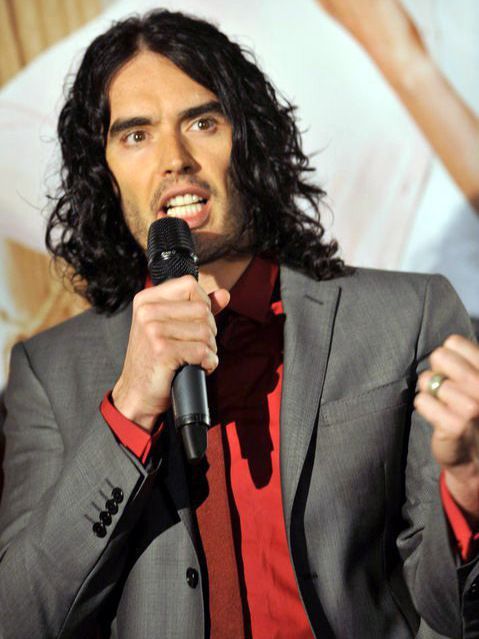
Portrait of Chrissy Teigen at the NBC Upfront, May 2019, two years before her procedure. Adweek via Wikimedia Commons · CC BY 3.0.