
Contents [show] [hide]
Hair Loss Retreatment in London
An earlier transplant can leave you with a straight row of thick hairs, gaps you can see through, or a scar that shows at your usual haircut length. Sometimes the result looked right for years before the hair behind it began to thin.
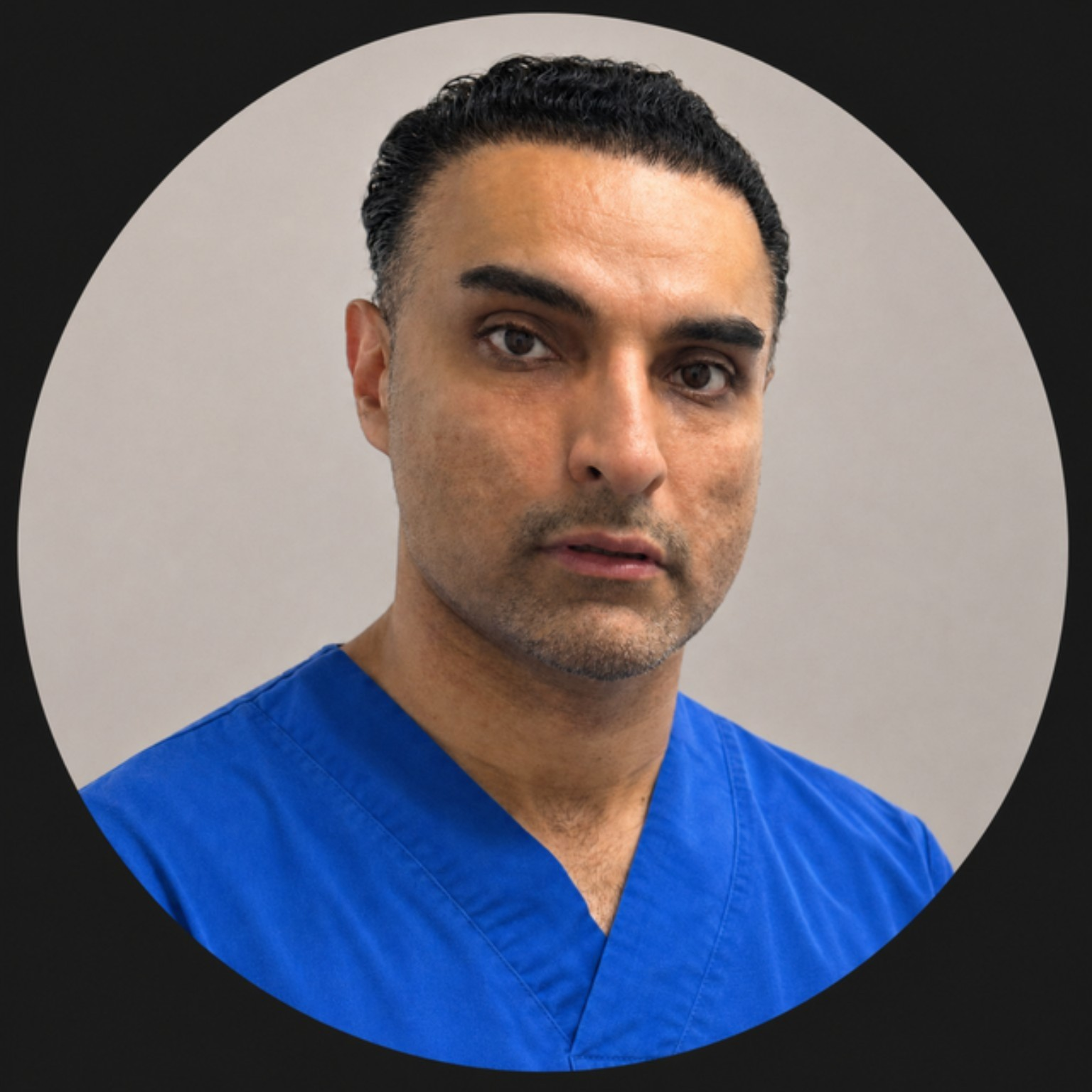
At Harley Street Hair Transplants, Dr Harpreet Kalra examines the original grafts and the hair that remains at the back and sides. That assessment helps you decide what could be repaired, how much coverage is realistic and whether another operation is worthwhile.
Why patients seek hair loss retreatment
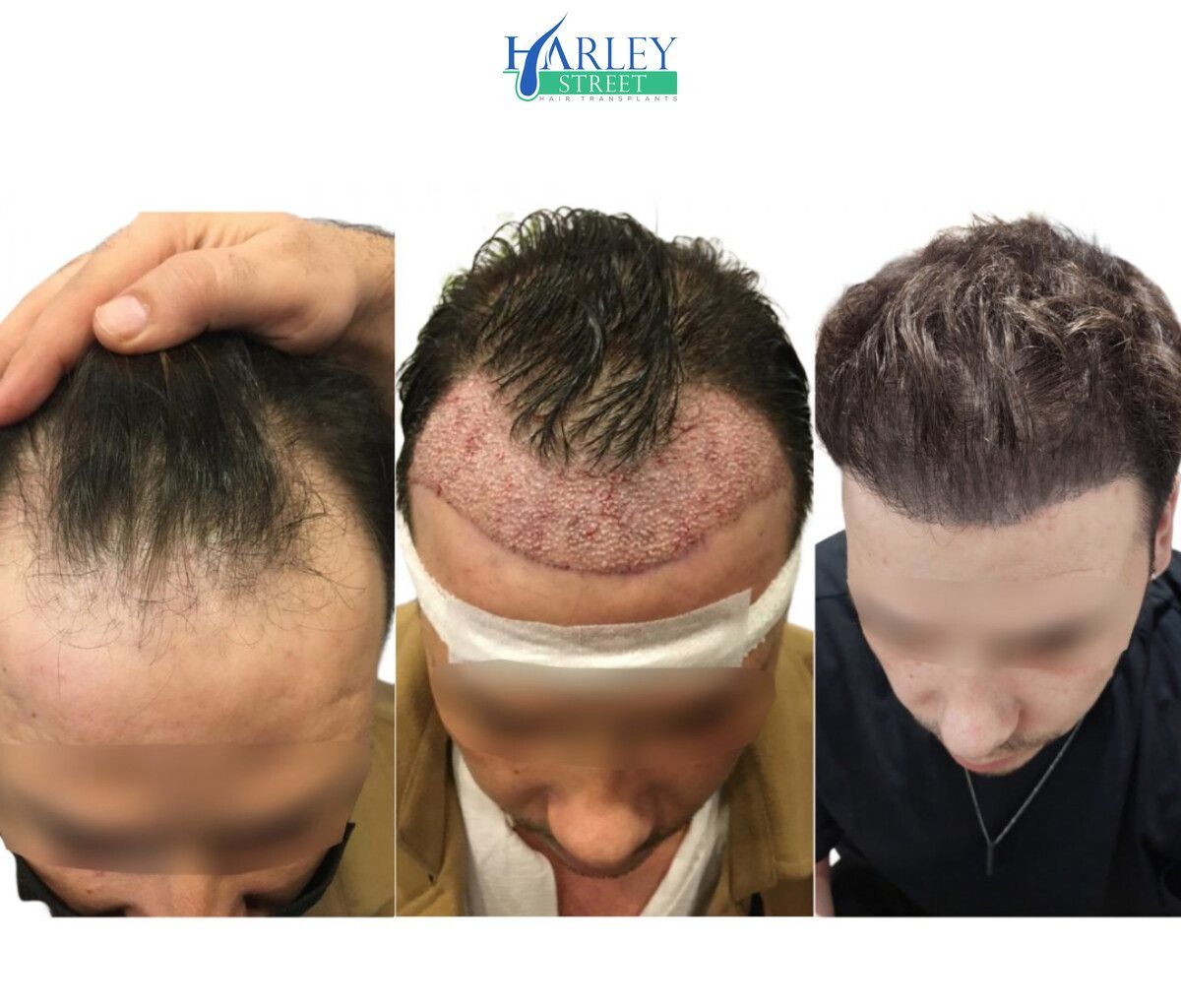
A hairline that draws attention
A straight row of coarse grafts can catch the light even when the hair behind it is thick. An old photograph can show whether the grafts always looked that way or became more visible as the surrounding hair thinned. The distinction changes what a repair can achieve.
A technique that fits the problem
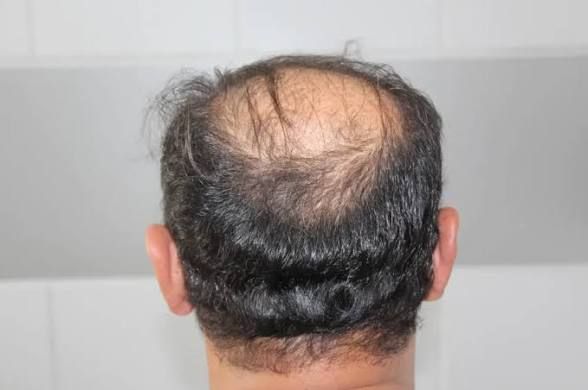
If the donor area looks patchy when you have a short haircut, taking more hair from the same place could make it show even more. Dr Kalra assesses the spacing of previous extractions and the thickness of the remaining hair before discussing where any new grafts could come from.
Planning a more complex repair
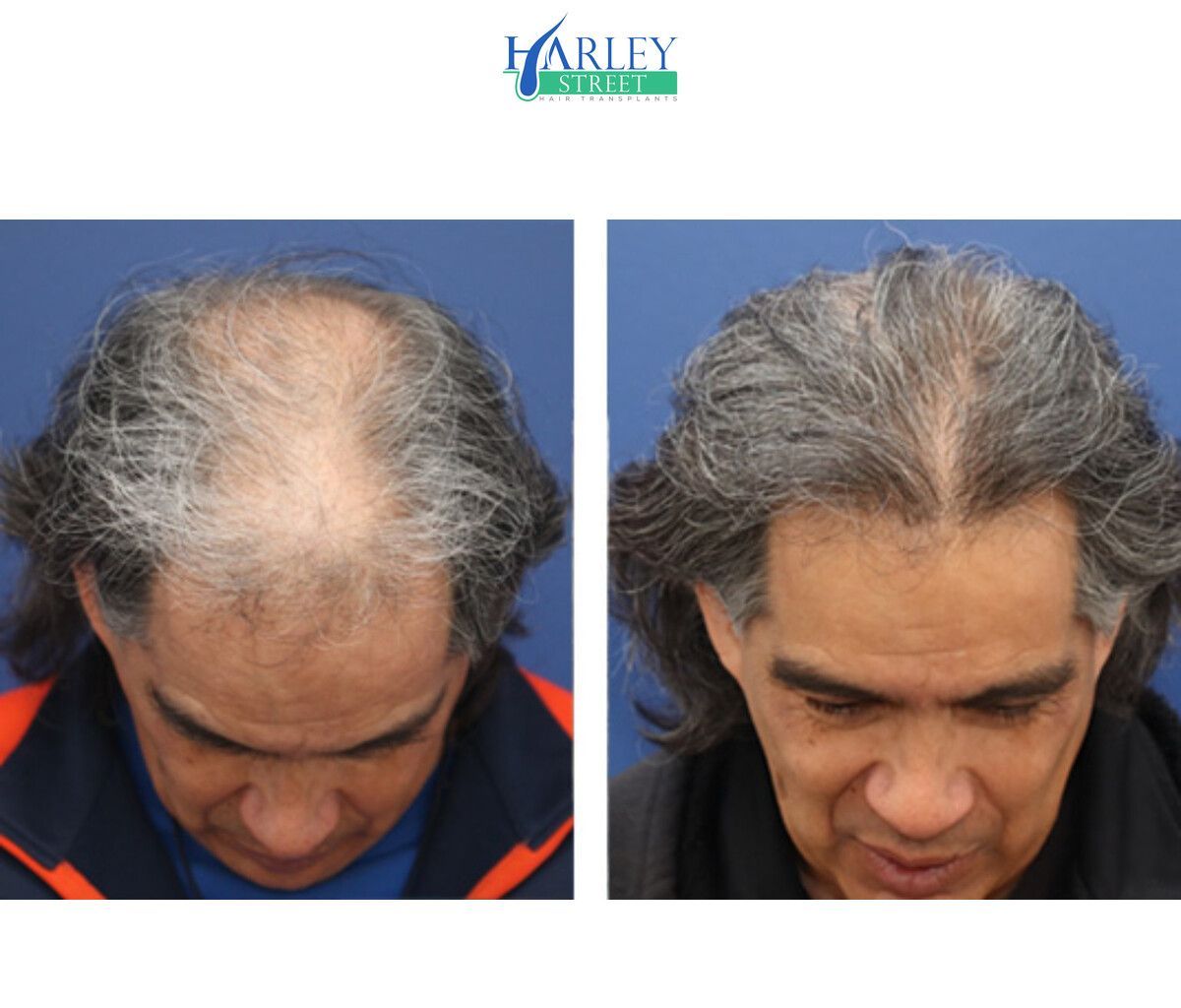
Someone with both exposed plugs and a thin crown may care most about the view from the front. Agreeing on that priority helps the surgeon plan where to place a limited supply of grafts. A staged repair also leaves time to see how the first area heals before treating the next.
Getting a second opinion after a transplant
If the first operation fell short, you may be reluctant to put yourself through another one. Start with the detail you notice every day. Is it the temple that looks square in photographs, the patch you can see through in daylight, or the strip scar your barber has to work around?
At a consultation you can compare your original photographs with the result today, ask what explains the difference and hear what another procedure would involve. You can take that information away before making a decision.
“they have kept in touch with me throughout making sure I was ok and nothing was too much for them” Craig Collins, Harley Street Google review
Hair transplant photographs before and after
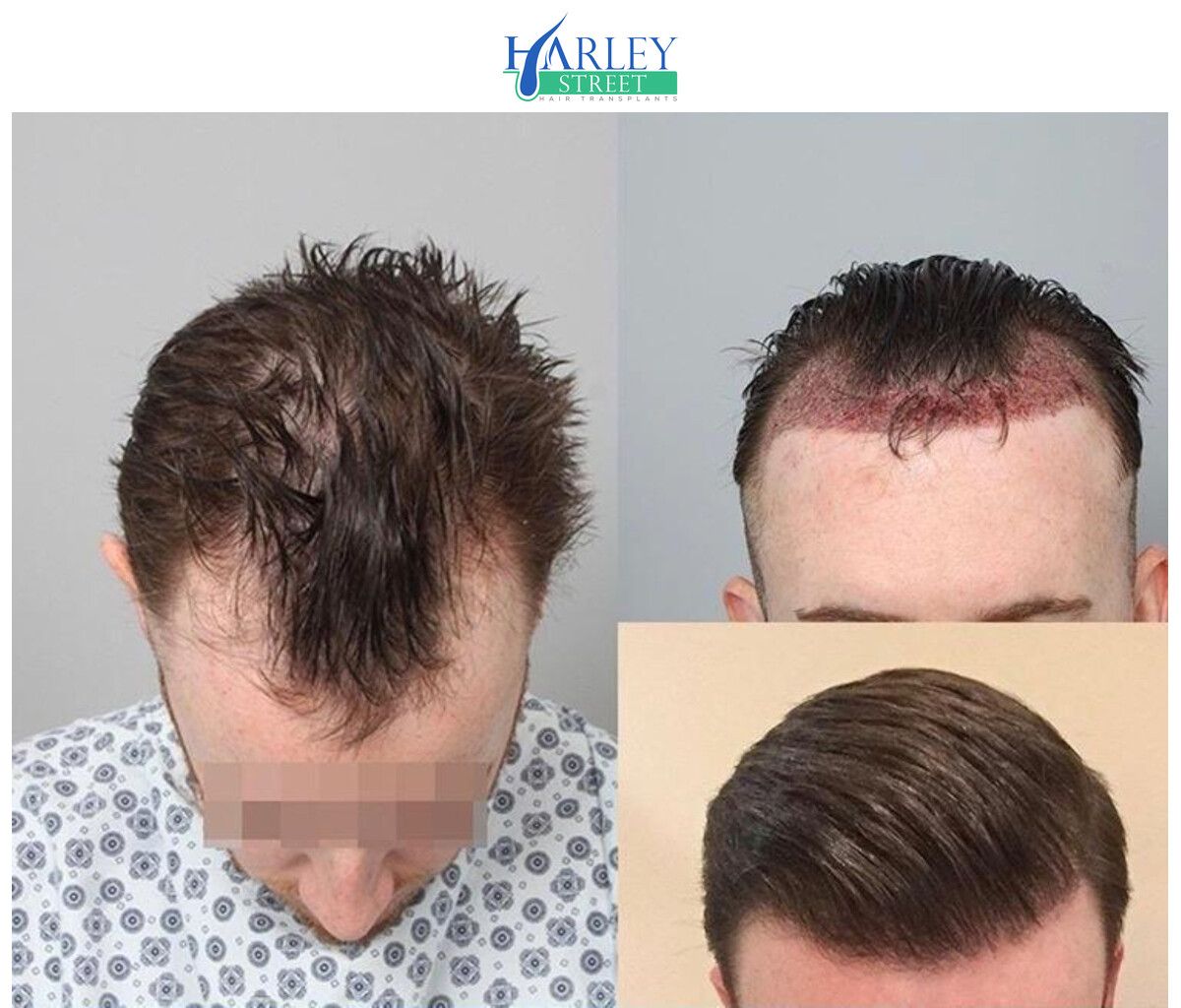
These Harley Street cases show how hairlines and coverage change after a transplant. For a revision, ask to see a case with a similar starting hairline, scar or donor area to yours.
Common problems after a hair transplant
Hairline density
You may see scalp through the front even though the original grafts have grown. Compare the thickness of the transplanted hairs with the hair immediately behind them. A gap that has widened over several years can be a sign of continuing loss of your own hair.
Over-harvesting
Taking too many grafts from one part of the donor area can leave thin or bare patches. Hair length can hide these until you cut the back and sides short. Repair planning starts with how much hair is left and where it can safely be taken.
Visible scarring
A strip operation leaves a line, while individual FUE extractions can leave small round marks. A mature scar may be suitable for camouflage with grafts. Skin thickness, blood supply and the direction of the surrounding hair affect the coverage possible.
Widely spaced plugs
Older grafts sometimes contain a conspicuous tuft of several hairs. If the finer hairs around them recede, separate islands of growth can appear across the front. The surgeon looks at their spacing, direction and height before deciding whether to remove or soften them.
Your consultation with Dr Harpreet Kalra
Bring the date of your previous operation, the graft count and any surgical notes you have. Photographs from before surgery, when the result looked its best, and as it is today are particularly helpful. Let Dr Kalra know if you usually wear your hair shorter than it is on the day.
The examination includes the skin under the old grafts, existing scars, and the hair that could be used for a repair. Ask how much of the change you want is possible, which marks would remain and how the plan would hold up if you lost more hair later.
Can exposed plugs or an uneven hairline be corrected?
When the plugs become visible
A hairline that once blended in can start to look uneven as the fine hair between the grafts disappears. Viewed from above, the thicker tufts can stand out in a row. At the temples, hairs placed upright may point away from the direction in which you normally comb them.
What a repair may involve
If the front sits at a suitable height, fine single-hair grafts may soften the edge. With a low hairline or badly angled plugs, adding another row could make the problem more obvious. Selected grafts may instead be removed, divided where possible and repositioned. There can be small marks where grafts are removed.
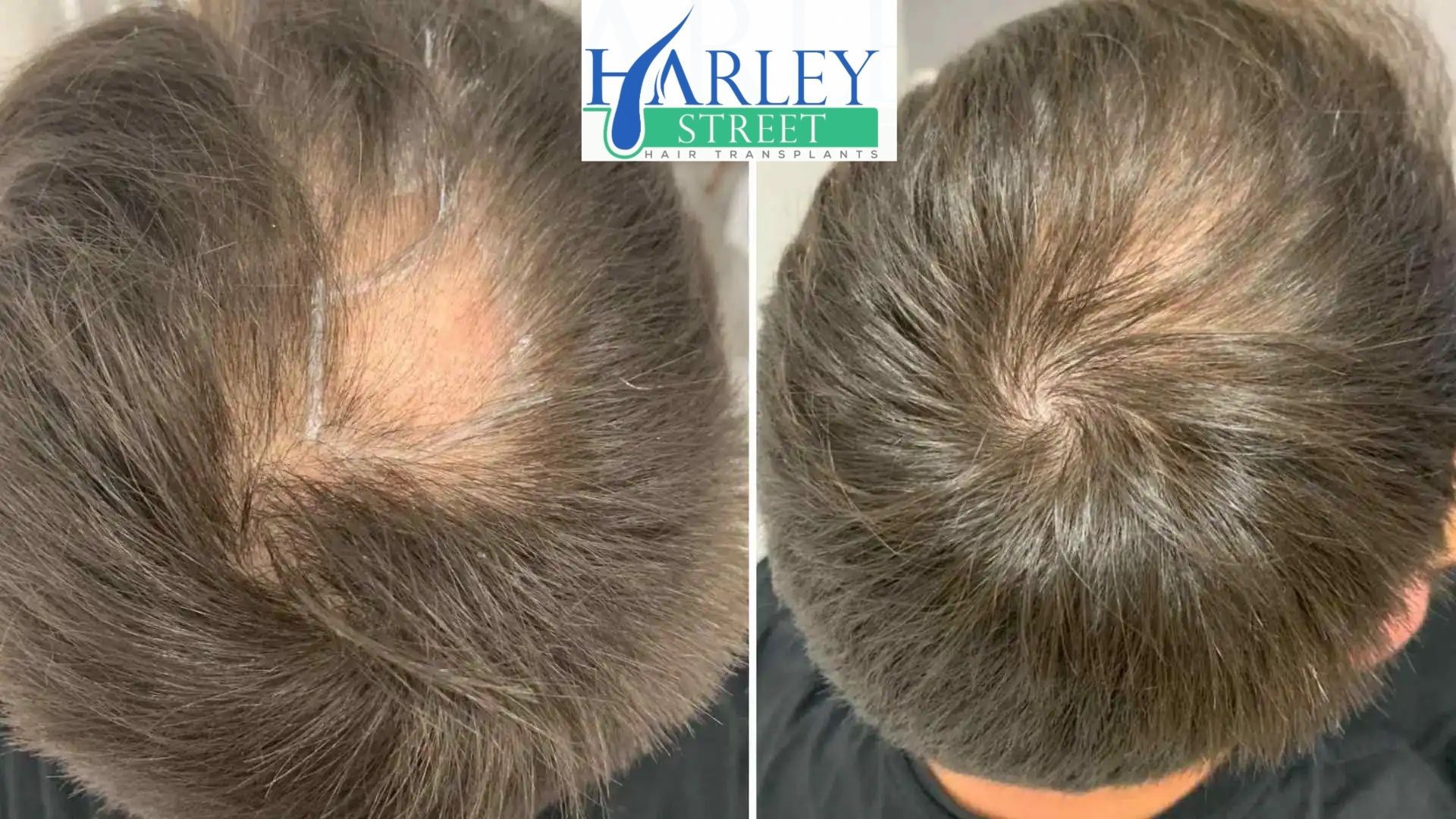
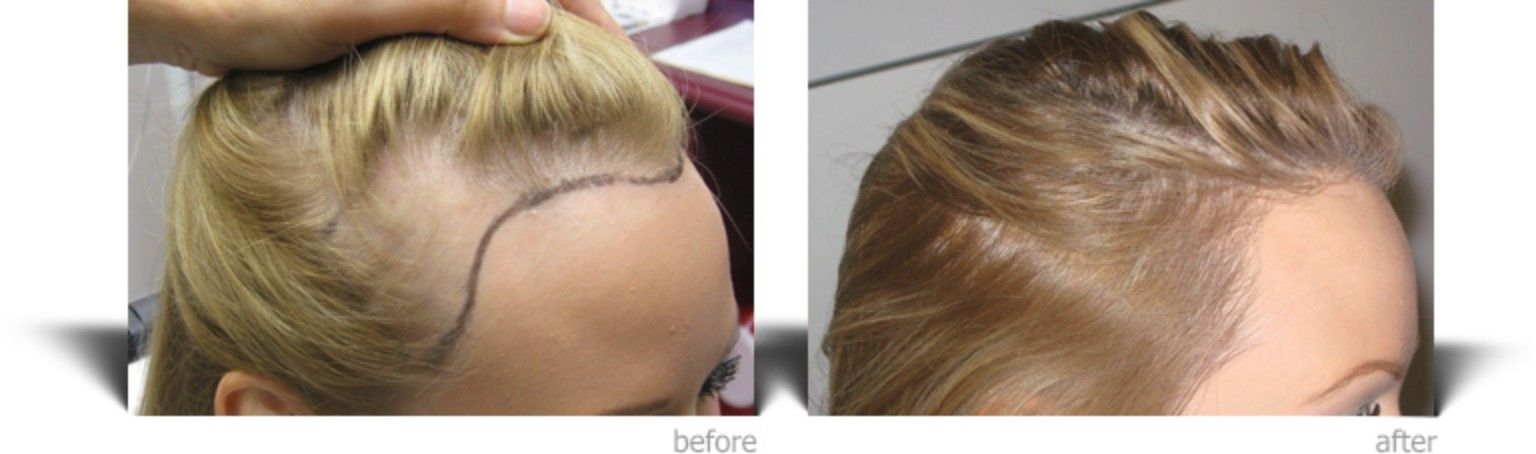
Reading a before-and-after photograph
Look at the front edge as well as the area behind it. Similar lighting, angle and hair length make a comparison easier to judge. Ask to see the donor area too, particularly if a visible scar is the reason you are considering more surgery.
Who is a candidate for hair loss retreatment?
A review can help if an older technique has left visible plugs, if the first result has changed, or if you have concerns about the care you received. Suitability for surgery depends on the cause of the problem, the health of the scalp and what can safely be achieved with the remaining donor hair.
You received an older treatment
Large grafts and tightly spaced rows can look different from naturally occurring groups of hair. Bring a note of the method used, if you know it. It helps the surgeon understand both the grafts at the front and any marks left at the back.
You are unhappy with the outcome
Point out the change that would matter most. You might want a softer temple, less scalp showing through the front, or a scar that is easier to cover. Each needs a different plan. If the first result is still maturing, waiting may be sensible.
You have questions about the original care
If you do not know who operated or how many grafts were moved, ask the original clinic for your records. Photographs and an examination are still useful if records are unavailable. At a new consultation, ask who will perform the surgical steps and manage follow-up.
Additional candidacy requirements
How much donor hair remains?
A second operation draws on hair left after the first. The surgeon checks density and signs of thinning at the back and sides, including areas next to an old scar. If taking more would expose the scalp, leaving it alone or treating a smaller area may give a better overall result.
Scars and alternative donor areas
Scarring from previous FUE or strip harvesting can narrow the options for both collecting and placing grafts. Beard or body hair is considered in selected repairs, but its texture and growth differ from scalp hair. It is rarely a simple substitute for fine hairs at the leading edge.
Planning a repair at Harley Street
Finding the cause
What appears to be poor growth may be a change in the hair around a transplant. Photographs taken before surgery and at follow-up can help distinguish the two. If the scalp is sore, inflamed or still losing hair, the cause needs to be understood before planning another operation.
When surgery can help
Hair loss treatments may help preserve existing hair, but they cannot change the angle of a graft or move a low hairline. Surgery can sometimes address those specific concerns. If the main issue is ongoing thinning, treatment for the underlying hair loss, camouflage or observation may be more appropriate.
Choosing a surgeon for a revision
Ask to speak with the doctor who would carry out the surgery. Find out who will remove or place the grafts, how the clinic assesses the donor area and who you can contact if healing does not go as planned. Ask for examples of repairs similar to yours, including photographs of the donor site.
Discuss your revision options
If you are unsure how to describe the problem, show the hairline from the front, both sides and above. Say whether the issue is how it looks when you style it, a change over time, or the visibility of scarring. The answer may be different for each.
The treatment timeline
-
Consultation
Start with what bothers you about the earlier procedure and what you would like to change. The examination covers the recipient area and the back and sides of your scalp. If you are still healing, it may be too early to judge the final density.
-
Treatment planning
Dr Kalra can discuss whether to move existing grafts, add new ones, treat a scar or leave an area alone. Ask for the proposed sequence, what each stage is intended to achieve and what donor hair would remain afterwards.
-
The corrective procedure
Some repairs involve removing a few noticeable grafts. Others need new grafts for coverage, or a combination of removal and grafting. If a repair is staged, healing and growth from one operation inform the timing and extent of the next.
-
Healing and hair growth
New hairs usually take several months to appear. The NHS gives roughly 10 to 18 months for the full result of a transplant. A repair spread over several operations can take longer overall. Follow-up photographs in the same light help track genuine changes.
Hair loss retreatment for women
A widening parting after a hairline transplant can have a different cause from a bare patch at the temple. Dr Kalra will ask when the thinning started, whether you have noticed extra shedding and whether the hair at the back has changed too.
Female pattern hair loss, iron deficiency and thyroid problems are among the possibilities. Depending on the pattern and history, a GP or dermatologist may suggest blood tests or, occasionally, a scalp biopsy. An active scarring condition needs medical assessment before further grafting is considered.
Arrange a virtual consultation
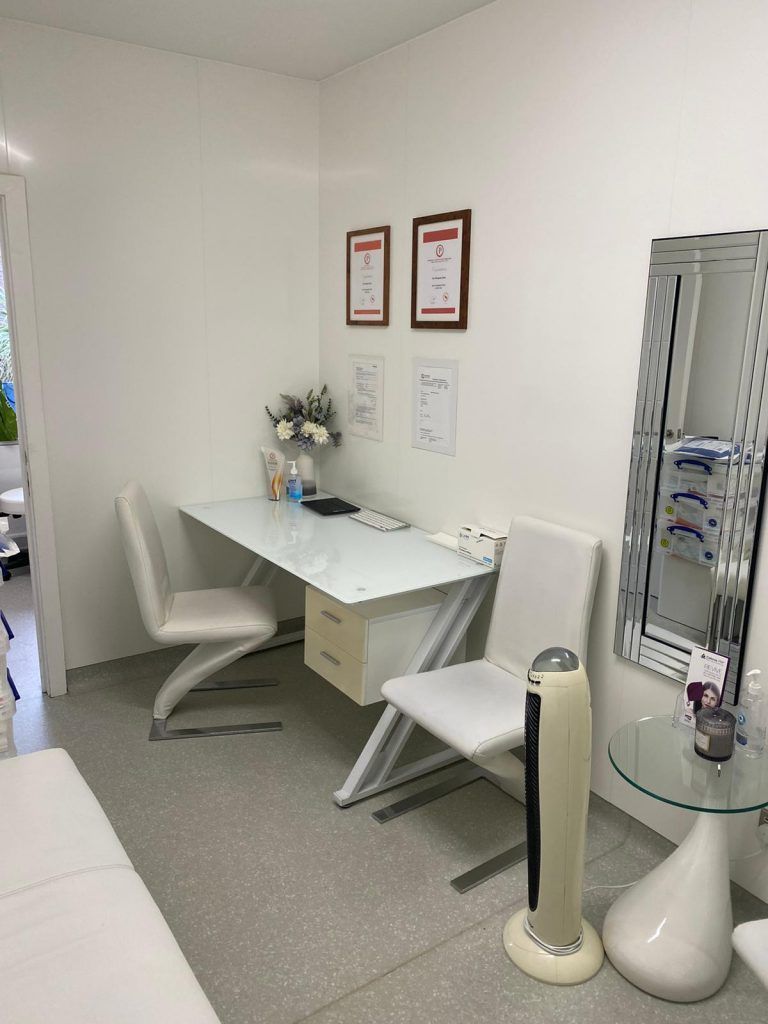
You can start by contacting the London team from home. Send well-lit photographs of the front, temples, top, crown, back and sides. Include the date of your earlier transplant, the number of grafts if known, and a short description of what you would like assessed.
Photographs can help the team decide what to discuss next. Accurate assessment of scarring, donor density and scalp movement may need an appointment in person before a surgical plan is agreed.
How much does hair loss retreatment cost?
When you have already paid for one transplant, it helps to know exactly what a further quote covers. Removing a few plugs, disguising a scar and rebuilding a hairline can each involve different amounts of work, even if the proposed graft counts sound similar.
An individual estimate
A quote depends on the areas being treated, how many usable grafts are available and whether old grafts need to be removed. Photographs can start that discussion. Ask for written costs for each proposed stage once the surgeon has assessed your scalp.
Comparing your options
If the donor supply or your budget is limited, ask what difference treating just the area you notice most would make. Check what follow-up is included, and whether a possible second stage has been priced separately. See the clinic’s published hair transplant prices.
Payment arrangements
Before booking, check which payment methods the clinic accepts and when each payment is due. If you are considering spreading the cost, read the clinic’s finance information and ask for the terms that apply to your quote.
Revision hair transplant FAQs
Can I still lose hair after a hair transplant?
Yes. Your own hair can keep thinning around the transplanted hairs. A gap that opens up behind the hairline years later can make the transplant appear thinner. If hair loss is new, widespread or accompanied by scalp changes, ask a doctor to assess the cause.
How many revision sessions will I need?
A small correction may be possible in one session. Removing old plugs, waiting for the skin to heal and then adding grafts can mean two or more stages. Ask what the surgeon expects to accomplish at each stage and what would lead them to change the plan.
What is recovery like after a corrective transplant?
Early tenderness, swelling and scabbing can occur. If you have had both graft removal and new grafts placed, ask for care instructions for each area. Transplanted hairs can shed before new growth appears. Contact your surgical team promptly about severe pain or unexpected symptoms.
Can a second transplant avoid further scarring?
Any operation that cuts the skin can leave a scar. FUE leaves small extraction marks, and strip harvesting leaves a line. In some people, grafts can help disguise an existing scar, but the scar remains and growth through it can be less predictable.
Harley Street Patient Reviews
Read patient reviews on Google.
Visit our Harley Street clinic
Harley Street Hair Transplants
22a Harley Street
London W1G 9PF