Mega Sessions
Contents [show] [hide]
A mega session is a large hair transplant procedure designed to move a substantial number of follicular-unit grafts in one surgical session. The term is often used for approximately 3,500–5,000 grafts, although definitions vary. It describes the scale of treatment, rather than a separate transplant technique or a graft target suitable for everyone.
Planning a large session requires careful organisation, an experienced clinical team and consistent graft handling. The number that can responsibly be transplanted depends on donor quality, the area to be treated, the condition of existing hair and your medical assessment. A higher graft count does not automatically mean a better result.
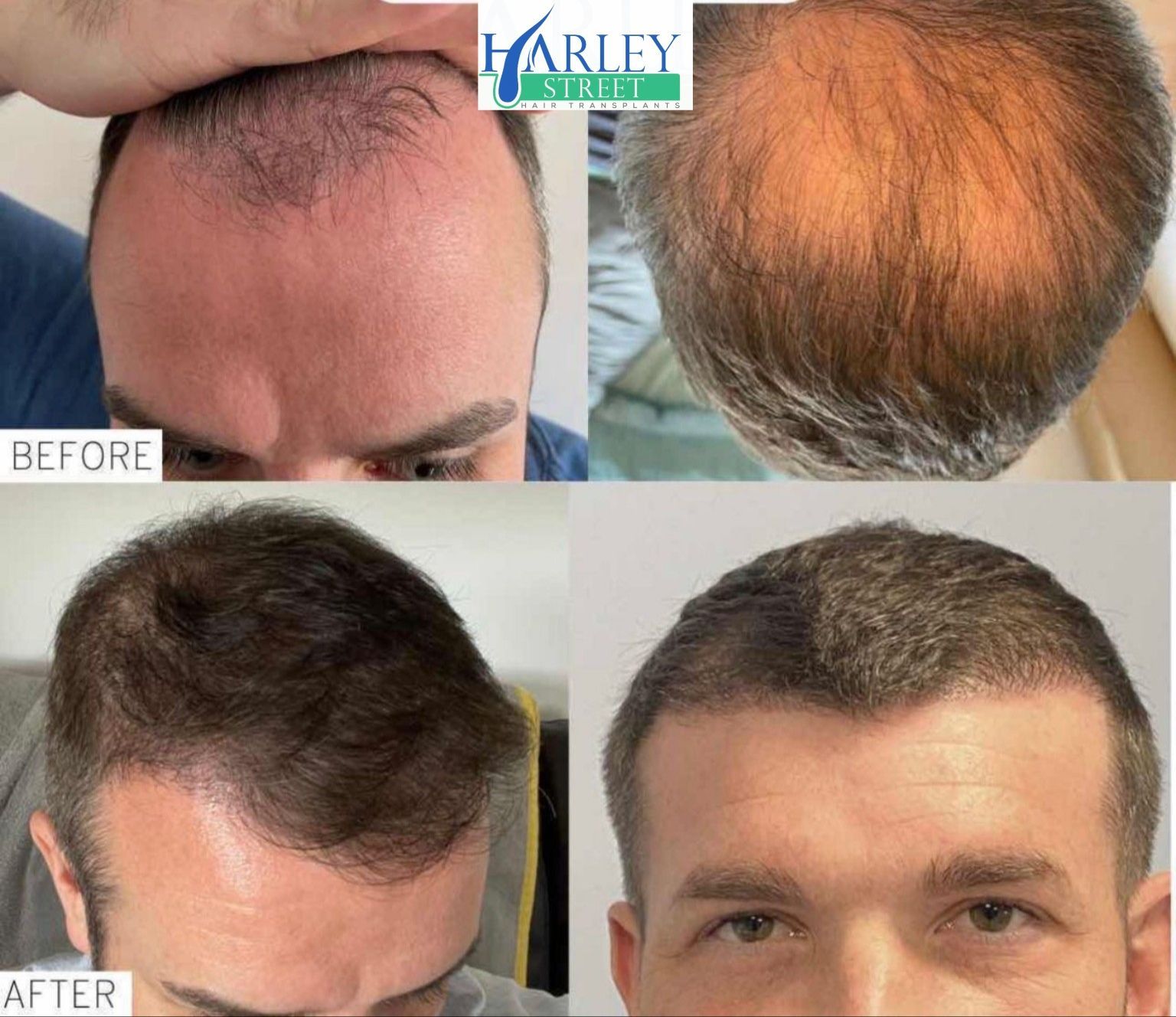
Improvements in graft preparation and placement have made larger procedures possible for selected patients. However, comparisons based solely on the number transplanted overlook donor preservation, graft survival and the quality of the final design. The appropriate size of a session should follow an individual assessment.
The advantages of a mega session
Where a large session is appropriate, potential advantages include:
- Fewer separate treatment days. Completing more of the planned restoration together may reduce repeat visits and separate recovery periods.
- A shorter overall treatment programme. It may be possible to reach the planned coverage with fewer staged procedures. This does not make transplanted hair grow faster, and any saving in total cost depends on the treatment plan.
- Fewer repeat operations on the donor area. This may reduce the need for repeated harvesting. It does not guarantee less scarring: both FUE and FUT leave scars, and excessive harvesting can make donor thinning or scarring more noticeable.
These benefits must be balanced against a longer surgical day and the demands of handling many grafts. Good communication, realistic expectations and careful patient selection matter as much as the proposed session size. A smaller or staged procedure may provide the better balance for some people.
Mega session basics
A large session can occupy a full day and may take around 8–12 hours, depending on the technique, graft requirement and clinical circumstances. Your individual plan should confirm the expected duration, breaks, anaesthetic arrangements and whether treatment will be divided across different days.
The workload requires a well-organised team with appropriate training and supervision. Clinical responsibilities should be explained before treatment, including who will assess you, perform the surgical stages and provide your follow-up care.
Grafts need careful handling throughout harvesting, preparation and placement. Protecting them from drying out, using an appropriate storage solution and temperature, and managing time outside the body are important parts of the process. Coordination becomes particularly important when a large number of grafts is involved.
Recipient openings must suit the grafts and the intended angle and direction of growth. Magnification and controlled placement help the team work around existing follicles. The aim is to achieve natural distribution while limiting unnecessary injury to the scalp and its blood supply.
Patient safety remains central during a long procedure. The assessment should consider your health, medications, previous surgery and ability to tolerate the proposed session. The clinical team should explain the monitoring appropriate to your circumstances, which may include blood pressure, pulse, oxygen levels and ECG monitoring when indicated. The treatment setting, staffing and emergency arrangements should be suitable for the planned procedure.
Density and coverage expectations
Hair transplantation redistributes a limited supply of donor hair. It cannot create an unlimited reserve or promise to restore the density you had as a teenager. The appearance of coverage also depends on hair calibre, curl, colour contrast with the scalp and the way grafts are positioned.
For extensive hair loss, one large session may not provide full coverage at the desired density. The surgeon may recommend prioritising the frontal hairline and mid-scalp, allocating fewer grafts to the crown, or planning another procedure after the first result has developed. Some donor supply should be preserved for possible future hair loss.
Two larger sessions may suit some patients better than several smaller procedures, but this is a planning decision rather than a standard recommendation. Ask what each stage is intended to achieve and how the total cost, donor use and recovery periods compare. Full results take many months. Our hair transplant timeline explains the gradual growth process; final results are typically assessed around 10–18 months after surgery.
Mega session candidacy in women and men
Suitability depends on the cause and pattern of hair loss, the stability of the donor area and the grafts needed to achieve a realistic improvement. Men and women can both experience hereditary pattern hair loss, and either can have diffuse thinning that makes a large procedure unsuitable.
Diffuse or progressive thinning deserves particular attention when it also affects the donor region. Hair taken from an unstable donor area may continue to thin after transplantation. Removing too much can also leave the donor area visibly depleted, while placing many grafts among fragile existing hairs can increase the risk of shock loss.
Women with widespread thinning need an individual diagnosis before any surgical recommendation. Medical history, scalp examination and additional investigations when indicated can help identify contributing conditions and whether non-surgical treatment should come first. The same careful assessment applies to men with diffuse thinning or an uncertain diagnosis.
Some women and men with suitable donor hair and a stable pattern may benefit from a larger procedure. Others may be better served by medical management, observation or smaller staged sessions. Once surgery is considered appropriate, the proposed graft number should be linked to the area being treated and the coverage that can reasonably be achieved.
Shock loss concerns with mega sessions
Shock loss is shedding of existing hair after surgery, which can occur around recipient or donor sites. It is different from the expected early shedding of transplanted hair shafts. Changes to the hair cycle, inflammation, surgical trauma and temporary disturbance of blood supply can contribute.
Closely packed implantation around existing follicles can increase the demands on the tissue and the possibility of direct follicle injury. People with substantial thinning or miniaturised hair require particular care. Both men and women can experience shock loss; the condition of the existing hair and the treatment plan should guide the discussion.
Shedding commonly develops within the first several weeks after surgery. It is often temporary, but fragile, substantially miniaturised hairs may not recover fully. The possibility of a thinner appearance during recovery, prolonged shedding or permanent loss of some existing hair should be discussed before agreeing to treatment.
A plan to reduce risk may include more conservative graft numbers, staged treatment, careful recipient-site spacing and measures to improve visibility around existing hair. Trimming or shaving may be discussed when appropriate. Your clinician may also consider treatment to stabilise ongoing hair loss before surgery. Medicines such as minoxidil or finasteride are not suitable for everyone and require an individual discussion of indications, risks and prescribing restrictions.
There is no advantage in pursuing the largest possible session if it compromises the donor area or existing hair. A second, smaller procedure may sometimes be preferable to densely implanting a vulnerable area in one operation. Ask how the team will protect existing follicles, what result is realistic and what support is available if shedding is greater than expected.
These questions should be addressed at the consultation and revisited before surgery. A clear treatment plan should explain the benefits and limitations of the proposed approach, the alternatives and how any later treatment could affect your remaining donor supply.
Discuss your options in London
Contact Harley Street Hair Transplants for an assessment of your hair loss, donor area and treatment goals. Tell the team about any previous transplant, changes in your hair-loss pattern and relevant medical history. The consultation can help establish whether a larger session, staged treatment or another approach is appropriate.
Our fixed scalp prices are £3,499 for 2,500 grafts and £3,999 for 3,000 grafts. Both include a complimentary PRP treatment and 18 months’ free aftercare. For a different graft count, ask for a written quote. View our prices.
22a Harley Street
London W1G 9PF
020 8088 1333
Directions to the clinic