
Contents [show] [hide]
Hair Density
Reduced hair density is one of the key problems associated with hair loss. Learning more about hair density and how to improve it is an important step to life-changing hair restoration.
Dr Harpreet Kalra and the team at Harley Street Hair Transplants in London are here to help patients struggling with low hair density.
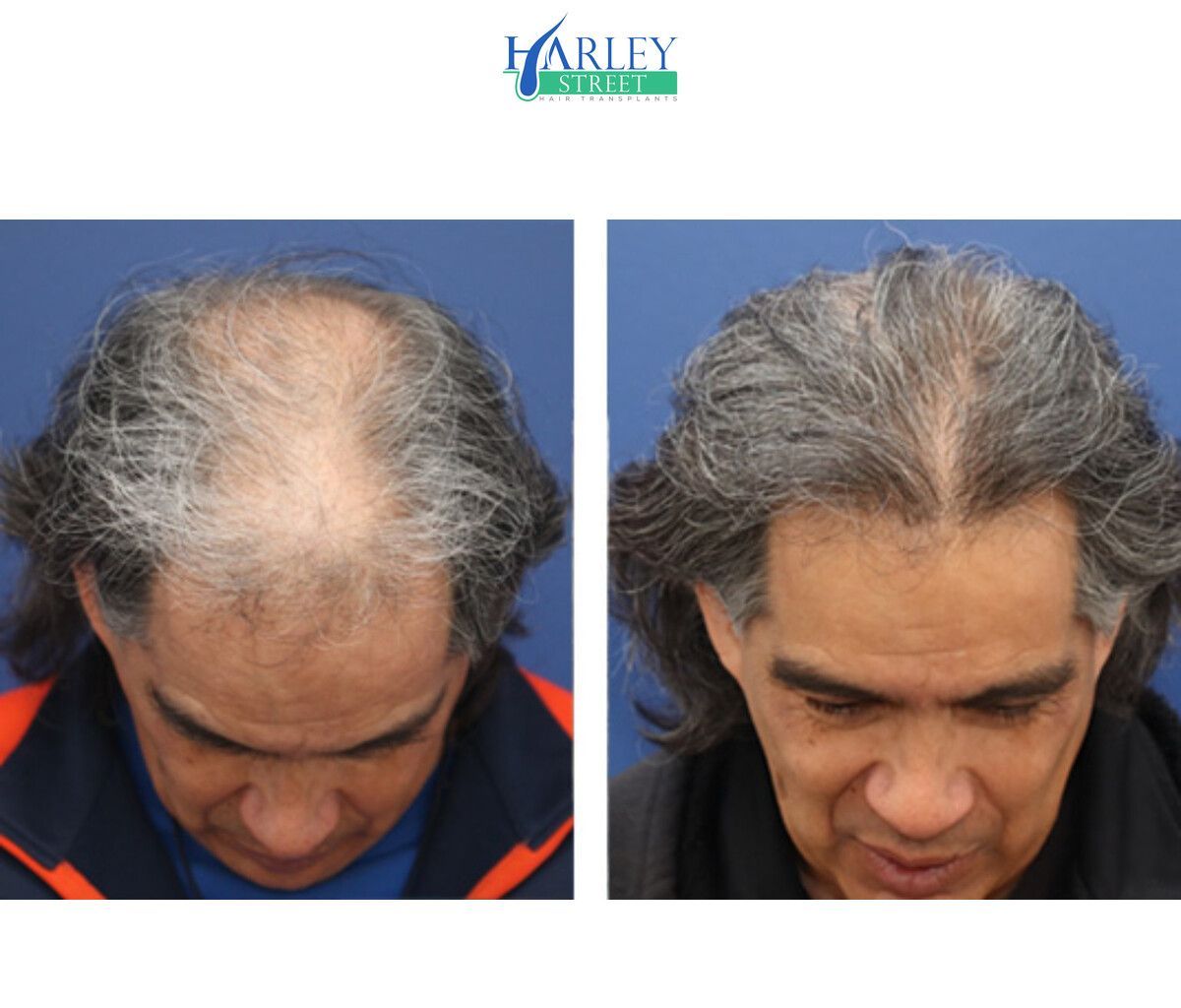
What Is Hair Density?
Hair density is the number of hair strands per square inch of the scalp. When it comes to transplantation, density refers to the number of grafts implanted per square centimeter in a transplanted zone.
Why Is Hair Density Important?
Hair density is interpreted visually as how thick or thin a transplant zone appears. A number of physical and technical variables affect the appearance or "illusion" of density. Our team creates the illusion of density by surgically transplanting hair grafts to create the fullest look possible.
It is important to understand the principles of density as the target density one desires will have implications regarding the number of grafts needed, the area that can be covered, and the donor site's ability to provide hair in the future.
What Factors Impact Density?
Several factors besides overall hair strand count contribute to the appearance and perception of density. Graft counts alone can't be used to compare density between different patients without also considering physical characteristics, such as:
- Hair Texture
- Hair Caliber
- Hair Shaft Rigidity
- Follicular Unit Count
- Scalp Color
The Illusion of Density
Artistry Is Immensely Important
The primary goal for using follicular unit grafts is to assure a natural look, i.e. hair that does not look like it was transplanted. Another key goal of follicular unit grafting is the enhancement of density. Unfortunately, surgery can only replace a percentage of the lost hair for the majority of patients because of donor supply and technical limitations.
The experienced surgeon must use a smaller number of hairs to produce the fullest, most dense look possible. The creation of a full look by implanting hair at a relatively lower density is known as the "illusion of density." It is the artistry of the surgeon and the unique physical characteristics of the patient that allow the "illusion of density" to produce the fullest, most dense look possible.
Improve Your Hair Density With Us
At Harley Street Hair Transplants, Dr Harpreet Kalra assesses the cause of hair loss, the available donor hair and the area you want to restore. Treatment options include FUE hair transplantation in London.
Our hair experts offer preliminary virtual consultations. This option allows you to send photos of your scalp and hair for us to analyze before your in-person visit. These pictures save you time and give us a head start on planning your hair restoration.
GMC reference 7126076
Photographs of graft growth over time
Determining Target Density
The target density for a particular surgery is based on your visual goals. Dr Kalra can determine what possibilities are available to you based on your hair type and specifics.
Density considerations involve a balance between conserving donor hair for the future and the wisest use of donor hair to achieve goals and expectations for today. The last thing we want to do is unwisely deplete a donor area. We educate our patients so they can elect to use their donor resources responsibly to achieve the look of high density in each square inch of the scalp.
Key Density Details
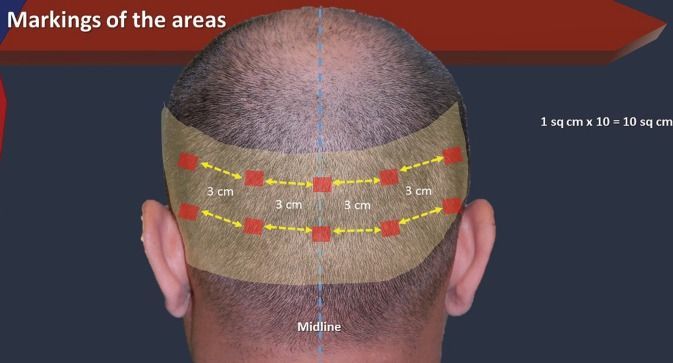
Cosmetically acceptable density varies from person to person. Graft number requirements for any given session are based on the grafting density performed and the size of the zone being grafted.
Generally, about 50% of the original density is needed to produce the appearance of high-density, thick hair. This can mean approximately 40–50 grafts per square centimeter. The appropriate density varies with the area being treated, the thickness of your hair and the number of hairs in each graft.
There Are Some Limitations to Increasing Density
A man or woman's density potential is based on graft availability from the donor region. Donor hair supply typically diminishes with time, especially if the balding process has not stabilized and the pattern has the potential to advance with age.
Grafting to or beyond 50% density is not feasible for most patients with advanced balding patterns because of these limitations imposed by graft availability in the donor region.
There are also limits to the density of hair that can be planted in a zone with preexisting strands of thinning hair, since the risk of "shock loss" rises with increasing graft densities.
Density decreases as any number of grafts are spread over a larger area of the scalp. For example, doubling the recipient zone will decrease density by 50%.
Harley Street Patient Reviews
Read patient reviews on Google.
Our Harley Street Clinic
Harley Street Hair Transplants
22a Harley Street, London W1G 9PF