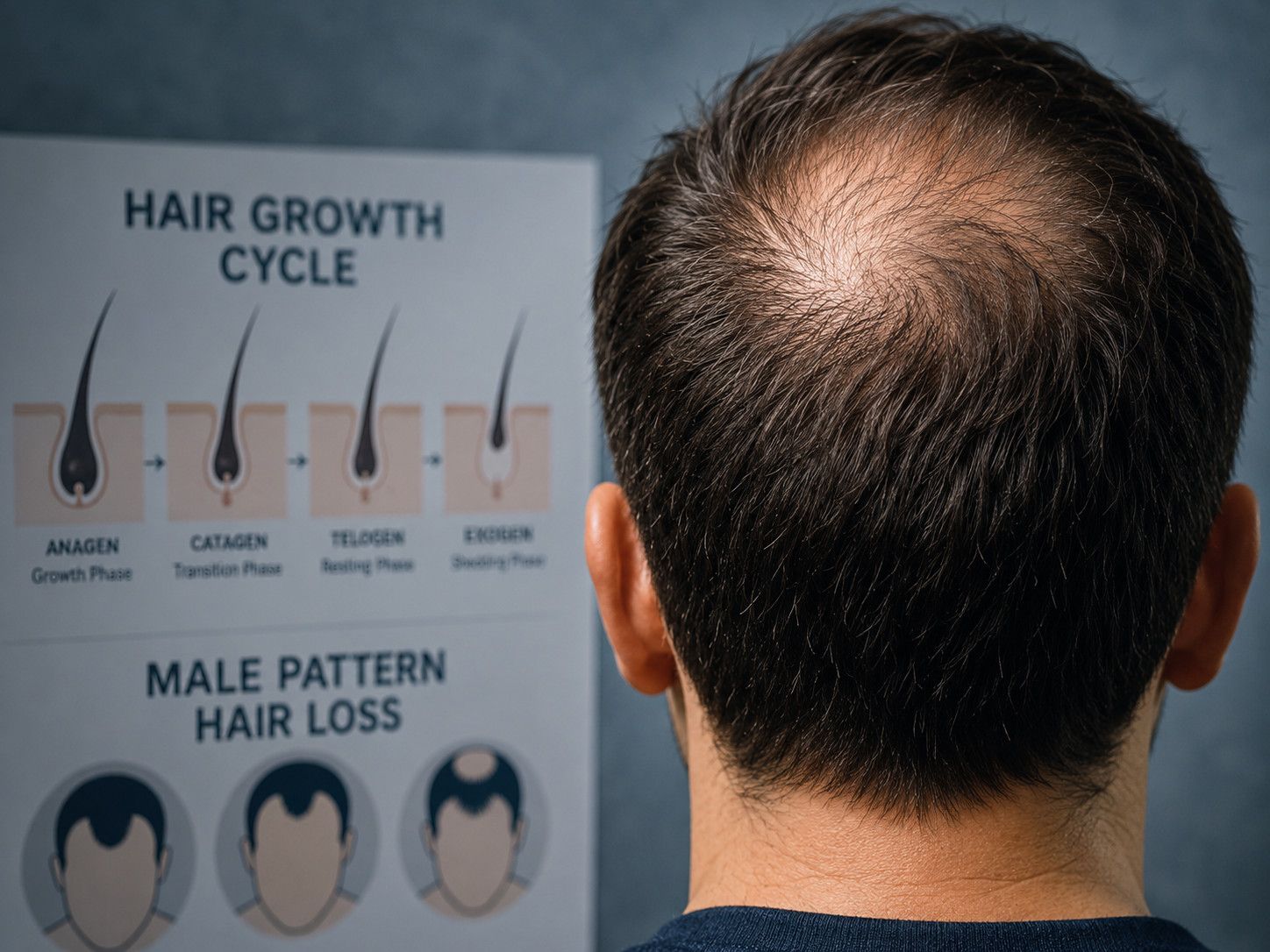
Hair transplant donor area
Hair Transplant Donor Area
The donor area is one of the most important parts of hair transplant planning. It is usually the area at the back and sides of the scalp where suitable grafts may be taken for transplantation.
A proper donor-area assessment helps determine suitability, graft availability, safe extraction planning, donor preservation, recovery expectations and what result may be realistic.
Surgeon-led planning
Our Surgeon
Donor management affects long-term planning
Hair transplant planning should consider donor-area strength, hair-loss pattern, treatment goals, medical history and realistic expectations before treatment is recommended.
Careful donor-area planning helps reduce the risk of overharvesting and supports a more responsible long-term treatment strategy.
Donor-area assessment
Why the donor area matters
Donor hair is limited
The donor area does not provide unlimited grafts. This is why safe extraction planning, graft-number discussion and long-term donor preservation are important before treatment is planned.
A strong donor area may allow more treatment options, while a weaker donor area may limit what can be safely achieved.
What should be assessed?
- donor-area density and coverage;
- hair calibre, curl and texture;
- safe extraction pattern;
- scalp condition and healing factors;
- previous surgery or scarring;
- future hair-loss progression;
- realistic graft availability.
FUE, DHI and FUT
How the donor area is used
FUE donor area
In FUE, individual follicular units are removed from the donor area. Extraction pattern, spacing and graft numbers should be planned carefully to protect donor appearance.
View FUE Hair TransplantDHI donor area
DHI still relies on suitable donor hair. The difference is usually in the placement stage, so donor-area suitability remains central to planning.
View DHI Hair TransplantFUT donor area
FUT removes a strip from the donor area and leaves a linear donor scar. This should be discussed carefully before treatment is considered.
View FUT Hair TransplantRecovery and aftercare
Donor area healing after a hair transplant
Early recovery
The donor area may feel sensitive after treatment. Redness, scabbing, tightness or temporary discomfort can differ between patients.
Aftercare instructions should be followed carefully to support healing and reduce unnecessary irritation.
What can affect healing?
- the extraction method used;
- number of grafts taken;
- skin type and healing response;
- aftercare and washing routine;
- avoiding friction or scratching;
- previous scarring or scalp sensitivity.
Hair Transplant Donor Area FAQs
What is the donor area in a hair transplant?
The donor area is usually the back and sides of the scalp where suitable grafts may be taken for transplantation.
Why is the donor area important?
The donor area limits how many grafts may be safely available. It affects suitability, density planning, future treatment options and realistic expectations.
Can the donor area be overharvested?
Yes. Removing too many grafts or extracting too densely can affect the appearance of the donor area and may limit future options.
Does FUE leave marks in the donor area?
FUE involves individual extraction points. Healing and visibility can differ between patients and depend on extraction planning, skin type, hair length and aftercare.
Does FUT affect the donor area?
FUT leaves a linear donor scar. This should be discussed carefully during consultation before choosing the treatment route.
How long does the donor area take to heal?
Early healing usually happens gradually after treatment, but redness, sensitivity, scabbing and visibility can differ between patients.
Latest hair transplant advice
Read Harley Street Hair Transplants guides on donor area, FUE, DHI, FUT, PRP, hairline design, crown thinning, aftercare and hair transplant results.
Ready to discuss your donor area?
Contact Harley Street Hair Transplants to discuss donor-area suitability, treatment options, graft planning, cost, recovery and aftercare.
Explore more hair transplant pages
Learn more about treatment options, cost, recovery, aftercare and clinic locations.
