Hair transplant recovery guide
Shedding and Shock Loss After a Hair Transplant
Shedding and shock loss can worry patients after a hair transplant, especially during the early recovery stages. This page explains what patients may notice, why it can happen and when to ask the clinic for advice.
Recovery and growth can differ between patients. A clear aftercare plan helps patients understand shedding, donor-area healing, recipient-area recovery and realistic growth timelines.
Surgeon-led planning
Our Surgeon
Recovery expectations should be explained clearly
Hair transplant planning should include donor-area assessment, recipient-area design, medical history review, recovery guidance and realistic expectations before treatment is recommended.
Patients should understand that shedding, healing and early growth stages can look different from the final result.
Post-transplant shedding
What is hair transplant shedding?
Shedding after treatment
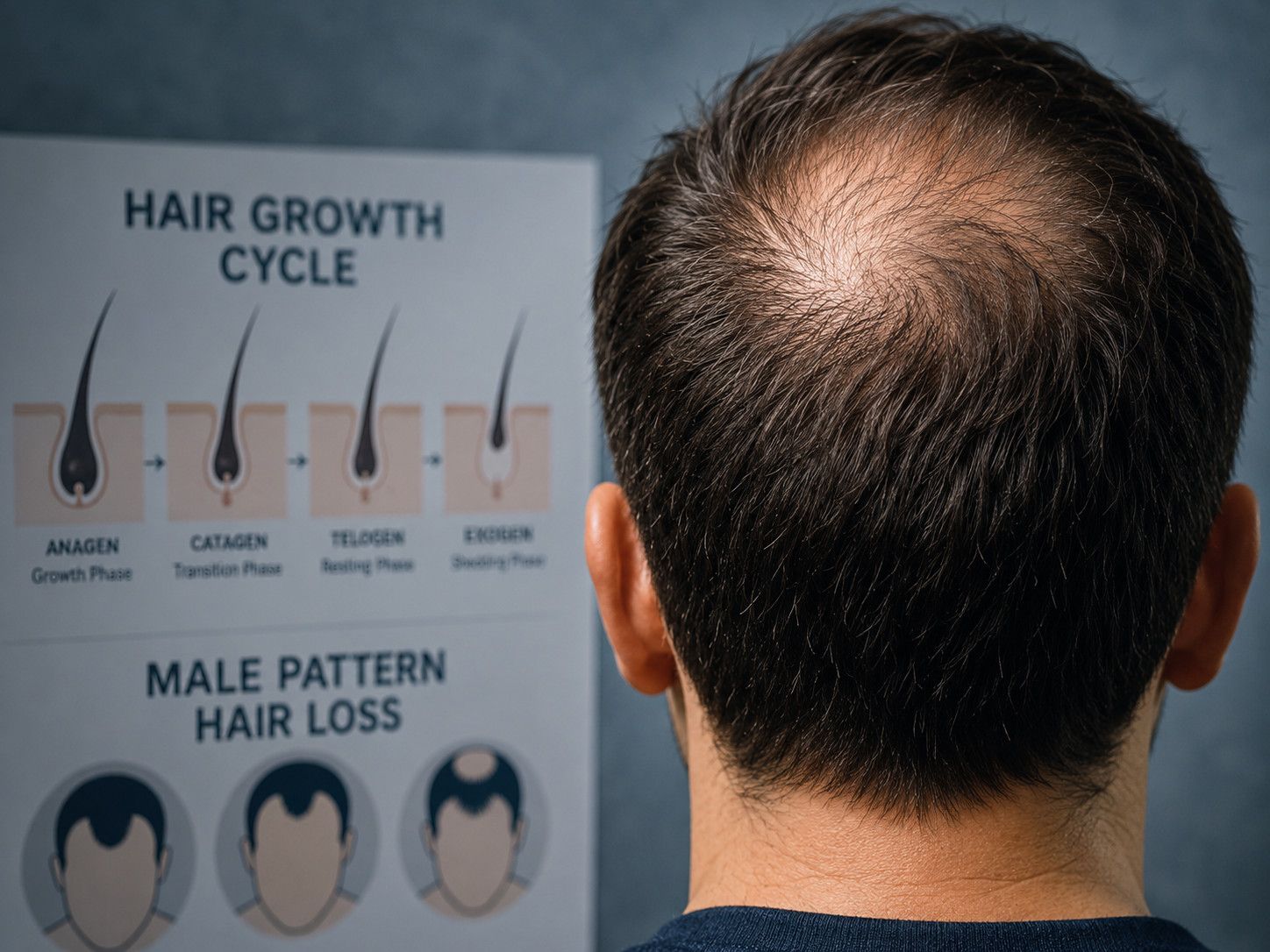
After a hair transplant, some transplanted hairs may shed during the early recovery period. This can be part of the normal post-treatment growth cycle.
The follicle can remain in place while the visible hair shaft sheds. New growth usually develops gradually over time.
What patients may notice
- short hairs falling out after treatment;
- temporary thinning around the treated area;
- uneven early growth;
- changes in texture during early regrowth;
- gradual improvement over time;
- different timelines between patients.
Shock loss guide
What is shock loss?
Temporary shedding around treated areas
Shock loss is temporary shedding that can affect existing hairs near the transplant area or sometimes the donor area after surgery.
It can be worrying because it may make the hair look thinner before it improves. The cause and recovery pattern can differ between patients.
What can affect shock loss?
- existing hair miniaturisation;
- treatment area and graft planning;
- scalp sensitivity and healing response;
- donor-area extraction pattern;
- previous hair loss progression;
- aftercare and recovery factors.
Recovery timeline
When does hair start growing again?
Early healing
The scalp begins healing after treatment. Redness, scabbing, swelling or sensitivity can differ between patients.
Shedding stage
Some hairs may shed after surgery. This can make the area look patchy or thinner before new growth becomes more visible.
Gradual growth
Growth usually develops gradually. Density, texture and final appearance can differ depending on the patient and treatment plan.
Aftercare
What should patients do during shedding?
Follow the aftercare plan
Patients should follow the clinic’s washing, sleeping, activity and aftercare instructions carefully after treatment.
Avoid scratching, picking scabs or using unapproved products on the scalp during the early healing period.
Contact the clinic if unsure
- ask if shedding looks unusual;
- report pain, swelling or signs of infection;
- check before applying scalp products;
- ask about exercise and sweating;
- ask when to restart styling or haircuts;
- follow personalised aftercare advice.
Shedding and Shock Loss FAQs
Is shedding normal after a hair transplant?
Some shedding can happen after a hair transplant. It can be part of the post-treatment growth cycle and does not automatically mean treatment has failed.
What is shock loss?
Shock loss is temporary shedding that can affect existing hair near the treated area or sometimes the donor area after surgery.
Does everyone get shock loss?
No. Shock loss does not affect every patient in the same way. The risk and pattern can differ depending on hair-loss pattern, treatment area, existing hair quality and individual healing.
When does transplanted hair start growing?
Growth usually develops gradually after the early healing and shedding stages. The timeline can differ between patients.
Should I contact the clinic about shedding?
Yes, contact the clinic if you are worried, especially if shedding is accompanied by unusual pain, swelling, heavy bleeding, pus, fever or other unexpected symptoms.
Latest hair transplant advice
Read Harley Street Hair Transplants guides on shedding, aftercare, timeline, FUE, DHI, FUT, PRP, donor area, hairline design and hair transplant results.
Need advice about shedding or shock loss?
Contact Harley Street Hair Transplants to discuss recovery expectations, treatment suitability, donor-area assessment, aftercare, cost and next steps.
Explore more hair transplant pages
Learn more about treatment options, cost, recovery, aftercare and clinic locations.
