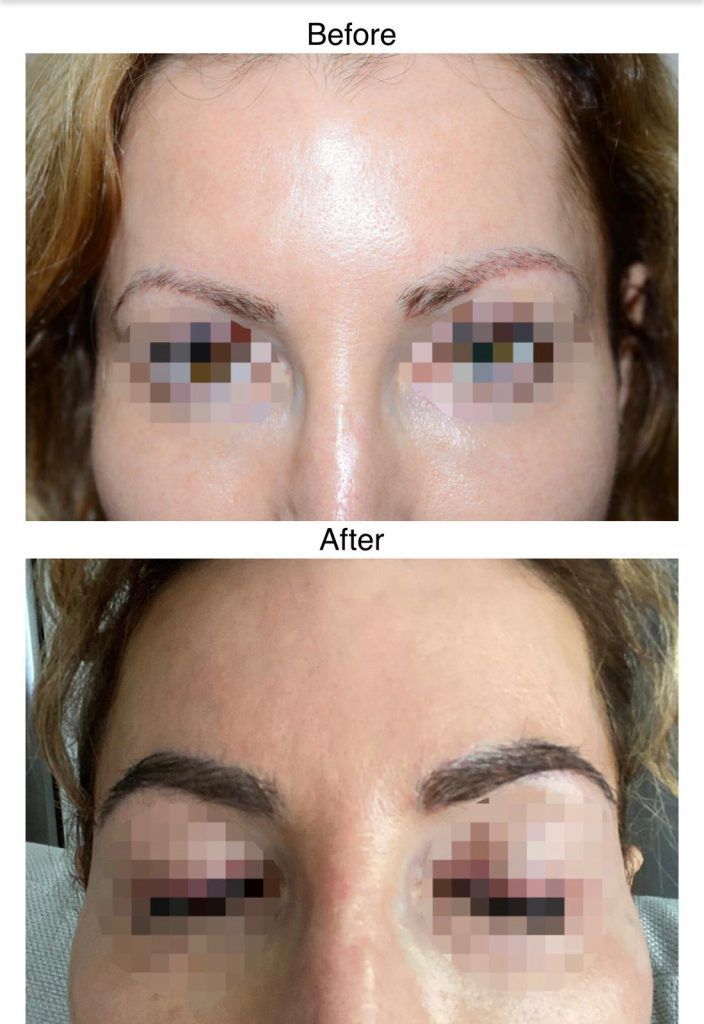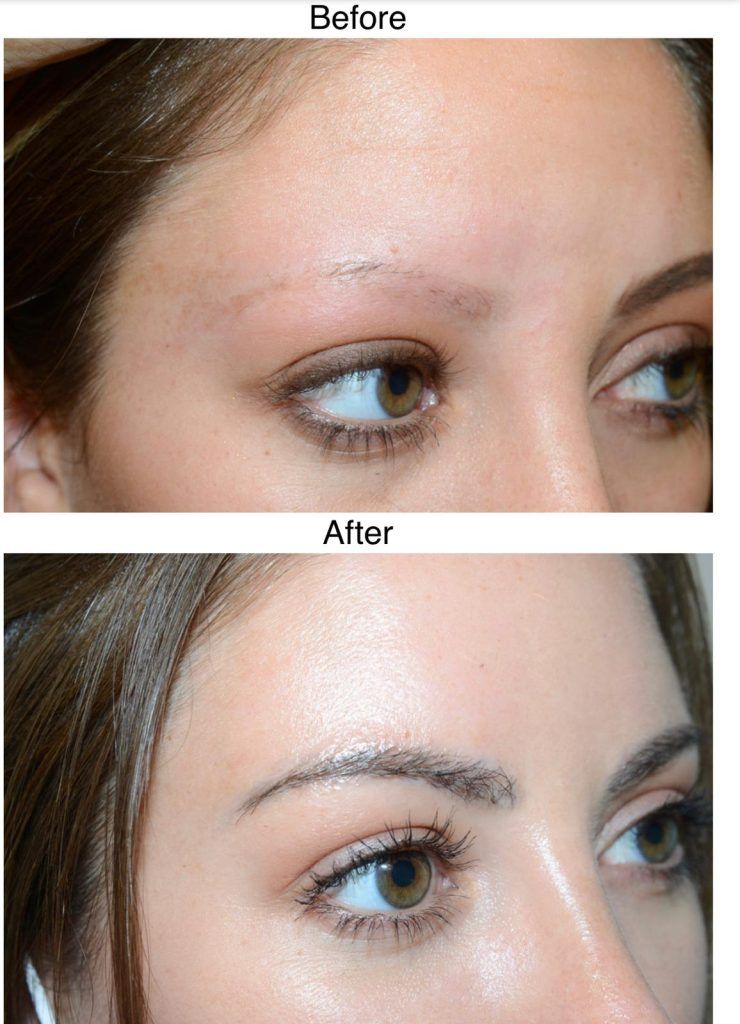
Brow Shape
The proposed design should complement facial proportions, existing brow position and the result realistically achievable.
Eyebrow transplantation uses carefully selected donor hairs to improve sparse, thin, over-plucked, scarred or partially missing eyebrows. Treatment requires precise control of brow shape, hair angle, direction and density.



An eyebrow transplant is a surgical brow-restoration procedure. Individual donor hairs are normally extracted from a suitable area of the scalp using FUE principles.
The selected hairs are prepared and placed into the eyebrow area according to the agreed brow shape, inner-brow softness, arch, tail and existing pattern of growth.
Eyebrow restoration differs from a standard scalp transplant because eyebrow hairs normally sit close to the skin. Small changes in graft angle or direction can materially affect the finished appearance.
Suitable single-hair grafts are generally preferred for detailed brow restoration because natural eyebrow hairs normally grow individually rather than in large follicular groupings.
The proposed design should complement facial proportions, existing brow position and the result realistically achievable.
Hair direction changes across the inner brow, central body, arch and outer tail.
Eyebrow hairs normally grow flatter against the skin than scalp hair.
Density must be distributed carefully so the eyebrow does not appear uneven or unnaturally solid.
Hair calibre, texture, curl and growth characteristics should be considered before donor grafts are selected.
The treatment plan should be based on the existing eyebrow pattern, donor-hair characteristics, skin condition, previous treatment and the shape realistically achievable.
Existing density, asymmetry, previous plucking, scarring, tattooing, skin health, donor hair and medical history are reviewed.
The inner brow, central body, arch and tail are planned around facial balance and the existing growth pattern.
Suitable follicular-unit grafts are removed individually from the planned donor area.
Extracted grafts are inspected and prepared, with suitable single-hair grafts selected for detailed brow work.
Grafts are placed at carefully planned angles and directions to follow the agreed brow design.
Instructions cover cleaning, scabbing, avoiding friction, makeup, exercise and trimming once growth develops.
Both women and men may be considered for eyebrow restoration. Suitability depends on the reason for eyebrow loss, donor-hair quality, skin condition, medical history and realistic expectations.
Active skin inflammation, infection, untreated causes of hair loss, unsuitable donor hair or unrealistic expectations may prevent treatment from being recommended.
Repeated removal can permanently reduce growth in sections of the eyebrow.
Some people naturally have fine, narrow or low-density eyebrows.
Facial injury, burns or previous surgery can interrupt normal eyebrow growth.
Selected medical, hormonal, inflammatory or autoimmune conditions may affect eyebrow growth.
Some medicines and medical treatments can cause temporary or lasting eyebrow thinning.
Eyebrow transplantation, microblading and eyebrow tattooing are different treatments. The appropriate option depends on whether the aim is real hair growth or a pigment-based appearance.
| Option | How it works | Key consideration |
|---|---|---|
| Eyebrow Transplant | Donor hairs are extracted and surgically placed into the eyebrow area. | Produces real hair growth but requires surgery, healing and regular trimming. |
| Microblading | Semi-permanent pigment strokes are used to imitate individual eyebrow hairs. | Does not produce new hair and may fade or change over time. |
| Eyebrow Tattooing | Pigment is placed into the skin to create the appearance of eyebrow shape or density. | Does not restore actual eyebrow hairs and may be difficult to alter later. |
Eyebrows normally require fewer hairs than scalp restoration, but every graft is highly visible.
Individual graft placement allows the changing direction of natural eyebrow growth to be considered.
Finer single-hair grafts may be selected where they are suitable for the planned eyebrow design.
Early healing can include redness, tenderness and small scabs around the eyebrow area. The implanted hairs must be protected while they settle.
Because transplanted hairs normally originate from the scalp, they can grow longer than natural eyebrow hairs. Regular trimming and grooming may therefore be required.
A final quotation should follow assessment of your eyebrows, proposed design, donor hair and the amount of restoration required.
Cost may be influenced by whether one or both eyebrows are treated, the number of hairs required, scar coverage, previous tattooing or microblading, donor-hair suitability and case complexity.
Before booking, confirm the proposed eyebrow design, estimated hair requirement, total quotation, payment terms and aftercare arrangements.
GMC reference 7126076. Dr Kalra assesses medical suitability, eyebrow condition, donor hair, skin health, previous treatment and realistic brow-restoration goals.
Your consultation should explain the proposed design, donor source, expected hair requirement, placement approach, recovery, grooming requirements and available alternatives.
Google feedback about service, communication, treatment results and the overall clinic experience.
Paul Bassoo
Google reviewExcellent overall service.
Enzo
Google reviewVery satisfied with my results.
Subhan Buzdar
Google reviewGreat experience.
Muhammad Mohsin Saddique
Google reviewI felt listened to.
Ummad Rehman
Google reviewA very professional service.
Muhammad Saleem Popalzai
Google reviewStaff were friendly.
Discuss eyebrow thinning, over-plucking, asymmetry, scarring, previous microblading, donor-hair suitability and the eyebrow shape realistically achievable before deciding.